
I remember pausing on a single panel where an elderly Yuji stood at a graveside — the art folded silence into a sentence. The manga didn’t politely end; it removed futures you were attached to. You feel that small, sharp absence before you even turn the page.
I’m going to walk you through who Akutami kept and who he didn’t in Jujutsu Kaisen: Modulo. Read this like a field report: short scenes, the evidence, and what the losses mean for the world after the war. If you read Jujutsu Kaisen on Shonen Jump or MANGA Plus, this will help you connect the dots between the manga, MAPPA’s tone in the anime, and the narrative choices Akutami made.
The subway platform at rush hour is full of people arguing over what mattered—Every Original JJK Character Confirmed Dead in JJK Modulo
Death in Modulo doesn’t arrive with fanfare; it arrives as absence. These deaths shape the spin-off’s mood and the stakes for the next generation.
Megumi Fushiguro
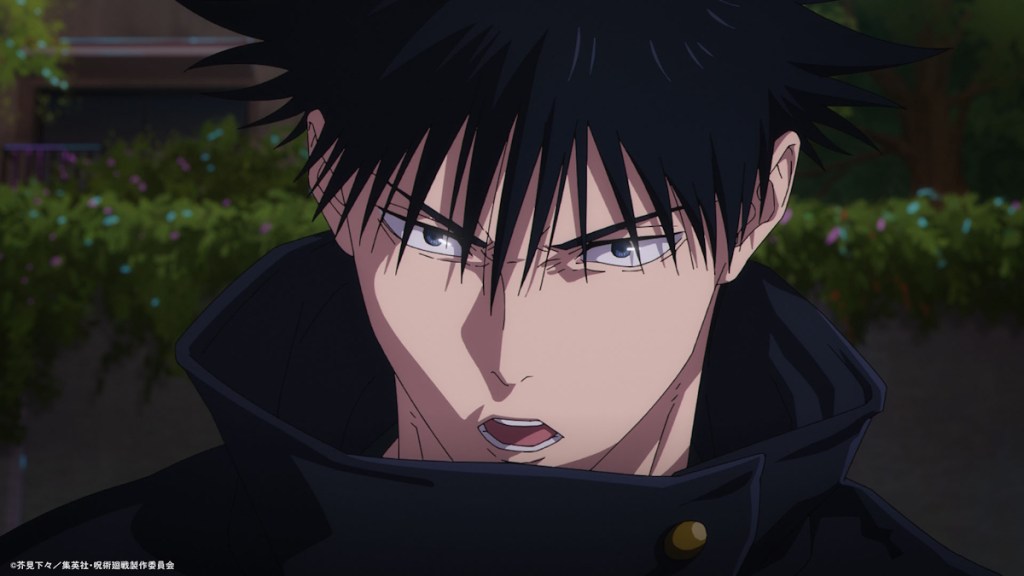
Here’s the blunt fact: Megumi never makes it to Modulo’s main timeline. You see his absence in a line of dialogue — Nobara asking if he was the only one there — and that quiet hint collapses a dozen fan theories. Megumi’s arc, from Sukuna’s takeover to the point where his name becomes a memory, reads like a weathered lighthouse: once a guide, now a relic that still points to what was lost.
Yuta Okkotsu
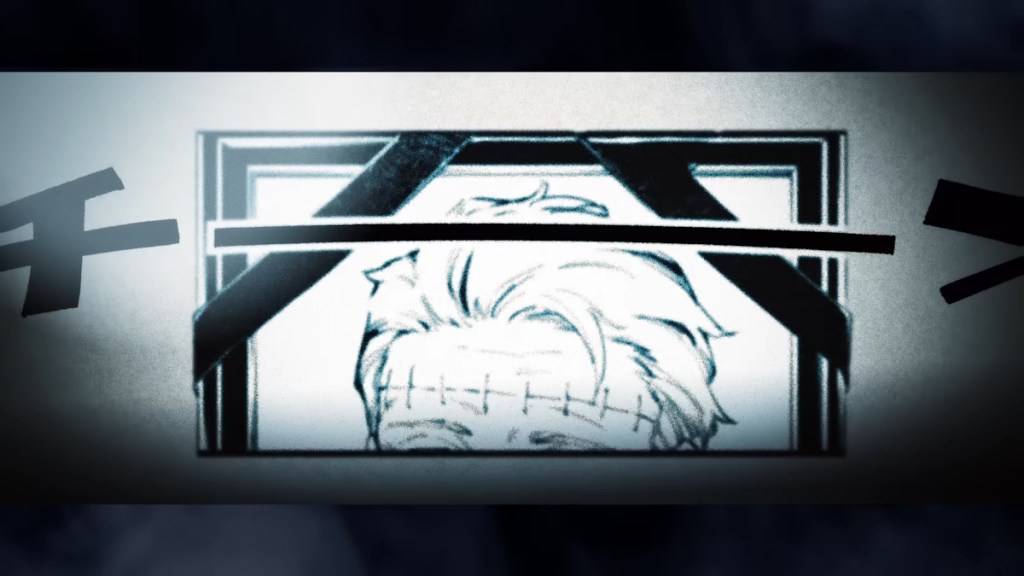
Yuta survives the original war, marries Maki, fathers a line that becomes central in Modulo, and then dies of old age after Maki passes. His death is quiet, human, and weighted by the ordinary grief that follows a long life. Akutami uses Yuta’s ending to show that victory in war doesn’t erase loss later — it just layers new grief on top.
Maki Zenin
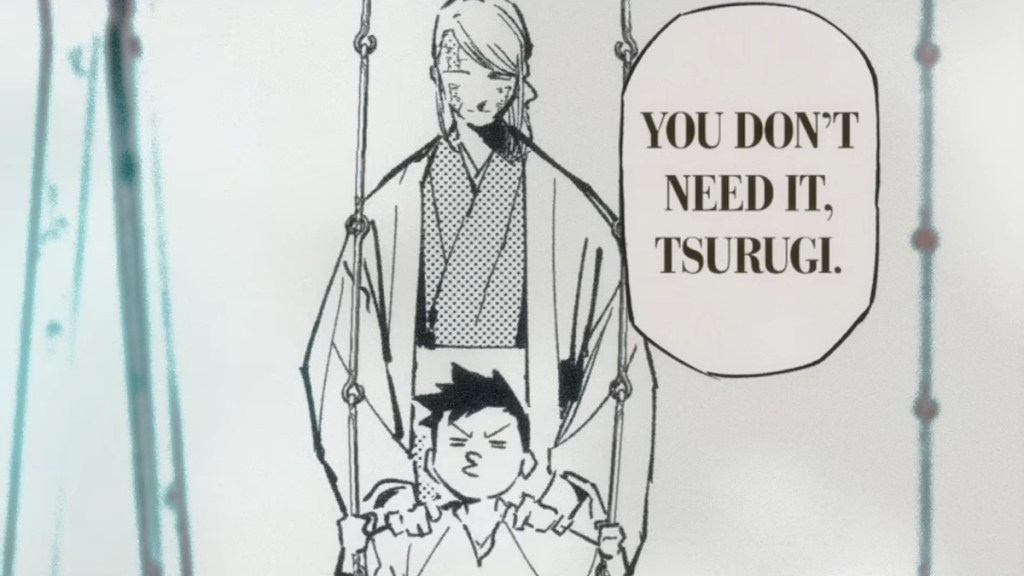
Maki’s end is framed by the cost she paid for strength — losing her twin and living with that choice. She trains her grandson Tsurugi, passes on her skill and stubbornness, then dies in 2079. The narrative uses her death to hand the torch and the unresolved family wounds to the next generation.
Hana Kurusu
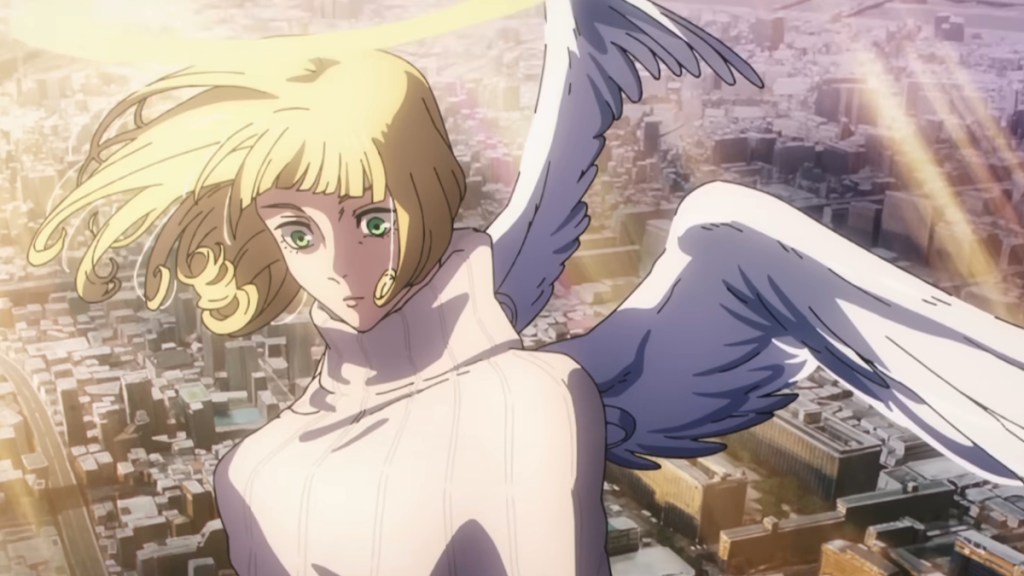
Hana’s death is a plot hinge: she frees Gojo but doesn’t live long after. Nobara mentions attending her funeral, and that single line locates Hana on the other side of the story. Akutami uses that funeral as a landmark to show how much the sorcerer community has aged and changed.
Mei Mei
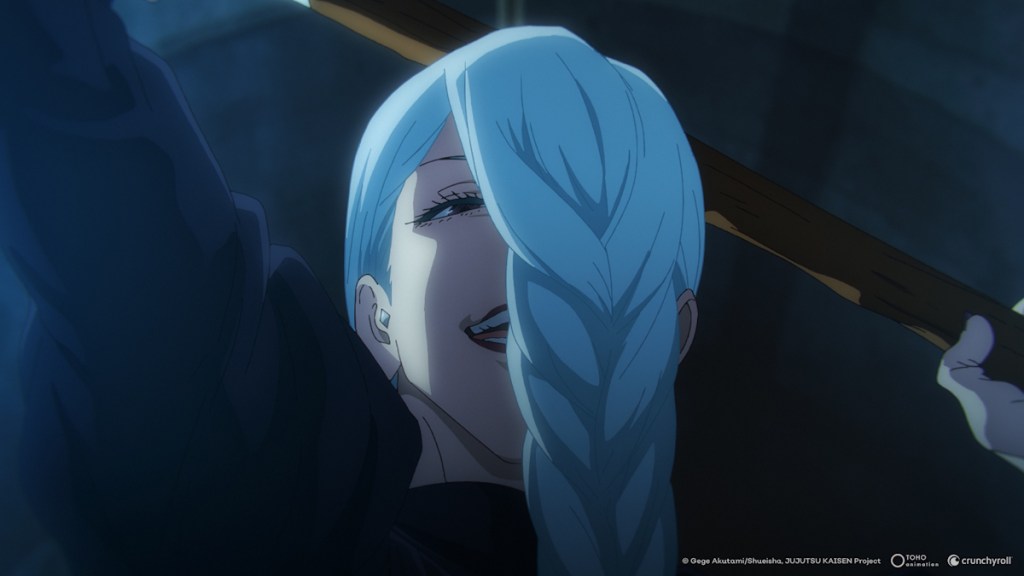
Mei Mei is absent because time took her. Ui Ui’s return — inhabiting Mei Mei’s body — is the clearest textual sign she’s gone. That twist reads not only as a plot device but as a commentary on legacy, possession, and how the living remember the dead.
The newsstand headline reads like a history note—Every Original JJK Character Who Is Alive in JJK Modulo
Some originals survive the shape-shifting years and become the caretakers of a changed world. Their presence tells you which threads Akutami didn’t sever.
Who is still alive in JJK Modulo?
Short answer: Yuji, Nobara, Todo, Ui Ui, Panda, and Mahito’s soul appear in Modulo’s timeline in various forms. I’ll unpack each briefly so you know who’s active in the story and who’s a memory.
Yuji Itadori
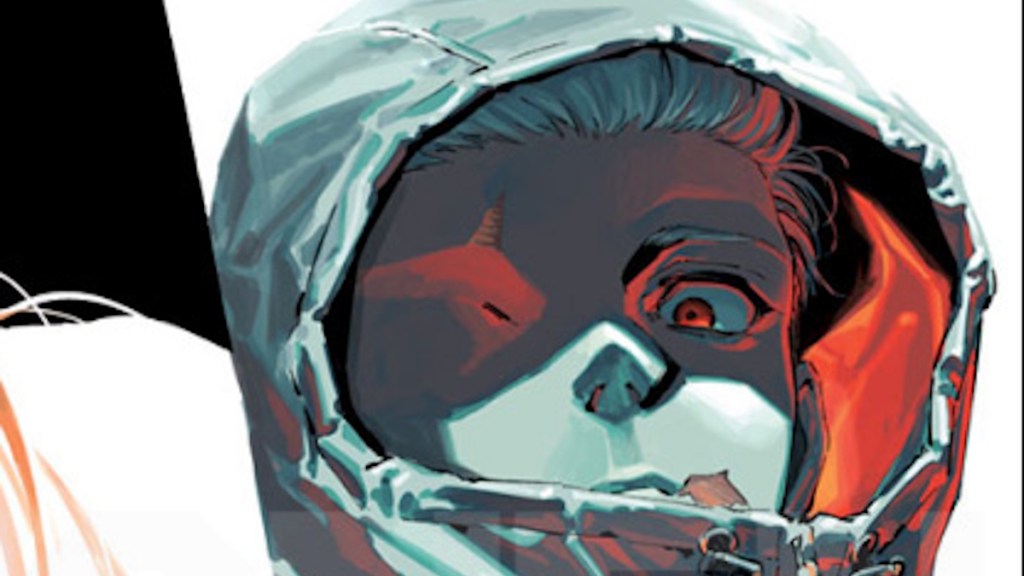
Yuji returns as an elderly sorcerer with extended lifespan traits. He’s the anchor of Modulo’s moral center and the visible successor to Gojo in reputation if not in method. You’ll see him moving pieces on the board — and asking for help from people you remember from the original run.
Is Yuji confirmed dead in JJK Modulo?
No — Yuji is alive and central to the plot. His longevity and role in rebuilding a world without cursed energy are explicit in Modulo’s pages and supported by references across official channels like Shonen Jump and MANGA Plus.
Nobara Kugisaki
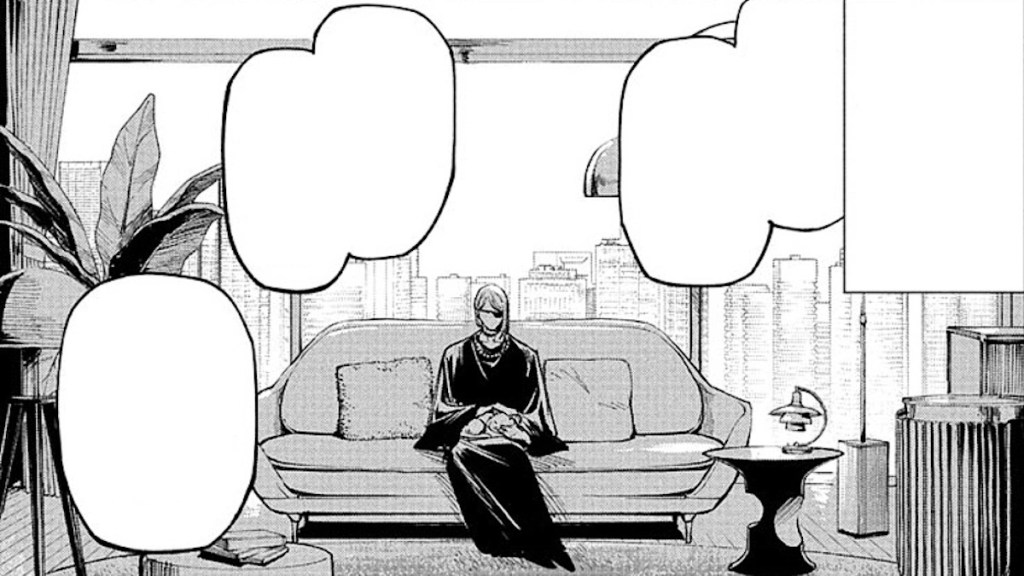
Nobara shows up as an investigator and an ally. She’s the one the association contacts about Yuji, and her presence is practical — she helps coordinate people and resources for what comes next.
Aoi Todo
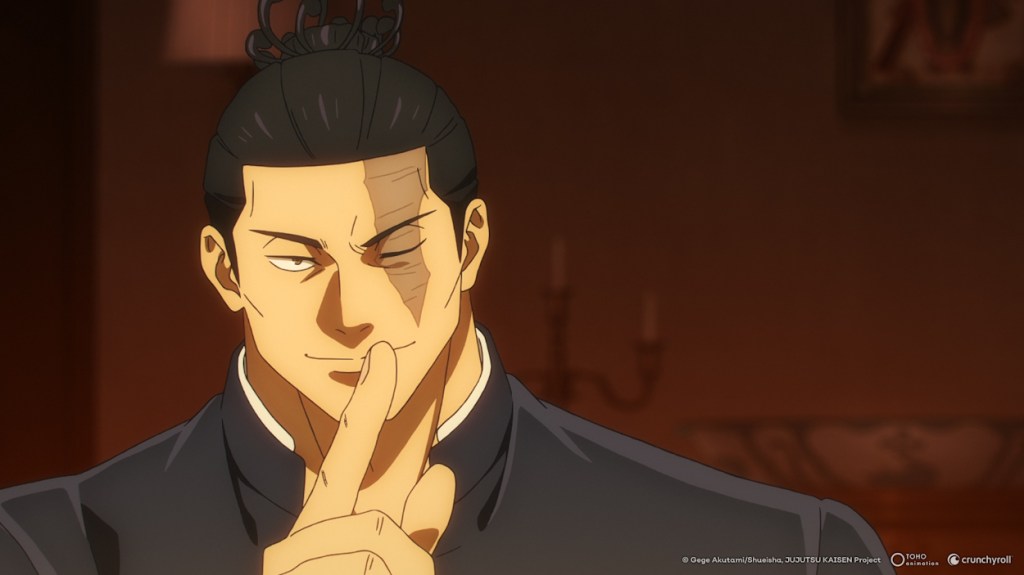
Todo is alive in his 80s and still reliable as a guardian figure. Nobara asks the association to contact him specifically — that tells you how the cast theorycrafts trust even decades later.
Panda

Panda returns late in the narrative, pulled from the Gojo family vault. His appearance signals alliances shifting into action — a familiar face ready to help enforce whatever Yuji plans next.
Ui Ui
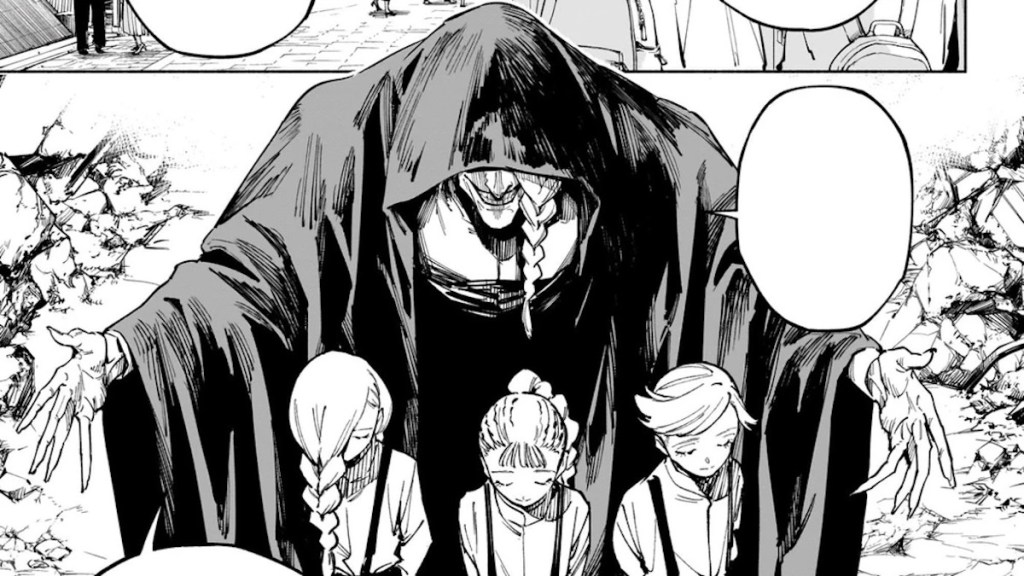
Ui Ui shows up under a disturbing arrangement: he appears to have taken Mei Mei’s body using Spatial Transference. He’s now head of the New Shadow Style academy and clearly relishes the revived violence at the center of the story.
Mahito

Mahito isn’t alive in the conventional way; he exists on the pathway of souls and confronts Yuji in a rematch orchestrated by Maru’s technique. After Yuji obliterates him, Mahito’s soul is used in the Ritual of Harmony — narratively dead and functionally neutralized.
Viewed together, Modulo reads like a rusted key turned in an old lock: familiar teeth, different mechanism, opening consequences rather than comforts.
Gege Akutami’s choices force a reallocation of emotional weight: some losses are meant to pass torch and pain both to a fresh cast; some absences exist simply to make you mourn. Did Akutami cut the right names and keep the right survivors? What do you think the next generation owes the dead?