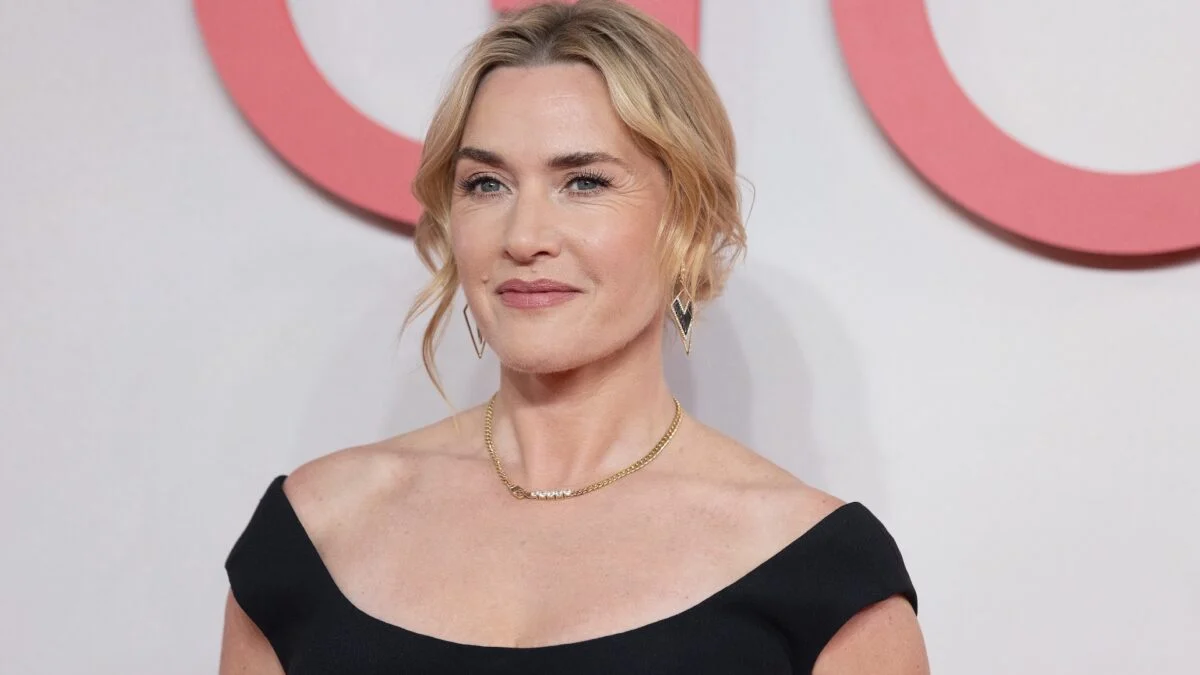
I was scrolling Deadline at 2 a.m. when one line stopped me cold. Kate Winslet is joining The Hunt for Gollum—and her casting is a bright comet across a sky most of us thought we’d already mapped. I want you to feel how that single sentence reroutes what you expect from Middle-earth.
I’m Ian McKellen’s return on record, Andy Serkis directing and stepping back into Gollum’s skin, and Elijah Wood coming home to Frodo. You and I both know that when those names line up, the stakes are different: this is not just another franchise entry, it’s a recalibration.
At my desk the press alert blinked — what we actually know about Winslet’s casting
Deadline broke the story; that matters. A scoop from a trade outlet signals both access and intent. All we have officially is: Winslet will play a primary female role, filming in New Zealand roughly May through October, with a December 2027 release window.
That phrasing is deliberate: “primary” could mean a newly written character like Tauriel in The Hobbit, a recast of an existing Tolkien figure, or an adaptation of a lesser-known legend from the appendices. Serkis directing gives her a guardian director and a peer who understands performance captured through motion tech. That’s an authority cue you should notice.
Who is Kate Winslet playing in The Hunt for Gollum?
Short answer: we don’t know. But read the breadcrumbs: Andy Serkis has creative control, Ian McKellen and Elijah Wood are confirmed, and the film centers on Aragorn’s search for Gollum during Fellowship of the Ring. If the script follows Tolkien closely, a female lead would likely be original to this adaptation—written to thread new emotional stakes through familiar events.
I’m betting—and this is informed guesswork based on casting patterns and Serkis’s priorities—that Winslet’s character will be built to reveal new facets of Aragorn or Gandalf’s choices. You should expect drama that reframes existing scenes rather than restaging them shot-for-shot.
On a rainy set in Wellington, rumors about Aragorn’s return swirled — the recast question
People asked about Viggo Mortensen almost immediately. That question matters because fans read return-to-form into any reunion of original leads. Mortensen’s participation would signal continuity at the highest level; his absence signals a creative reset.
Will Viggo Mortensen return as Aragorn?
Mortensen was hoped for, but industry whispers suggest a recast is likely. That’s not a failure—it’s a production choice. A new face can shift the story’s emotional center and allow Winslet’s role to occupy fresh narrative space without collapsing into the gravitational pull of the original trilogy.
On a map of Middle-earth fans mark New Zealand — production and what filming there implies
New Zealand is where the original films found their bones. Filming May through October positions the shoot to use the southern hemisphere’s winter light and controlled seasons for continuity with prior visuals.
Practical truth: filming there ties the film to a visual lineage that audiences instantly recognize. Serkis has said little about tone, but pairing Winslet’s dramatic heft with Serkis’s visual sensibility suggests a character-driven film that still honors the physicality of the original trilogy. The role’s secrecy is a sealed book on a library shelf, and that mystery sells oxygen to fan theories.
In a crowded fandom, what Winslet’s addition means for the franchise
At a convention panel you can feel the room tilt whenever a legacy name appears. That collective reaction maps to commercial and creative pressure.
If you follow Deadline, io9, or trades like Variety and The Hollywood Reporter, you’ll see the narrative already forming: prestige actors returning translates to awards-season ambitions and commercial seriousness. Serkis directing and voicing Gollum is both a comfort to purists and a signal to industry platforms—Amazon, Warner Bros., New Line—that the film is meant to matter beyond streaming algorithms.
I’m watching Winslet’s filmography and Serkis’s filmmaking choices like a cartographer marking new contours. You should be asking which scenes from Fellowship the team will reframe, and what emotional territory Winslet will be asked to own.
Speculate with me: is Winslet playing a catalyst who forces Gandalf and Aragorn to make different choices, or a new moral center that redefines Gollum’s pursuit? Which outcome would you prefer and why?