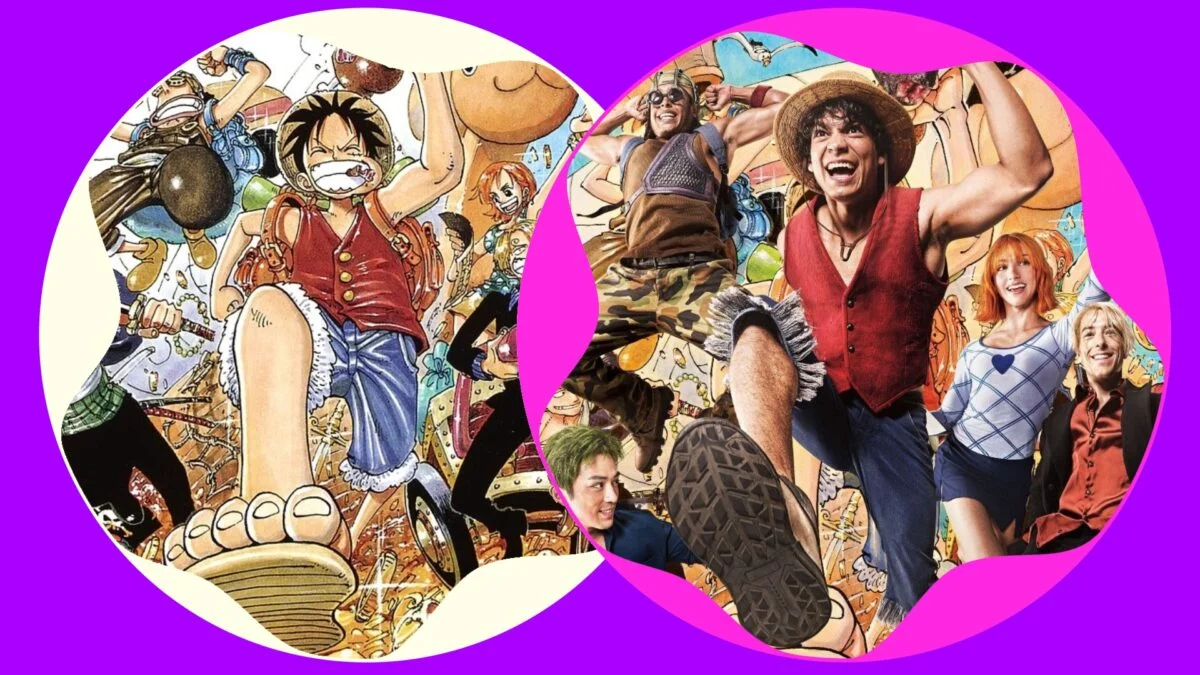
I was halfway through the season-two premiere when the living room went quiet. You leaned forward — everyone had noticed the same unexpected face. That hush flagged a larger truth: Netflix’s live-action One Piece is stretching its sails and making choices that will matter long after the credits roll.
I’m not here to sermonize. I’ve followed adaptations that worked and ones that collapsed under their own ambition, and I want to give you the clean thread: season two is doing two things at once — it’s feeding immediate fan hunger and quietly staking out a future path. You’ll see why those two impulses can feel like a promise and a contingency at the same time.
At a crowded watch party, a single cameo stopped the chatter.
The premiere’s opening scenes drop cameos — Sabo and Bartolomeo in Loguetown, an early hint of Brook — and that choice changes how you read every frame that follows. These aren’t stunt appearances; they’re surgical moves that recontextualize earlier episodes. When Sabo shows up where manga readers expect him hundreds of chapters later, the show rewrites temporal expectations: the world feels bigger now, and the past carries the weight of future payoffs.
The show is a map with routes penciled decades ahead — it lays out future destinations so first-time viewers get a sense of scale while fans nod at the prophecy. Bringing Bartolomeo into the Loguetown beat and giving him a direct clash with Buggy does more than fan-service: it converts a distant plot seed into an on-screen relationship that elevates the episode’s stakes.

How much of the One Piece manga will the live-action adapt?
Short answer: the show is picking the beats that make scenes feel complete on their own while sneaking in material that matters later. Producer Tomorrow Studios and creator Eiichiro Oda are co-writing the blueprint, so the adaptation isn’t improvising against the source; it’s sampling it. That means a scene can land as a satisfying set-piece for new viewers and still serve as a breadcrumb for long-term readers.
On press junkets, actors laugh until someone mentions a planned ending.
Cast interviews give away one small thrill: the creative team knows where this will stop. Zoro actor Mackenyu admitted on a podcast that Oda has a vision for the live-action’s terminus and that the core cast has been briefed. That remark changes the optics. When the originator of the world ties his signature to a TV endpoint, those early cameos read less like insurance and more like intentional scaffolding.
Oda’s fingerprints show up in the smart details: Crocus dropping the name Laughing Tale, Gol D. Roger’s private lines with Garp, statues of Nika and Loki suddenly framed in background shots. Those beats reward sustained attention and keep the fanbase engaged on two timelines: the present episodes and the long arc Oda still writes in the manga.
The series is a loaded safe, handing out small keys now — a casting choice here, a throwaway line there — so that if the show reaches its planned arc, the payoffs land with cinematic satisfaction.
Will Eiichiro Oda guide the live-action story?
Yes. Oda’s role goes beyond consultancy. Former co-showrunner Matt Owens and Tomorrow Studios have been explicit about collaborative work with Oda, and the cast’s comments back that up. That collaboration explains the show’s appetite for foreshadowing: it isn’t guesswork. It’s a writer who understands the endgame placing early board pieces where they’ll matter later.
On X threads and forums, fans argue over where to stop the voyage.
The leading theory among fans is the Return to Sabaody arc — a natural stopping point because it functions as a reset and a fork in the road. If the live-action ends there, it gives viewers a pause point where they can choose to continue in the manga or anime. That makes the Netflix show both a gateway and a complete season arc for newcomers.
Season two also tightens the show’s accessibility: it weaves in character context that the manga spreads out, so a first-time watcher doesn’t feel lost. That deliberate inclusion reduces friction for new audiences and raises the odds that someone who started on Netflix will cross over to the manga or anime remakes and spin-offs now arriving.
There’s a risk, of course: Netflix has a history of canceling series before they finish long plans, and the show’s careful foreshadowing can look like contingency planning. But you should also read it as respect for the material — Oda and the team are designing an experience that works on its own and rewards commitment.
I’ve followed adaptations that get greedy and those that respect pacing; I’m betting you’ll notice which one this is by how season three shapes its first act. Will Netflix let this version sail to Oda’s planned endpoint, or will it be cut short and leave fans arguing over what might have been?
This right here is what I’m talking about
This show has had the luck of having 20 years of source material to pull from. Little things like this are so satisfying. https://t.co/2wliyDgD6K
— Hernandy D. Morales (@hernandy_s) March 10, 2026