
I opened Minecraft on a Tuesday and the launcher flashed “pre-release” like a secret invitation. You could feel the small panic: what if every critter I’ve named suddenly looks different? I sat down and started tracking every change so you don’t have to scramble when the patch hits.
I follow Mojang’s notes, test pre-releases in Java Edition, and keep an eye on Bedrock behavior on Xbox and mobile — I’ll tell you what matters and what’s noise.
When is the Minecraft Tiny Takeover update releasing?
My game switched to a Tiny Takeover pre-release on March 10 — that’s the clearest real-world hint we have.
The update has no pinned launch date from Mojang or Microsoft yet, but pattern and timing point toward late March to early April. The pre-release status means the build is feature-complete and mostly hunting down bugs; the final drop depends on how many last-minute fixes appear. I’m watching Mojang’s bug tracker and the patch notes feed; when date gets set, players on Java Edition and Bedrock Edition will see it pushed through their usual channels.
When will Tiny Takeover launch?
Short answer: not locked in — expect late March or early April. The longer answer: if the pre-release stays stable, Mojang often issues the full release within one or two weeks. If critical bugs show up, that window stretches. Keep the launcher and your platform (Xbox Game Pass clients, PlayStation storefront, or mobile) ready.
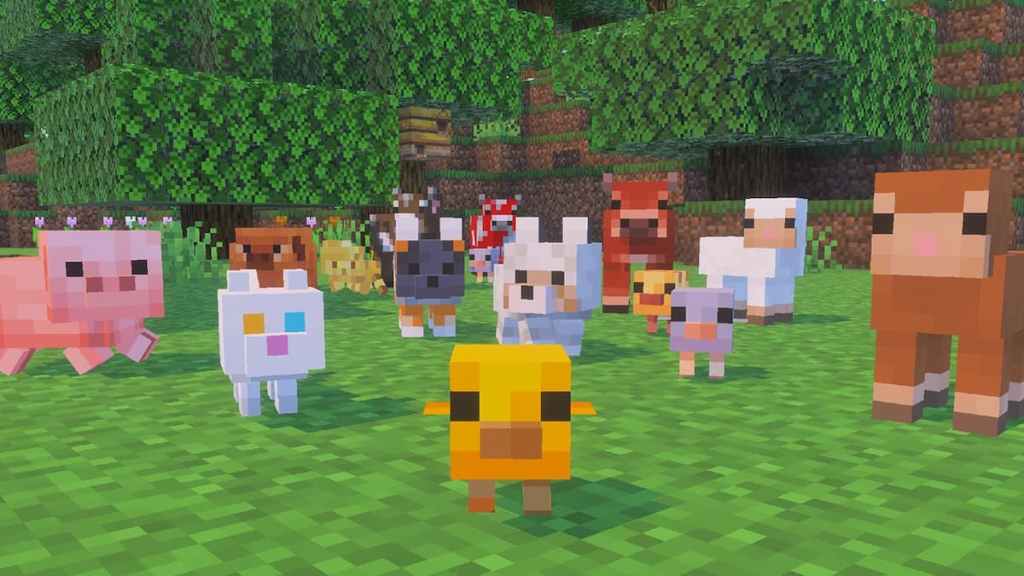
All Tiny Takeover features, in plain terms
On my survival world I noticed baby mobs popping into the world with new animations and sounds — that’s the update’s heartbeat.
The name says it: Tiny Takeover is about babies. More than 30 baby mob models have been added or overhauled across biomes and dimensions. The work spans peaceful farm animals to hostile Nether babies, and it’s not just cosmetic — new sounds, behaviors, and interactions landed too. This is a focused content push, the kind of change that reshapes how you build pens, boats, and traps.
What new baby mobs are included?
Here’s the quick roster you’ll meet while exploring oceans, forests, and the Nether:
- Farm babies: puppies, kittens, calves, piglets, chicks, lambs, ocelots, bunnies.
- Baby mounts: donkeys, mules, horses.
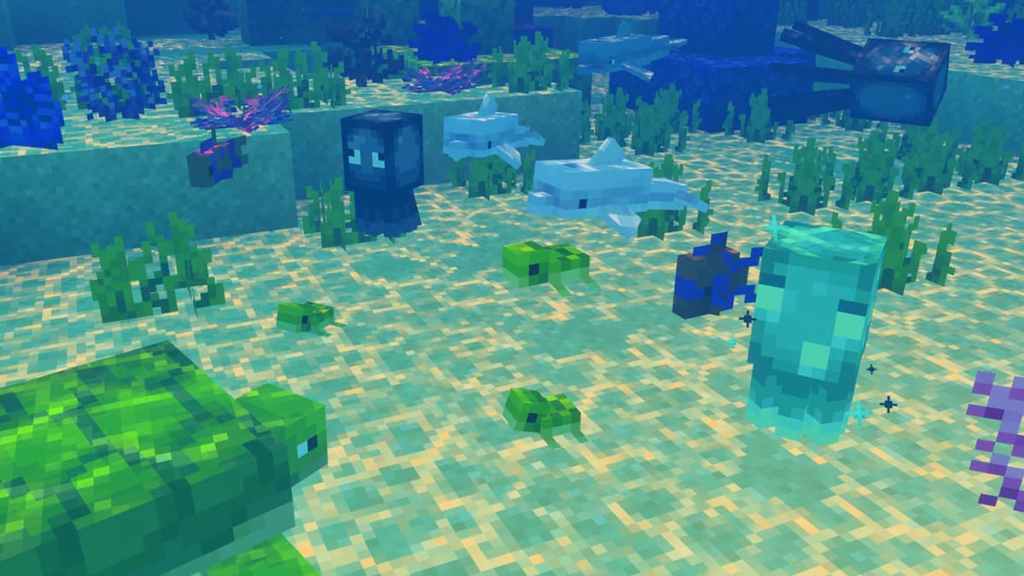
- Aquatic babies: axolotls, dolphins, squid, turtles.
- Wild babies: pandas, foxes, polar bears, bees, llamas, goats, armadillos, snifflets.
- Hostile/Nether babies: piglins, zombies, zombified piglins, zoglins, hoglins, zombie villagers, striders, husks, gurgles.
- Baby villagers have been added too, changing village dynamics.
How do I stop baby mobs from growing up?
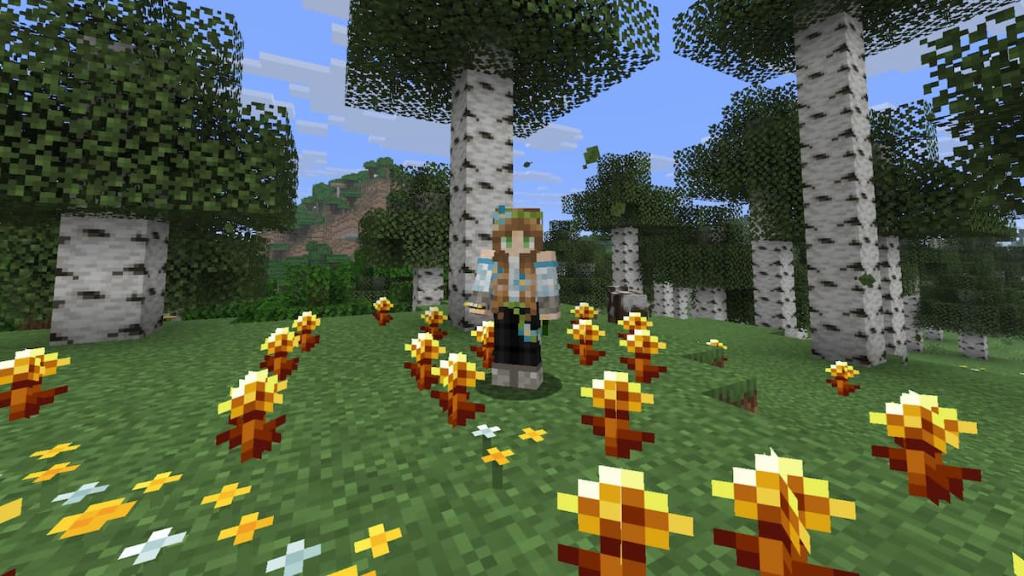
I tried this on both Java and Bedrock: feeding a Golden Dandelion keeps a baby from maturing.
New item: the Golden Dandelion. Feed it to any baby mob and they remain a baby permanently. Craft it with eight gold nuggets and one regular dandelion. That single change rewires breeding strategies for farms and roleplay setups — you can curate an army of permanent youngsters for aesthetics or mechanics.
How do I name my new mobs?
I used crafting and loot tables while testing: Name Tags are now craftable.
Previously, Name Tags were rare loot; now you can craft them with one paper and one nugget of any kind. That makes mass naming practical for streamers, creators, and anyone who treats a mob roster like a character list.
Smaller changes that change play
I noticed a trumpet sound in the nether hub and thought, “That’s new” — small things are packing personality.
- A new Trumpet note block arrives. Place copper under it at different oxidation levels to alter tones; this pairs with copper mechanics for creative audio work.
- Many baby mobs received fresh sound sets, and some adults (pigs, cows, cats, chickens) now spawn with varied sound personalities, adding micro-variation to worlds.
- Bedrock Edition gained parity: you can spawn baby mobs by using a spawn egg on an adult, a mechanic Java players already had.
Think of Tiny Takeover as a focused retouch: it’s like a nursery on fast-forward for mobs and, for builders and creators, like repainting a classic toy — familiar, but with new quirks that change how you interact with it.
If you want to be first to react when Mojang flips the release switch, follow Mojang Studios on Twitter, watch patch notes on the official site, and keep an eye on Moyens I/O and community testers on Twitch and YouTube. I’ll be monitoring the pre-release notes and reporting any last-minute blockers.
Which baby mob are you planning to hoard forever?