
The mission ends with a drone whirring back to life and a corridor full of corpses at your feet. You stare at the class wheel and feel the weight of the next run settle in your chest. One wrong pick and the run turns from satisfying to frustrating in ten seconds.
I’ve spent hours testing each class so you don’t have to. I’ll tell you what sings solo, what makes a team hum, and which choices feel wasted on the wrong map. Read this like a field briefing: quick, honest, and meant to save you time.
Complete John Carpenter’s Toxic Commando class tier list
I watched four players scrap through a mission and the difference between a smooth run and a slog came down to one class pick. Below I separate the roster into two tiers: the ones you should reach for first, and the ones that fit narrower roles.
- S-tier classes: These are the most forgiving and valuable across maps and group sizes. Their kit returns value even when build variety or RNG goes sideways.
- A-tier classes: Strong choices that demand more situational awareness or teamwork to shine. They reward practice and smart positioning.
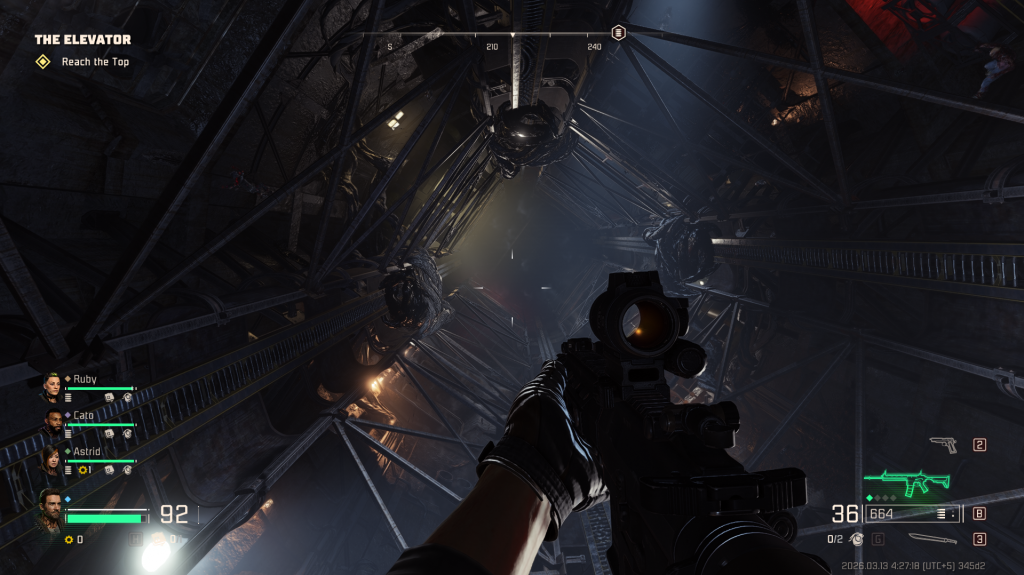
Which class is best for solo play?
If you’re running alone on Steam, PlayStation, or Xbox, you want solutions that don’t beg for a teammate to cover your blind spots.
What should I pick for team play?
When every slot matters in a four-player lobby, complementary roles beat raw carry potential every time.
S-tier
On a real run, the classes that keep you moving are the ones that let mistakes slide.
- The Operator: I lean on the Operator for most solo runs. Its battle drone is a relentless helper that you can spam because energy recovery is generous. Use your ability and the drone becomes a little rotating engine of pressure that forces enemies into bad positions. If you want a class that feels like reliable company, this is it — like a loyal attack dog at your heels, it keeps threats occupied while you handle objectives.
- The Defender: In groups this becomes the axis around which a team operates. The dome ability soaks hits and gives squads breathing room; Rupture and Aegis let you carve choke points. If your team needs someone to physically hold ground and bait engagement, this is the pick — like a moving fortress, it makes corridors safe enough to push through.
A-tier
I watched two Medics trade heals while a Strike flung fireballs; the run succeeded because they played to their strengths.
- The Medic: This class shines in squads. You can place a healing ring, then refine and reposition it as you level. At higher tiers you gain healing grenades and faster output. Solo it’s useful but limited; in a coordinated party the Medic keeps runs tight and repeatable.
- The Strike: A good starter if you’re learning how abilities interact with zombie AI. The Strike trades specialization for explosive variety: think fireballs and, later, a plasma cutter. It deals serious area damage but lacks sustained, direct firepower compared with other options, and rare weapons often do its job better.
Across PC and consoles the class meta is already forming: Operator carries solo, Defender shapes team play, Medic rewards coordination, and Strike teaches you how the game reads your explosions. I recommend trying each once in a short session on Steam or the console storefront to feel the rhythm yourself.
Want a quick pick for your next run? If you play alone, pick the Operator. If you value holding space for teammates, take the Defender. If you only queue with friends, the Medic will repay your loyalty; if you enjoy flashy explosives and experimentation, the Strike is fun but niche.
I’ve written this after dozens of runs and patch notes, testing builds on PC and controllers across PlayStation and Xbox — now which class will you lock into for your next toxic crawl?