
I dropped into Verdansk at midnight during lockdown, my headset a thread back to real people. You remember that feeling—the map became a living room where squads held court. Now Treyarch says it built a Blackout-inspired mode to “shatter the stagnation” of battle royale.
At a studio press event I watched designers point at a map and argue about movement
I heard Yale Miller, Treyarch’s director of production, say the new Black Ops Royale has been under iterative work for about a year and a half. That timeline matters: this wasn’t a knee-jerk nostalgia stunt slapped into Black Ops 7. It’s the product of concurrent development across teams that started sketching ideas back when Black Ops 6 was current.
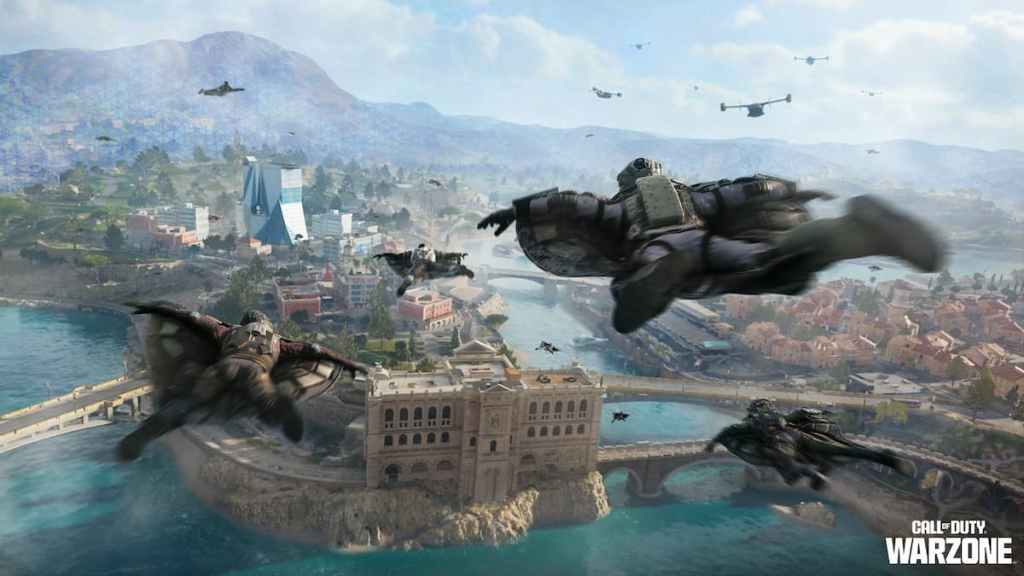
In a closed-door demo I watched players test a wingsuit and grapple across a canyon
The mode borrows clear Blackout DNA: wingsuit, Grappling Gun and a heavier focus on looting. Developers intentionally removed Loadouts so the playing field is less about who has spent the most time grinding and more about what you find on the map. For players who never leveled a weapon tree, that change is a relief.
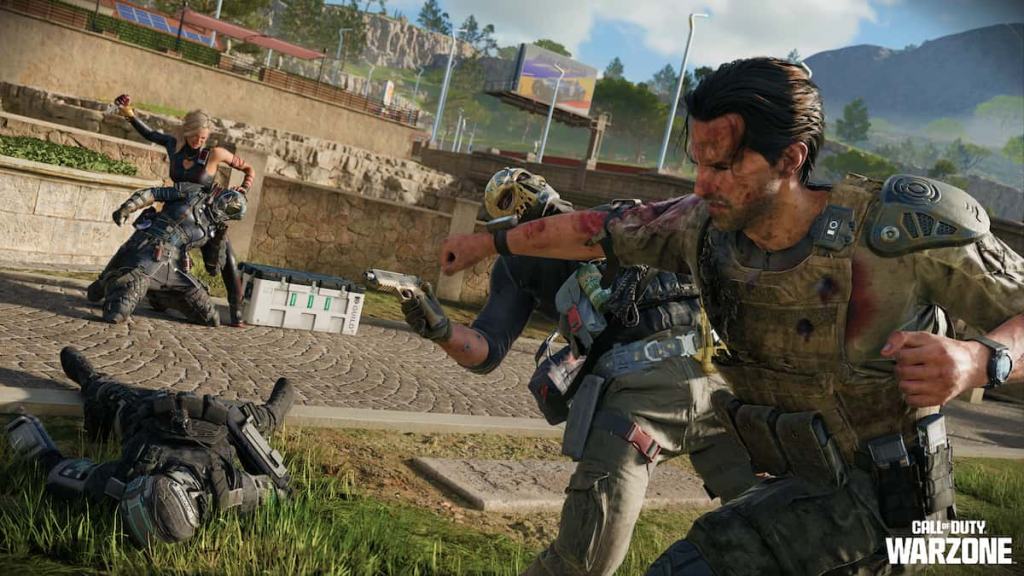
How long was Black Ops Royale in development?
Short answer: roughly a year and a half of active iteration, according to Treyarch. The long answer is messier: teams at Treyarch and Raven Software experimented with recreating 2018’s Blackout but found the old systems and engines didn’t translate cleanly to the Warzone platform. So they rebuilt the concept on modern tech and tested movement and loot flow until it felt right—less a remake and more a reimagining.
At a post-demo briefing a producer asked a roomful of journalists whether players would accept a loot-first BR
That question is the mode’s central gamble. Removing Loadouts privileges in-match scavenging over meta progression, and it changes how casual and hardcore players meet on the battlefield. The design is a deliberate nudge toward accessibility: you don’t need to have invested in every weapon to compete from match one.
Will my Warzone weapon blueprints work in Black Ops Royale?
That is the anxiety players brought up first. Pete Actipis, the Warzone game director, was blunt: the team wants to respect purchases, but the launch window doesn’t include full blueprint compatibility. If the mode attracts players and momentum builds, the devs said they’ll prioritize ways to honor previous purchases.
And yes, if you dropped real money—say $20 (€18)—on blueprints or cosmetics, you have a legitimate reason to expect better support going forward. The studio framed the initial rollout as phase one: observe, adjust, then invest more resources if the community reaction warrants it.
I tracked chatter across Discord channels and saw people split between excitement and skepticism
The community’s appetite will decide this mode’s fate. Treyarch has already mapped Avalon as the next primary BR map and plans updates through Season Three and beyond. If you want novelty—movement toys and looting tension—you’ll find it here. If you’re investment-minded about cosmetics, you’ll want clear signals from the devs on future compatibility.
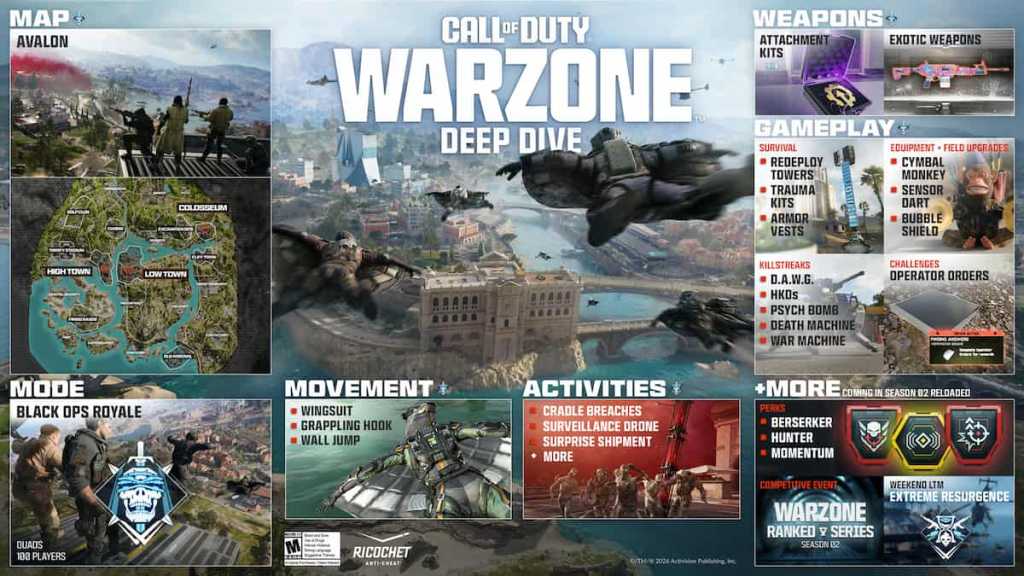
I tested a handful of matches and the mode landed with the odd tension of nostalgia and unfamiliarity: it felt like a wristwatch wound too tight—familiar ticks, but now faster. You can sense Treyarch and Raven Software balancing player trust against the technical reality of different engines and legacy systems.
If you play, you’ll judge quickly: does the looting loop reward risk or just prolong skirmishes? If you pay attention, your reaction will shape whether Avalon takes Verdansk’s place long-term. Which side are you on—hopeful for a fresh BR pace or protective of the items you already bought?