
I watched a friend close their laptop after a sweltering LA night and say, “I met three interesting people at that show.” You can feel Tinder trying to bridge the gap between a DM and a door—fast, tangible, messy. I want to walk you through where the app is betting its future and what that means for how you meet people.
At a downtown rooftop last Saturday, half the crowd had Tinder open — Tinder Introduces Real Life Events for Matchmaking
I’m not exaggerating: live events are the new acquisition channel. Tinder’s new Events tab is arriving in beta for Los Angeles users, and it’s built to move people from swiping to showing up.
The idea is simple and slightly brutal: find nearby events, RSVP solo or with a friend, then let the app surface attendees on your deck of profiles after the show ends. Tinder tried a campus pilot last year; Events is the same bet writ larger.
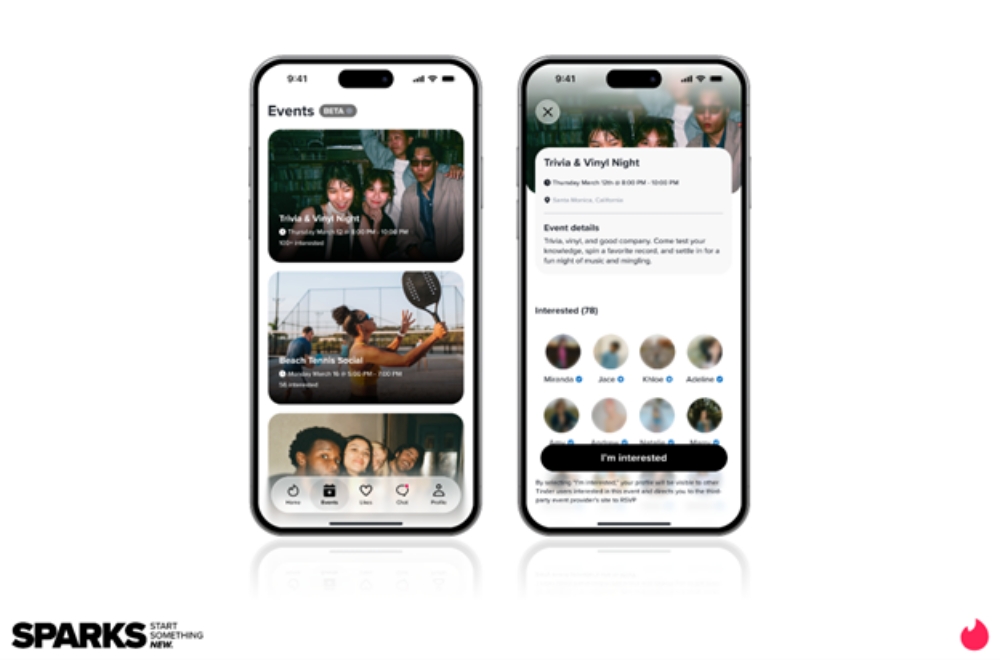
Tinder is also piloting a Speed Dating feature in LA: scheduled 3-minute video chats with the option to extend when chemistry sparks. To slip into that queue you’ll need a photo verification step, which raises the stakes—and lowers the catfish risk.
How does Tinder Events work?
It’s a two-act flow: discover events, attend, then swipe through people who were there. Think of it as a crowded cocktail party that hands you a name-tag and a pre-filtered guest list—the live moment creates context, and Tinder tries to bottle it.
At brunch, people answered personality questions like tiny confessionals — New AI Features Make Their Way on Tinder
I watched someone answer a string of prompts before they even opened the app’s match list. That behavior maps directly to Tinder’s new AI playbook.
Tinder’s Chemistry mode asks multiple questions and, if you allow it, scans your camera roll to infer lifestyle cues. The feature has been tested in Australia and New Zealand and is now rolling out in the U.S. and Canada. There’s also a Learning mode that uses early-session signals to surface better matches faster.
What is Tinder’s Chemistry mode and how does it work?
It combines question-driven profiling with optional photo analysis to suggest matches who might click with you. The app claims the more you share, the quicker it learns your preferences; the trade-off is privacy versus convenience.
These systems are essentially machine learning models refining recommendations over time. If you’ve used Spotify or Match Group products, the mechanics will feel familiar: data in, better matches out.
And yes—this is optional. Allowing camera-roll access feeds the model richer signals about your hobbies, friends, and travel patterns, which helps it suggest daily matches rather than random swipes.
Is Tinder’s AI safe?
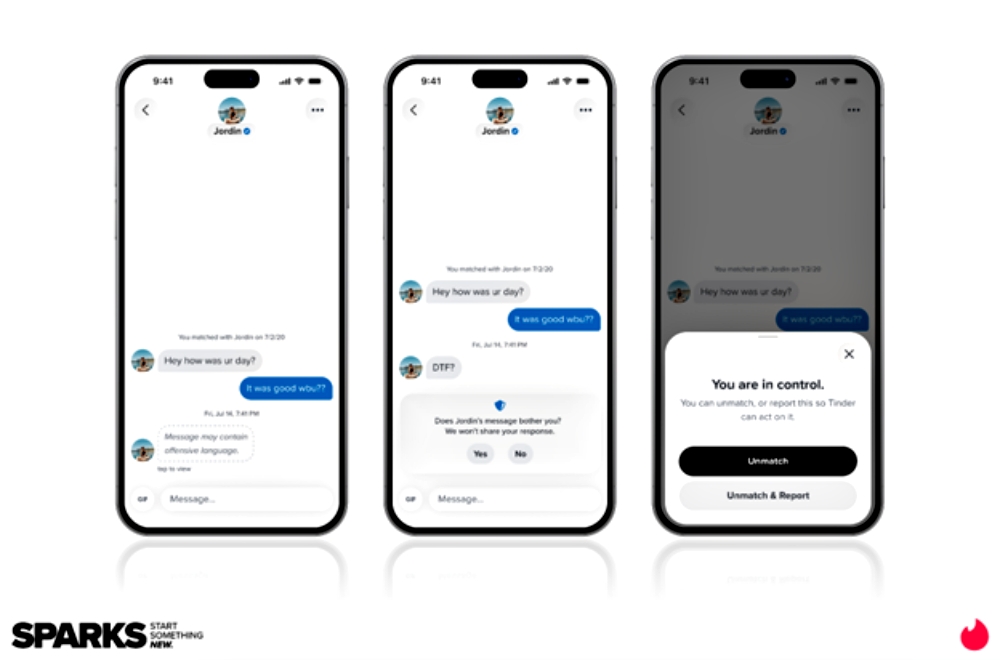
Tinder is adding guardrails: photo verification for speed-dating, an AI tool called Does This Bother You? that detects and auto-blurs harmful messages, and an “Are You Sure?” pop-up when conversations cross lines. Those controls are useful, but they don’t erase broader concerns about how long-photo histories and behavioral signals are stored or used.
At the coffee shop, two strangers argued over whether Mars rules dates — Find Your Perfect Match with Tinder’s Astrology Mode
If you scroll without judgment, you’ll see zodiac signs and playlists stacked like social proof. Tinder’s new Astrology Mode lets you add your birth data to surface Sun, Moon, and Rising matches. It’s live globally, alongside an upgraded Music mode that lets you add up to 20 songs from Spotify and prioritizes similar tastes.
Those features are paired with a visual refresh—Tinder’s Liquid Glass aesthetic—and a push to attract younger users, especially Gen Z. Match Group is clearly betting that social signals—music, astrology, live events—will keep people on the app longer.
I’ve told you what’s changing: live events and speed-dates, question-and-photo powered chemistry, a learning engine, astrology and richer music profiles, plus new safety nudges. You can treat these features as minor UX flourishes or the next attempt to make meeting in person feel less random.
One more thing: if you’re wary of AI reading your photo gallery, you aren’t alone. I recommend trying Chemistry mode with tight permissions first—see what it suggests, then widen access if the matches improve. The feature operates like a radio tuning into your favorite station, picking up clearer signals the more you let it listen.
So—are these additions a clever nudge back to real-life interaction, or a savvy grab for attention that will change how we date?