I slid a scratched disc into a scavenged player and expected nostalgia. Instead, a trailer smacked the room into silence and I felt something I hadn’t in years. You know that moment when a small thing rewires your memory—this was it.
I’m telling you this because you’ve probably felt the same rush—when a 30-second montage promises the kind of transcendence that shapes weekend arguments and Twitter takes. You expect the film to follow, and sometimes it doesn’t. Sometimes the trailer is a lightning bolt, and the movie that follows is a carefully built clock.
We found a dusty box set on a street shelf and popped it in; the trailer stole the night.
I grew up on Dragon Ball Z fight recaps and beat-for-beat retellings, so I thought I could predict what would land. Instead, the preview for Origin: Spirits of the Past hit like a promise—lush art, ominous narration, and a mood that managed to feel sacred. That short teaser created a high my brain chased through the entire runtime.
The opening sequence looks like a cinematic RPG cutscene; it does not waste a frame.
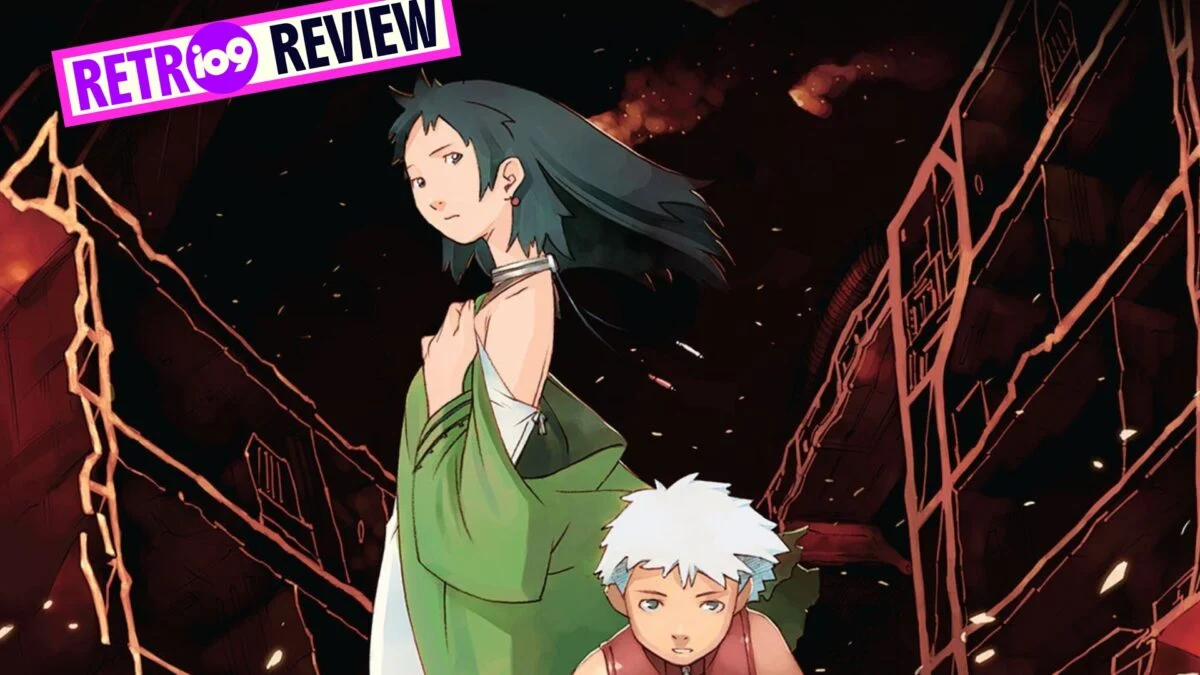
The film opens with a seed stirring, a moon cracking, and plant-creatures falling from the sky. For 90 minutes, Gonzo’s animation throws everything at you—2D and 3D braided together, composited backgrounds that feel hand-painted, and designs that could’ve been ripped from a rejected concept art book for Final Fantasy VII or Xenoblade Chronicles. The visuals are a cathedral of color, and the effect is immediate: your pupils widen and your mental catalog of “cool things” gets rearranged.
Why do anime trailers look better than the actual film?
Trailers are curated promises. They distill the peak beats—striking visuals, a hook in the first five seconds, and an audio cue that burrows into you. Studios like Funimation and platforms such as Crunchyroll lean on that recipe because short clips are designed to trigger algorithms on YouTube and social feeds. When a trailer compresses the film’s best moments, your expectations become a map that the full work must follow. Often, the movie expands on ideas the trailer only grazed, and pacing or exposition breaks the spell the teaser cast.
I met Toola and Agito in a setting that felt assembled from JRPG tropes; the film knows its influences.
The plot is very JRPG: a cryo-survivor, a boy from a neutral settlement, militant Ragna mechs, and sentient forest humans. If you enjoy archetypes—armored heroines, world-ending prophecies, melodramatic villains—this scratches that itch. The drawback is predictability. Story beats that read as “classic” can flatten the emotional stakes for viewers who came for the trailer’s mystery rather than the genre checklist.
Is Origin: Spirits of the Past worth watching?
If you care about atmosphere, soundtrack, and visuals, yes. The narrative has holes and a lukewarm love triangle, but the film succeeds as an aesthetic and sonic experience. Taku Iwasaki’s score and Kokia’s theme song lift moments into near-ecstasy; I found myself replaying pieces on YouTube afterward. If you’re judging by story alone, the verdict is mixed. If you’re judging by how it makes you feel in the moment, it’s often rewarding.
My friend watched with me expecting a retro rush; the soundtrack became the real hook.
The music tightens the trailer-to-film gap. Iwasaki’s textures—video game-era orchestration mixed with electro washes—match the visual tone so well that the film’s weaker plot points blur. That theme by Kokia is haunting enough to rewire memory: it catches in your chest and carries you back to other anime scores that shaped you.
Trailers build a promise economy on platforms that reward immediacy.
On YouTube and social platforms, a single frame can make an algorithmic bet that pays off in clicks. Studios create teasers to be shareable, GIF-able, and thumb-stopping. Sometimes the movie spends the rest of its time repaying that promise with scaffolding—explanetory scenes, worldbuilding, and character work that trailers skip. You end up comparing the full narrative to an edited highlight reel, and few films survive that comparison untouched.
Where can I stream Origin: Spirits of the Past?
The film is available on Crunchyroll. If you prefer physical media nostalgia, I watched a friend’s seasons 1–2 box set of another series on a scavenged VCR/DVD player, which is part of why the trailer felt so strange—caught between old-media ritual and modern streaming polish.
I still recommend watching the trailer and the film—but for different reasons.
Watch the trailer for the immediate sensory rush. Watch the film if you want to sit with visuals and a composer’s mood work. If you’re a fan of Gonzo’s animation or want to follow Taku Iwasaki’s catalog, this is a useful stop on the list. If your patience for plot holes is short, temper your expectations.
Trailers can seduce you into a feeling; movies ask you to stay with the work. Which side are you on—are you chasing the flash or staying for the whole story?