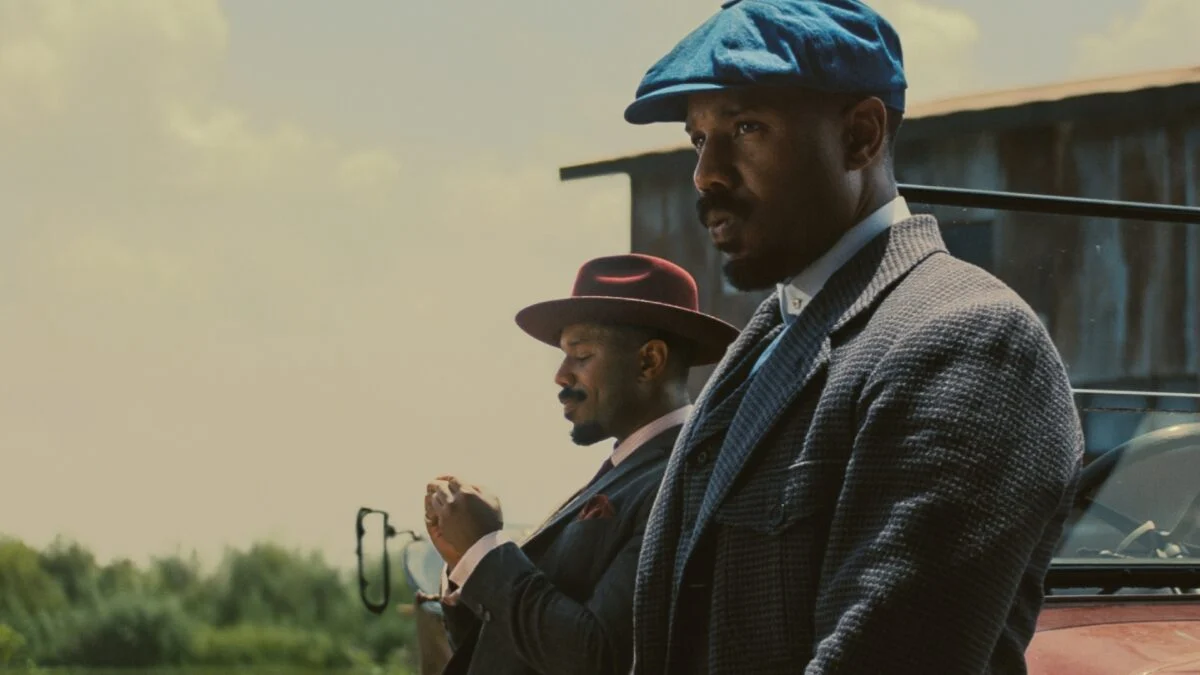
Light pooled on the stage like a silent drumbeat. When they said Michael B. Jordan, the room folded inward and a dozen old predictions quietly unraveled. I sat forward, and you could feel the air change—this was one of those moments that rewrites how awards season reads.
Red carpet cameras flashed, then paused — Why this feels different tonight
I’ve covered awards nights long enough to tell the body language from bluster. You could see it in Jordan’s acceptance: a calm sharpened by history and craft. His win for Sinners didn’t arrive from nowhere; it rode a season of momentum that included the Screen Actors Guild handing him its top acting prize and a campaign that leaned into the film’s oddball courage.
Did Michael B. Jordan win the Oscar for Best Actor?
Yes. Jordan took home Best Actor for playing twin brothers Smoke and Stack in Ryan Coogler’s Sinners. He beat out heavy favorites—Timothée Chalamet for Marty Supreme, Leonardo DiCaprio for One Battle After Another, Ethan Hawke for Blue Moon, and Wagner Moura for The Secret Agent. The SAG victory was the clearest sign he had the voters’ attention, and the Academy followed.
Limos idled outside the theater while pundits set up — What this win rewrites about genre and craft
Horror rarely gets this kind of universal recognition. You can count the clear precedents—The Silence of the Lambs remains the most recent horror-leaning film to take major awards—and that fact makes Jordan’s victory feel like a small tectonic shift. He didn’t win for a crowd-pleasing drama or a glossy biopic; he won for a film that folds Southern juke-joint myth into vampire horror under Ryan Coogler’s direction.
Jordan’s achievement carries two other beats worth noting. First, genre films usually wrestle for credibility in the Academy voting rooms. Second, actors who play multiple roles rarely receive the same kind of singular praise—the Academy has a long history of treating dual turns as novelty. Jordan’s two turns braided into a single, living thing — a double helix of grief and bravado.
What is Sinners about?
Sinners follows Smoke and Stack, twin brothers with a dream to open a juke joint who find their plans undone by a swarm of vampires. The film blends horror tropes with Southern music tradition, and Ryan Coogler stages it with the same muscular sympathy he brought to Fruitvale Station, the Creed films, and Black Panther. Critics and trade outlets from Variety to The Hollywood Reporter flagged Jordan’s work as the heart of the movie, and awards voters listened.
A row of statuettes glinted on a table — How the Academy responded to a record-setting film
Sinners came into the night with a record 16 Oscar nominations, including Best Director for Ryan Coogler and Best Picture. That slate changes the dynamics of awards season: a film perceived as both an artistic triumph and a commercial success becomes harder for voters to ignore. Studios and PR teams—think brands like Searchlight, A24, or Warner Bros.—watch those numbers like weather charts; nominations summon conversations, and conversations steer campaigns.
Jordan’s career arc helps explain voter confidence. You and I can trace him from The Wire and Friday Night Lights through Fruitvale Station, the Creed trilogy, and blockbuster work in the Black Panther films. He’s been taught by strong directors, most notably Ryan Coogler, and he’s balanced indie chops with marquee bankability. That combination makes him both an artists’ pick and a safe Academy choice.
How many Oscars did Sinners receive?
The film’s 16 nominations were the headline. Tonight it converted several of those into wins, and Jordan’s Best Actor is the standout. The final tally will read in trade coverage and awards trackers on platforms like IMDb, Rotten Tomatoes, and The Hollywood Reporter; for industry strategists watching campaigns on tools such as Gold Derby or Variety’s awards tracker, the narrative is already clear: Coogler and his team built a campaign that translated curiosity into votes.
I’ll say this plainly: you can read Jordan’s victory as a single actor’s moment or as an argument that genre and bold performance choices deserve equal billing. Which reading do you think will stick and shape next year’s campaigns?