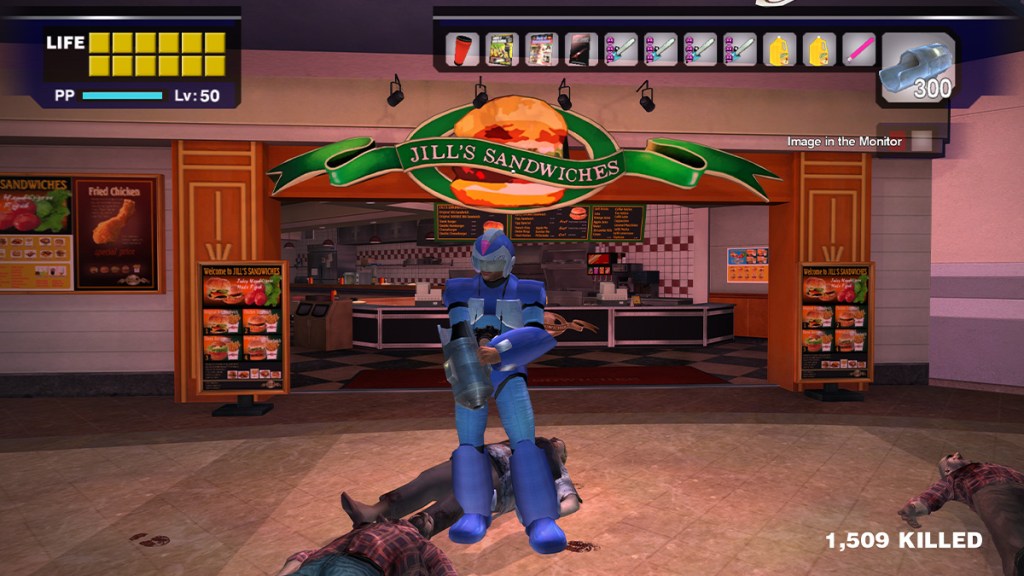
I was crouched in a rusted corridor, shotgun cold against my palm, when my partner deadpanned about a “Jill Sandwich.” You laughed, then stopped—because the same game that made your skin crawl also made you snort. I want you to remember that tension and the laugh at the same time.
I’ve followed this series long enough to tell you where it changed: Resident Evil stopped winking. The modern games—especially the smart, claustrophobic reset of Resident Evil 7—took horror seriously and tightened every screw. That was the right call for scariness, but it also buried a rich, accidental tradition of comedy that used to cushion the fear.
The best feature in Resident Evil Director’s Cut was the laughs
You still find old discs and bargain bins with the Director’s Cut sticker, which tells you someone once thought reworking the game would sell. That reissue did more than patch levels and add modes: it left one of the franchise’s most ridiculous gifts intact—a soundtrack so wrong it loops in your head.
The original had unintentional comic rhythms—lines delivered with the dead seriousness of a training video. Barry rescuing Jill from a near-crushing is one of horror’s tightest beats, and then he says “Jill Sandwich.” The effect was immediate: a release valve that got repeated, memed, and referenced across Capcom’s catalog (hello, Dead Rising’s nod). That line became a cultural SNL-style punchline and a memory anchor for longtime fans.
Part of the magic was how it happened. The actors, including names you may recognize—D.C. Douglas and others—later explained that the crew behind the English takes didn’t have a full grasp of the tone they were delivering. Some performers didn’t even know they were lending voices to a horror title; directors picked what sounded “cool” to Japanese ears. The result was dissonance that transformed dread into an accidental punchline.
Why is Resident Evil 1’s voice acting so bad?
Because the production treated English lines as an export layer, not a tonal instrument. When localizers choose takes for their foreign-market charisma rather than emotional fit, you get gloriously awkward gems instead of matched performance.
The Director’s Cut also ushered in an odd musical chapter. Capcom credited a “legendary” composer, Mamoru Samuragochi, and the tracks landed with the emotional subtlety of a kazoo in a cathedral. Later revelations—about him not being deaf and allegations he wasn’t composing the pieces—added a meta-layer of farce to the soundtrack’s cult status.
Even Resident Evil’s revival kept things pretty funny
I’ve watched rooms full of adults crack up at lines meant to terrify. That’s a real observation: modern entries kept the spine but not the gentle absurdity of the old scripts.
Resident Evil 4 rebuilt the series around swagger and pace, but Leon’s dry quips—asking whether the villagers had “gone to bingo”—slid into dad-joke territory in the middle of carnage. The delivery, timing, and occasional bug made for moments that read as comedy gold. At its best, the old series balanced dread and a wink; it was a sitcom laugh track in a house of horrors.
Then there are the glorious glitches: Ashley taking on Leon’s moveset and body-slamming enemies is a perfect, unplanned joke that only games can write. Sequences like Leon abandoning the mission because he becomes a one-man jet ski and Chris summoning an anime-powered Shoryuken to move a boulder are bonafide comedic beats—intended or not—that kept players talking years later.
Even when Capcom tried to be earnest—Resident Evil 5 wants gravitas—the moment of Chris pounding a boulder until he punches it out of the way reads as a cartoon payoff. Those endings showed that the series’ DNA allowed for both dread and cracking smiles; sometimes the latter arrived uninvited, like a whoopee cushion at a funeral.
Was Resident Evil meant to be funny?
Not intentionally in most cases. The humor came from tone mismatch, translation choices, and the limits of early development. But the repeated human reaction—tension followed by nervous laughter—proved the franchise had an accidental comic rhythm that fans cherished.
The funny moments didn’t make the horror weaker; they created texture. They let you breathe between scares, memorize lines, and return for the punchline. That interplay is part of why fans still trade clips on YouTube and why references show up in other Capcom titles.
What is the “Jill Sandwich” reference?
It’s the literal line Barry utters after saving Jill from being crushed—an offbeat, awkward metaphor that stuck. It became shorthand for the series’ early tonal misfires and a favorite Easter egg to nod at in later games and spin-offs.
If you care about the series’ evolution, you can trace Capcom’s choices back through localization decisions, composer scandals, and the rise of modern horror design. Platforms like YouTube and Steam made rediscovery easy; fans and critics use interviews—Retrovolve, industry voices, and veteran actors—to piece together how those goofy moments survived and even thrived.
I’ll admit: I miss the accidental charm. But I also appreciate the craft and grit of the new games, and the memory of those jokes keeps the franchise human. Do you think Resident Evil should let a little of that old humor back in, or should it keep aiming only for pure fear?