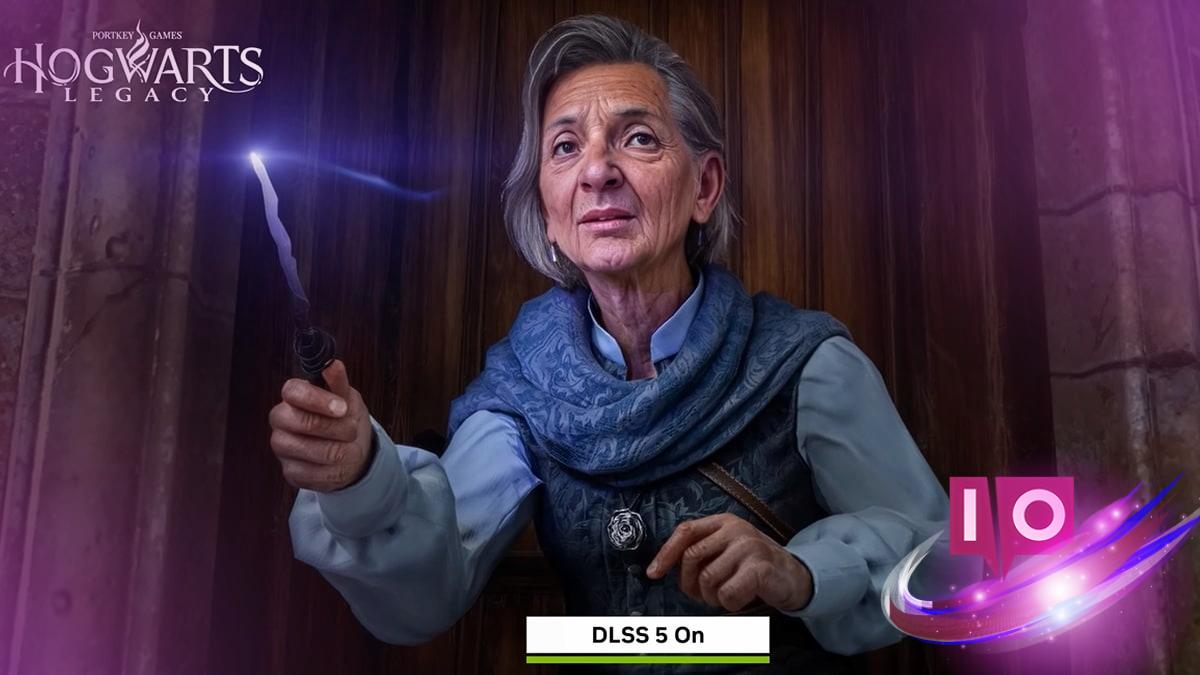
I was watching a recording when the chat went still—silence louder than applause. A Capcom developer on camera blinked, then shrugged, as the frame changed into something unrecognizable. You could feel the moment: a product reveal that belonged more to marketing than to the teams that made the games.
I’ve followed GPU rollouts for years, and I’ll say this plainly: when platform owners start shipping features developers didn’t sign off on, you should be suspicious—because you’re the one who will feel the fallout.
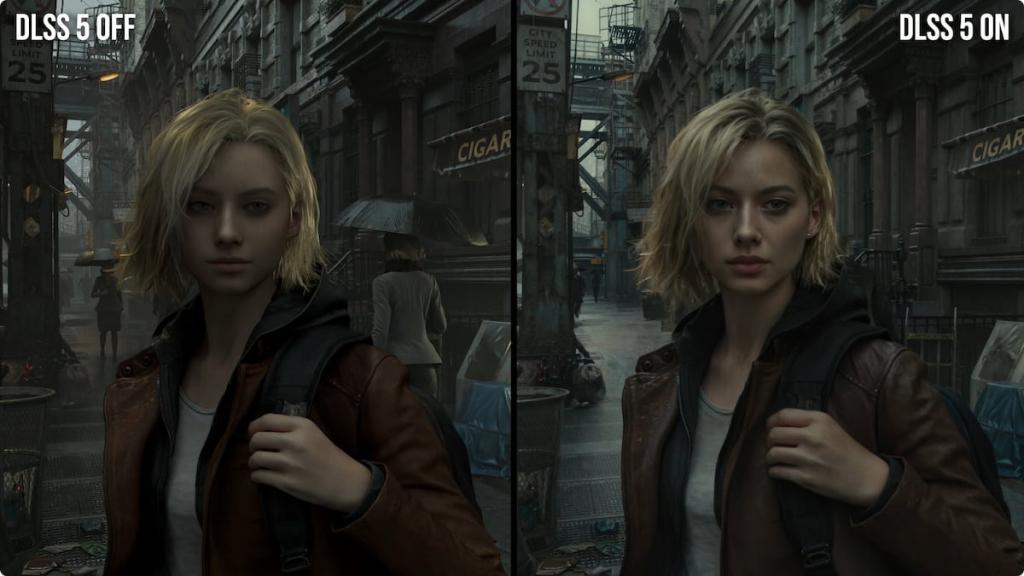
At the DLSS 5 reveal, developers said they found out at the same time as the public.
That line—“we found out at the same time as everyone else”—isn’t bureaucracy theater. It’s a sign that Nvidia rolled a showcase that included Capcom, Ubisoft and others as logos on a slide, not as collaborators in the code. I’ve spoken to sources inside studios: people who expect to vet tech before it touches their art were blindsided.
What is DLSS 5?
DLSS 5 is Nvidia’s next-generation follow-up to its long-running upscaler, DLSS, but it shifts into generative AI territory—adding new lighting and detail synthesis on top of upscaling. Where DLSS once focused on rendering a frame at lower cost and reconstructing pixels, DLSS 5 layers in generative fills that can change textures, faces, and lighting.
In Capcom’s hallway conversations, staff were openly worried about AI bending their IP rules.
Capcom has a history of cautious AI policy—projects such as Resident Evil Requiem signaled real hesitance—and the studio’s internal reaction to DLSS 5 was alarm. Developers told me the announcement was “particularly shocking.” You don’t need to be inside the studio to guess why: when AI starts inventing visual elements for a character, the line between enhancement and alteration thins.
Why are developers upset about DLSS 5?
Because DLSS 5 doesn’t just sharpen or upscale. It invents. Studios fear it will rewrite authored visuals without consent, erode brand control, and normalize a workflow where an external vendor’s neural nets make artistic choices. That’s a commercial and creative risk—especially for franchises where every character model and lighting cue is guarded.
At the demo, the system demanded enormous hardware to run in real time.
Nvidia’s showcase required what amounted to two GeForce RTX 5090s to demo the full effect, an ask that turns a feature demo into a badge of exclusivity. Jensen Huang defended the approach, saying this is the direction Nvidia wants to push; he also underscored the industry’s stakes—AI contributes to a platform economy that helps fuel Nvidia’s reported $1 trillion (€930 billion) valuation interests.
That hardware requirement puts smaller studios and indie teams in a bind: either accept a binary—support the expensive path or miss the marketing train—or retain creative control but surrender the exposure Nvidia can deliver.
Can developers opt out of DLSS 5?
Short answer: yes, technically—studios can refuse integration. In practice, the pressure comes from platform-level showcases, marketing deals, and the halo effect of being on a tech partner’s stage. When a publisher sees a big partner reel, they start asking studios to add the badge. If you’re a developer, you’re weighing technical work, QA headaches, and the risk that the AI will alter what you shipped.
At the intersection of marketing and tech, brand names start to mean less.
Nvidia branded this DLSS 5, rebooting a trusted name into something that, to many fans, looks like a filter. To echo players online: calling generative enhancements “DLSS” is confusing at best and misleading at worst. The result feels like a Photoshop filter gone rogue—an applied fix that changes the face of the thing you thought you were buying into.
AMD’s FSR exists because the market demanded alternatives—FPS and choice—but DLSS 5’s move into generative space is different. It isn’t just competing on frame rate; it’s competing on how a game looks, sometimes without the developer’s stamp on that choice.
I want you to notice two dynamics here: one is technical (hardware and performance cost), the other is cultural (artistic ownership and trust). When platform owners chase flashy demos, studios and players get squeezed between capability and control.
For anyone tracking Nvidia, AMD, Capcom, Ubisoft, or figures like Jensen Huang, this is more than a product argument—it’s a policy argument about who gets to define a game’s final image. Are we okay letting a GPU vendor rewrite our visuals if it runs faster, or does that cross an invisible line?
Think of DLSS 5 as a Trojan horse: it arrives as performance help but carries a cargo of creative choices that studios may not have ordered. If you were on the inside, what would you insist on before letting generative tech touch your work?