
I was three matches into a late-night grind when the stack I queued with started trading wins like currency. One teammate typed “carry pls” and everyone rolled their eyes, because climbing in Rivals has become a contact sport. I watched a high-elo player ride someone else’s rank like a referee flipping a coin.
I write about competitive games enough to know when rules are performative and when they actually shift the playing field. You want the facts, what changes, and the tactical choices that follow — so I’ll walk you through the new Competitive tweaks in Marvel Rivals Season 7 and what they mean for your queue, your draft, and your mental health as a grinder.
I watched a stack of four queue together — Marvel Rivals Season 7 Competitive Changes Explained
NetEase didn’t change the rank ladder itself. What they did was alter the scaffolding around it: placement weighting, bans, and maps. Those three moves are targeted at one thing — stopping rank inflation from full-stacks and boost tactics.
How do placement matches work in Marvel Rivals?
Placement matches now track your individual performance across ten games, not your teammates’ carry. After those ten, the system will adjust your Competitive Points by a maximum of ±100 based on how you played relative to your starting tier.
Practically speaking: play poorly across the ten, and you can drop a division. Perform well and you earn a one-division bonus. The ceiling is deliberately modest — NetEase limited the swing to one division so a single hot streak or cold streak doesn’t rewrite your season overnight.
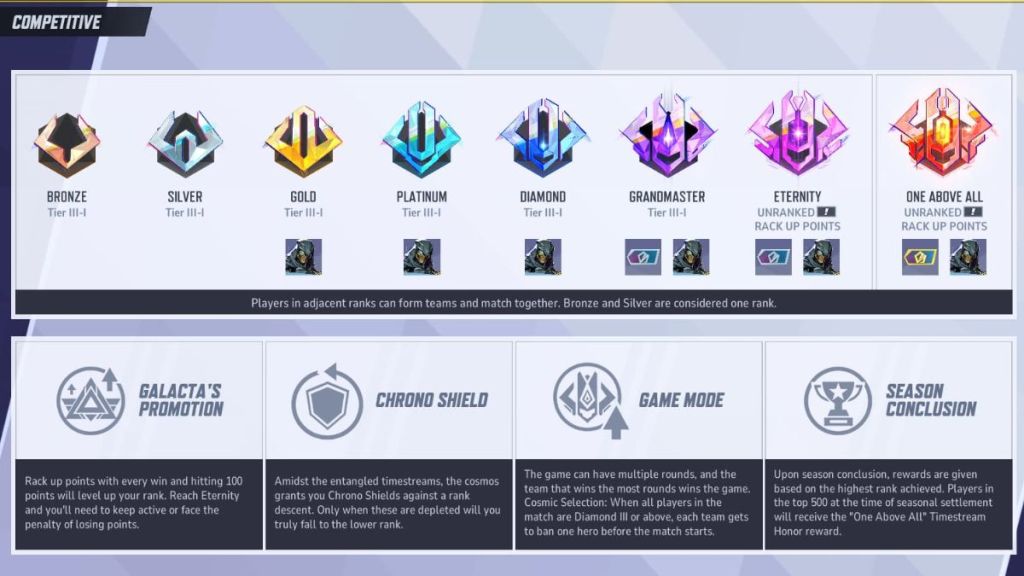
Why this matters: the placement change ties rank movement to personal contribution metrics rather than party composition. If you stream on Twitch or upload clips to YouTube, expect more authentic ladders and fewer dubious “boost” highlights. If you run scrims through tools like Discord or use third-party stat trackers, the new system rewards consistent, solo-impact play.
I noticed the draft felt longer than usual — Ban Phase Updates
NetEase expanded the ban phase to three bans per side (up from two) and trimmed each ban timer to 15 seconds (was 20). That’s a nudge toward faster draft pace with slightly deeper strategy: you lose one more pick, but you spend less time staring at the clock.
How many heroes can be banned in Competitive mode?
Three bans per team now. The extra ban increases the draft’s rock-paper-scissors tension: counter-picking matters more, and hero pools with narrow counters will suffer. It also rewards teams who prepare flexible comps rather than lock into a single star carry.
The ban changes make the draft feel a pressure-cooker — tighter windows, sharper choices, and more value on quick read-and-block decisions. Expect coaches and analysts (the kind who post breakdowns on Reddit or run demos for ESL-style tournaments) to focus on optimal ban targets and second-order counters.
I saw chat light up when Shin-Shibuya popped back in — Map Pool Changes
Tokyo 2099: Shin-Shibuya returns to Competitive rotation after fan demand. NetEase listened: this map has structure and sightlines players repeatedly asked for.
Season 7 also introduces a Convergence map called Lower Manhattan, set to release on April 3. If you play on Steam or mobile, consider queuing the new map in normals a few times before taking it into ranked to learn flank routes and sightlines.
Maps and bans change how you build your comfort pool. If you main a hero who thrives in verticality, map rotation can make or break your climb; if you’re a flex who practices across platforms like Xbox and PlayStation, these shifts reward wider readiness.
NetEase’s combination of placement accountability, an expanded ban phase, and curated map updates is designed to reduce Elo loopholes and raise the cost of coaching a carry to victory. I’ll be watching how pro teams adapt their drafts on stream and whether third-party stat sites update their ranking heatmaps to reflect the new rules.
You planning to adjust your queue strategy or keep the same hero pool this season?