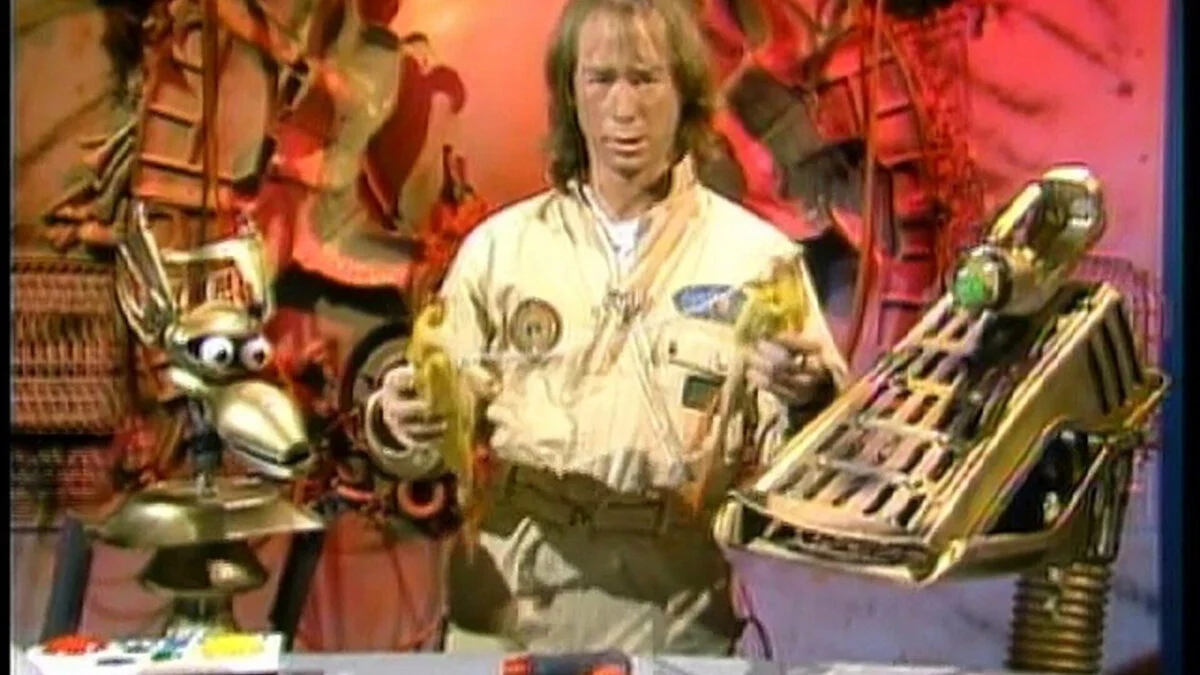
I was crouched over a folding table at a Minneapolis garage sale when the tape stuck out at me like an accident you can’t ignore. My pulse thudded when I read the scrawl: “MST3K KTMA.” Someone else might have skimmed past, but I bought it on the spot and begged a friend to digitize it that night.
What turned up on YouTube is K03, also known as Star Force: Alien Fugitive II — one of the very earliest Mystery Science Theater 3000 episodes, recorded during the KTMA era in 1988. The episode is a stitched-together edit of segments from the Japanese sci-fi series Star Wolf. The clip’s arrival matters because the show’s creators never had clear legal control of all their KTMA tapes, and many fans have wanted a full picture of those first, scrappy seasons. I’ve been watching fandom threads on Reddit and coverage from outlets like The A.V. Club, and the reaction is part delight, part archival glee.
A dusty VHS at a garage sale stopped a morning in Minneapolis
Someone had written “MST3K KTMA” on the tape’s spine and left it among broken lamps and Tupperware. That small, private moment of finding a tape is how lost media returns to public life: a single person keeping something other people thought gone.
The lost MST3K episode, cataloged as K03, dates to the show’s earliest broadcast days on local station KTMA. The episode isn’t a single film; it’s a compilation of episodes from Star Wolf, repackaged for riffing. Fans who follow the MST3K preservation scene know the KTMA era is messy — rights were scattered, quality varies, and even the show’s creators have been frank about not loving some of that material. Still, the raw historical value of a recovered early episode is substantial.
How was the lost MST3K episode found?
A fan posted the discovery on Reddit after buying the tape at a garage sale and having the footage digitized. YouTube now hosts the upload, and coverage from The A.V. Club and io9 amplified the find. I’ll point you to Reddit and YouTube if you want the primary sources: they’re where the tape first reappeared for modern eyes.
A long-lost clip completes a puzzle for fans
On message boards I read, people compare the feeling to finding missing pages from a favorite book. For many, this is archival joy: fragments that once felt permanent suddenly visible again.
Expectations matter here. The KTMA episodes were made with thrift, improvisation, and a sketchy rights situation. K03 shows those limits — there are rough edits and audio artifacts — but fans are thrilled anyway because the episode fills a gap in the show’s early timeline. Classic moments in television preservation, like the recent Doctor Who restorations, are an easy comparison; those recoveries rewrote what people assumed was lost. This find does a similar thing for MST3K scholarship and nostalgia.
What is K03 — Star Force: Alien Fugitive II?
K03 is the show’s third official episode produced at KTMA (fourth if you count the unaired pilot). It’s built from several episodes of the Japanese series Star Wolf, edited into a single movie-length feature that the MST3K crew mocked. The content is rough in places, but it’s a rare look at the show’s formative style before it moved to broader syndication.
A flood of fresh riffs is coming later this year
I watched the Kickstarter updates and the RiffTrax campaign closely because those platforms are where MST3K-style riffing found a modern home. You can see how preservation and new creative projects share an ecosystem.
RiffTrax, backed by a successful Kickstarter, will release four new episodes later this year. That campaign demonstrates how crowdfunding platforms like Kickstarter let riffs and restorations coexist: creators fund new work while fans invest in preservation and nostalgia. If you want modern riffing or more recovered KTMA-era material, RiffTrax’s slate and the MST3K fan community on Reddit are the places to watch.
Can fans watch KTMA-era MST3K online?
Yes — K03 is on YouTube thanks to the digitization by the fan who bought the tape. Availability varies: some KTMA-era clips surface on fan uploads, some live on official releases if rights can be cleared. For authoritative context, check threads on Reddit and reporting from outlets like The A.V. Club.
If you care about media rescue, you know how fragile the archive can be — a single garage sale can shift a narrative like a small earthquake, and now this tape sits online as a curiosity and source material for historians and fans alike. The discovery is minor in budget but huge in cultural score: a tiny vinyl needle scratching across a long-forgotten groove.
So what else is waiting in attics and basement boxes to reshape what we thought we knew about TV history?