
I turned off the TV after the credits and the silence felt like a weight. You sit still, controller in hand, while the apartment keeps breathing around you. I remember thinking my chest was an empty save file and that thought hit harder than any boss attack.
There’s a name for that hollow feeling: post-game depression (P-GD). A new study from SWPS University in Poland, led by psychologist Kamil Janowicz, lays out evidence that the emptiness many of us feel after finishing an immersive title is a measurable emotional response, not just something we complain about on forums.
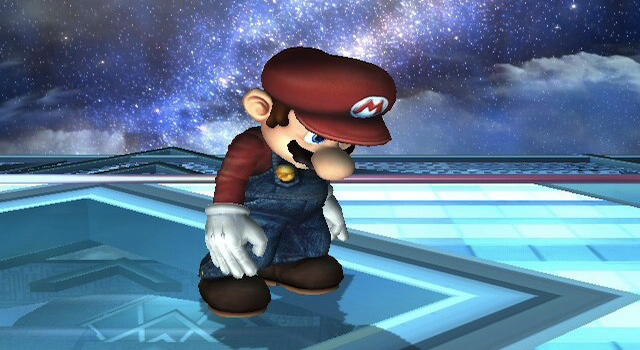
You shut the console off after a 90-hour campaign and your living room feels stranger than it did that morning
I finished Final Fantasy VII Rebirth after roughly 90 hours and felt like someone had removed a soundtrack from my life. Janowicz’s description of P-GD as “a feeling of emptiness after completing an exceptionally immersive and emotionally charged game” matched my own experience: the characters who carried me for weeks no longer had space in my day.
The study points to RPGs in particular: when your decisions shape character arcs, the social bond you form with NPCs and companions can mirror real attachments. That’s why a PlayStation save can sting like a real goodbye—your brain treated those interactions like social investment.
Is post-game depression real?
Yes. SWPS collected qualitative and quantitative data showing consistent reports of grief, nostalgia, and reduced motivation after finishing games that demand long-term emotional engagement. Clinical language matters here: Janowicz compares P-GD to a specific kind of grief, comparable to ending an important life chapter.
The morning after a marathon you notice you reach for the controller before your coffee
This is the momentum of habit. When a game occupies daily time—missions, side quests, rituals—the ritual itself becomes part of your routine identity. Pull that thread away and the day can feel blank.
I’ve felt that pull after Death Stranding 2: On the Beach and again after Resident Evil Requiem. Platforms like Steam, PlayStation, and Nintendo aren’t just distributors; they’re where relationships form. For creators such as Hideo Kojima, whose narratives build intense player-character bonds, the emotional aftershock is sometimes intentional—and sometimes a byproduct developers should acknowledge.
How long does post-game depression last?
The study doesn’t give a fixed timer—duration varies by player, game type, and life context. Some people report a few days of low mood; others describe a slow reentry stretching weeks. Coping strategies—socializing, replaying a favorite section, or jumping into different game genres—can speed recovery, but awareness of the effect is the first tool.
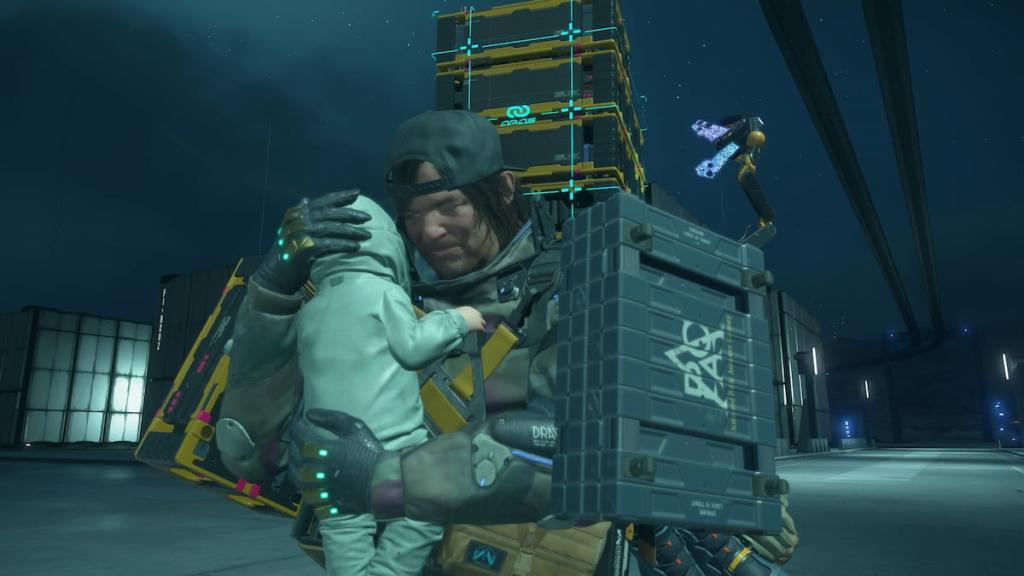
You scroll forums and discover strangers saying the same exact thing you’re trying to name
That communal recognition is part of the healing process. Players trade coping techniques on Reddit, ResetEra, and Discord—short guided replays, soundtracks on shuffle, or social calls to friends who also finished the game. Game designers and publishers, from indie studios to giants like Sony and Nintendo, can use findings like SWPS’s to think about endgame pacing and post-credit gestures.
Can games cause real grief?
They can trigger grief-like responses. Janowicz frames P-GD as grief after loss: not a clinical disorder for everyone, but a real emotional state that deserves respect. When interactive stories invest players with agency, the ending can feel like a severed chapter, and people grieve chapters.
For players and creators who want healthier cycles, small moves matter: clearer epilogues, post-credit rewards, or even in-game farewell moments can soften the disconnection. You don’t need a psychologist to notice the pattern; you just need the language to name it.
So tell me: which ending cost you more than any boss fight, and what did you do about it?