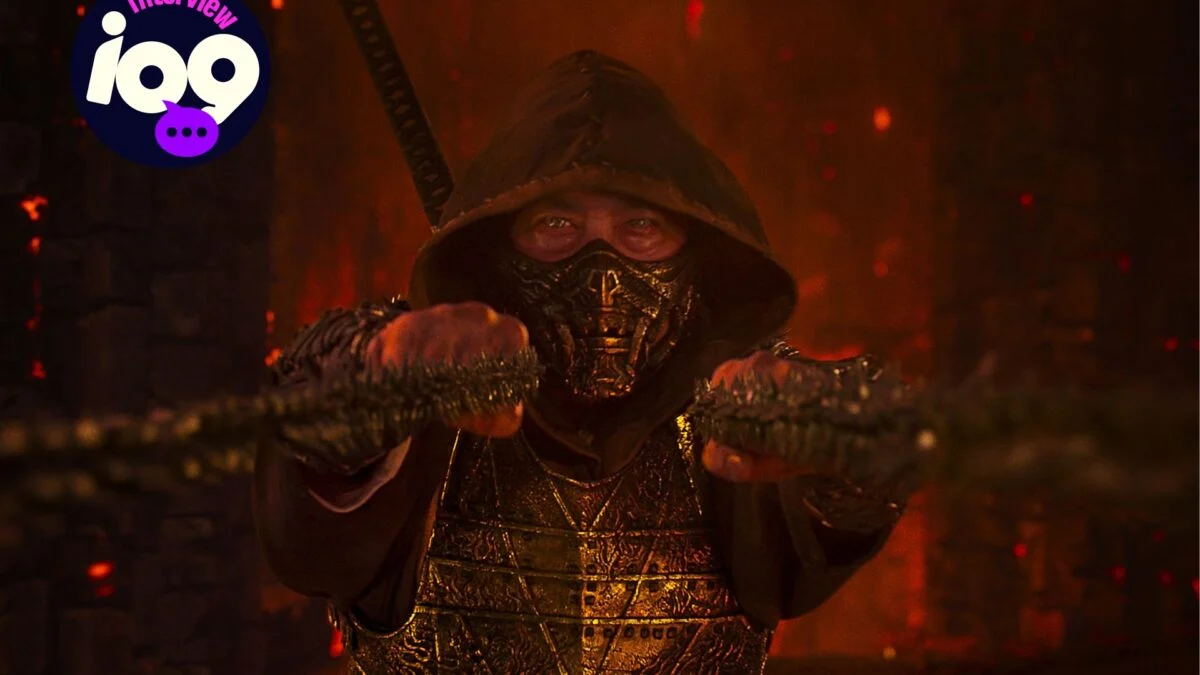
You walk into Mortal Kombat II expecting a continuation. The theater laughs instead of groans. Halfway through, you realize the sequel has quietly folded some of the first film’s choices into the trunk and driven off without them.
I spoke to Jeremy Slater—writer of Mortal Kombat II, creator of Marvel Studios’ Moon Knight and the recent Exorcist TV series—about why this sequel erases so much of the last movie and what that means for fans and casual viewers alike. io9 spoke to Jeremy Slater, the writer of the video game adaptation, in theaters May 8.
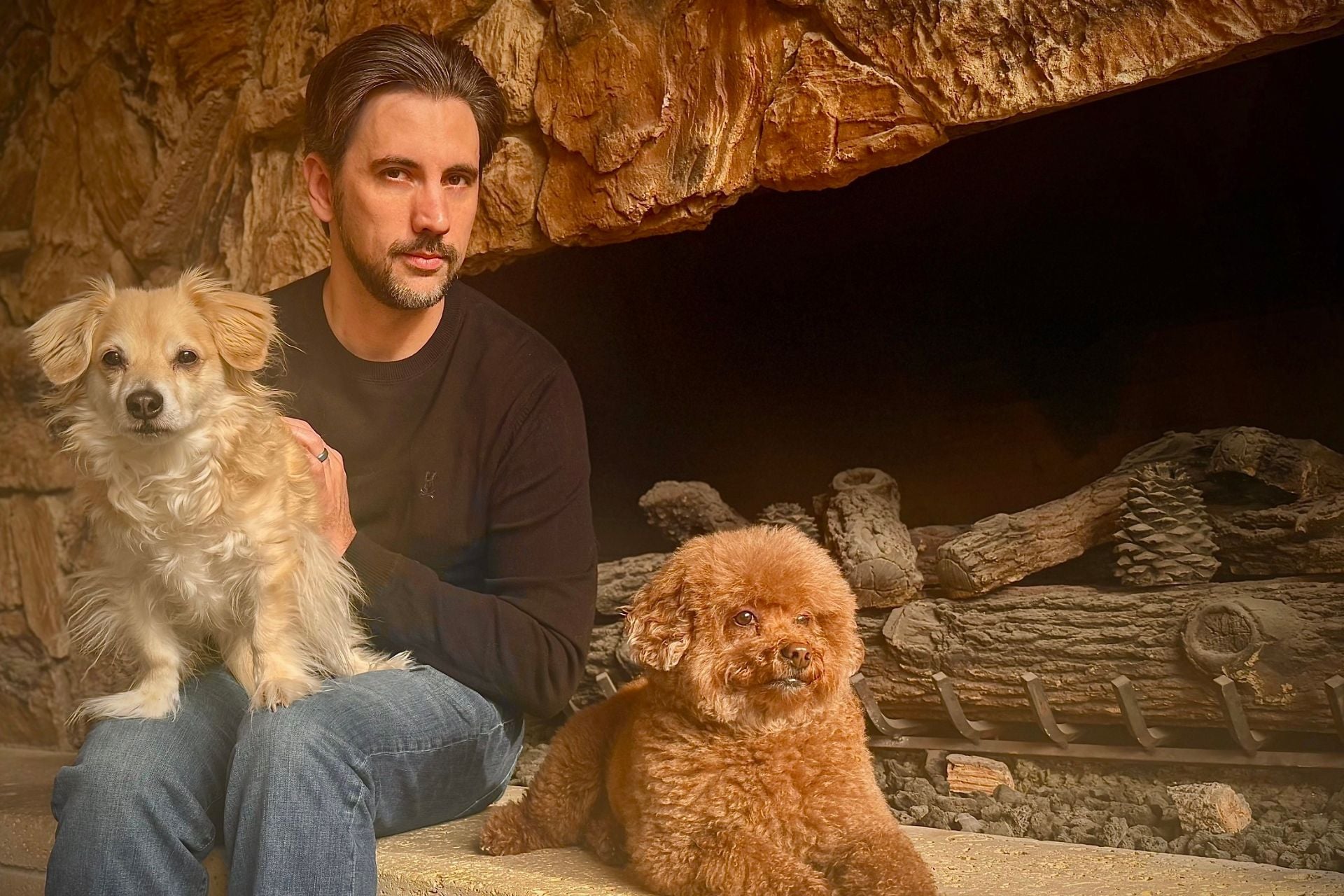
At a closed-door roundtable, Slater threw out a pitch and was asked to write the movie.
I was listening when he described walking into those sessions: he did the homework, had a point of view, and left with the assignment. That moment matters because it set the tone—he joined with fresh eyes, no carryover baggage from the 2021 production.
He treated the job like a short, sharp research sprint. Slater watched the first film, replayed classic matches from the games, and played what he could between late-night Overwatch sessions with long-time teammates. He also did something the first movie hadn’t fully leveraged: he brought Ed Boon and NetherRealm into the room as active collaborators. That direct line to the franchise’s architect replaced guesswork and YouTube scavenging—yes, even the temptation to ask ChatGPT—so choices about fatalities, stages, and signature moves came with a stamp of authority.
You should understand the tradeoff he accepted: keep what thrilled fans—real martial artists, practical-fight choreography, gore that lands—and quietly trim what alienated them, like the arcana-heavy mythology and a Swiss-army-knife POV character who hadn’t existed in the games. He pitched not a correction but a recalibration. The result is a movie that feels less like it was rewritten by committee and more like a magician pulling a rabbit from a hat.
Why does ‘Mortal Kombat II’ ignore most events from the first movie?
Because the studio listened to the fans and the data. The first film proved the audience exists—an R-rated martial-arts fantasy could work—but some creative choices (a new POV lead, heavy arcana exposition) rubbed the core fanbase the wrong way. Slater’s solution was pragmatic: keep the practical wins—casting, costumes, stage design, and fatalities—collaborate with Ed Boon for authenticity, and strip back narrative scaffolding that felt like unnecessary explanation.
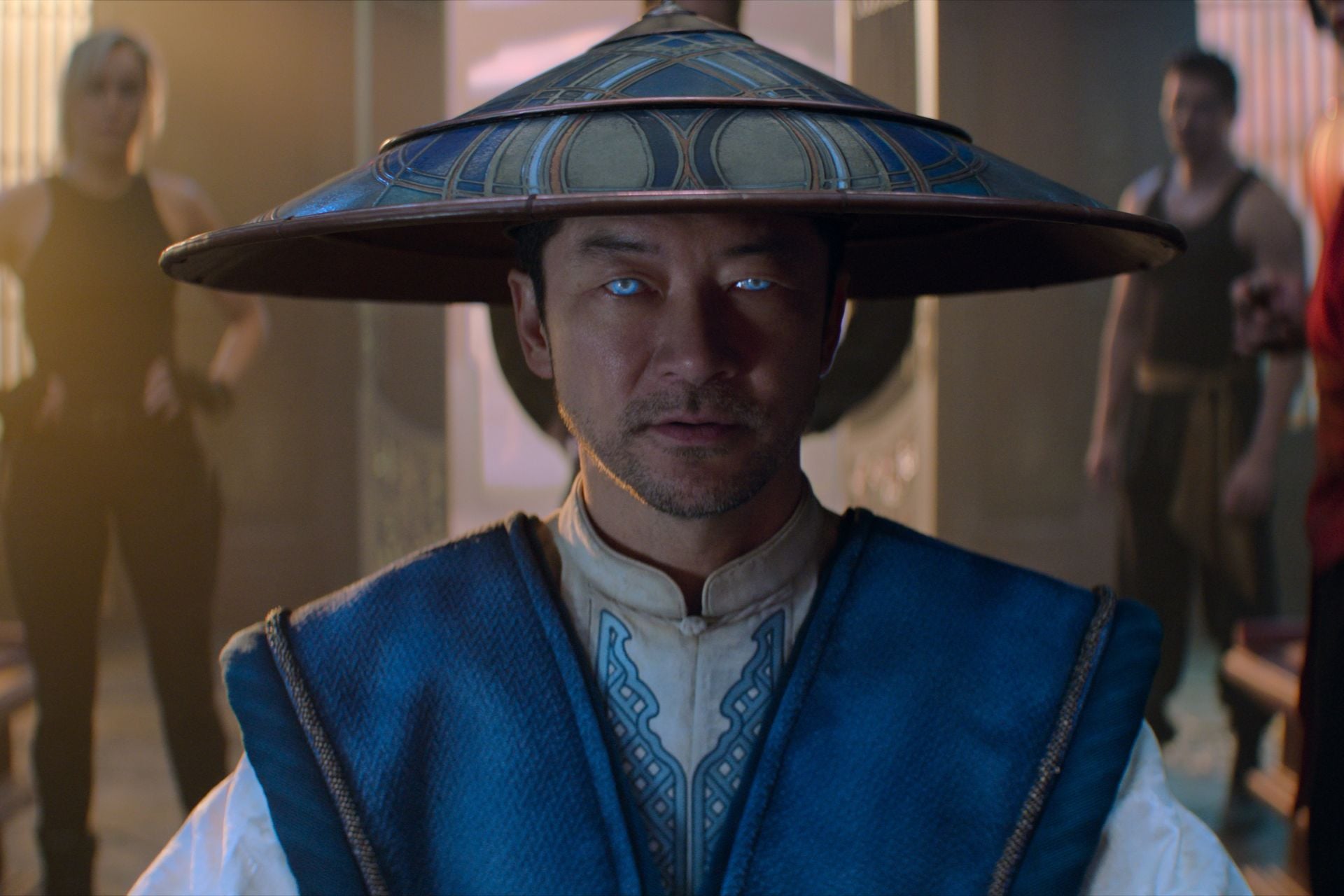
At fan screenings, laughter and applause mapped the beats that actually mattered.
The audience rewarded fatality callbacks and clever humor more than dense mythology exposition. Slater leaned into that, angling the tone toward fun while preserving stakes.
That tonal choice made Johnny Cage the ideal point-of-view: a movie star with faded mythic power who can react, comment, and grow. You don’t have to be a lorehound to enjoy Johnny’s arc; you watch a man who once wanted stardom and now must fight to prove himself. Casting Karl Urban was a deliberate gamble—better to offer an actor who can carry shame, wit, and a comeback than a hollow, perfect superstar. Fans were skeptical at first, but Urban’s performance won them over because the writing gave him a real human journey.
The film’s humor is not cheap comic relief. Instead, it functions as an audience passport: when the film winks at its own absurdity, you’re invited to strap in. The approach recalibrates the franchise tone, as if someone rewired the house while you were asleep—but the lights come on brighter and the furniture still looks like it belongs.
Is Johnny Cage’s version in MKII faithful to the games?
Yes, in spirit. The games present Johnny as the one human-height, Hollywood-sized personality in a field of gods and monsters. Slater preserved that relatability while giving the character an arc that movie audiences can root for. Karl Urban’s take trades adolescent brashness for an older, wounded charisma that makes his eventual triumph satisfying rather than inevitable.

At a scheduling meeting, release windows felt like chess moves.
Studios treat IMAX slots and summer dates as precious placements, and Warner Bros. moved the movie from October to May for a reason.
The film was finished earlier than the release, but the extra months bought marketing momentum, better VFX polish, and a summer audience more likely to show up for a loud, R-rated martial-arts spectacle. That delay let the team refine NetherRealm sequences and package the movie the way it deserved; it also allowed the studio to push harder on campaigns that spoke to both fans and casual viewers who live in the Marvel/streaming era.
Will these changes matter for the franchise going forward?
Yes. Slater is returning for a third film, which signals confidence from Warner Bros. and suggests the studio believes this tonal course corrects the franchise’s early missteps. Keeping Ed Boon and NetherRealm close gives future scripts an internal compass. If you care about faithful character beats and satisfying spectacle, the sequel’s approach bodes well for what comes next.
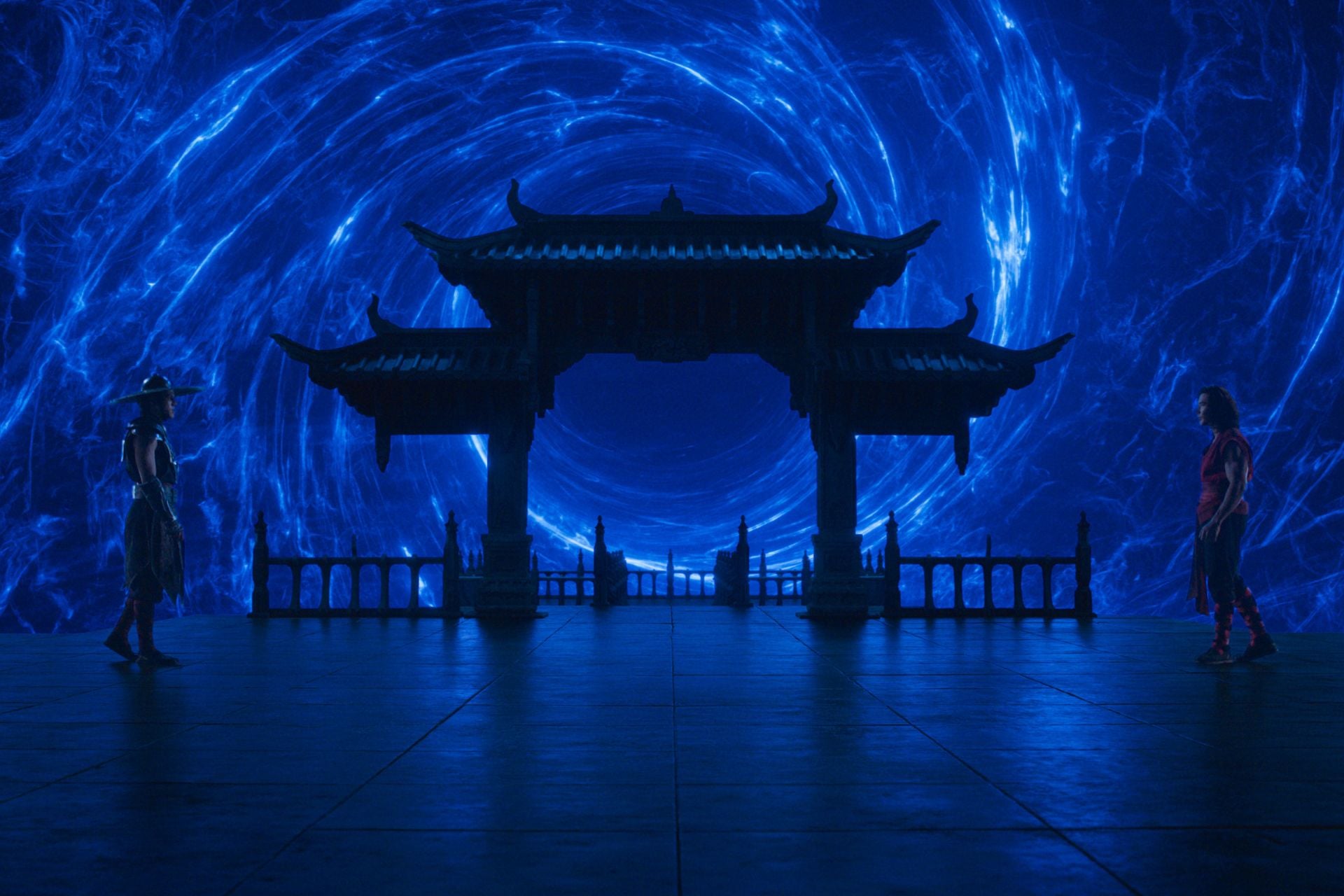
I’m betting you’ll leave the theater with favorite moments to quote and a clearer sense of what this franchise can be when it listens to its creators and its fans. Do you think Favored changes like this save the series—or sacrifice something that can never come back?