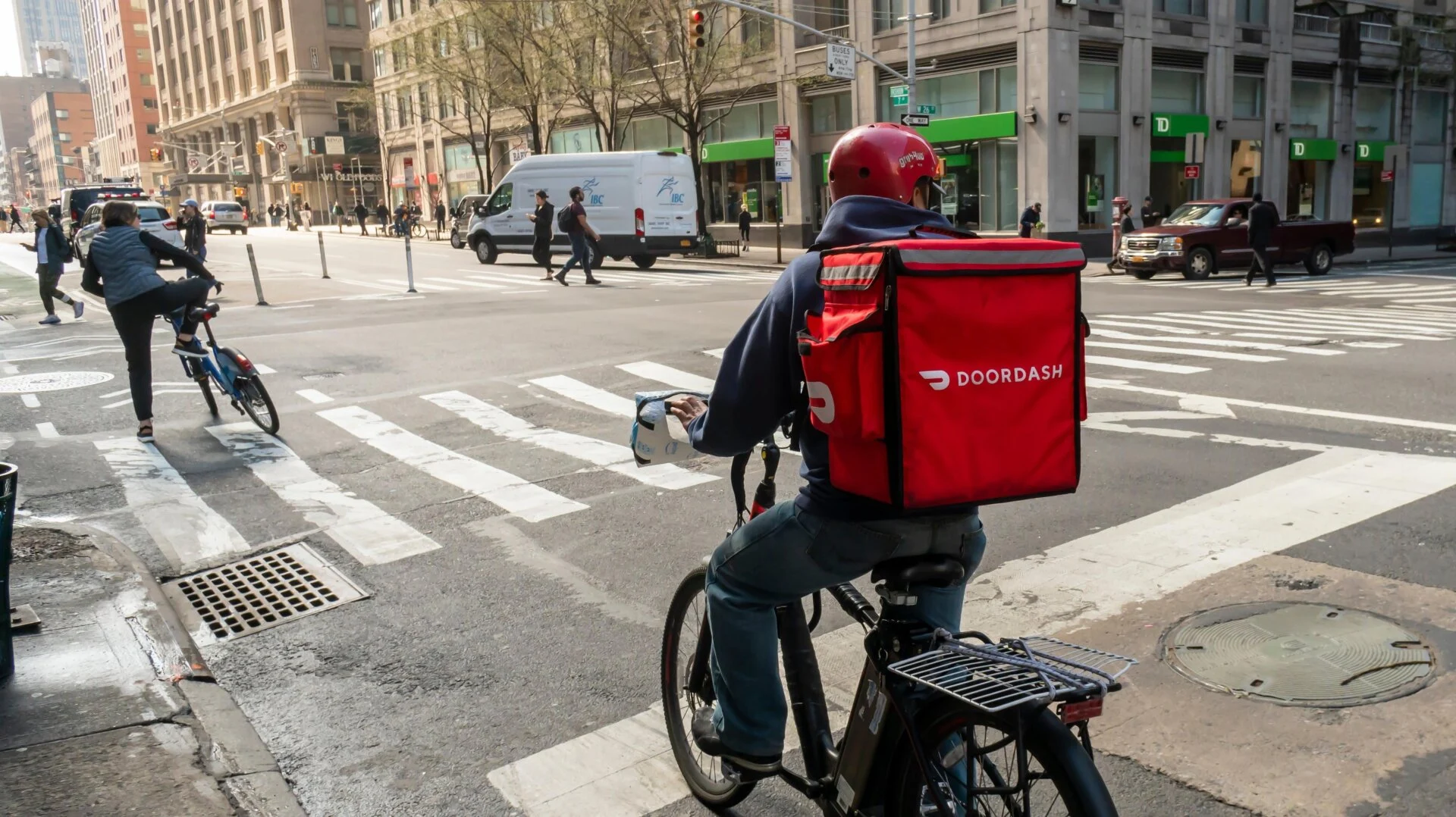
The pump readout blinked higher while the Dasher standing there frowned and swiped his DoorDash Crimson Visa debit card. I watched the margin between fare and fuel shrink in real time, and felt the room get smaller. The numbers jumped like a staccato alarm.
You’re not just noticing sticker shock — you’re watching a fragile web of geopolitics and gig pay meet at the gas pump.
At a Dallas pump, a posted sign showed prices up more than 30% in two weeks
Those are the short-term numbers you can see. The longer timeline is harder: on February 28, the U.S. and Israel struck targets in Iran; Iran replied by closing much of the Strait of Hormuz, the shipping choke-point through which roughly one-fifth of global oil passes, according to Reuters. The shock traveled fast. AAA reports the national average is about $4 a gallon (€3.72) — a figure that reads like a tax on every errand and every gig delivered.
Why are gas prices spiking right now?
The immediate cause is less about refinery outages and more about supply lines and risk. Tanker routes through the Persian Gulf now require detours or military escorts; traders price in that risk, and prices climb. The New York Times tracked state-level price jumps north of 30% in places such as Texas and Colorado. When one-fifth of world oil is effectively sidelined, you get price moves that feel disproportionate to any single pipeline or pump.
On the sidewalk outside a diner, a Dasher calculated his take-home pay as he filled the tank
That is where policy and platform meet. DoorDash responded with an emergency relief program for U.S. drivers. If you carry a DoorDash Crimson Visa debit card, you now earn 10% cash back on gas buys at any station — whether you were on a run or standing in line. The company also promises a weekly fuel relief payment of $5–$15 (€4.65–€13.95) for Dashers who drive 125 miles or more on the job.
What is DoorDash’s emergency relief for drivers?
Short answer: two short-term levers. One, 10% cash back on fuel purchases made with the Crimson Visa debit card. Two, the weekly mileage payment that DoorDash says could save Dashers an estimated $1 to $1.50 per gallon (€0.93–€1.40) based on miles driven. Both programs run until April 26, per the company press release, and they sit alongside existing incentives for EV adoption: 2% cash back on EV charging and other discounts aimed at lower fuel costs over time.
A quick scan of search trends showed EV queries rising about 20% since the conflict began
That spike was flagged by CarEdge and echoed by retailers like CarMax. It makes sense: when gas behaves like a loose wire, drivers start hunting for a safer current. Platforms such as ChargePoint and automakers like Tesla are suddenly part of the conversation for people who once delayed a switch. DoorDash is spotlighting its EV perks because it wants drivers to imagine a world with fewer fuel shocks.
Are electric vehicles a realistic hedge against high gas prices?
EVs reduce exposure to fuel price volatility, but the switch isn’t instant. Buying or leasing costs, charger access, and job patterns matter. For someone who dashes many miles nightly, a 2% cash-back on EV charging plus lower per-mile energy costs can be persuasive. Yet the broader picture includes used EV availability, incentives, charging networks like ChargePoint, and the resale market; CarMax and others report rising shopper interest, but infrastructure still sets the pace.
A colleague in logistics told me she’s worrying about the next billing cycle
That observation shows why platform-level fixes matter. When an app decides to subsidize fuel, it’s admitting the platform’s economics are brittle in moments of geopolitical stress. DoorDash’s move is tactical: it helps drivers now and signals to couriers and investors that the company is sensitive to livelihood risks. It also asks whether gig-work pay models should include fuel hedges as a standard.
I’ve spent years asking delivery drivers about margins, incentives, and how small subsidies change behavior. You and I can see this as two problems overlapping: a global oil squeeze and gig pay structures built for cheap gas. The immediate reprieve matters, but it doesn’t change the underlying exposure.
The pump and the platform have entered a new contract: the company offers temporary cash back and weekly relief, and drivers absorb less immediate pain. But how long will temporary measures shape permanent decisions about vehicles, hours, and routes?
The global oil system feels as fragile as a house of cards — and when a geopolitical gust blows, your next paycheck can tilt the deck; who picks up the tab next?