
I remember the first time I sailed off a Gotham rooftop and landed in a patrol of thugs—my heart raced, my fingers found the counter, and the moment bent around me. Outside, a subway screeched; inside, the controller hummed like a promise. That single sequence made me realize superhero games had been playing catch-up for years.
I’ll tell you straight: the Batman Arkham trilogy didn’t just improve licensed games. It rewrote the rules the rest of the industry would follow. You’ll see how the design choices you now take for granted trace back to Rocksteady’s playbook.
I learned counters in a cramped dorm room, then saw them reimagined on a massive scale — Batman Arkham Trilogy revolutionised combat
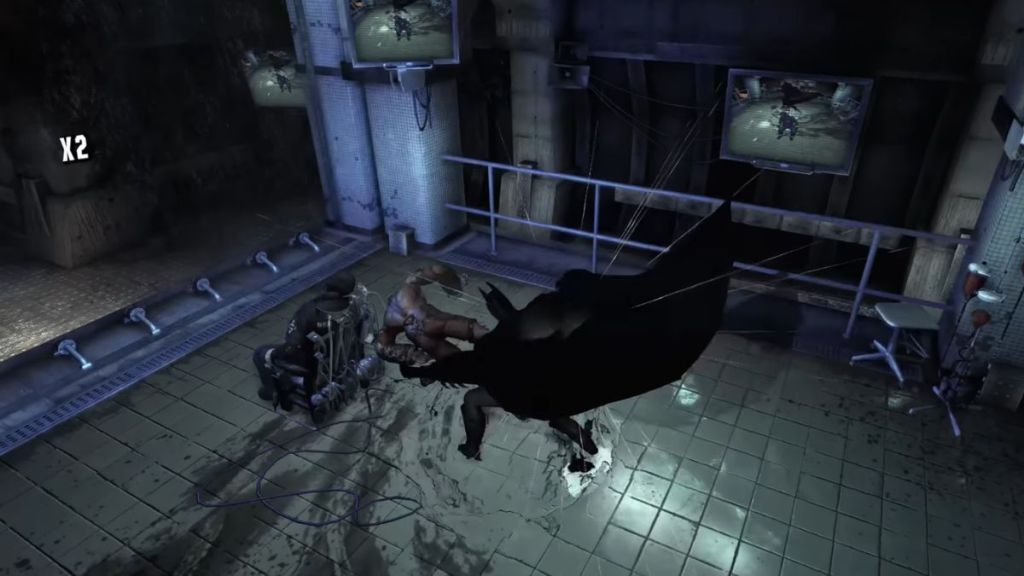
Combat changed when Rocksteady let timing and rhythm carry the weight of every encounter. Pressing attack, waiting for the tell, countering, and flowing into a gadget or glide was no longer a menu of moves; combat became a symphony. That sentence is not flair—it’s design: inputs that reward awareness instead of brute mashing.
At its heart, the system used three simple elements—attack, evade/counter, gadget—but the interactions created exponential variety. You learned to read a flinch, a throw, a pause. That learning curve produced ownership. You didn’t just win; you earned the win.
How did Arkham change combat in games?
It made counter-timing readable and satisfying. Developers at Insomniac, Monolith, and others borrowed the framework: readable enemy tells, combo flow, and gadget integration. Marvel’s Spider-Man turned web-swinging into a high-speed variant of that rhythm; Middle-earth: Shadow of Mordor grafted the sense of flow into its nemesis system.
As a player you notice the difference immediately. When an encounter feels like a conversation, not a grind, you keep playing. That keep-playing factor is design gold for any studio and for platforms like PlayStation, Xbox, and Steam.
I heard Kevin Conroy and Mark Hamill in a cramped office and felt the difference — Batman Arkham elevated what AAA could be
Before Arkham, licensed titles often arrived hot and thin with movie deadlines stamped on their spines. Rocksteady treated the license like a sandbox for craft: stellar cast, dense audio design, and environments built to be explored. That attention made the game feel as polished as an Assassin’s Creed or a Call of Duty release of the era.
Arkham City extended the idea: side missions mattered. Stealth wasn’t a tacked-on option; it was a design pillar. I remember perching on a gargoyle, watching guards argue about pizza chain delivery—tiny human details that paid off when you picked them apart. Those choices forced other studios to raise their standards.
Why is Arkham considered the blueprint for superhero games?
Because it demonstrated that a licensed title could be taken seriously by players and critics alike. Rocksteady showed that investment in narrative, voice talent, and systems design translated to long-term engagement. When Insomniac shipped Marvel’s Spider-Man, reviewers referenced Arkham’s DNA for a reason: the market expectations had shifted.
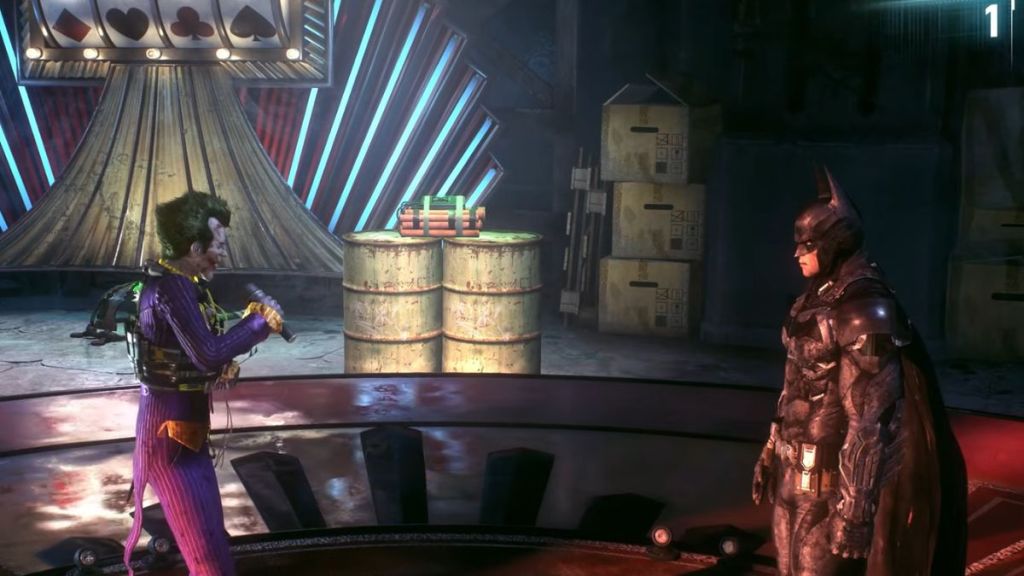
I watched Joker’s last breath on a late-night playthrough and felt the room go quiet — grounded storytelling that treated players like adults
Arkham didn’t treat villains as mere boss fights. Each antagonist served the plot and Batman’s psyche. When the jokes stop and the consequences remain, the game expects you to hold the discomfort. That restraint is rare; it asks the player to reflect rather than cheer.
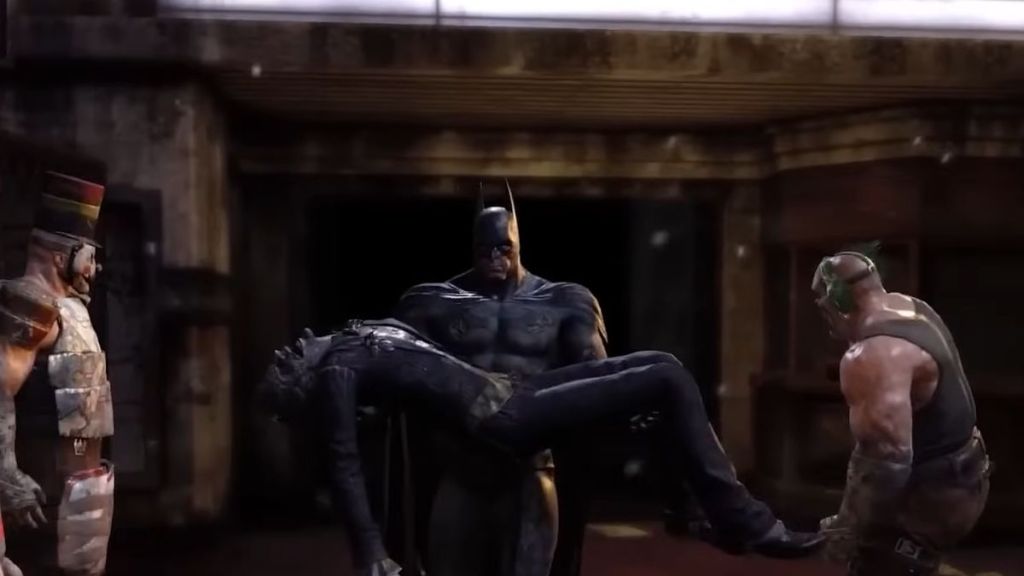
There’s emotional weight in choices that refuse to tidy themselves. When Arkham let a quiet moment—Batman carrying Joker’s body—speak louder than any cutscene, it set a tone. Insomniac later used a similar emotional lever in Marvel’s Spider-Man when Peter sacrifices for the city. These are design decisions that influence how players remember a game.
I glided from one rooftop to another at night and felt the city respond — an immersive world design that made you feel like the hero
Gotham wasn’t a backdrop; it behaved like an organism. Every district had its mood and routine. The visual cues, hidden easter eggs, and environmental storytelling nudged you toward discovery. Gotham was a living organism, and that trust in the player to explore paid off handsomely.
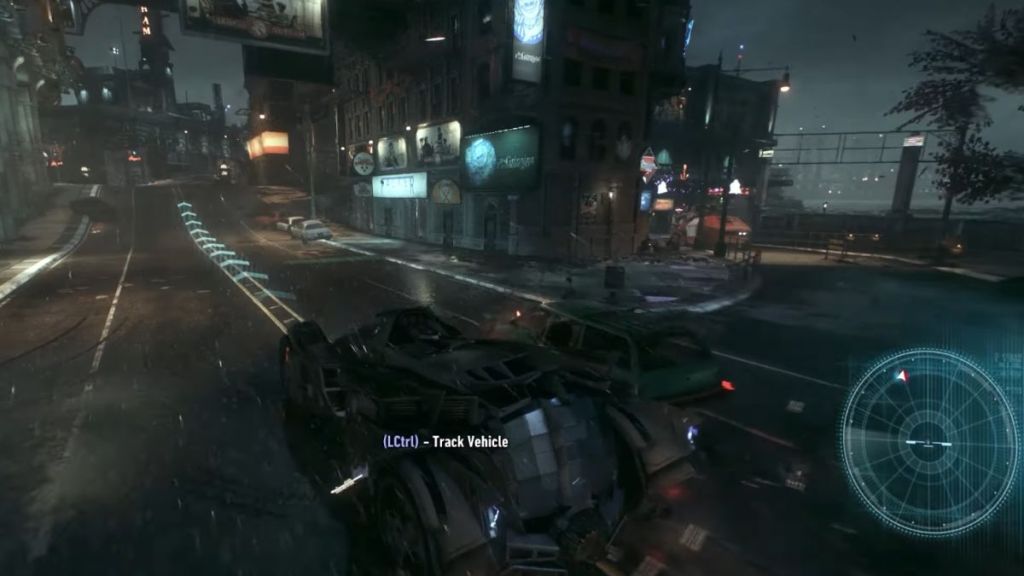
Yes, some experiments—Batmobile missions—split the audience. But ambition matters. The Scarecrow sequences that scramble visuals and controls showed a willingness to risk discomfort for narrative payoff. You either felt disoriented and curious, or you felt annoyed—but either reaction meant the game was provoking real responses.
If you’re tracing influence across the last decade, you’ll spot Arkham’s fingerprints on systems, tone, and commercial strategy. From voice casting decisions to tight combat loops and environmental storytelling, its lessons are now part of the playbook studios use when building hero games for PlayStation, Xbox, and PC.
So here’s the question that still matters to me: if Arkham set the blueprint, which upcoming title will dare to rewrite it and make us question what a superhero game can actually be?