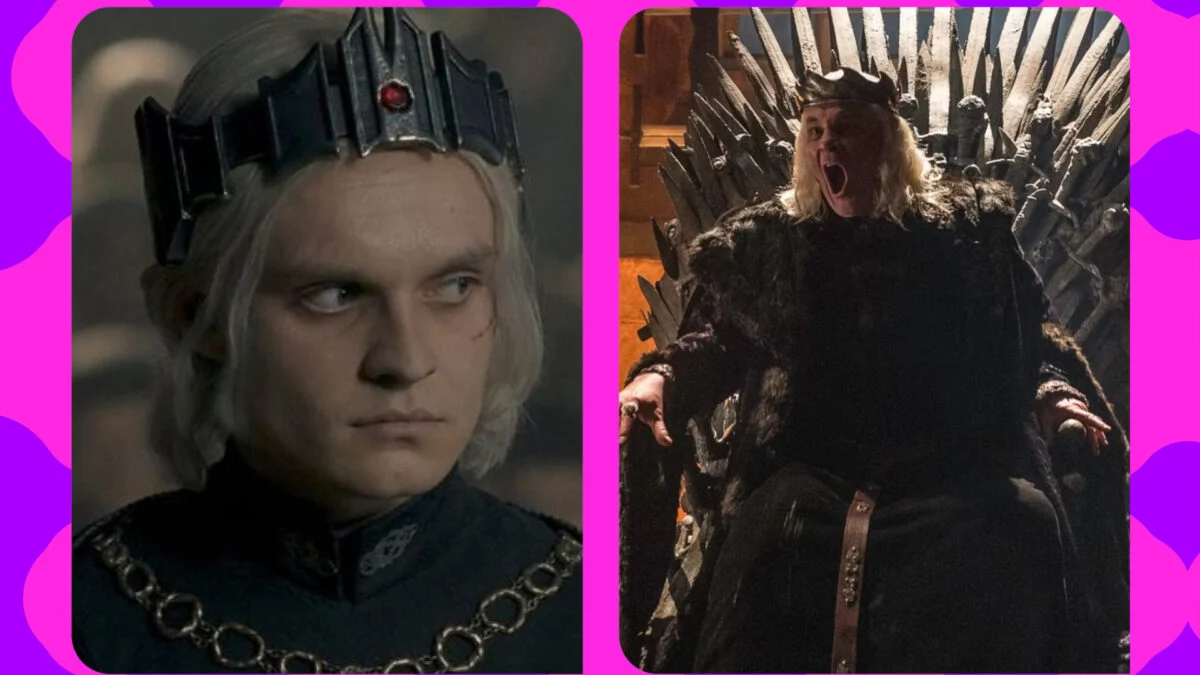
I remember the first time I read about a dragon shadow blotting out the sun—my pulse matched the drumbeat of a city waiting for the worst. I’ve spent years tracing mistakes that look small until they set everything on fire, and you’ll see the same pattern in these crowns. The Iron Throne felt like a coal that never cooled.
I’ve read George R.R. Martin’s histories, watched HBO’s House of the Dragon and sifted through fan threads on io9 and Twitter to map where power turned toxic. You and I can treat this as a forensic tour: who left scorch marks on Westeros and why they mattered beyond court gossip.
Who was the worst Targaryen king?
That’s the headline question fans argue over in comment sections and at conventions; I’ll give you the evidence and a sense of scale so your judgment has shape.
Why was Aerys II called the Mad King?
Short answer: paranoia, cruelty, and a final string of burnings that sparked rebellion. I’ll unpack the moments people cite when they name a monarch “mad.”
Aenys I (37-42 AC)
Weakness in leadership tends to invite revolt, whether in modern states or medieval kingdoms. Aenys was frail, uncertain, and often paralyzed by competing councils. He struggled to project strength after Aegon’s conquest, provoked uprisings, and mishandled the Faith of the Seven—his tolerance for Targaryen marriage customs sparked a religious revolt that drove him from King’s Landing to Dragonstone, where illness ended his brief reign.
Maegor I (42-48 AC)
When a ruler answers challenge with brute force they win battles but lose legitimacy. Maegor the Cruel seized power, sidelined the rightful heir, and made enemies of the Faith—then burned one of its principal seats from the back of Balerion. His reign read like a catalog of terror: slaughtering opposing knights, executing dissenters, and finally provoking such broad disgust that the lords rallied behind a different branch of the family. He was murdered before a full civil war could finish his work.
Aegon II (129-131 AC)
Civil war splits loyalties in ways that last generations; you can see that in any fractured society. Aegon II’s claim launched the Dance of the Dragons, a civil war in which Targaryens burned one another with dragonfire. Wounded, scarred, and unable to command his fractured court, he never recovered popular support; the war consumed dragons and men, and Aegon’s rule ended by poisoning while the kingdom still smoldered.

Rhaenyra Targaryen (129-130 AC)
Revolution often promises reform, but power can harden the softest rhetoric into retribution. Rhaenyra seized King’s Landing and briefly wore the crown, but her rule morphed into ruthless purges: public executions, harsh taxes, and the Knights Inquisitor sweeping the city. Popular goodwill evaporated; a riot destroyed the Dragonpit, killed several dragons and her son Joffrey, and Rhaenyra fled and fell—her brief reign a lesson in how victory can curdle into cruelty.
Aegon III (131-157 AC)
Child rulers scarred by civil war tend to retreat rather than rule. Aegon III ascended at ten, watched his family burn and his dragons die, and adopted a distant, melancholic style that left the kingdom managed by ministers more than by the crown. They called him the Broken King; his court stabilized the polity but never healed the trauma.
Baelor I (161-171 AC)
Religious fervor reshapes law and daily life in predictable ways on any continent. Baelor the Blessed grew extreme in his piety—building the Great Sept and pushing strict reforms that alienated many. He fasted himself to death in an act meant to atone for a family scandal; his austerity solved moral questions for some, but it left governance thin and opened the door for power plays by ambitious relatives.
Aegon IV (172–184 AC)
Opulence and secrecy in courts tend to hide far worse rot. Aegon the Unworthy gifted titles and favors to cronies, slept with dozens of women, and stacked the succession with legitimized bastards on his deathbed—one of whom took the sword Blackfyre and birthed a long-running rebellion. His court was a rotting banquet: flashy on the surface, corrupt in the marrow, and the trigger for decades of civil strife that cost lives and bloodlines.
Aerys I (209-221 AC)
Some leaders are pleasant people who simply dislike ruling; that complacency carries risk. Aerys I preferred books to politics and let his hand, Brynden Rivers, run the state. His disengagement allowed Blackfyre plots to resurface and left the succession tangled when he died without heirs—chaos that others cleaned up, and proof that a gentle ruler can be a dangerous vacancy.

Aerys II (262-283 AC)
Paranoia eats institutions faster than an invading army ever could. Aerys II drifted from governance into spectacle and suspicion, relying on Tywin Lannister while manufacturing fantasies like a second Wall. After Duskendale and the humiliations there, he snapped: public burnings, arbitrary executions, and a mercy-free rule that turned noble sentiment to revolt. The Rebellion that followed ended a three-century dynasty; the Mad King’s last acts scorched the map of Westeros forever.
HBO’s series, Martin’s books, and coverage on platforms like io9 show the same pattern: weak handling of crises, vindictive reforms, or pure venality each wrecked the Targaryen brand in a unique way. I’ve walked you through the moments that matter; now the question is yours—who deserves the worst crown of all?
Want more io9 news? Check out when to expect the latest Marvel, Star Wars, and Star Trek releases, what’s next for the DC Universe on film and TV, and everything you need to know about the future of Doctor Who.