
I watched a witch in a mossy glade pick up a glowing little board and gasp like she’d found a new language. The livestreamers who fled had left more than a phone; they left a crack in Sada’s quiet life. In three pages she chooses a city, a camera angle, and trouble.
I’ll be blunt: I was skeptical when I heard a witch-meets-influencer rom-com pitched to me, but Wicked Spot by Sal Jiang hits in a way that feels deliberate and alive. You’ll recognize the jokes—the glowing phone, the live reactions, the petty theft dressed as “creative accounting”—and still get surprised by how tender the stakes are. Sada is drawn to the screen like a moth to a porch light, and Jiang makes you root for her even when she’s being messy.
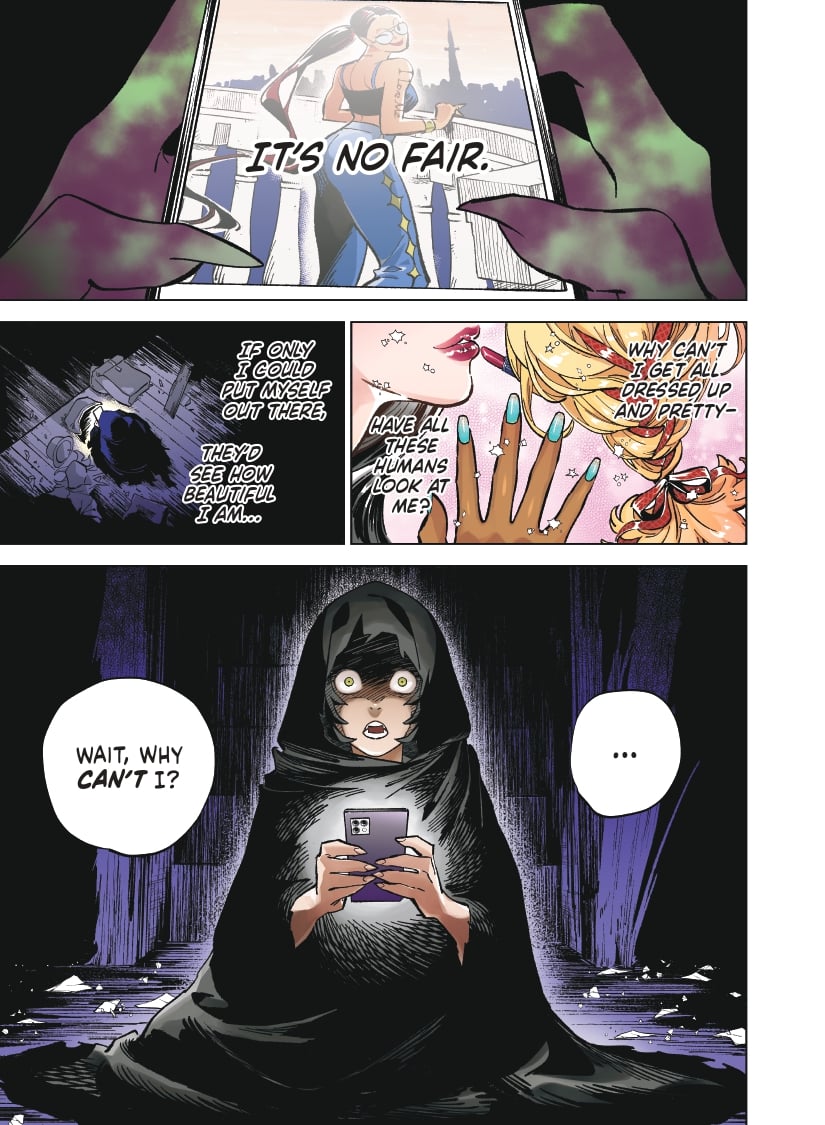
If a haunted forest had Wi‑Fi, people would stream it and call it content.
That’s the small observation that sets the book’s comedic engine humming: livestreamers brave the woods for clicks, find a witch, and leave behind a phone Sada can’t stop staring at. Jiang borrows contemporary trappings—TikTok-style obsession, Instagram aesthetics, the theater of a live audience—and folds them into a fairy-tale sensibility. Kodansha backs the release and Penguin Random House handles English editions, so this is a manga you’ll find on shelves and feeds alike.
What is Wicked Spot about?
At heart it’s a classic rom‑com gambit retold for our screen-first era. Sada, a solitary witch, discovers social media via a lost smartphone. She learns to glam her image (floating-camera spells are peak energy), grows an audience, and then ruins her own reveal by declaring she’s a witch. That confession spawns a feud with Hanako, a guild of one-woman internet fury, who’s immune to magic and hates witches. The pull between them turns a troll-war into slow-burn chemistry.
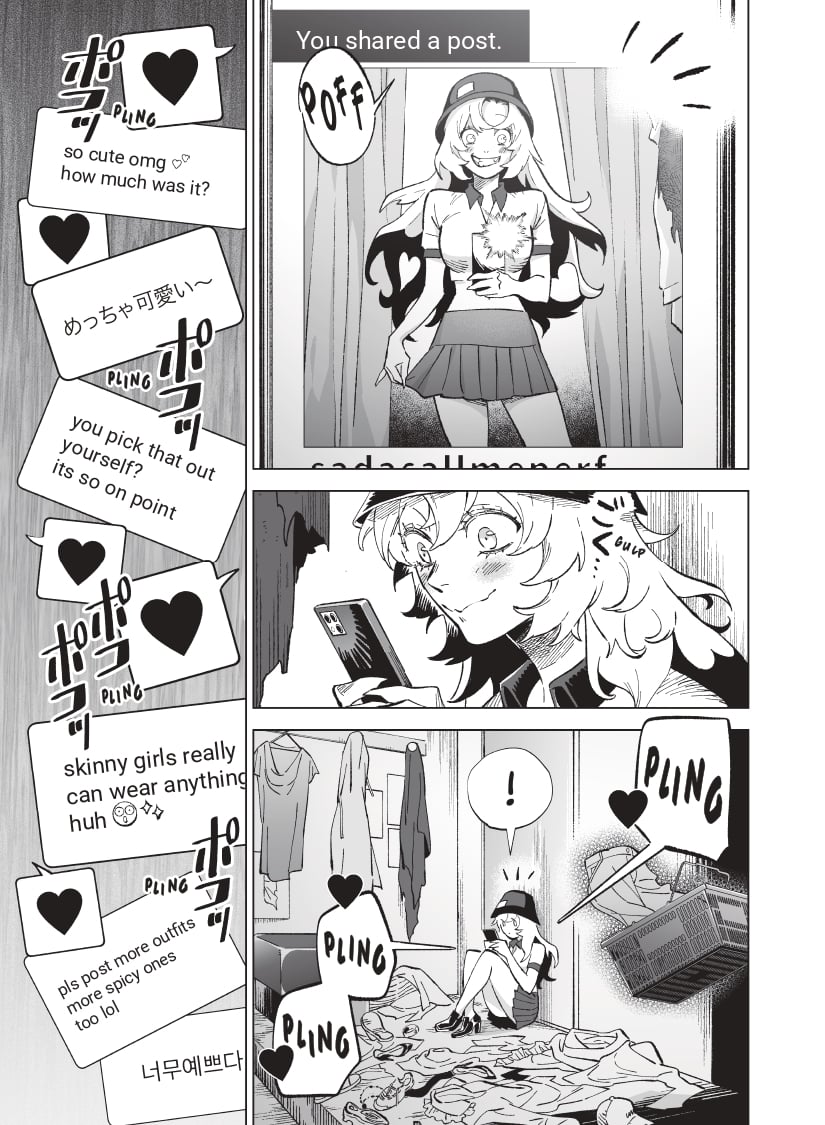
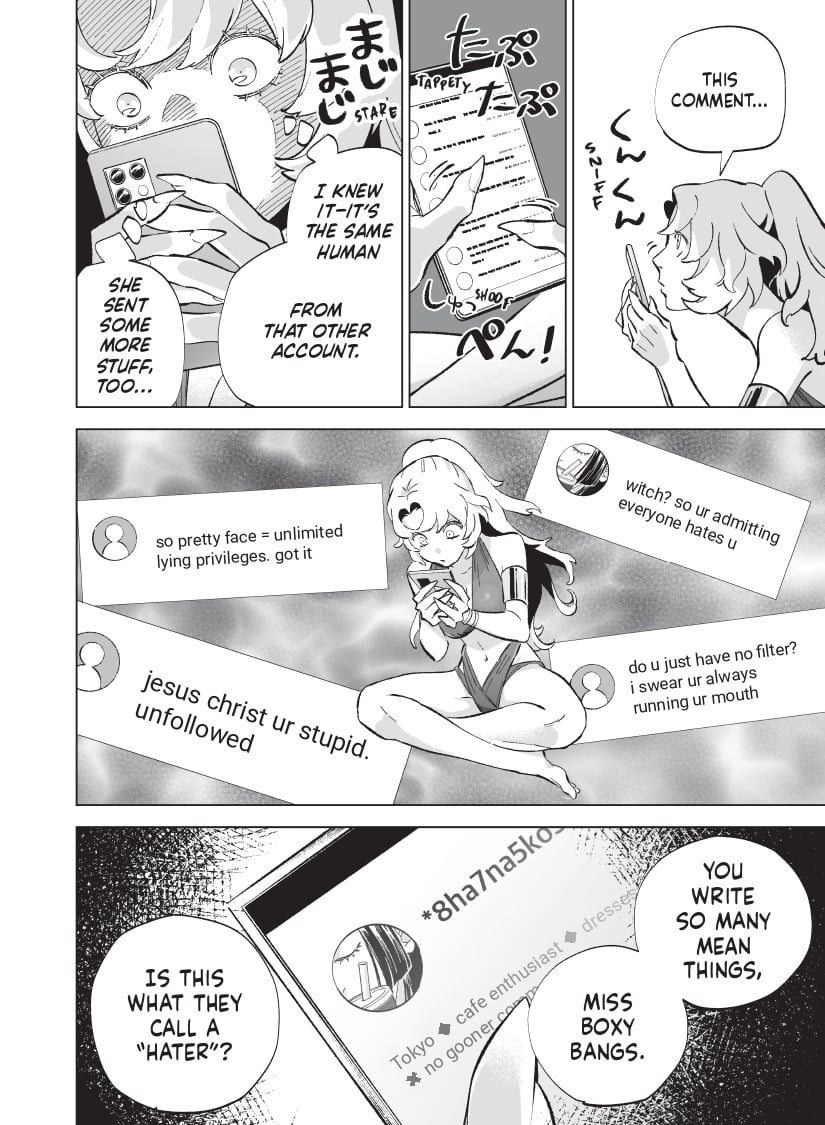
Streaming culture eats odd corners of the world for content, and that changes who gets seen.
You’ve seen it: a corner of the internet goes hard for an aesthetic, then dissects it. Jiang uses that to raise stakes without melodrama—Sada’s glow-up (shoplifted wardrobe plus spell-cobbled confidence) is funny and sharp because the cost is social, not just cosmetic. The manga leans into platform-specific details: live chat chaos, influencer collabs, thirst-trap framing that reads like a wink to anyone who scrolls through Reels or TikTok.
Is Wicked Spot similar to Green Yuri?
Yes in vibe, no in execution. If you like Green Yuri, you’ll appreciate Jiang’s sapphic heart. Where Green Yuri can feel like a nostalgic, high-school ache, Wicked Spot channels rom-com beats with modern satire—more Bryan Lee O’Malley mood-board energy and less wistful reverie. The comparison is fair: both commit to queer longing. Jiang’s pages, though, pair that with swipeable humor and a pop-culture smirk that lands on both Instagram and indie-comic shelves.
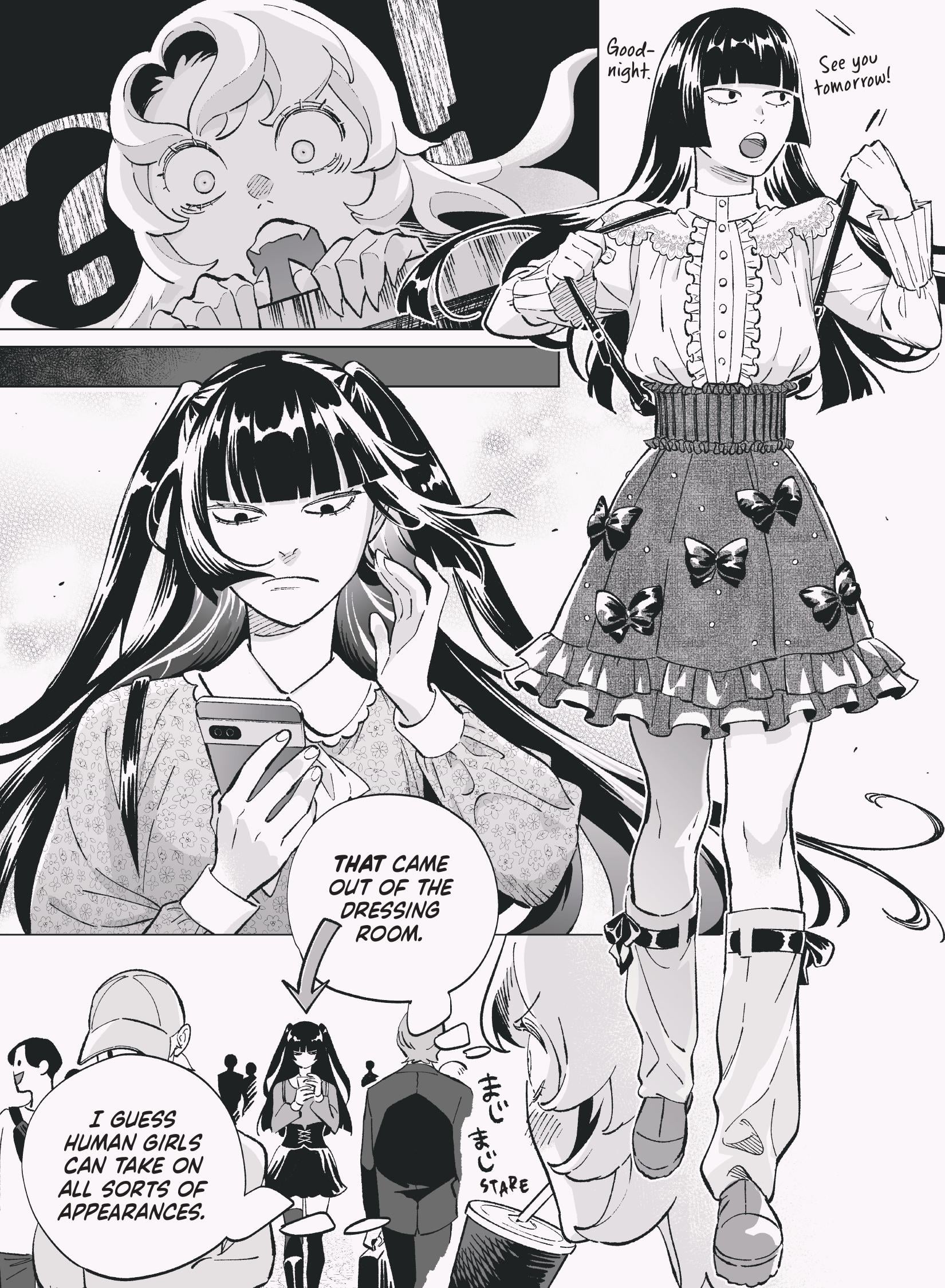
Queer readers will notice when a series stops hinting and starts holding hands.
I pay attention to that because representation that skirts around romance feels like a tease. Jiang doesn’t tease; she stages blushes, stolen looks, and a slow softening between Sada and Hanako. If you’ve followed Jiang’s earlier yuri work, you already know she can write complicated, slightly toxic chemistry—here she tempers it with warmth and humor so the queer romance lands without needing a detective board to prove it.
Is Wicked Spot gay?
Short answer: yes. The sapphic thread is explicit and affectionate. This isn’t queer-baiting theater—Jiang gives the relationship space to breathe. Fans of Leslie Hung’s Snot Girl or Sumiko Arai’s playful romantic flips will find the same appetite for messy, sure-footed queer characters.
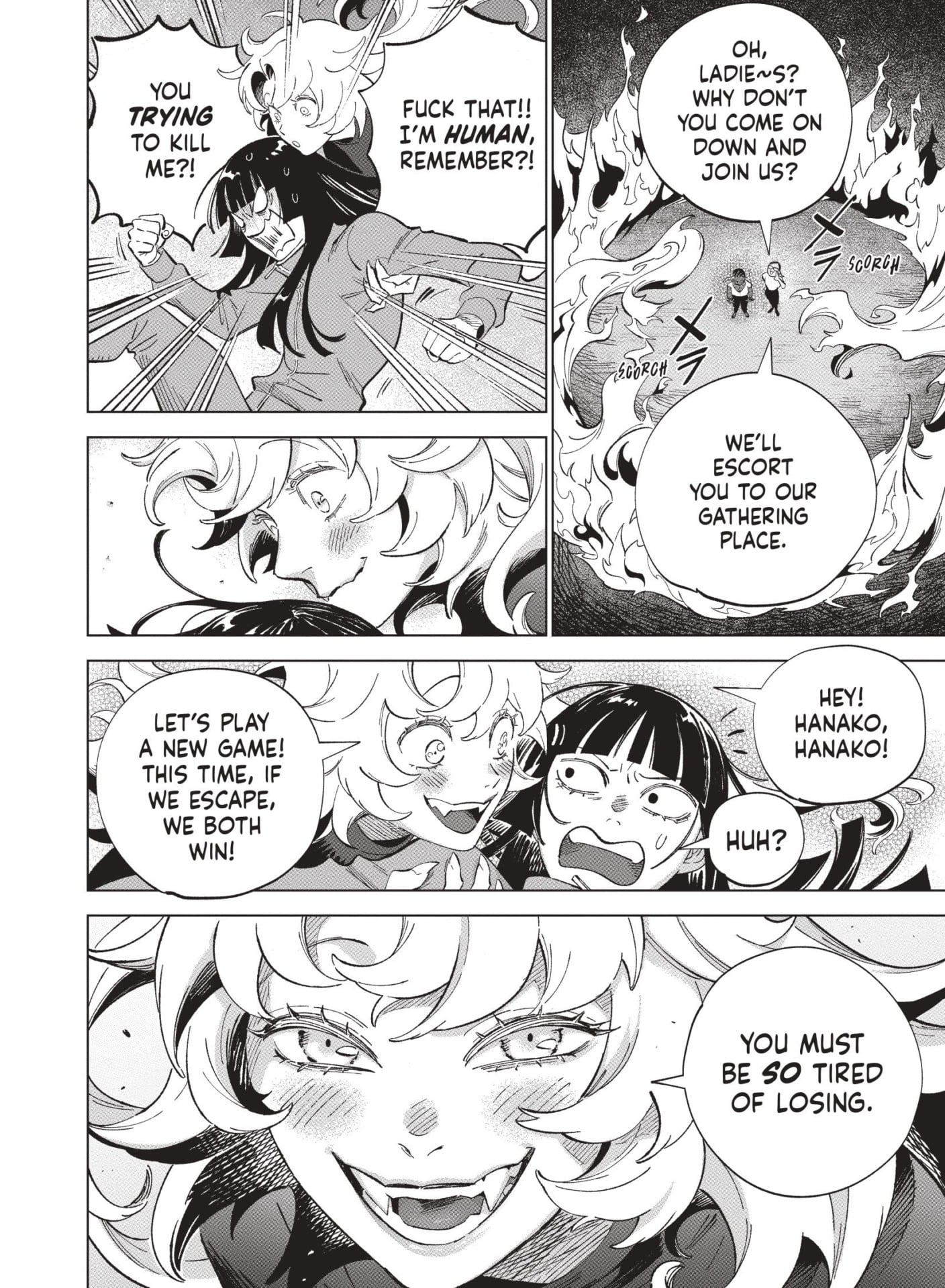
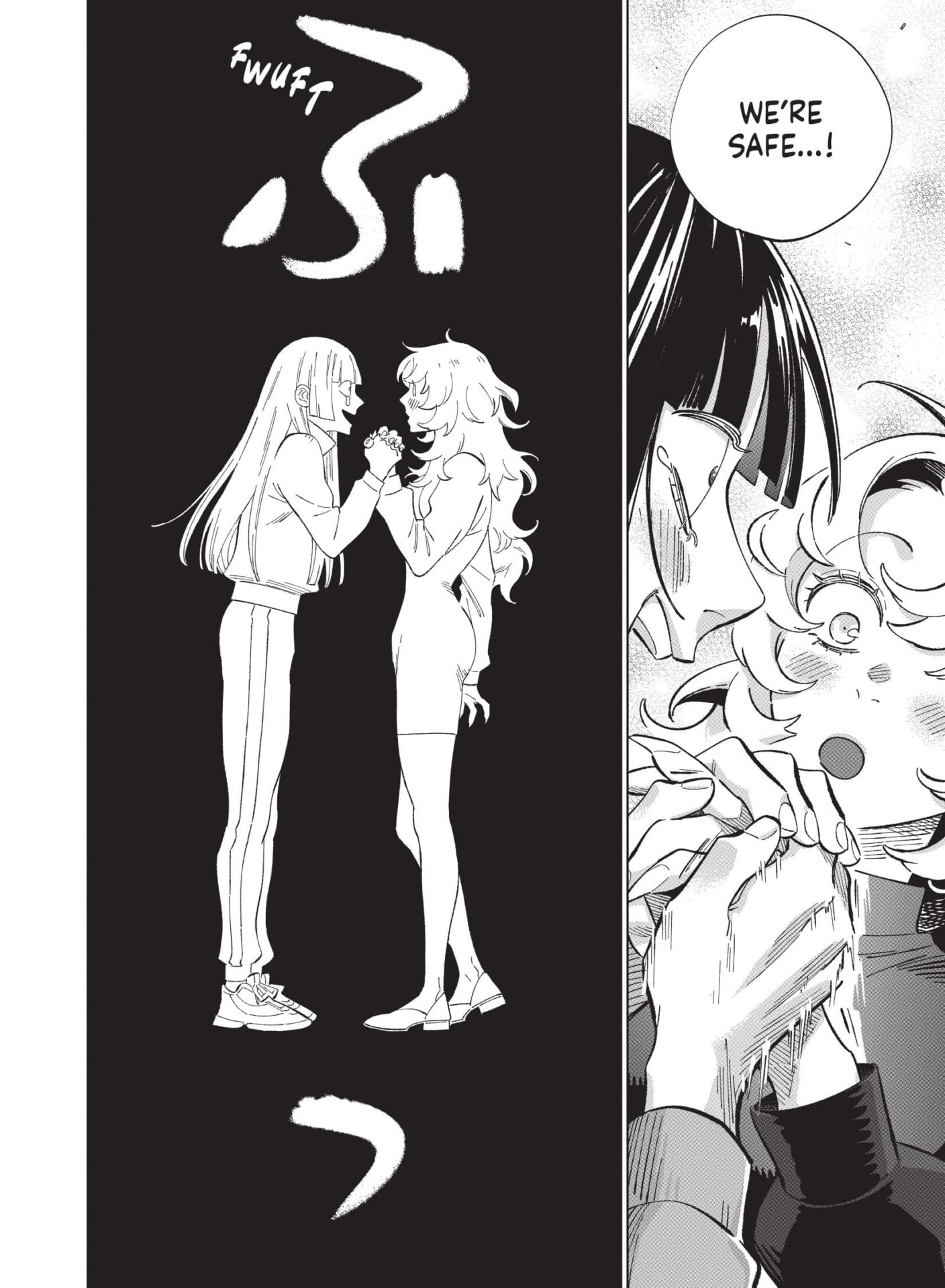
Jiang’s smart move is tonal balance: Wicked Spot can make you laugh at commerce‑driven fame while also letting you feel the tenderness when two people are finally honest. Social media in the book acts like a carnival mirror that flatters and warps at the same time, and Jiang knows when to let the joke land and when to let the heart puncture it. So if you want a rom‑com that’s equal parts witchy and internet‑savvy, and if you liked Green Yuri, you might find yourself already cheering—who are you cheering for, though? ?