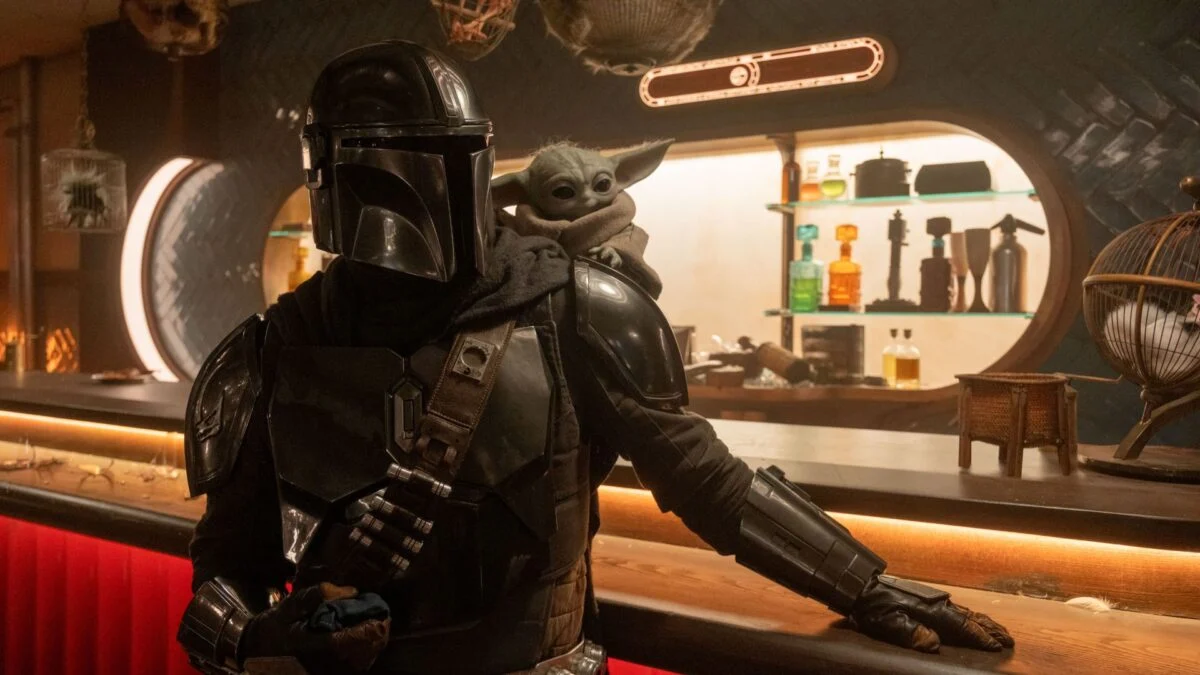
You sit in your seat, halfway through the previews, and realize you remember moments but not the map. I had the same jitter—friends asking whether a three-season binge is nonnegotiable. Your memory isn’t empty; it’s a dented helmet, salvageable with a few key facts.
I’m going to give you the shortlist the studio didn’t print on the poster. Read this before May 22 and you’ll recognize the small signals Jon Favreau and Lucasfilm scatter through The Mandalorian and Grogu. I’ll point to what matters, what you can ignore, and the handful of callbacks that will land like punches.
Father and son
At a bus stop I watched a parent calm a toddler with a single look. That same shorthand is what fuels Din Djarin and Grogu’s relationship: not exposition, but quiet beats.
You don’t need the full three-season arc to feel this. By the film’s opening, Din (Pedro Pascal) has moved from freelancer to guardian. Grogu started life as a bounty objective and ends season three wearing the Mandalorian name—he’s been adopted, and that adoption drives choices in the movie the way gravity guides an orbit.
Do I need to watch The Mandalorian before the movie?
Short answer: no, but a few episodes sharpen the experience. Favreau told press he didn’t want the film to be gatekeeping; he aimed to drop viewers into a clear, emotional moment. Still, knowing why Mando won’t remove his helmet or why Grogu resists Jedi training gives emotional weight to scenes that otherwise would feel like noise.
A new work ethic
On a Monday morning I overheard someone quit a job and explain they wanted to do “better work.” That’s what Mando’s moral pivot looks like on-screen.
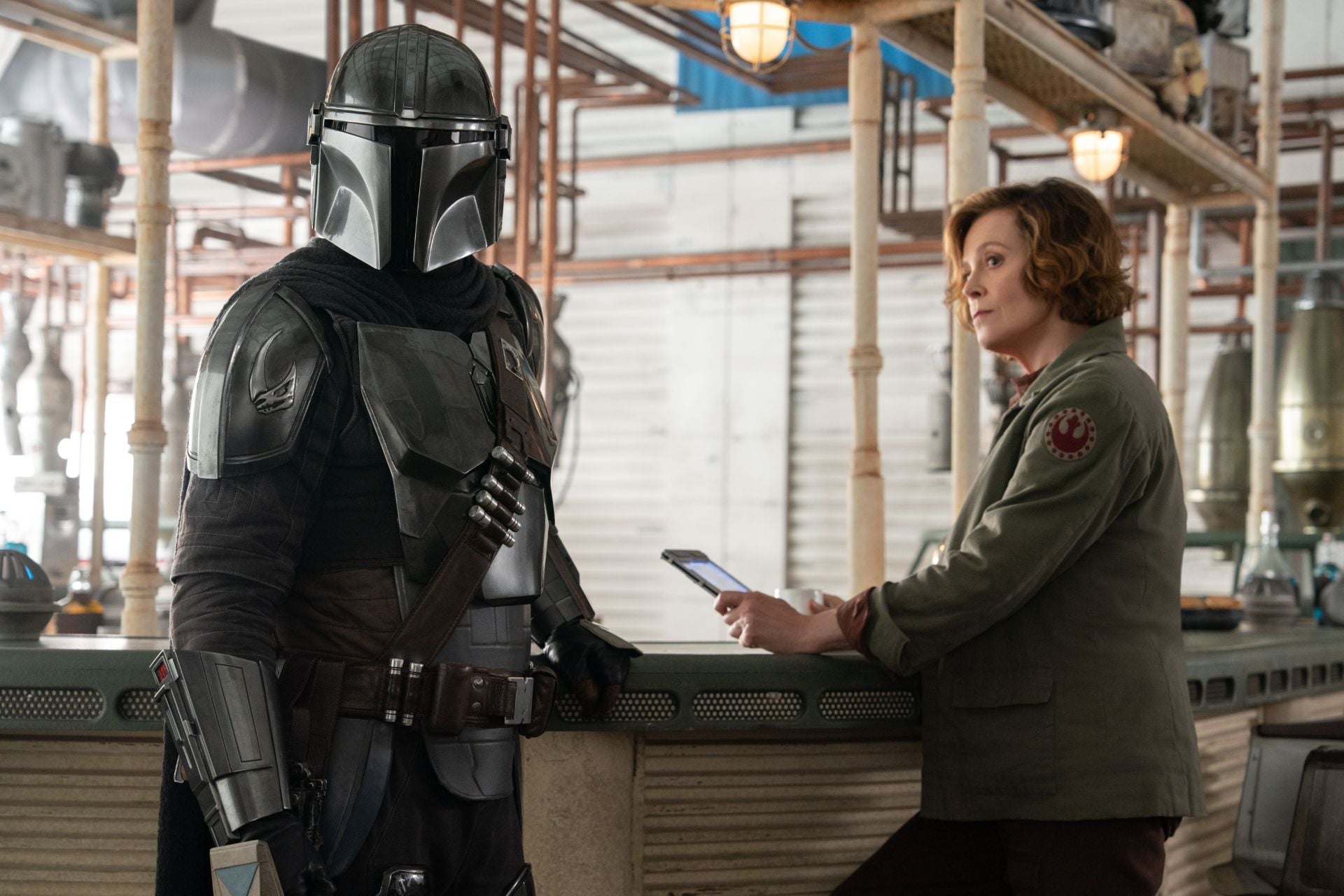
At the end of season three, Din tells Carson Teva (Paul Sun-Hyung Lee) he no longer accepts any contract—he chooses clients by principle, not price. That shift matters because the movie positions him as a force for the New Republic, a change that reframes past allies and enemies. If you follow industry chatter on Disney+ and io9, you’ll see Favreau and collaborators explicitly moved the character toward guardianship rather than mercenary work.
The legacy of Jabba and the Hutts
Walking past an old mob bar, you can still feel the echo of its owner. Crime bosses leave legacies; the galaxy’s underworld is no different.
Jabba the Hutt’s death in Return of the Jedi didn’t erase Hutt influence. The Twins and other syndicates kept pieces of that empire. You’ll spot Rotta, Jabba’s son—yes, he appears in the film—and nod to The Book of Boba Fett and Clone Wars threads. If you track franchise lore on Rotten Tomatoes and IMDb forums, those threads explain who’s gunning for inherited territory.
The Empire is fractured, but not dead
Look around any post-conflict city and you’ll see power vacuums invite opportunists. The same is true for the galaxy after the Empire’s fall.
The timeline sits between Return of the Jedi and The Force Awakens. The New Republic exists and is hunting remnants of Imperial loyalty. Expect the film to treat Imperial remnants as ghosts with influence, not as a fully intact antagonist—you’ll see missions born from that unsettled political map.
When does The Mandalorian and Grogu take place?
The film plays out in the era after the original trilogy and before the sequels. That placement affects technology, alliances, and which veterans might return—Favreau uses that space to reintroduce fan-familiar figures without collapsing into fan service.
Grogu is a Mandalorian apprentice
I once watched a child choose a stray dog and never look back. That choice explains Grogu’s path.
Grogu declined Luke Skywalker’s Jedi offer and accepted the Djarin family instead. He carries a Mandalorian name—Din Grogu—and that status shapes his decisions in every scene. Expect his Force abilities to be present but filtered through the apprentice role he now holds under Mando’s care.
Who is Grogu and why does it matter?
A simple profile: same species as Yoda, strong with the Force, emotionally tethered to Din. That combination makes him the film’s moral fulcrum—the small character who forces big decisions. Media coverage from Lucasfilm emphasizes that emotional center more than any single spectacle.
Another bounty hunter
At conventions you can still hear fans name-checking obscure side characters. Embo is one of those names.
Embo, drawn from The Clone Wars, makes his live-action debut with his anooba pet Marrok. He’s an old-school contractor in the style of the early Mandalorian episodes—skilled, professional, for-hire. Expect his presence to signal how the film balances new faces with legacy players.
The Mandalorian’s ship
Anyone who’s ever owned a beat-up car knows how nostalgia attaches to metal. The Razor Crest had that weight for Mando.
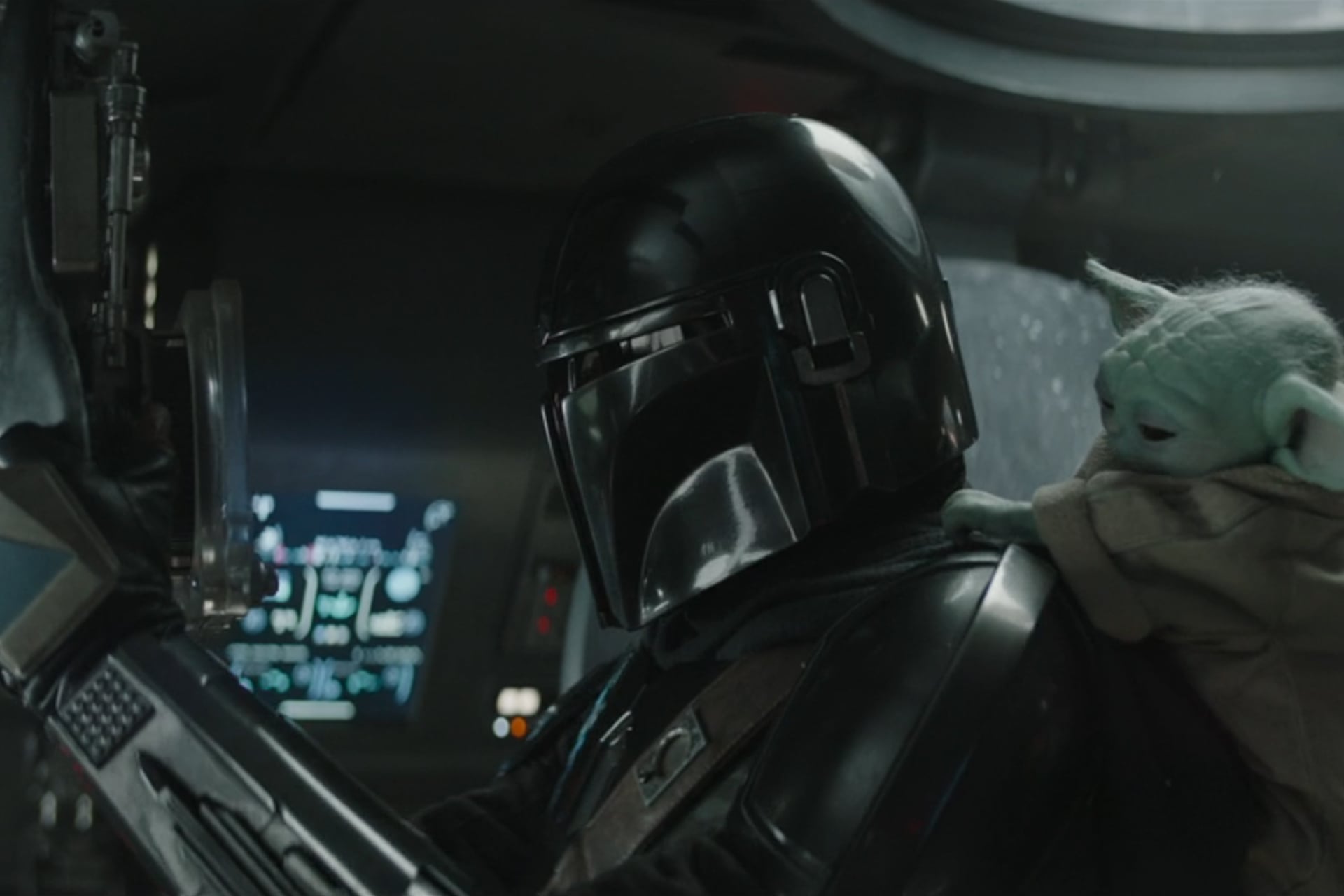
The Razor Crest was destroyed in the series, and Din now pilots an N-1 starfighter. Trailers and merchandising hint at another Crest-class vessel in the film, which functions as a narrative callback—an echo of the past that will matter emotionally more than mechanically.
That’s kind of it
After dozens of episodes, you notice that some plotlines are window dressing while a few threads run like a red thread through everything.
If you have time for a binge, pick episodes that define the relationship between Din and Grogu and the arc where Mando chooses principle over credits. If you’ve read interviews with Favreau, George Lucas, or the creative team on platforms like Disney+ press releases, you’ll find they designed the movie to work for new viewers while nodding to long-term fans.
The Mandalorian and Grogu opens May 22.
Which scene will you replay first when the lights come up?