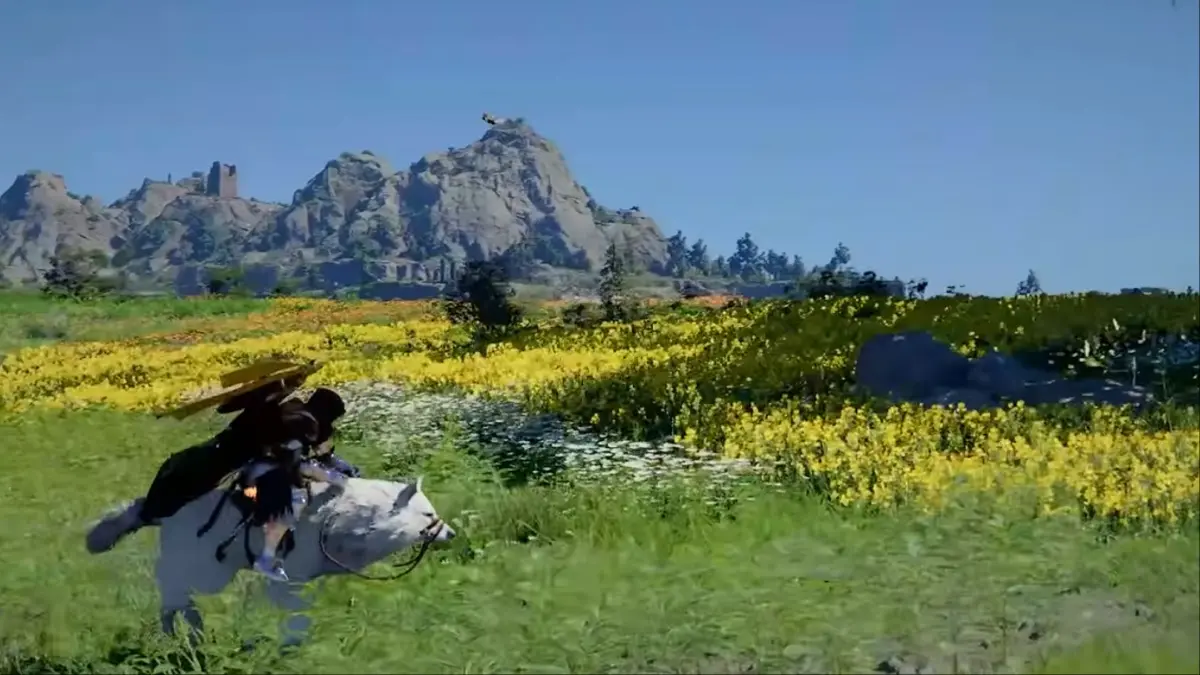
I watched the thread unfold at 2 a.m. as scores dropped and investors blinked. You could feel a single moment split into two — panic on one side, stubborn players on the other. By the time sales numbers arrived, the room smelled like a decision had been made.
I’m not here to defend a studio or to tear one down. I’ve followed Pearl Abyss, tracked Steam review curves, and read through forums until patterns emerged. If you want to understand how a game can go from criticized to celebrated inside weeks, read on — I’ll point to the moves that mattered and the hazards you should be watching for.
#CrimsonDesert has sold through 4 million copies worldwide. Thank you to all the Greymanes who have been a part of this journey with us and for all of your incredible love and support. pic.twitter.com/ZJdavC9FOR
— Crimson Desert (@CrimsonDesert_) April 1, 2026
On launch day Pearl Abyss watched its stock tick down as mixed reviews hit — What those early scores actually signaled
You remember the headlines: glowing takes next to scathing ones, Metacritic averages that barely moved, and a few outlets like Moyens I/O writing hard critiques. That mess of opinions wasn’t just noise — it was a signal about expectations and framing. Reviews arrived early and uneven because the game is large, varied, and fragile at first sight. Early coverage often treated the launch build as the final product, and that amplified every flaw into a headline.
I’ve seen this before: press and influencer timelines compress perception. A title with hundreds of hours worth of content can feel lopsided at first glance. That mismatch between initial sample and long-term experience is where sentiment can flip — but only if the developer acts fast and visibly.
Why were Crimson Desert’s review scores so mixed?
Short answer: inconsistent first impressions. Different reviewers encounter different slices of the game — combat samples, a side quest, a performance bottleneck. Those slices are amplified by publication cadence and platform variance: PC performance on Steam versus console parity matters. Add a few high-profile negative takes and algorithms do the rest.
On forums and Steam pages players began trading tips in hour-long threads — Why player word of mouth flipped the script
You could watch the change on Steam and Reddit: an odd spread of praises for mid-game systems and fury over control quirks. Word of mouth moved like a tide — slow at first, then undeniable. Players who invested time found emergent systems that reviewers who saw 10 hours hadn’t, and they began posting clips, builds, and rituals that made the game fun to others.
That grassroots advocacy shows a truth about modern open worlds: retention tools are social and experiential. Steam reviews, Discord communities, and Twitter clips became the vehicle for discovery. For you as a player or a market watcher, that means first impressions can be overcome when the product contains sticky, repeatable moments.
Is Crimson Desert worth buying after the patches?
Many users now say yes. The game’s core loops — combat growth, creature synergies, and the silly, joyful things players build (I’ve seen armies of cats) — started to outshine launch friction once fast travel nodes, control fixes, and performance patches arrived. If you value long-form play and social discovery, the risk has dropped materially.
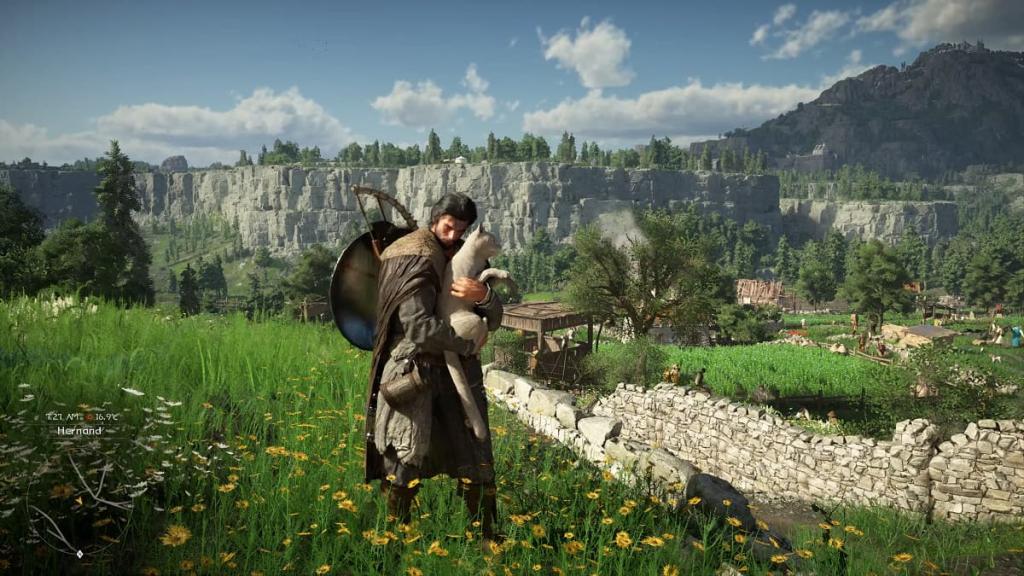
Behind the patch notes QA teams raced to ship fixes overnight — How rapid updates changed perception and why that matters
I read the patch timelines myself: fixes to controls, added fast travel points, performance tweaks, and the replacement of AI-generated art that Pearl Abyss said was left in by mistake. Those responses had three effects — they repaired playability, they signaled listening, and they gave creators content to praise publicly.
Pearl Abyss moved fast, and that speed resembled a pressure cooker ready to vent: when patches landed, sentiment eased and reviews that had focused on launch faults softened in tone. But speed has a cost. You should ask whether those hotfix cycles relied on excessive overtime at the studio and how sustainable this model is for long-term quality.
How did Pearl Abyss fix launch problems so fast?
They prioritized measurable friction: controls, performance, and convenience. That’s classic triage — ship smaller patches targeted at the complaints that generate the most churn. They used telemetry, player reports on Steam and Discord, and social listening on Twitter to identify hot spots quickly. Public visibility of fixes mattered as much as the fixes themselves.
At investor calls and on Twitter the conversation shifted from anger to praise — What the industry should study next
I sat through the postmortems on social feeds: a studio under pressure, players forgiving when improvement was visible, and a market that rewarded resilience with sales. Four million copies moved off shelves in under two weeks, roughly $240 million (≈€225 million) in gross revenue if you assume a $60 retail, and that figure rewrote the narrative overnight.
So what should you, as a developer, publisher, or observer, take from this? First, the timeline of judgment has stretched: early critics matter, but community momentum can reverse headlines. Second, transparency and public-facing fixes are powerful instruments for reputation repair. And third, the balance between speed and staff welfare deserves scrutiny.
I’ll be watching how Pearl Abyss manages the next six months: live service planning, DLC cadence, and whether player goodwill converts into a sustainable community. The case of Crimson Desert is one of 2026’s clearest examples where a rocky start didn’t settle the final verdict because people kept playing, talking, and the studio kept shipping fixes. That should prompt debate — do short-term sales vindicate post-launch rescue work, or does it reward studios for risky launches at the expense of teams and trust?
Which side do you think the industry is about to choose?