
I got the call just as I was sliding under the covers. The word was simple and fatal: “pulled.” You felt the room go cold—what you thought was settled suddenly wasn’t.
I’ve spent years asking creators and editors the questions you want answered: Who signed off? What broke? Why did DC, after approving scripts and a completed cover, step back from a scene where Swamp Thing would stand at the foot of the cross?
Taking Root
A friend in art school calls you about a writer who’s rewriting horror at the highest level.
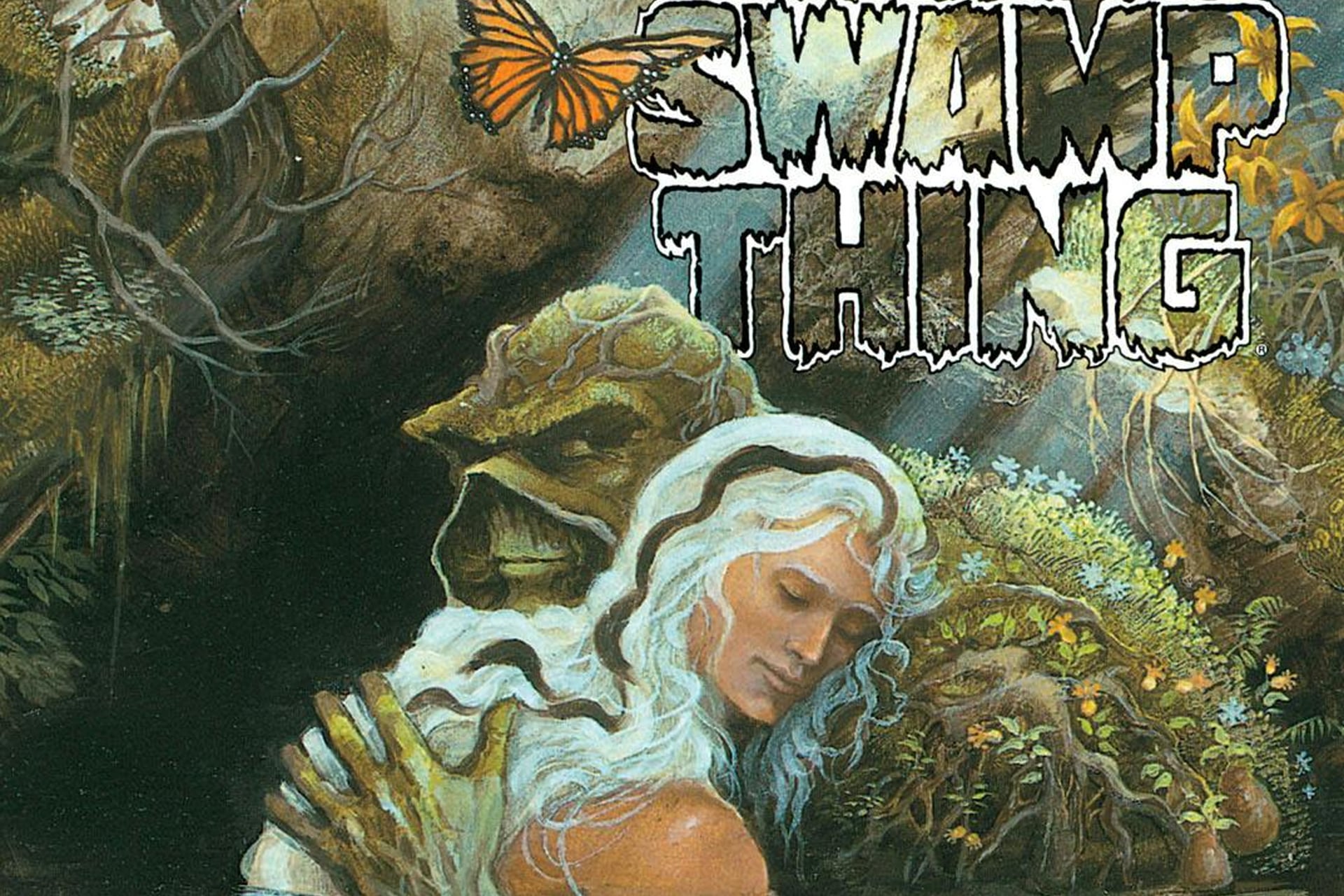
I was told Alan Moore had arrived, and that Steven Bissette and John Totleben were already drawing his scripts. That’s how Rick Veitch got pulled into the orbit of Swamp Thing. He ghosted machinery and panels, then slid into full penciler duties when the original team left. The book became an odd, intelligent hybrid of horror, romance, and surreal science fiction, and when Moore bowed out, Veitch was asked to carry the torch.
Bearing Mixed Fruit
You could feel the culture wars bleeding into comic racks in the mid-1980s.
Veitch wasn’t naïve. He liked being provocative—sex, violence, the kinkier edges of superhero myth—but the industry around him was changing. DC instituted a ratings-style label and then shifted it; names like Alan Moore, Frank Miller, and Howard Chaykin pushed back. Karen Berger, Jenette Kahn, Paul Levitz, and Dick Giordano all had seats at the table. The company wanted to keep creative risk while dodging headlines, so the idea of putting the Green into history was framed as a solution: send Swamp Thing away from DC continuity and into time itself.
The culture-war backlash, though, didn’t behave politely. The controversy spread like spilled ink across a white page.
Why was the Swamp Thing Jesus issue scrapped?
In short: timing and fear. The late-1980s media climate—Martin Scorsese’s The Last Temptation of Christ, the Salman Rushdie fatwa, and heightened sensitivities—made religious depictions combustible. Veitch submitted an outline and completed scripts; the pencils and a finished cover for issue #88 existed. Still, when the image of a crucified Swamp Thing hit production, DC pulled the plug. Karen Berger told Veitch the issue was pulled late at night; Veitch resigned after a terse attempt at renegotiation.
Ungodly Acts
A late-night phone call can split a life into before and after.
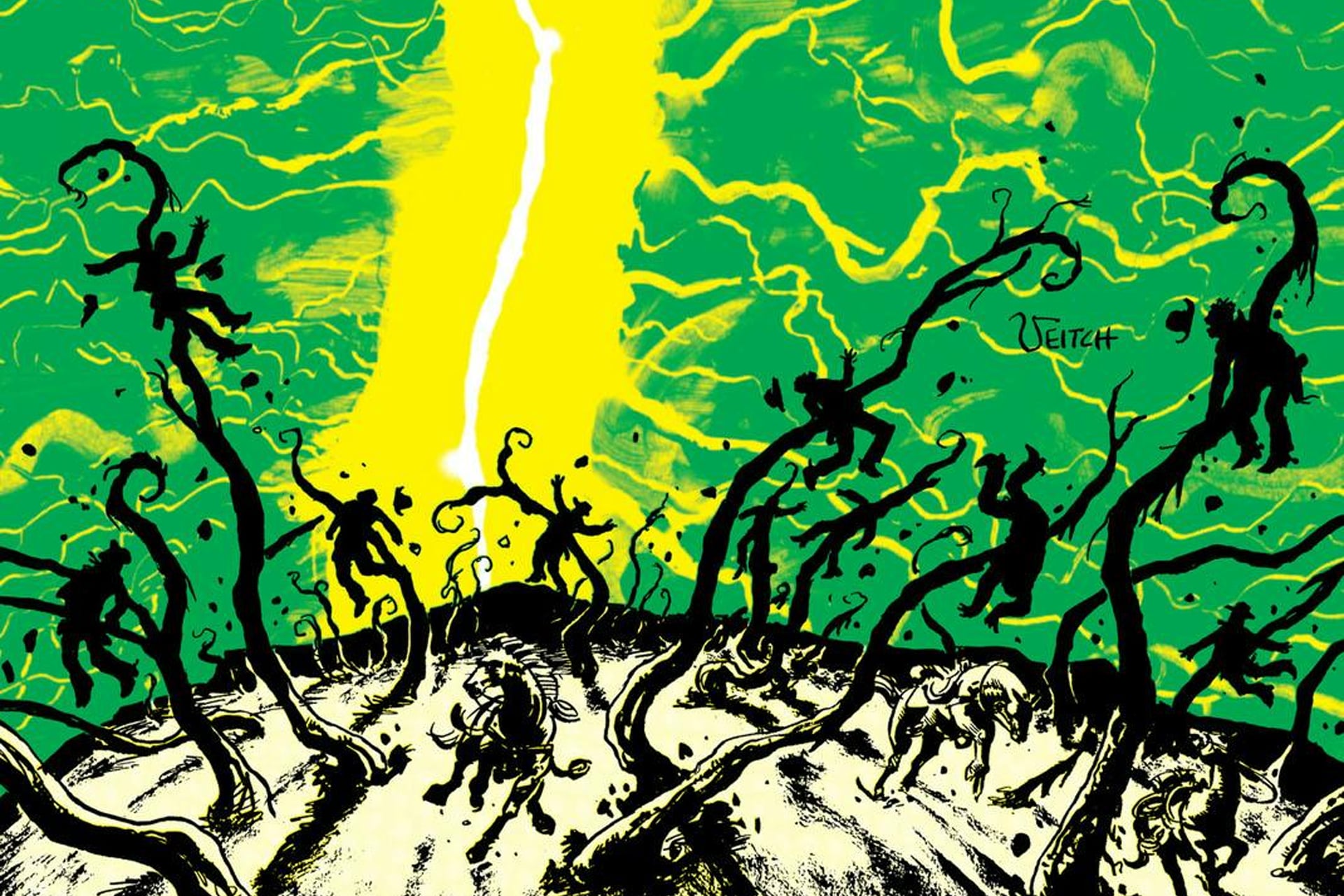
Veitch’s story had him moving backward through history until he reached Gethsemane and then the crucifixion. The planned cover—Swamp Thing crowned and carved into wood—was the final straw. Even though Berger had initially signed off and higher-ups appeared to have approved the outline, production colors and the cover’s staging set off alarms. Veitch remembers being stonewalled; he offered rewrites and softening, and DC just said no.
Did DC approve the story?
Parts of it, yes. Veitch says Berger and several executives signed off on the outline and early scripts. The real fracture point arrived when art and production made the parallels unavoidable. A green crucifixion image read differently in an office full of lawyers and PR people than it did in a studio meeting about myth and pantheism.
Second Coming
Rumors aged like cigarette smoke at conventions and in trade magazines.
The story became a legend: Wizard Magazine wrote it up in 1993, and fans shelved it among comic lore. Attempts to revive it stumbled—2019 nearly saw publication, but a Fox News story about a separate Jesus-themed comic made DC skittish again. Then Alex Galer, a collector/editor who’d spent years with DC’s archives and collected editions, pushed for a special project. He convinced the company to let Veitch finish the scripts and to assemble a creative team to complete what time had left unfinished.
Michael Zulli had penciled the first issue before illness took him; Alfredo Alcala had long since passed. Vince Locke inked Zulli’s pencils, honoring the line work, while Tom Mandrake handled the remaining issues and Trish Mulvihill matched colors to Tatjana Wood’s old palettes. Scott Dunbier and Bob Wayne had been backstage advocates. The production aimed to mimic the late-1980s look—newsprint, period ads, and the limited palette that made those issues feel of their time—so readers feel it slot into old runs naturally. The book will sell for roughly $4.99 (€4.70) per issue on release.
The story slept in DC’s vaults like a seed under winter soil.
When will Swamp Thing 1989 be released?
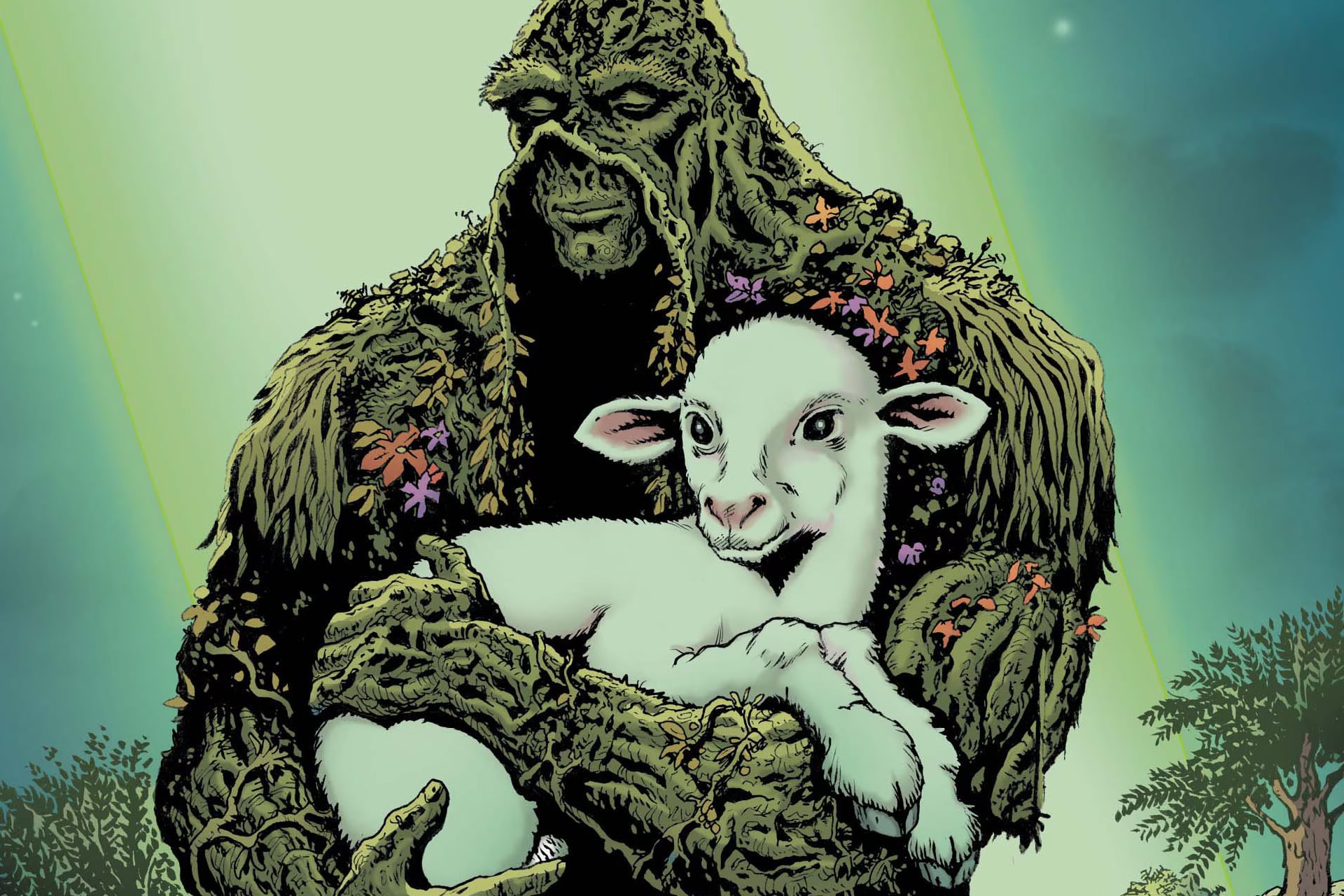
The first issue of Swamp Thing 1989 ships April 29, 2026. Alex Galer, Veitch, Mandrake, Locke, and Mulvihill all signed on to a project designed to feel like it grew out of the original run—even down to the paper and palette choices.
If you care about comics history, this is more than a curiosity. It’s a case study in editorial risk, public pressure, and how a piece of art can be exiled and later reclaimed. You’ll see Veitch’s love of pantheism, his Catholic upbringing, and his dream work threaded through a story about nature, faith, and the cost of being honest on a page—questions that still unsettle publishers, creators, and readers.
I’ll ask you to keep one thing in mind: the comic that almost wasn’t forces us to choose which stories we want publishers to protect and which ones we want them to fear—what would you protect and what would you burn?