
I watched the trailer with my coffee gone cold and realized my thumbs were already itching. You can feel the crowding—enemies swarm the frame until choices matter. If you played Marvel Zombies, this hits like a dam breaking.
I’ve been tracking NetEase’s co-op experiments, and you should pay attention: Blood Hunt isn’t a seasonal novelty. You and I both remember how popular Zombies forced the mode to stick around longer than NetEase planned—this feels like the logical, bloodier follow-up.
I pressed play and the first thing I noticed was the density—the screen becomes a battlefield of small, biting threats.
NetEase is doubling down on what worked in Zombies: scale. Blood Hunt layers vampires, bats, and the familiar zombie tides so attacks feel weighty and constant. You watch numbers explode; every hit reads like the game is rewarding aggression.
That enemy density does more than feed spectacle. It reshapes roles. A blade-focused hero becomes a sustain machine; a bruiser turns into a crowd controller. If you like chaining abilities and watching meters surge, this mode rewards the kind of risk that keeps sessions short and compulsive.
How long will Blood Hunt be available in Marvel Rivals?
NetEase launches Blood Hunt on April 23, and the window feels limited by design—past PvE runs in Rivals have been rotated or retired after a season. I’d treat this like a timed event: play early if you want the full roster of rewards and bragging rights.
At one cut in the footage Kingpin stands over Manhattan—that visual is a promise and a threat in the same frame.
Blood Hunt isn’t just more enemies; it brings big, named fights. Expect clashes with Dracula, Werewolf Captain America, Ratatoskr, and a finale teased as Wilson Fisk / Kingpin. Those bosses tighten both narrative and mechanical stakes: you’re not farming anonymous mobs, you’re resolving scenes.
Who are the bosses you’ll face in Blood Hunt?
The trailer and NetEase teasers point to Dracula and Kingpin as anchor encounters, with mythic and street-level threats filling in the rest. That mix of supernatural and mafia-style bosses lets teams practice multiple strategies per run.
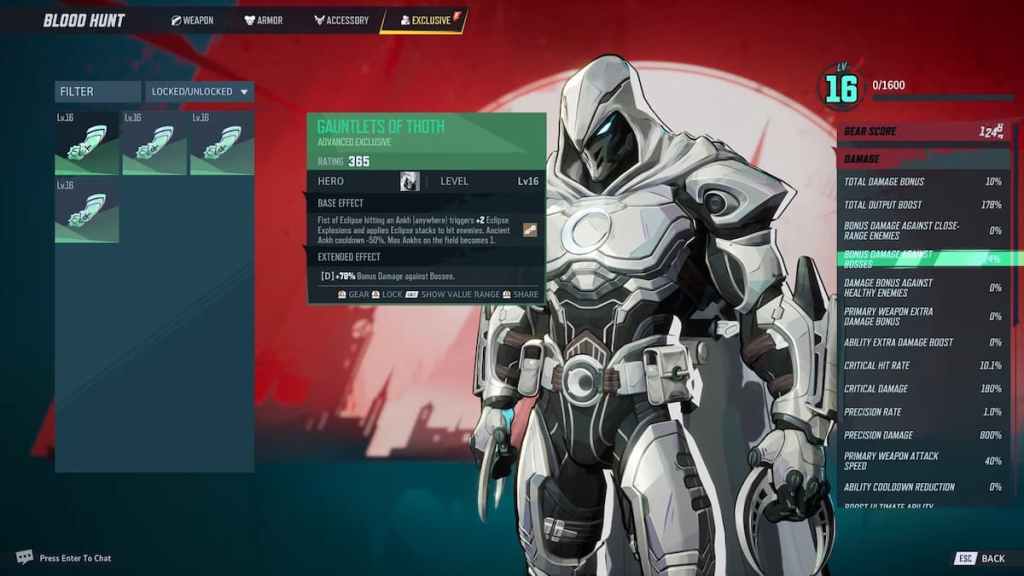
I paused on the hero screen and saw how the tools change the game: gear slots, loadouts, and built-in synergies.
Playable options include Blade, Moon Knight, Thor, The Punisher, Squirrel Girl, and Jeff the Land Shark. Each hero has four gear slots that bend playstyles toward sustain, burst, or control—the same design language that made Marvel Zombies feel layered and re-playable.
NetEase is leaning into buildcraft. Between round-to-round bonuses and gear choices, Blood Hunt promises more ways to tinker, which will matter for ranked groups and streamers alike. YouTube creators and outlets like Moyens I/O are already parsing ideal mixes—expect meta conversations fast.
Combat itself looks more theatrical: bigger damage text, denser spawns, and encounters that push coordination. For players who loved mowing down hordes, this scratches that itch; for groups who prefer tactical depth, the boss variety forces smart positioning and role clarity. It feels like combat has become a wild orchestra where every instrument can blow the piece apart if mistimed.
If you played Zombies heavily, this might pull you back full-time; if you skipped the first mode, Blood Hunt is a stronger first impression. NetEase is smart here—pairing spectacle with measurable complexity keeps both casual players and grinders engaged.
So will you queue into Blood Hunt the second it goes live, or watch the meta from the sidelines and wait for a patch—do you bet on the chaos, or on a slower, safer grind?