I stepped through a prop door and realized my phone had no business capturing this. The room snapped shut around me with the quiet of a theater right before the lights go down. For a few breathless minutes I forgot to be a journalist and simply let the set work on me.
I’ll be blunt: you and I both know how staged these press visits can be. This one felt different. You get invited to see the first 18 minutes in IMAX, then to trace the seam where film and TV meet—Jon Favreau kept one of his New Republic bars from the series—and the result is a string of small shocks that add up to actual wonder.
The bar smelled faintly of sawdust and spilled ale
The Adelphi bar set—where Mando sits with Colonel Ward—exists in the way great theater sets exist: full of touchstones that signal story without handholding. Stormtrooper helmets lined the wall like a bad family heirloom; a Probe Droid head hung above the taps. There were shuffleboard and arcade consoles, a wing of an X‑wing, and the very table you saw in the trailer.
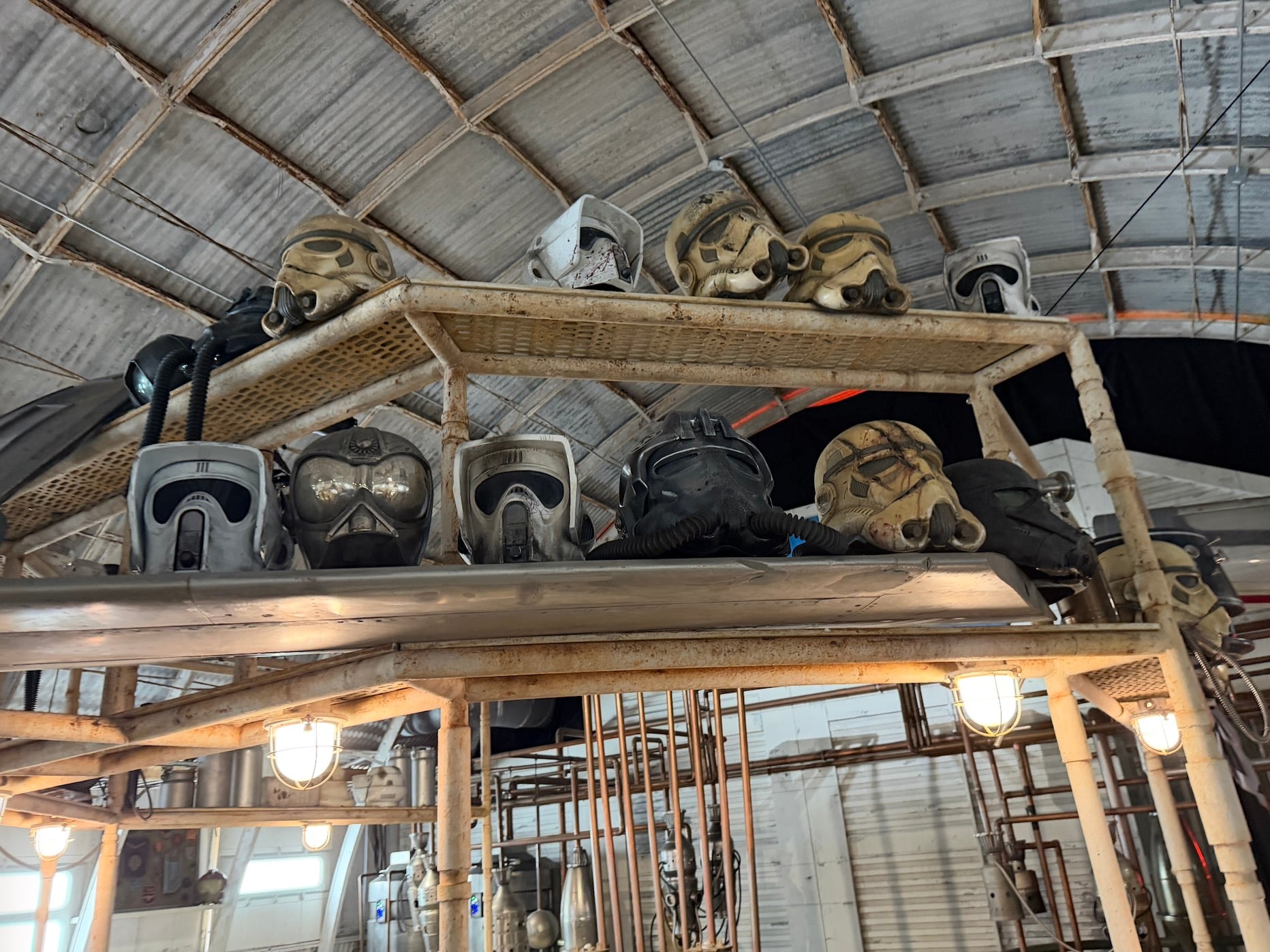
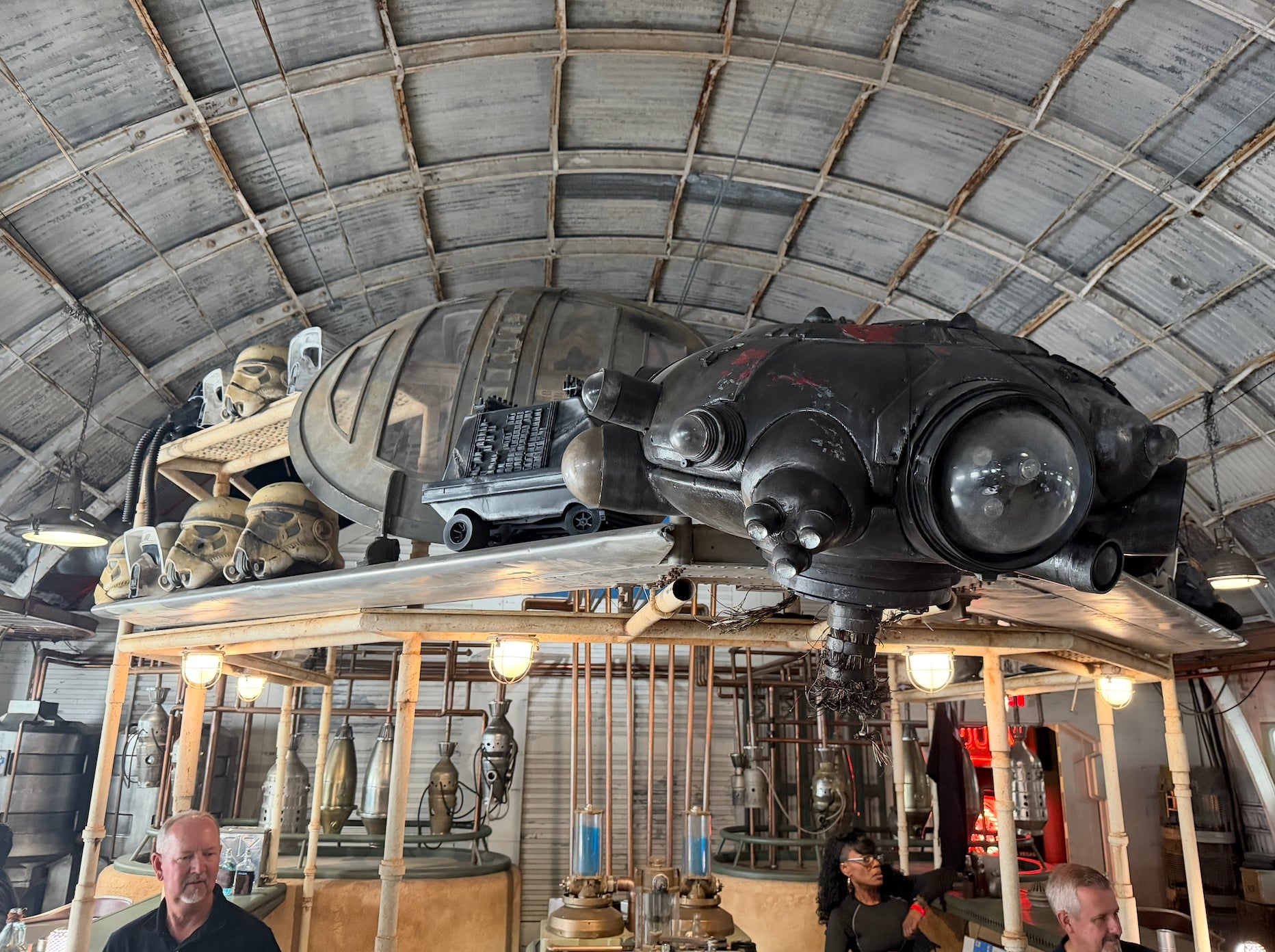
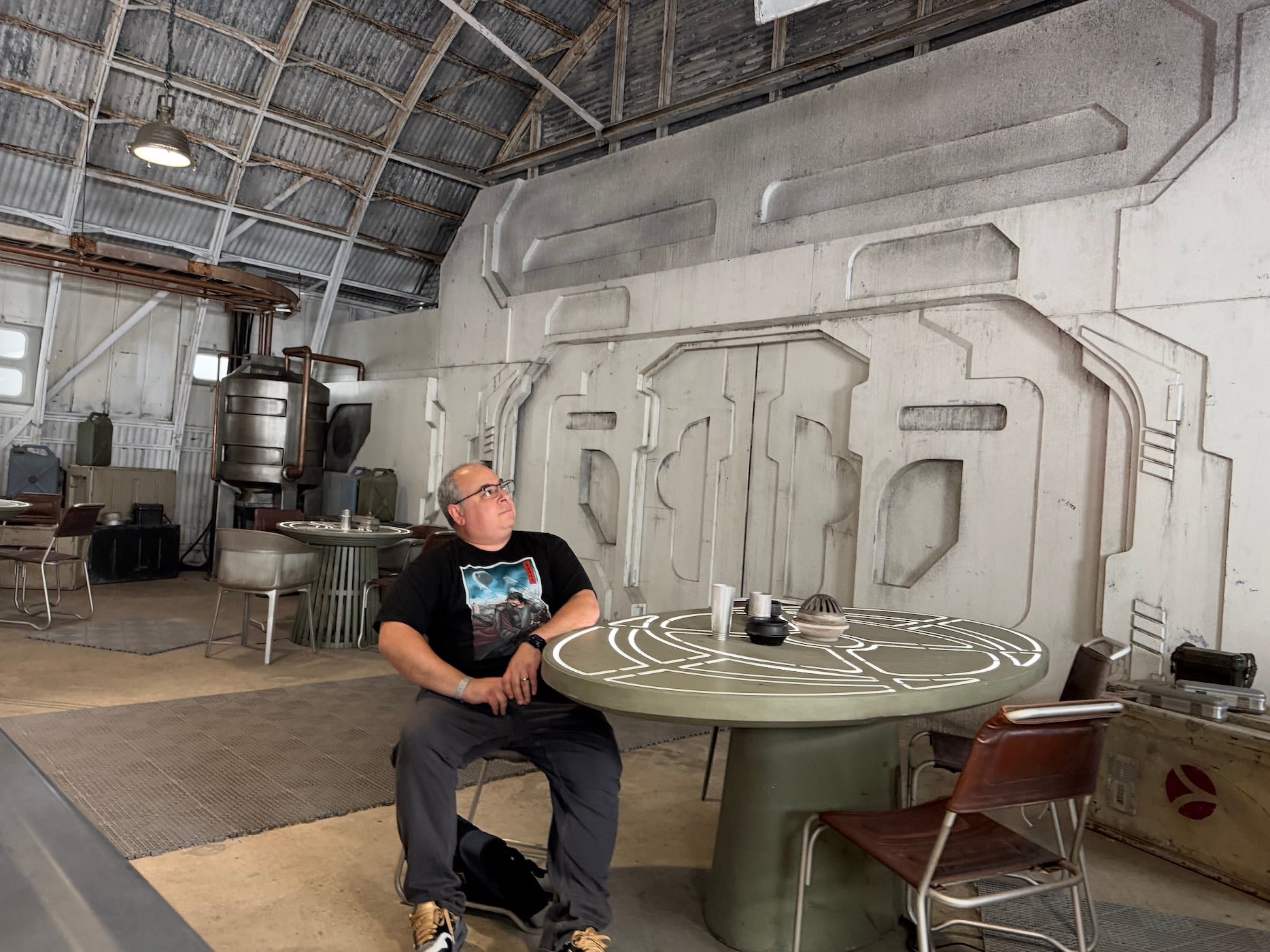
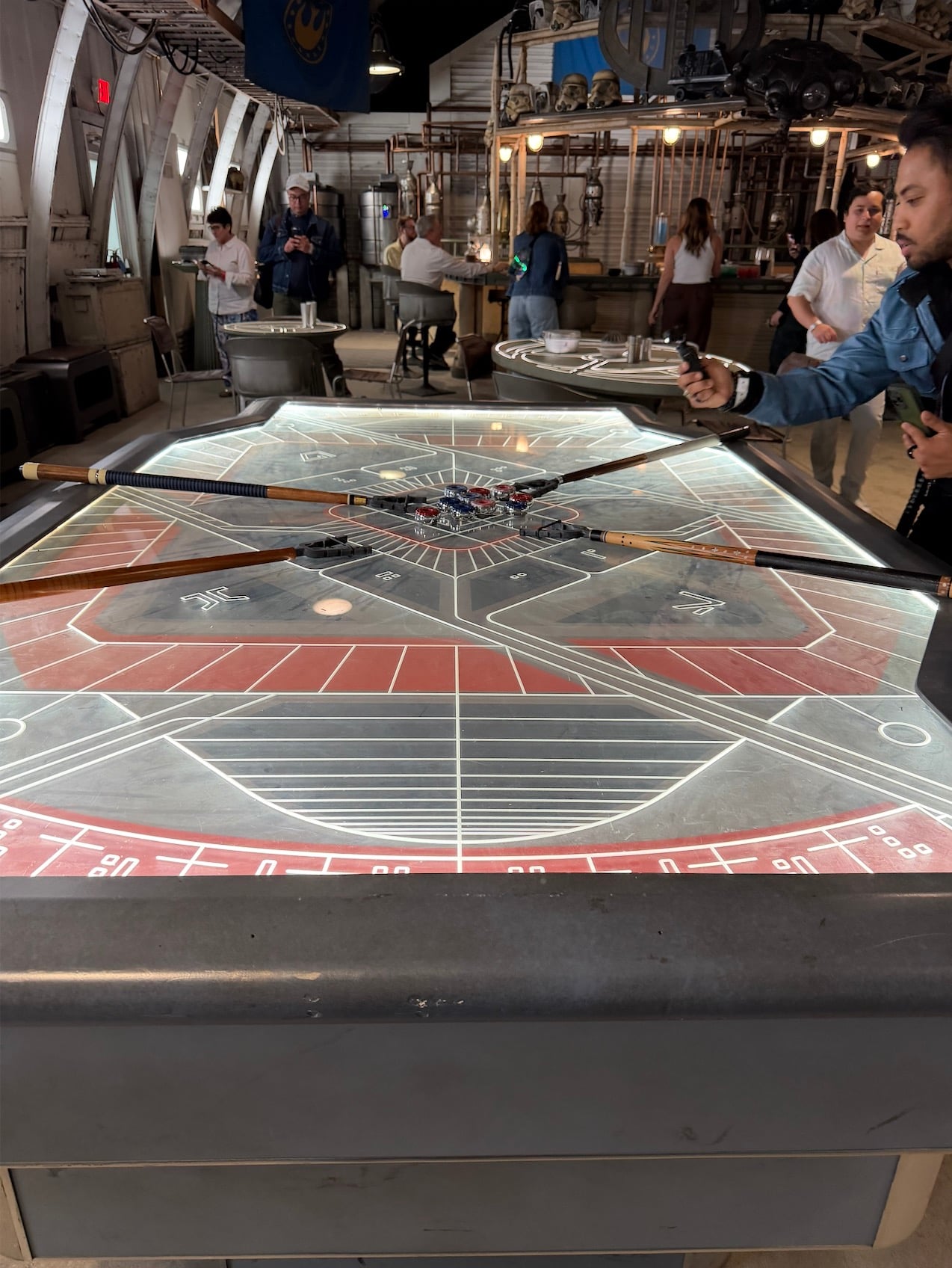
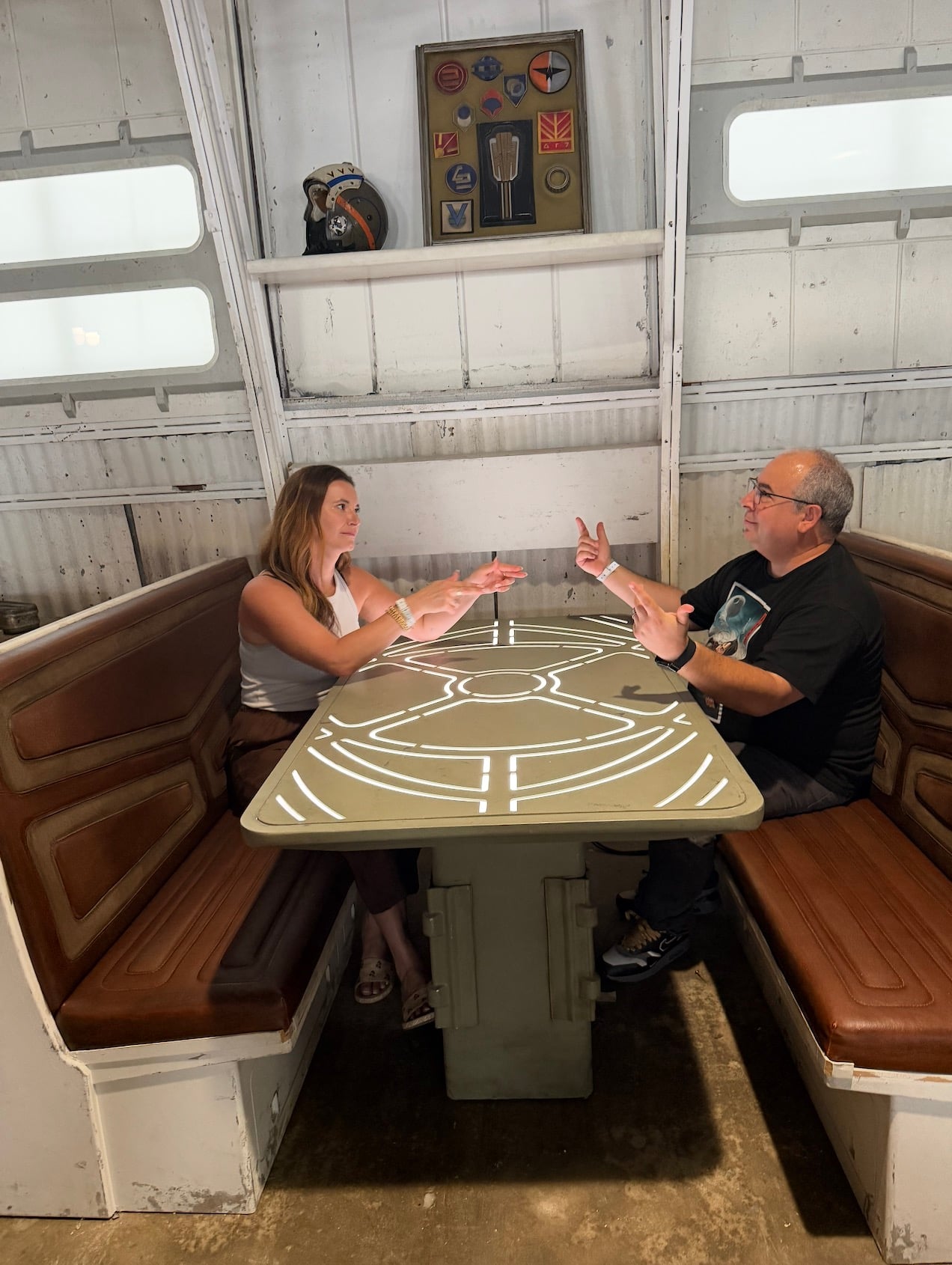
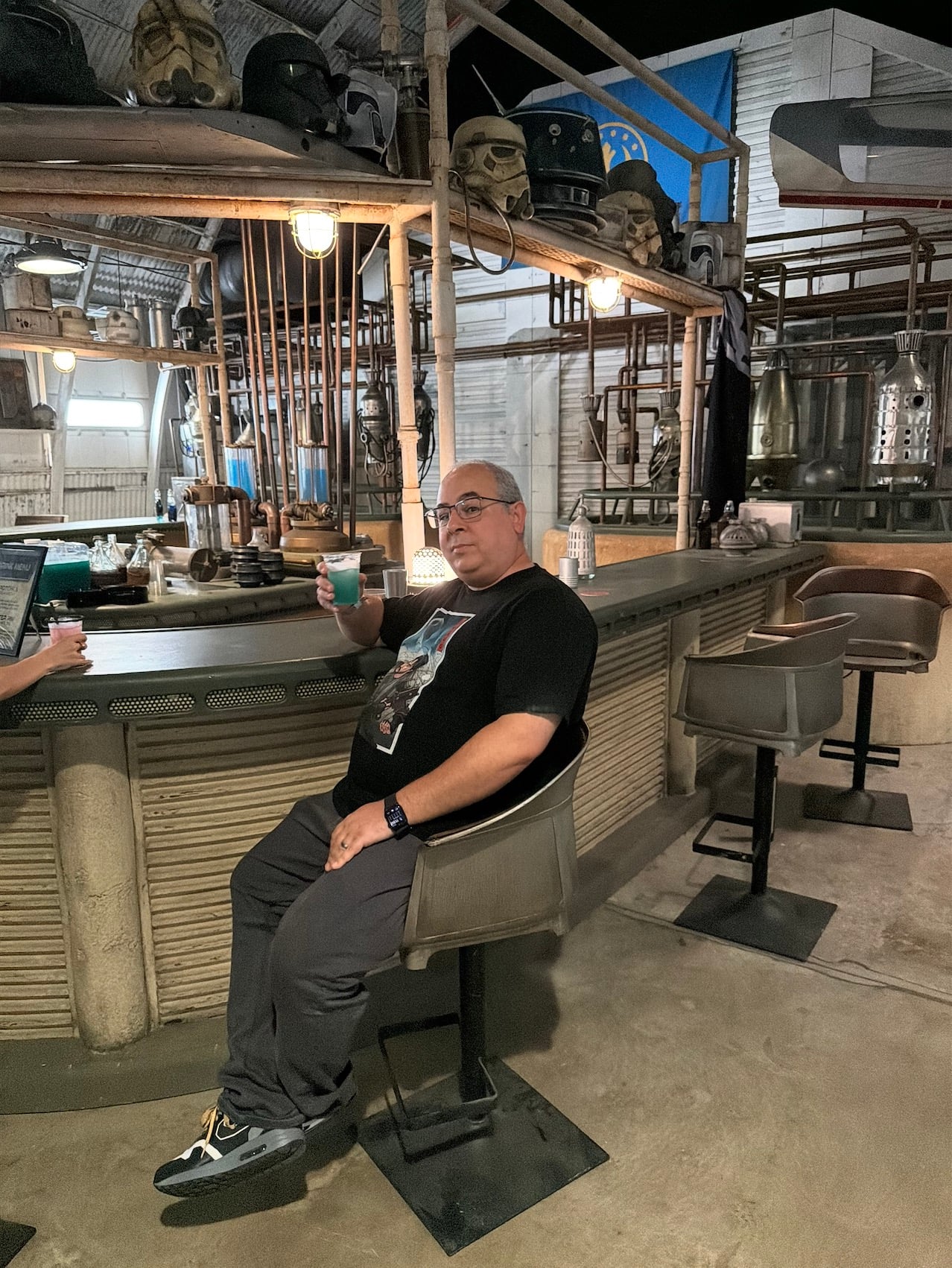
That sort of detail cues you as a viewer: you don’t need exposition when a world feels occupied. The set is a rehearsal room for memory—Favreau and his art department have placed objects so your brain finishes the sentence for you.
Who stars in The Mandalorian and Grogu?
Pedro Pascal anchors the film, with Jeremy Allen White and Sigourney Weaver in prominent roles. Their presence gives the movie weight: Pascal’s steady gravitas, White’s kinetic urgency, Weaver’s authoritative angle—each performance flips a switch in tone. You’ll recognize Favreau’s fingerprints across production design and casting choices, the same sensibility that made Disney+ hits feel cinematic.
The creature room looked like a hoarder’s dream and a curator’s fantasy at once
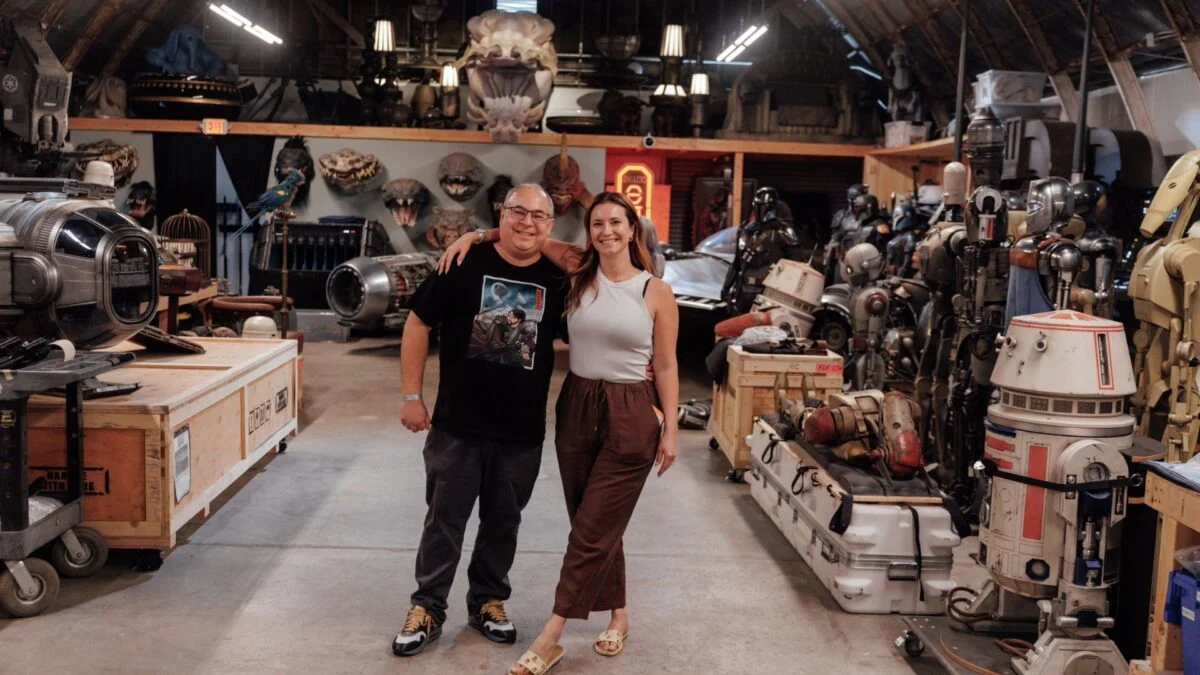
I walked through a door a few buildings over and entered a space piled with screen-used things: tauntaun and nexu heads, full-size N1 Starfighter, the Razor Crest cockpit. Droids clustered like a family reunion. Animatronics and masks leaned against crate walls, and tucked in a corner was Neel from Skeleton Crew—impossible to miss.
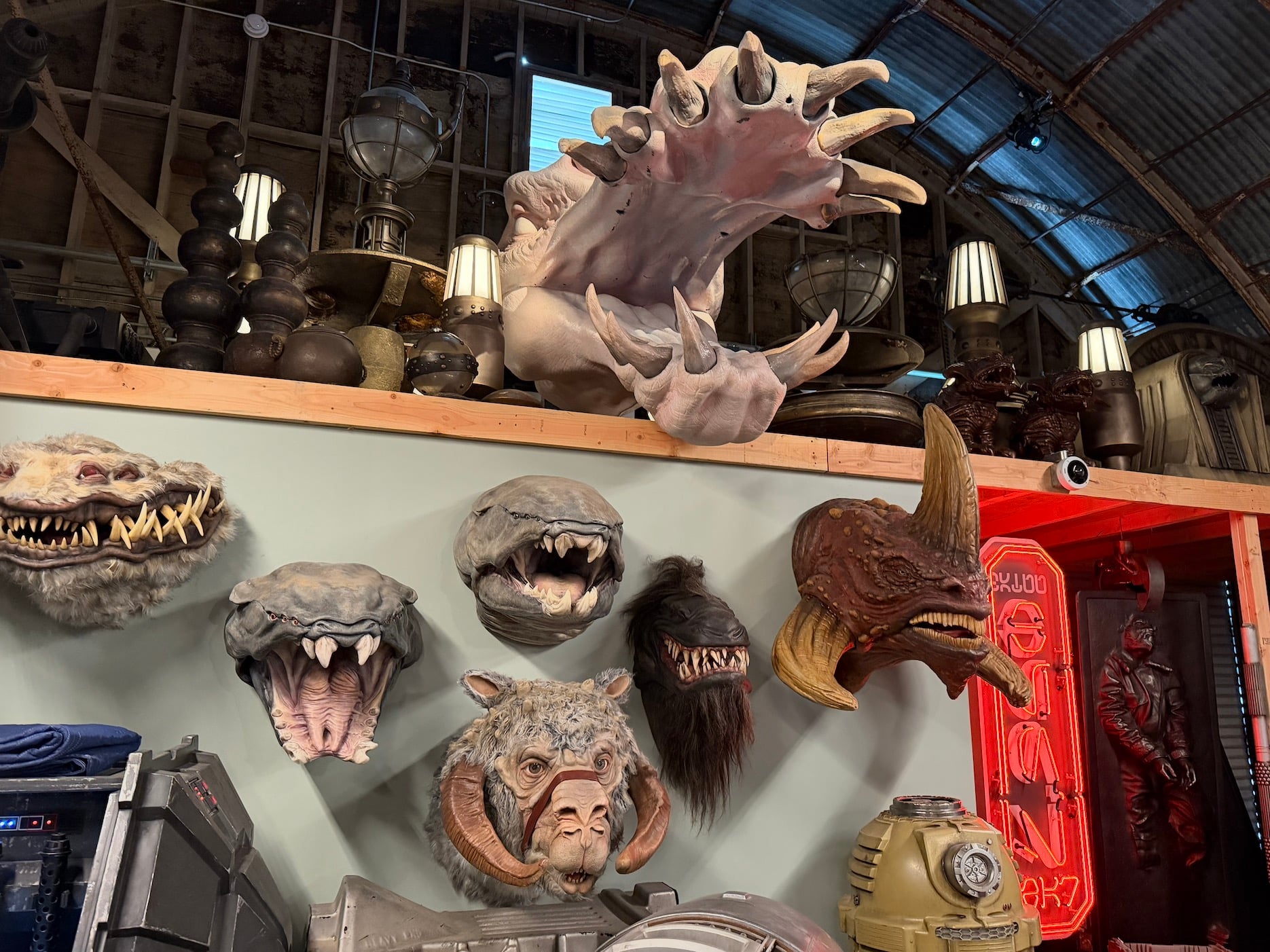
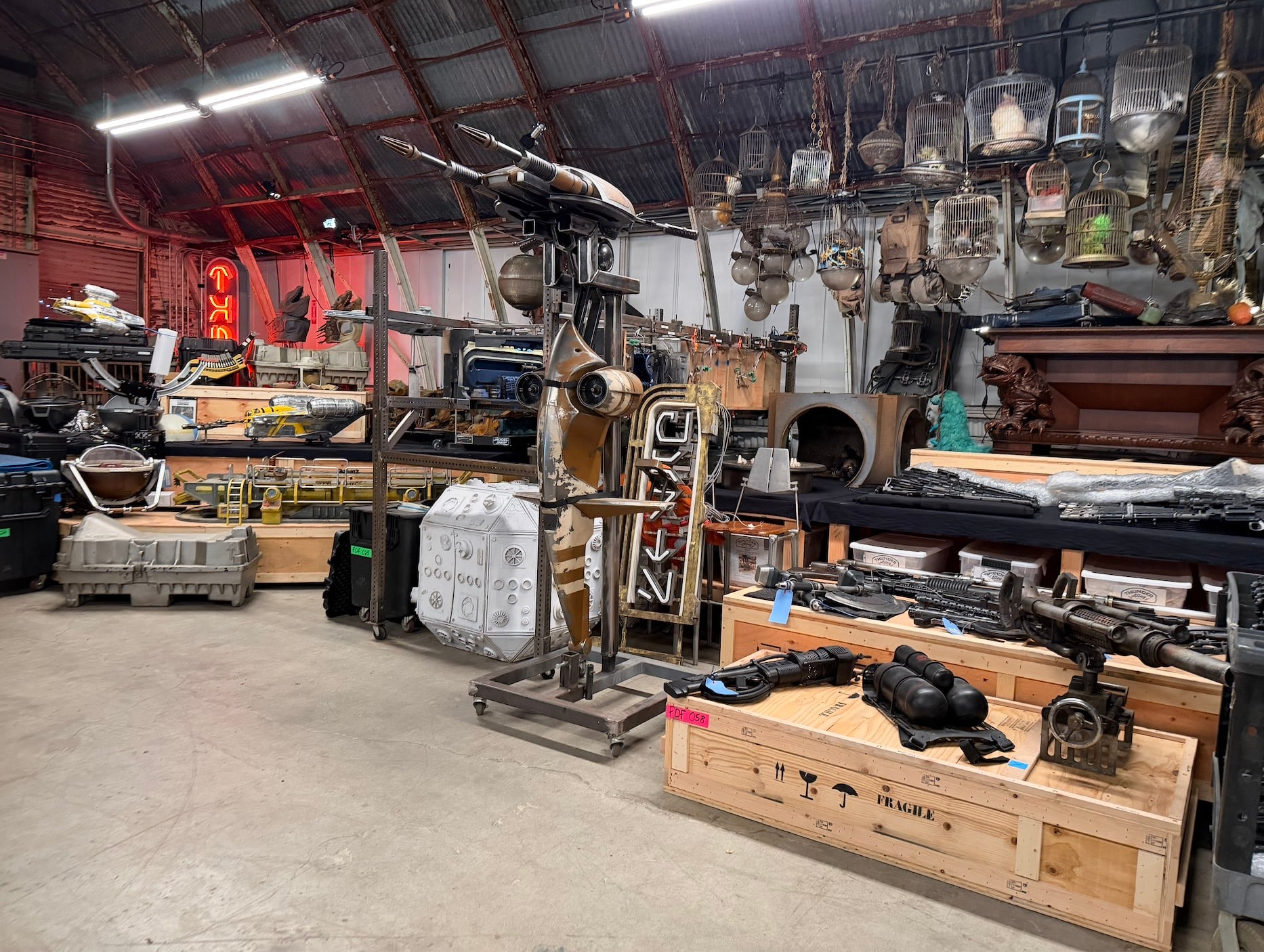
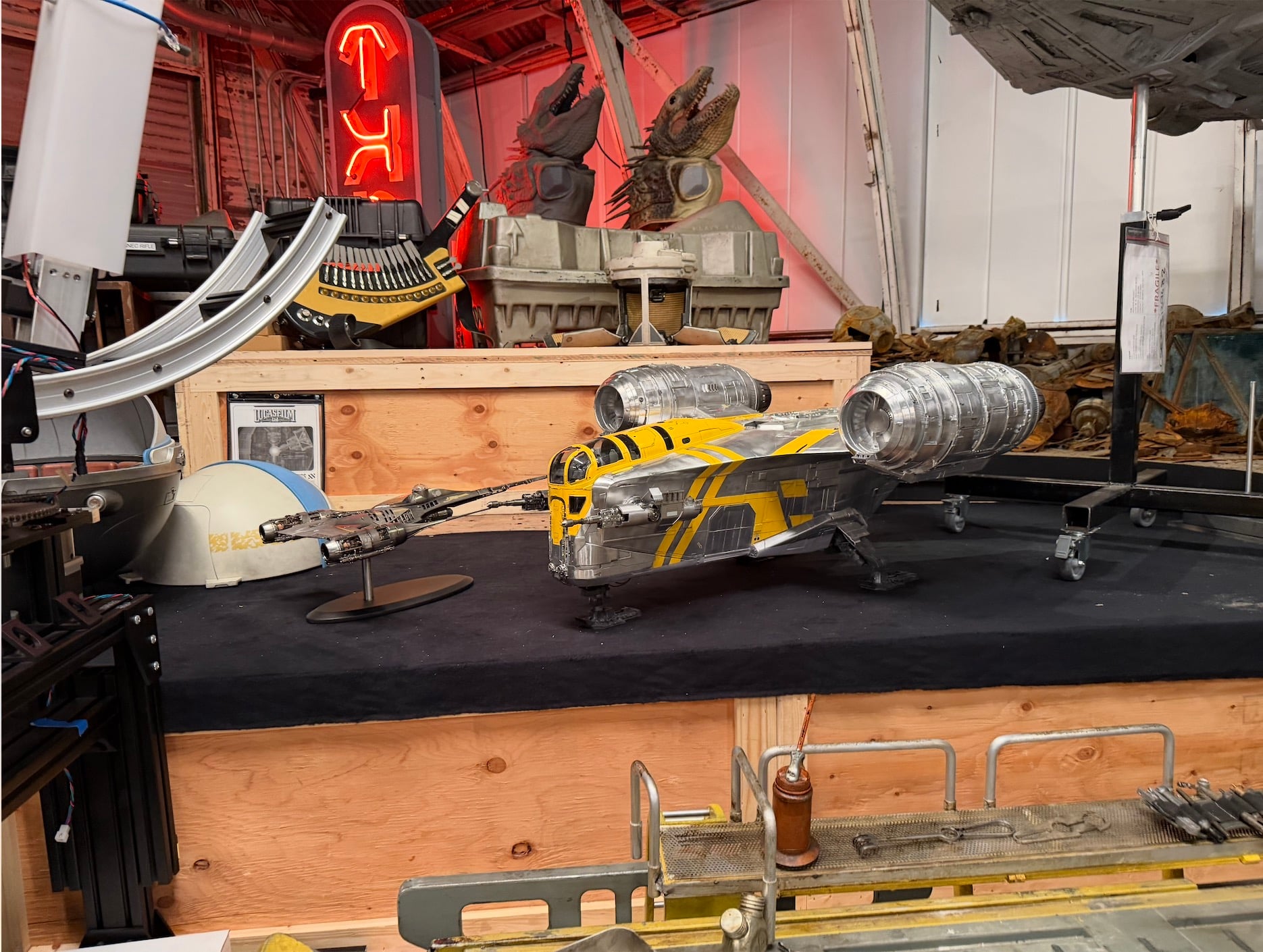
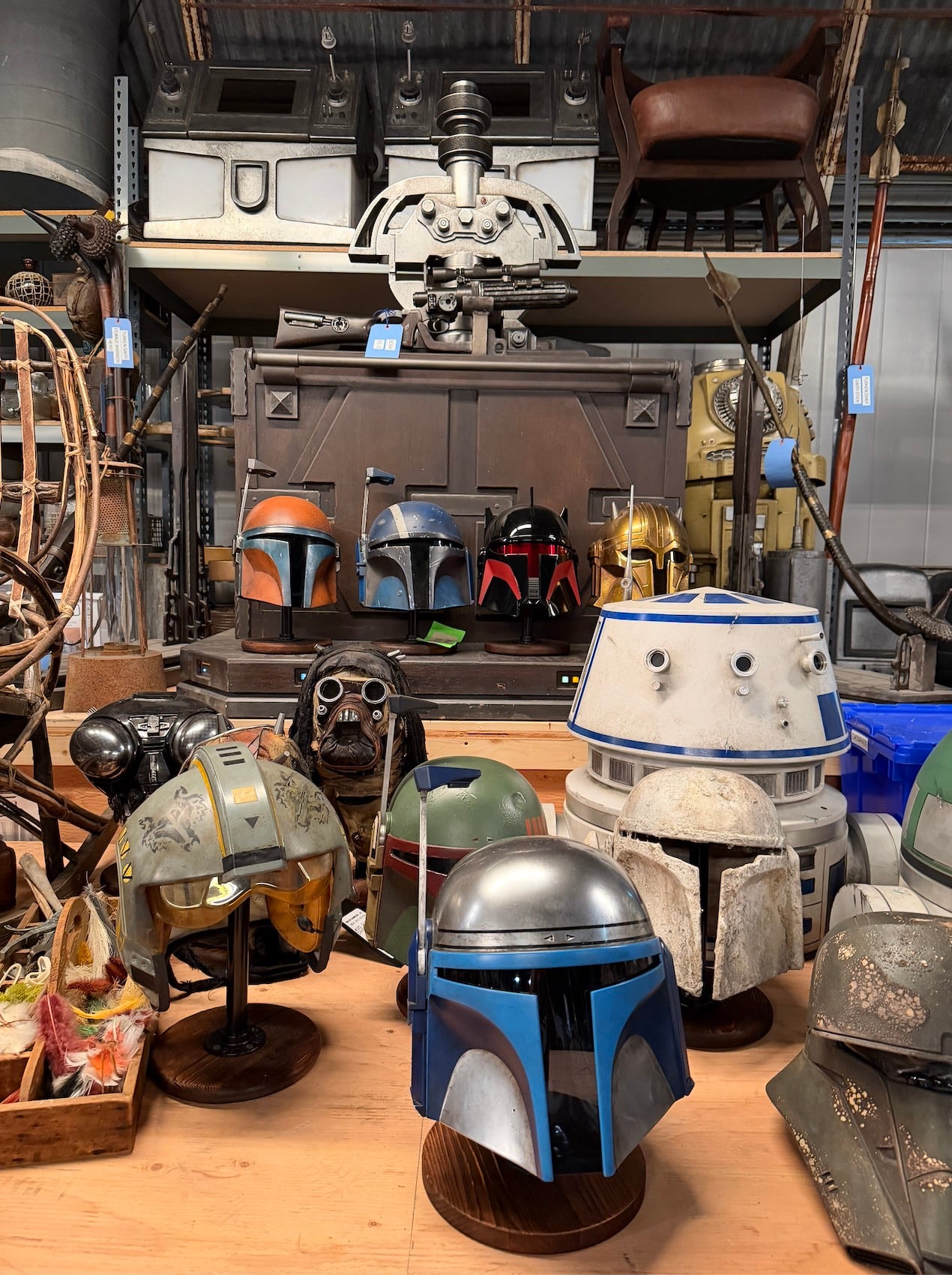
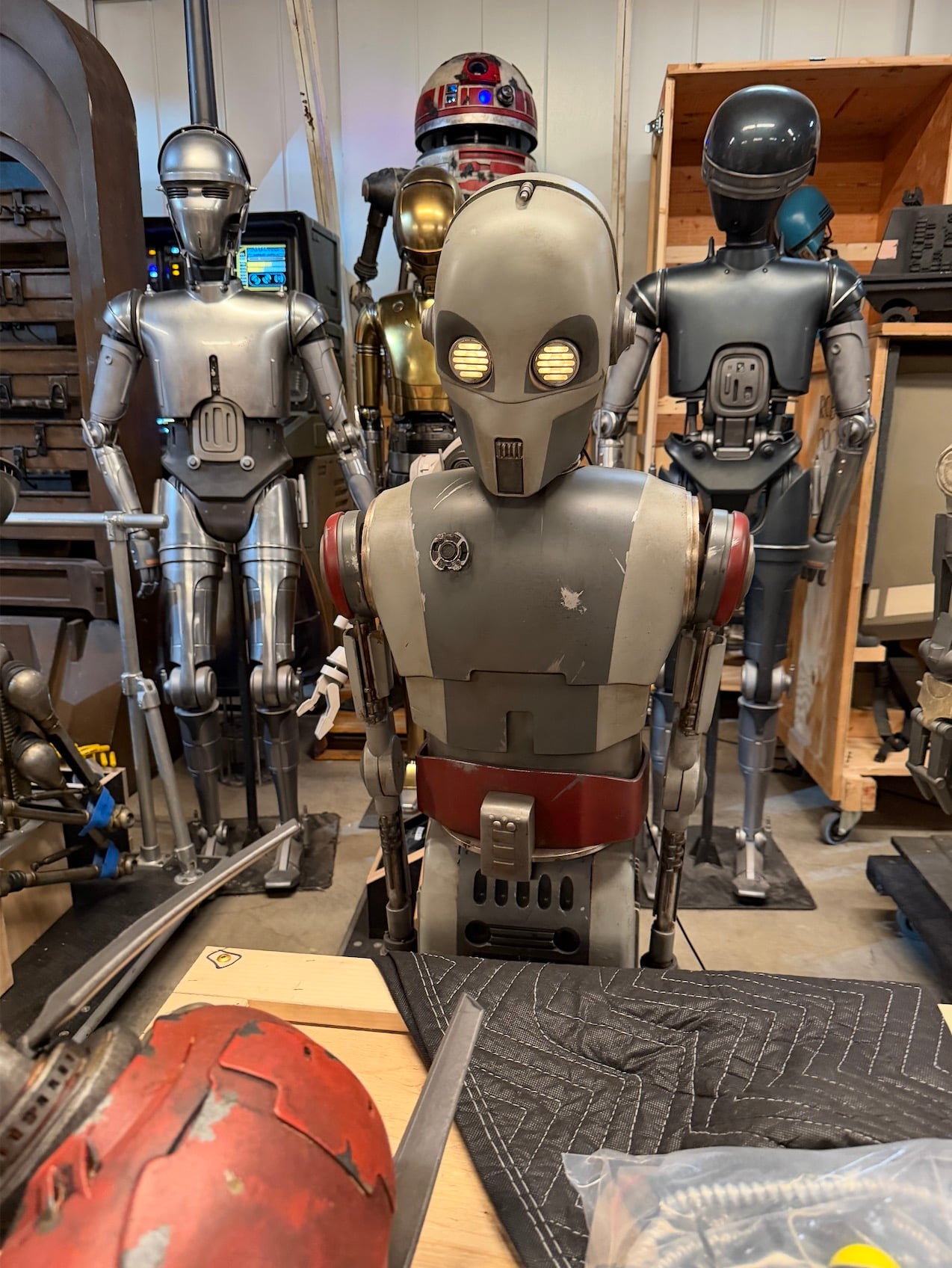
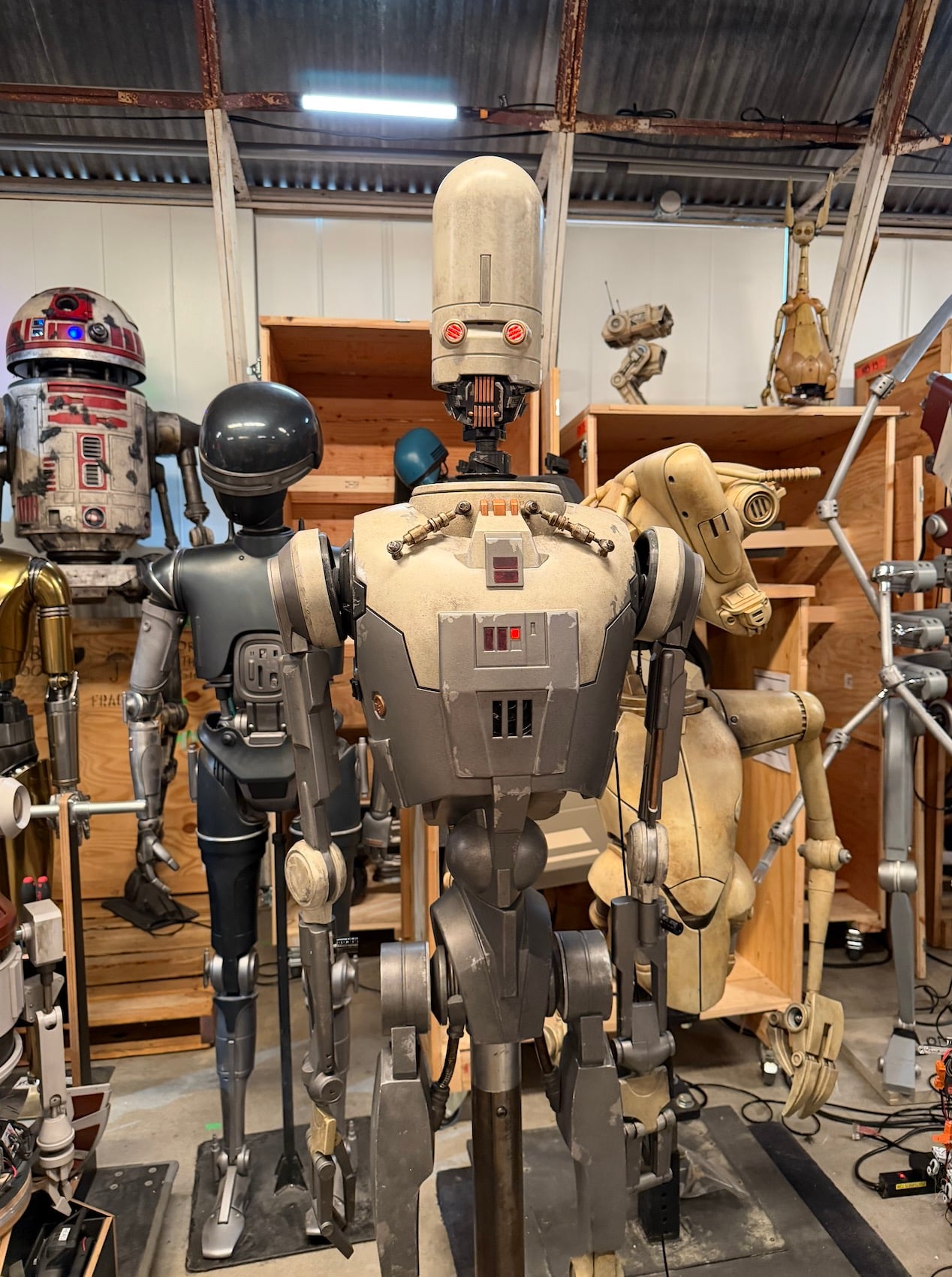
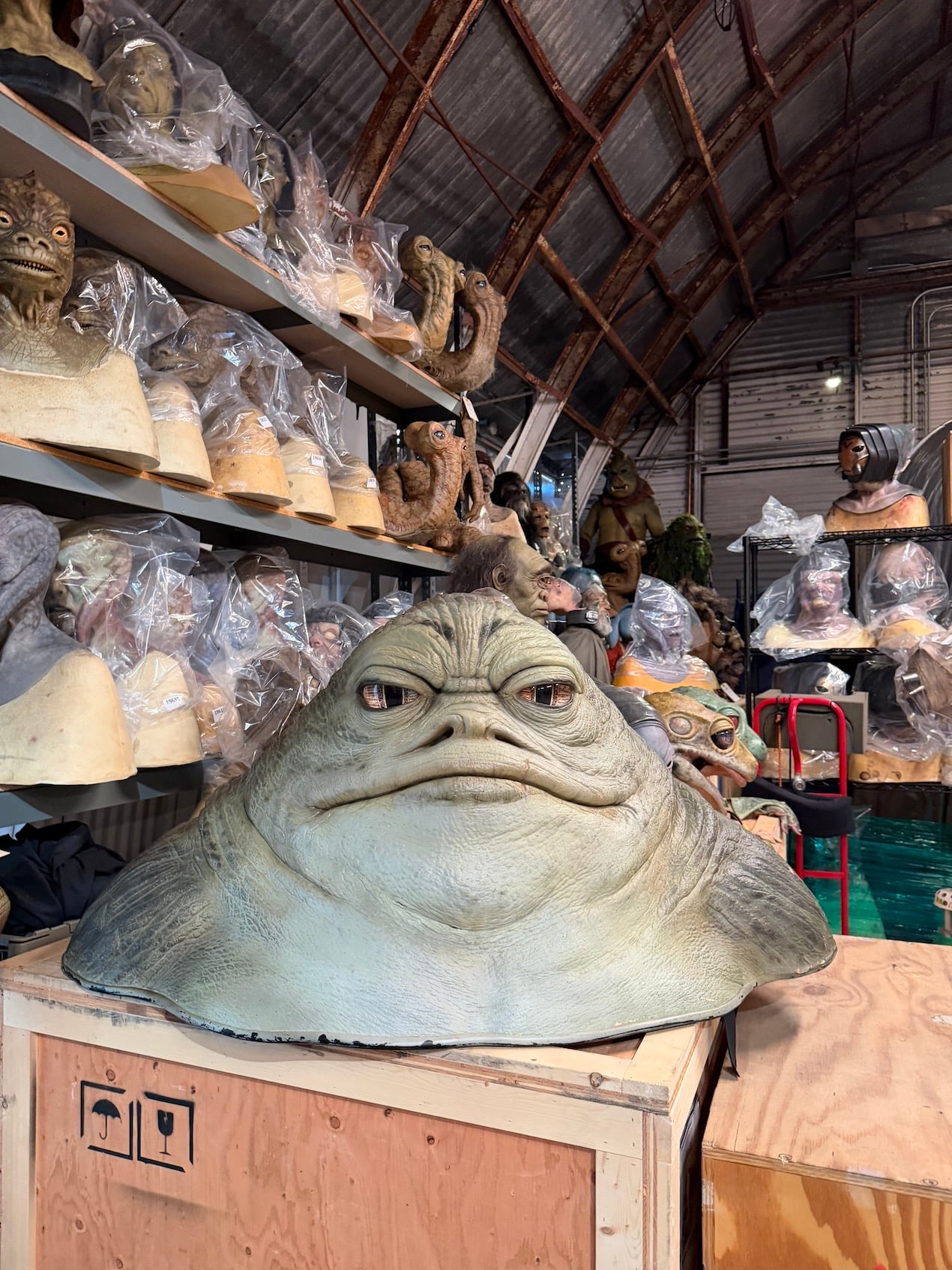
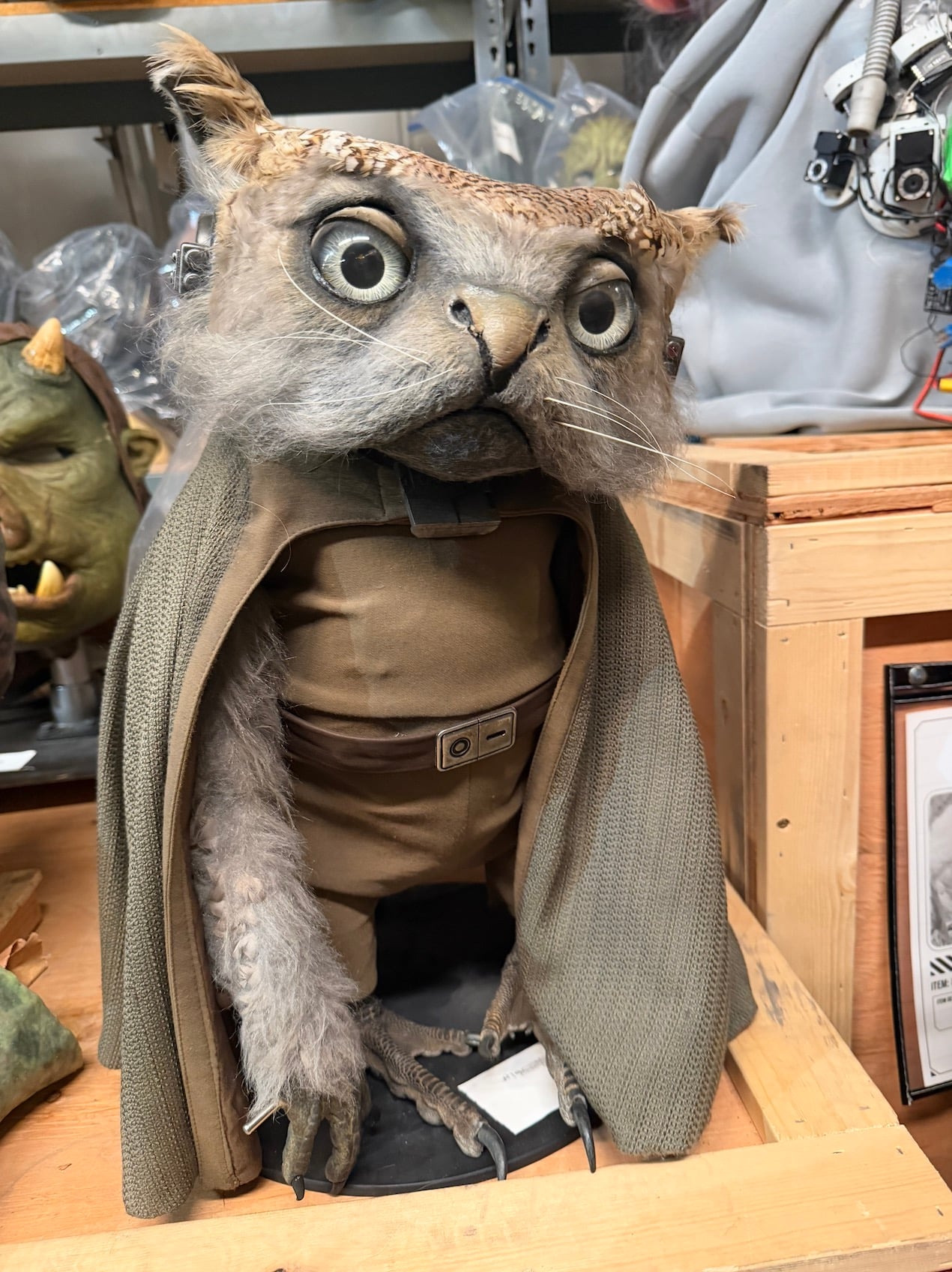
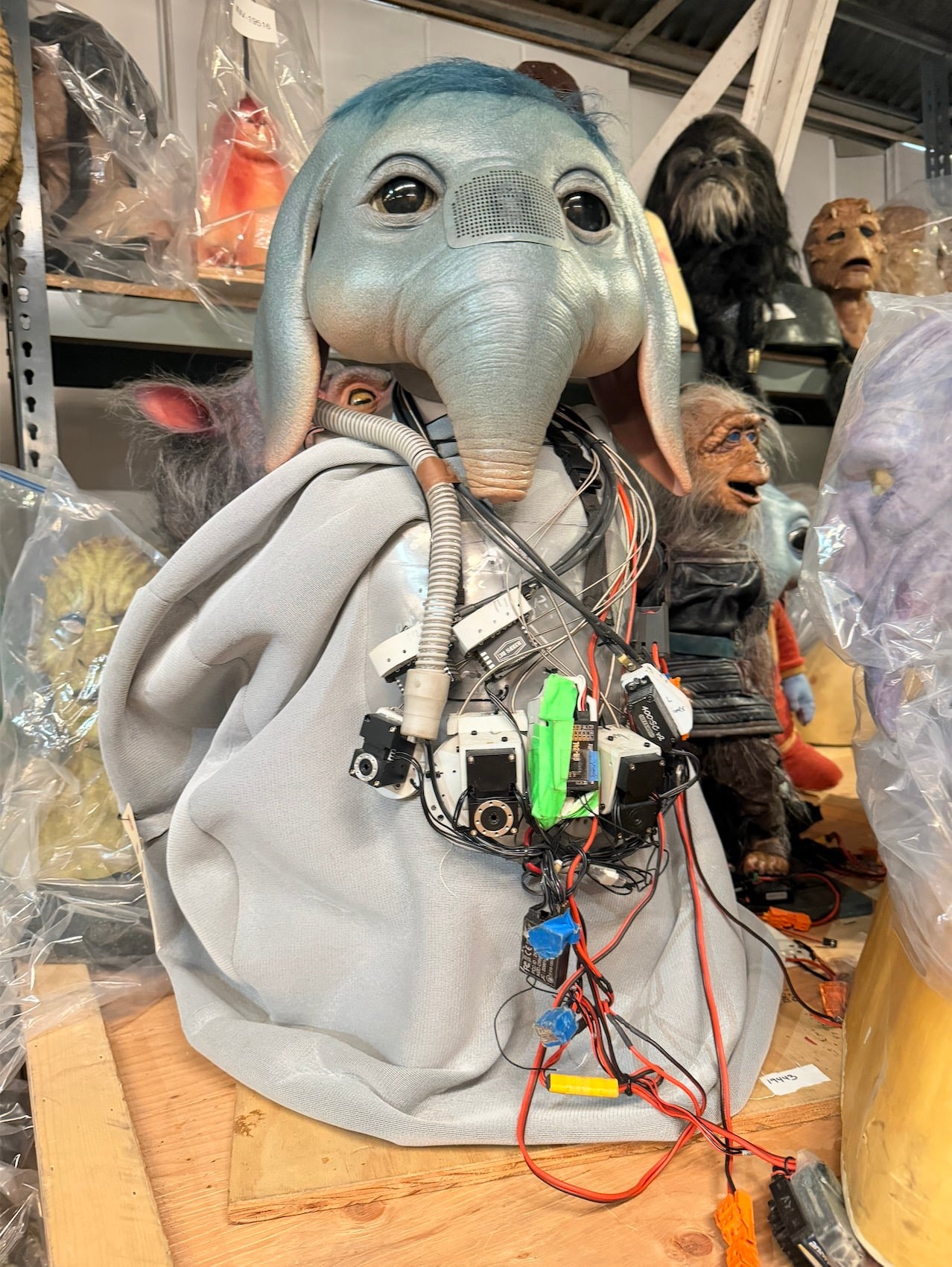
That room felt like a museum for rebels. Each item whispered the kind of production history that matters to fans and craft professionals alike. Favreau’s practice of reusing and repurposing—sets and props that migrated from Disney+ shows to the film—makes the movie feel like part of a single, continuous workshop.
Is the movie connected to The Mandalorian TV show?
Yes. Favreau’s film shares production DNA with the series: props, set pieces, and even aesthetic choices cross-pollinate. You’ll spot characters and set fragments that signal continuity rather than a cash-grab cameo. The manufacturing of that continuity—practical effects, animatronics, and physical props—keeps emotional stakes grounded even when the visuals go big.
I walked the room four or five times and still felt there was more to find
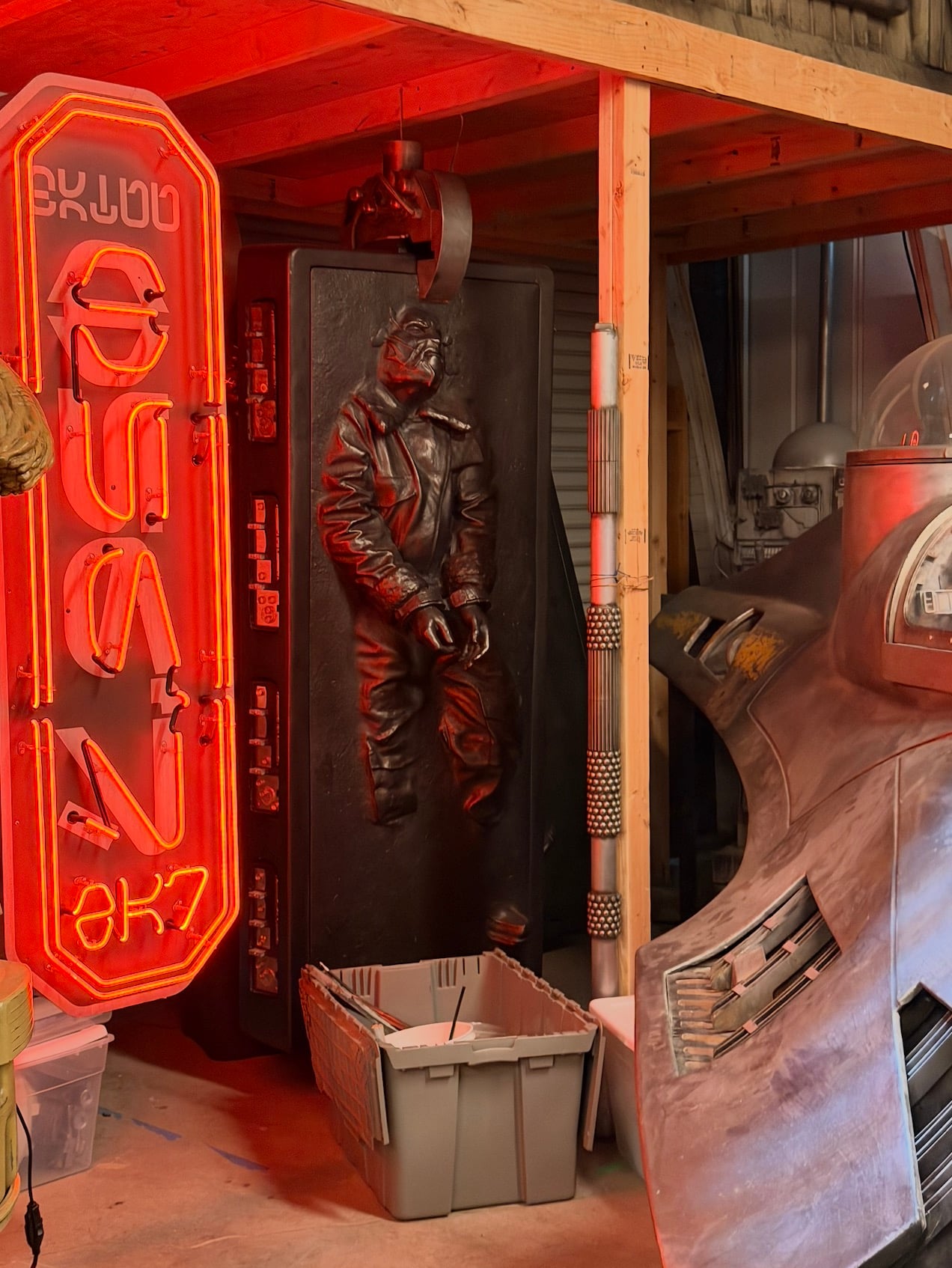
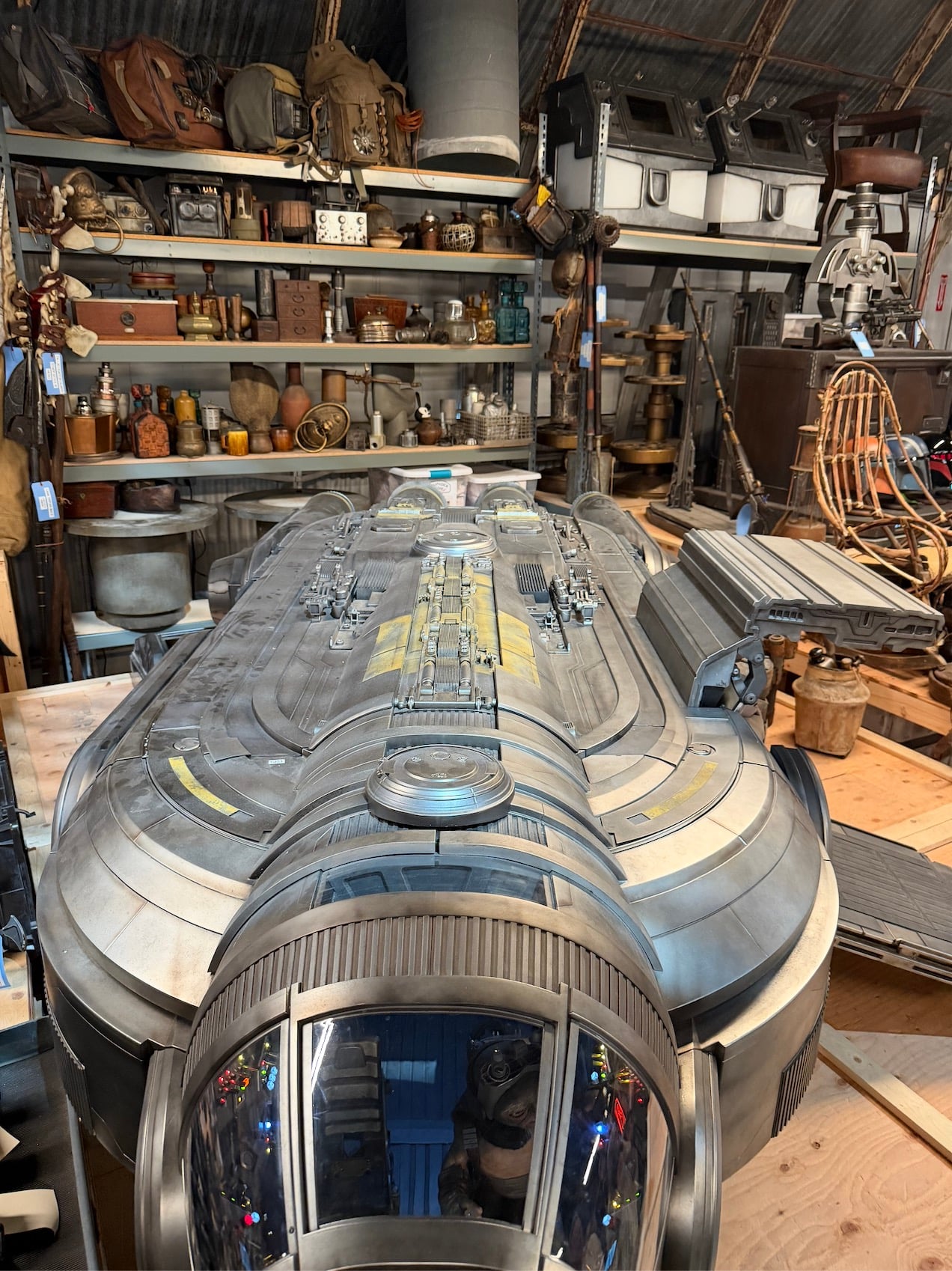
I kept circling because each pass revealed a new detail: Grogu’s new pram, creatures in carbonite, a full‑scale STAP and AT‑RT, and the Anzellan ship with its interior. The visit closed with the IMAX screening of the opening—an experience that made the set feel like a live rehearsal for audience reaction.
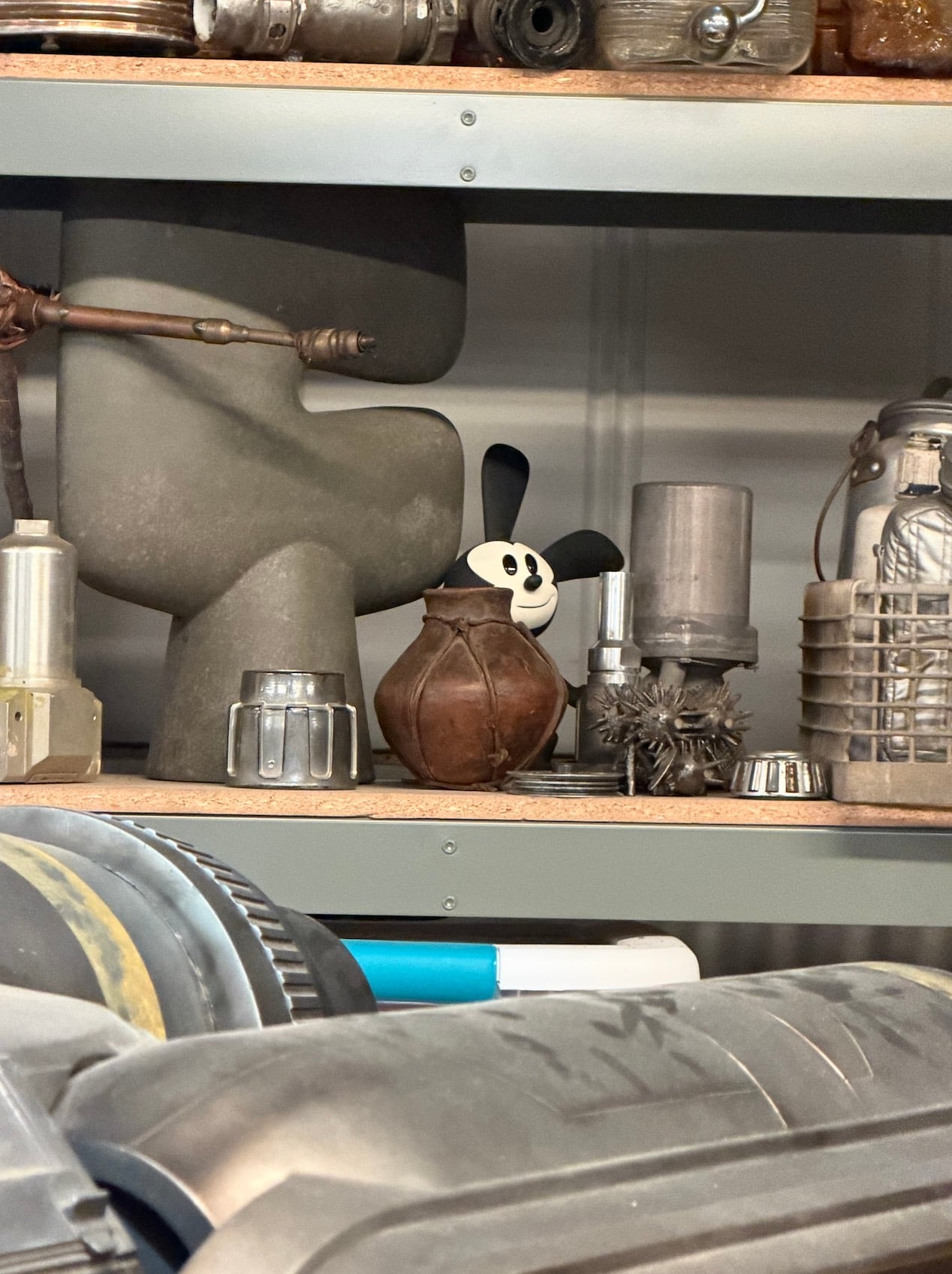
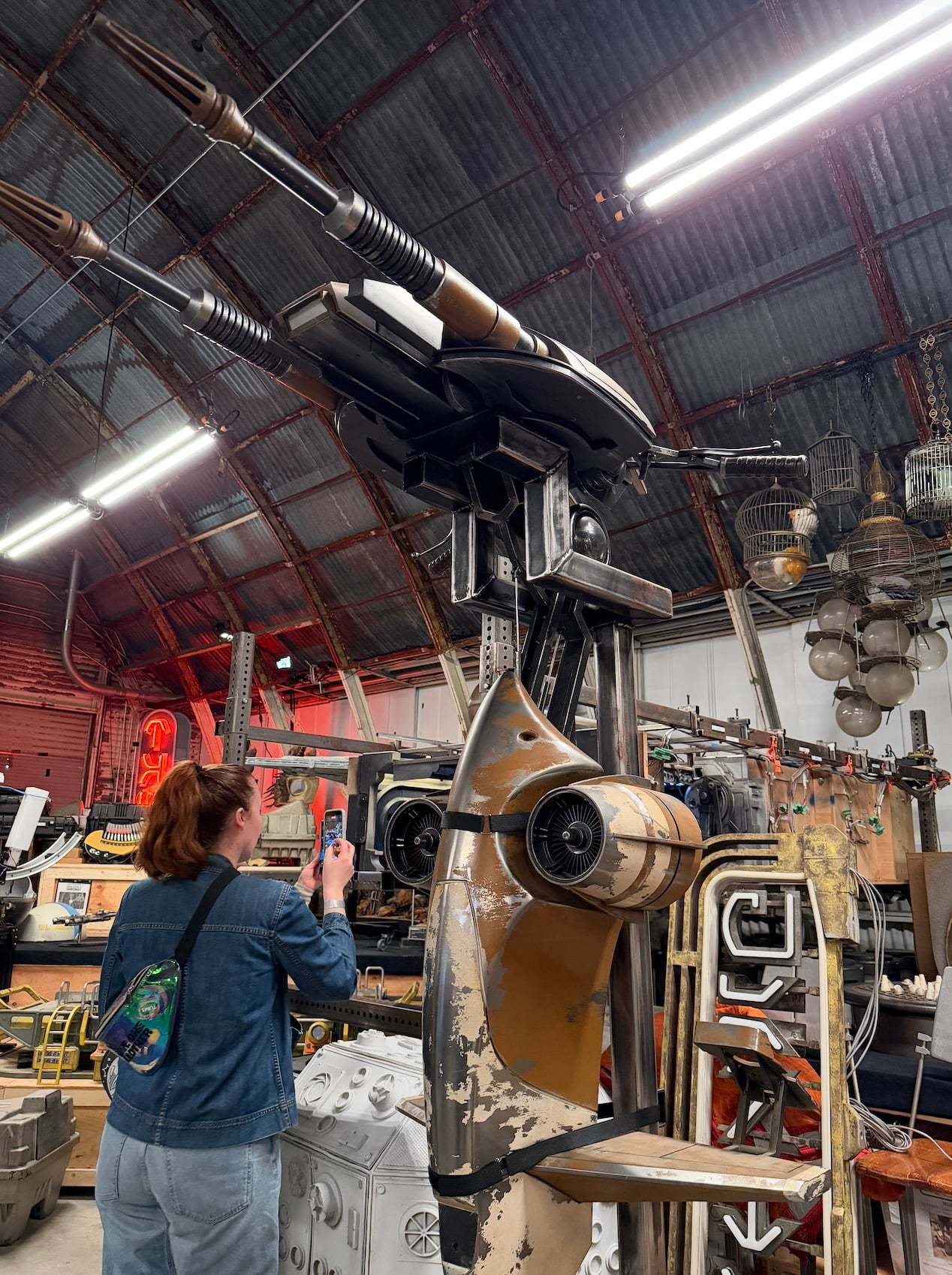
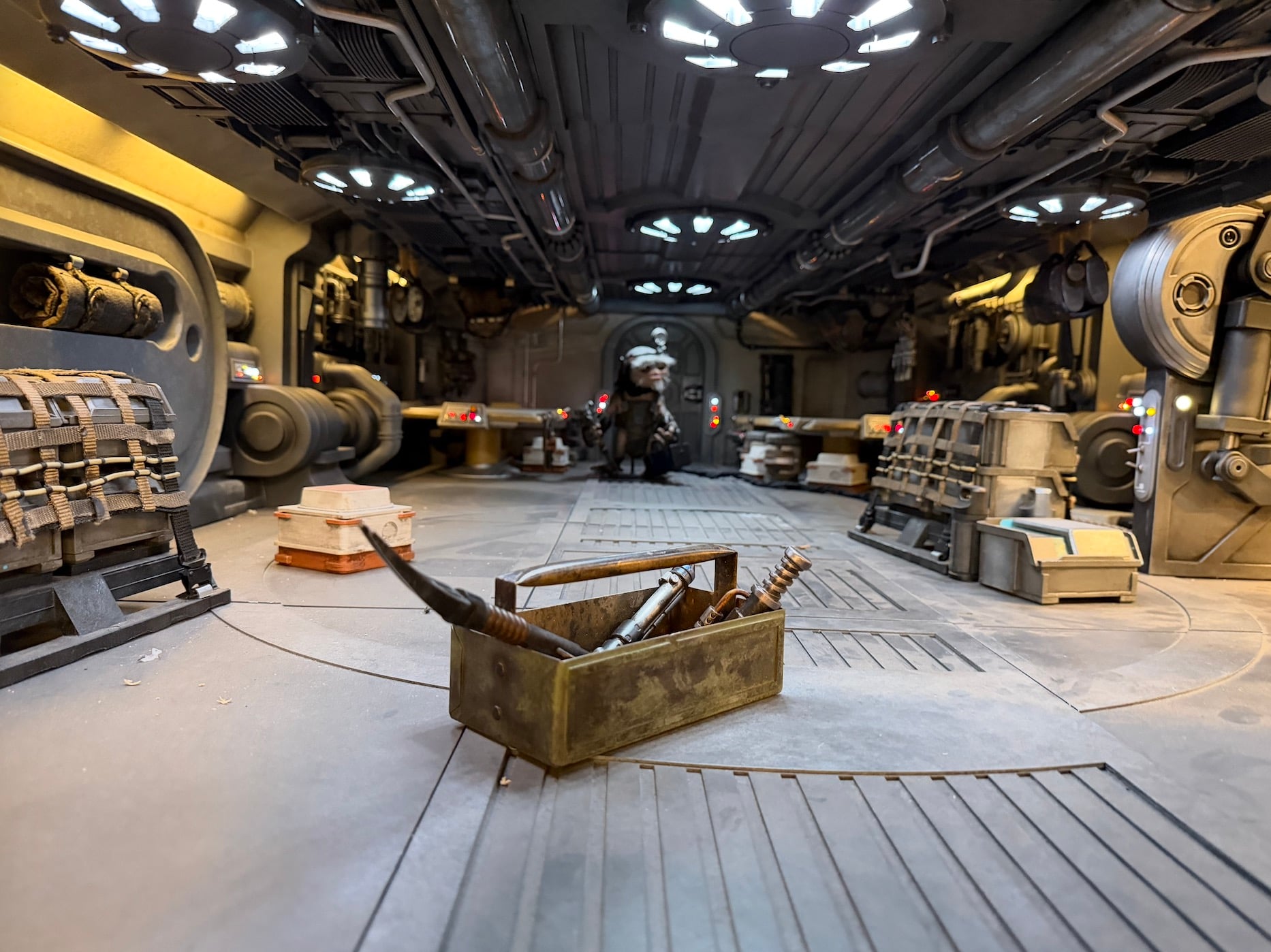
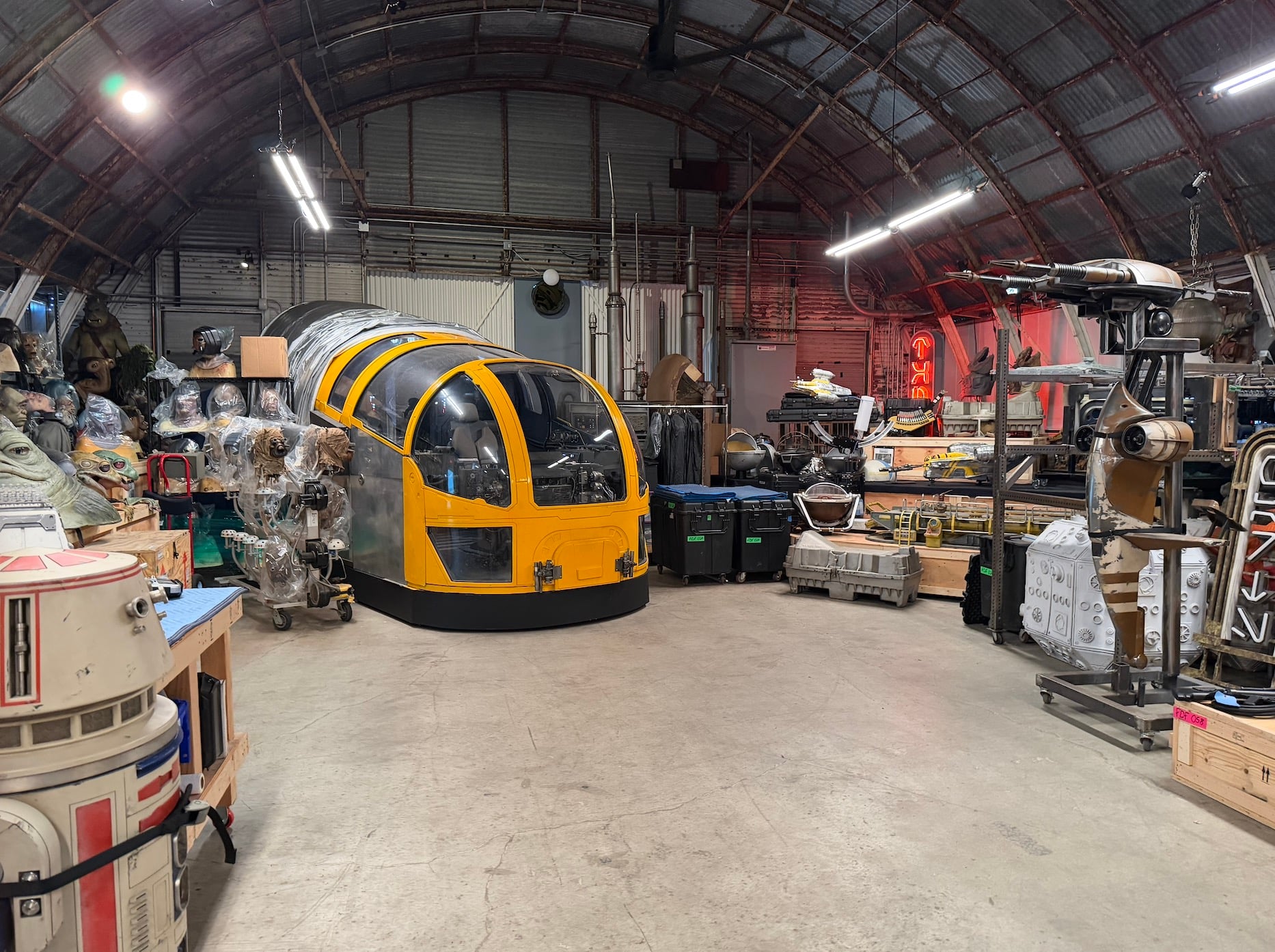
There was even a wink toward Favreau’s next project, a hidden Oswald prop tucked among the crates. A lot of this is practical—physical pieces that an actor can touch, an effects team can manipulate, and a camera can chase. That tactile logic matters in a franchise where CGI often rules headlines.
When does The Mandalorian and Grogu come out?
The film opens May 22. If you’re planning an IMAX viewing, factor that in: Favreau chose a theatrical roll that leans into scale—hence the early IMAX screening of the first 18 minutes that the press saw. This is not merely a streaming adjunct to Disney+; it’s a theatrical event that aims to connect fans of the show and general audiences alike.
I walked those aisles, compared notes with fellow reporters from io9 and ScreenRant, and listened to Favreau explain a few choices. Small production details became doctrine: practical props to hold emotional beats, reused sets to keep continuity, and performances calibrated to land in both closeups and large-format projection.
Watching the opening in IMAX after the set visit made me wonder whether the film can recapture the quiet moments the show did so well while still playing big. The visuals and the craftsmanship are there; the question is whether the story will carry the same heartbeat.
Favreau, Pascal, White, and Weaver have given fans reasons to be curious—so will you let this theatrical return to Star Wars become the next thing you argue about with friends?