I remember the first time a Westeros spin-off pulled me back in: my phone lit up with spoilers, strangers argued in a coffee line, and I felt a precise, strange panic — like a show I loved was becoming a habit I couldn’t ignore. You feel that pull too: series arrive, vanish, and then a new title snaps the fandom awake. Warner Bros. thinks that snap can be retrained into a rhythm.
I’ve followed entertainment marketing for years, and you should read this as practical forecasting, not cheerleading. The game now is supply and expectation: give fans a steady cadence, and they won’t drift. Miss the beat, and attention moves on.
At the Variety summit, the room acknowledged that attention is now a currency — here’s how Warner Bros. plans to spend it
Shauna Spenley, Warner Bros.’ chief marketing officer, stood onstage and said something that sounded obvious until you consider the cost: fans don’t want to wait years between installments. You’ve seen the same pattern elsewhere — Marvel and Star Wars taught studios that frequent drops keep subscribers active. Spenley framed Game of Thrones as an “infinite” intellectual property, and she’s not speaking in hype so much as arithmetic: habitual viewing equals predictable retention.
Will Warner Bros. make more Game of Thrones shows?
The short answer: yes, if demand remains high. Warner Bros. Discovery, HBO and the teams behind House of the Dragon and A Knight of the Seven Kingdoms are moving beyond pilot ideas into a production pipeline. Variety and IGN reported the studio is already greenlighting season renewals and developing an Aegon’s Conquest film — a clear sign they’re betting on multiple series rather than a single tentpole.
On the ground, fans reacted to A Knight of the Seven Kingdoms the way a small town reacts to a surprise parade — enthusiasm spread fast
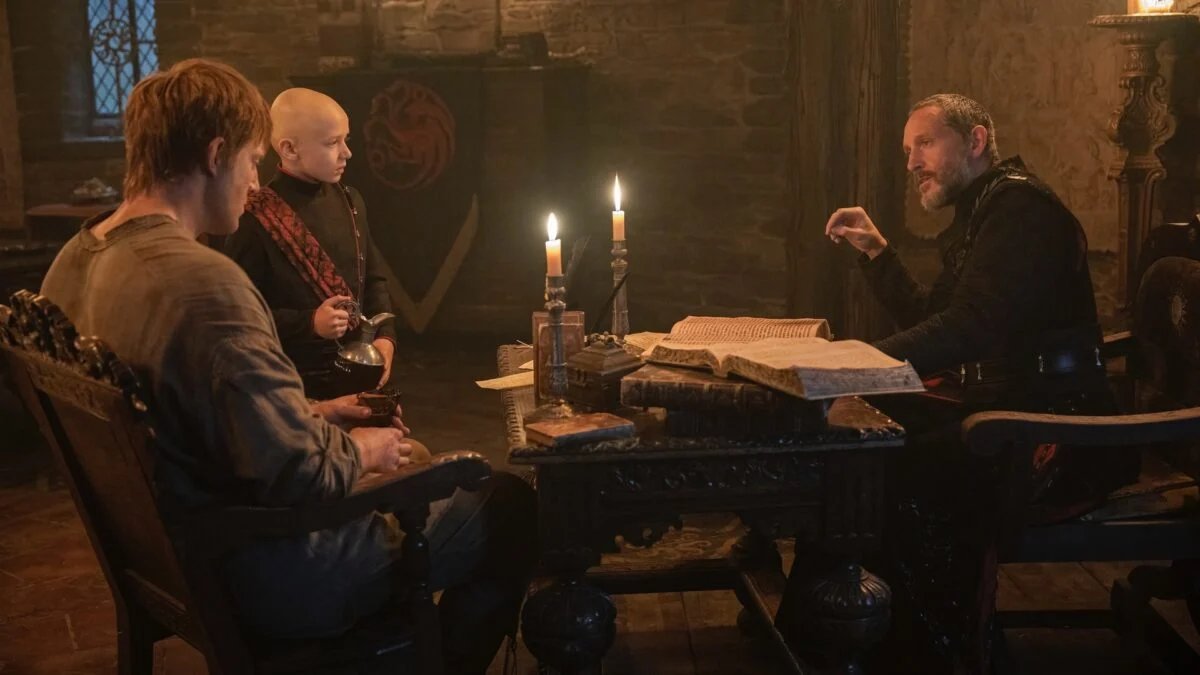
I watched social feeds spike when A Knight of the Seven Kingdoms premiered: clips went viral, reaction threads multiplied, and watercooler chatter returned. That show’s lighter tone expanded the audience and proved the franchise can shift moods without collapsing. That shift is a marketing sweet spot — it lets Warner Bros. alternate heavier entries like House of the Dragon with something breezier, maintaining momentum without exhausting the IP.
Is A Knight of the Seven Kingdoms getting a season 2?
Yes. Warner Bros. has signaled season two is slated for next year, assuming production and weather cooperate. That statement from the studio isn’t a rumor; it’s part of a cadence plan that treats spin-offs as pieces on a chessboard rather than one-off experiments.
At my desk, the data looked familiar — repeatable patterns in streaming behavior — which matters for release schedules
Streaming platforms reward predictability. HBO and Max (now Max) measure churn, viewing hours, and subscriber spikes; frequent, smaller series can produce steadier metrics than a single blockbuster every few years. Think of it like tuning a radio: more frequent signals keep the dial from drifting. Warner Bros. is using that playbook, leaning on franchises and executive voices such as Shauna Spenley to move from episodic surprises to habitual drops.
There’s also the theatrical angle. The Aegon’s Conquest movie is early in development, and studios often use theatrical releases to punctuate a streaming schedule — an event that monetizes fan intensity and feeds back into subscriber interest. Publishers like Variety and outlets like IGN have flagged this dual approach: streaming to sustain, theatrical to spike.
When is House of the Dragon season 3 coming out?
Spenley said season three is “coming later this summer.” That’s the kind of calendar specificity fans crave: it reduces anxiety and creates appointment viewing. If Warner Bros. keeps naming windows, they convert casual attention into planned tuning-in.
At conventions and Reddit threads, requests for more spin-offs sound like a petition — and that creates leverage
If you’ve ever been in a fan queue, you know how persuasive a collective demand can be. Warner Bros. benefits from that organic lobbying: the studio reads forums, watches clip engagement, and tracks the economic pull of fandom. I don’t pretend this is purely fan service; it’s applied market research with a cultural steering wheel.
What this means for you: expect faster renewals, alternating tones across titles, and tight marketing windows that reduce wait times. The studio is turning attention into a pattern — sometimes subtle, sometimes blunt — because habitual releases keep subscriptions humming and social chatter alive. The result could be a franchise that feels less like a precious artifact and more like a regular appointment you schedule into your week.
The fandom reaction is already influencing the roadmap: more seasons of A Knight of the Seven Kingdoms, a third season of House of the Dragon, and a Conquest film in development. Warner Bros. is stacking bets across TV and film, treating the IP like a multi-threaded franchise sewn into HBO’s platform strategy and Warner Bros. Discovery’s broader pipeline.
In my view, the risk is simple: oversaturation without fresh storytelling. But right now the franchise’s momentum hits like a power surge through a stadium — it lifts everything in sight. If Warner Bros. dials its releases thoughtfully, they’ll keep that energy; if they hurry through weaker scripts, the attention will fracture.
Want more io9 news? Check out when to expect the latest Marvel, Star Wars, and Star Trek releases, what’s next for the DC Universe on film and TV, and everything you need to know about the future of Doctor Who.
I’m betting the studio will be careful because attention is convertible into revenue and cultural capital, and because names like George R.R. Martin and platforms like Max won’t let the brand slip quietly. Fans have leverage now — their viewing choices steer greenlights the way iron filings follow a magnet on the table — so Warner Bros. is listening hard. Are you ready to accept yearly Westeros, or will you call for quality over quantity?