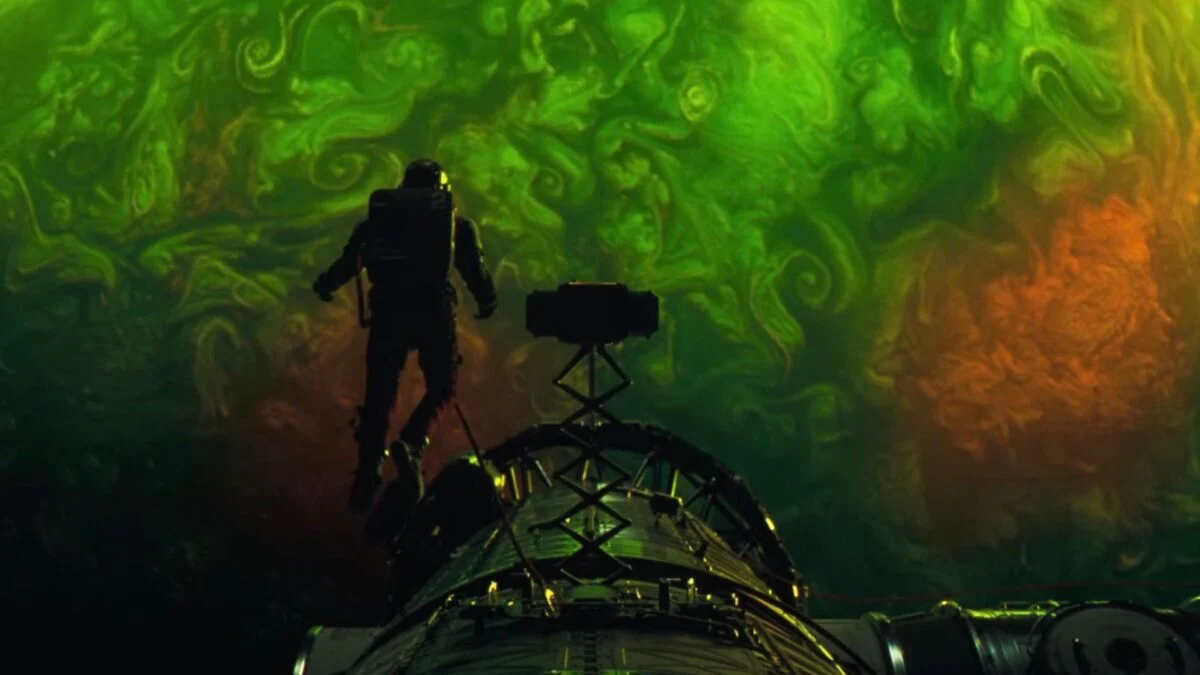
I sat in the dark as the last frame of Project Hail Mary flattened out. You could hear the applause, and behind it a single, hungry word began to spread through the lobby: sequel. The instinct to follow a hit to its next chapter arrived faster than common sense.
I want you to hear me: I’m not arguing from sour grapes. I love a smart blockbuster. I also spent years covering how profitable franchises are born, and I’ve watched them fracture good material into anodyne follow-ups.
At the box office: the math that pressures every studio
Real-world observation: Project Hail Mary has pulled nearly $600 million (about €558 million) worldwide.
That sum, tracked across Box Office Mojo and Comscore dashboards, turns polite curiosity into a corporate plan. MGM and the film’s distributors see an obvious lever: repeat success equals revenue. Studios use data from Rotten Tomatoes and IMDb to predict audience retention, and executives build spreadsheets with the calmness of surgeons.
But money is a blunt instrument. Turning a one-off story into a franchise is not just a matter of applying the same formula. If sequels become the primary design goal, the original’s risk and payoff—what made audiences care—are at risk of being smoothed away.
On the author and the actors: real constraints you can’t ignore
Real-world observation: Andy Weir wrote the source novel in 2021 and hasn’t published a follow-up; Ryan Gosling remains a major box office draw.
You should know this: Weir hasn’t given anyone a sequel blueprint. He’s reportedly at work on a new book that isn’t a Project Hail Mary sequel. That matters more than studio spreadsheets. Adaptations that stray from their creator’s intent often feel hollow. Ryan Gosling and the creative team can sell tickets, but without Weir’s voice the story risks drifting into franchise scaffolding.
Will there be a Project Hail Mary sequel?
Short answer: maybe, if the creative forces line up. The practical answer: not without Weir’s story or his blessing. Hollywood can and will commission writers, but those scripts rarely match the original’s peculiar blend of science, humor, and intimate stakes.

On narrative weight: why the ending resists a follow-up
Real-world observation: the film’s final scenes leave Ryland Grace on Erid, content and far from Earth.
The original operates on three small miracles: the science puzzle, the emergent friendship with Rocky, and catastrophic stakes. Replicating those beats on a sequel’s timetable is harder than greenlighting another script. The story closed in a way that feels deliberate. A sequel risks turning a rare moral choice into a plot contrivance.
Why shouldn’t there be a sequel to Project Hail Mary?
Because the engine of the first film is not spectacle alone. The appeal came from watching two strangers learn a language, swap jokes, and save two species. That arc is finished. If you press the same mechanism again, you cheapen the emotional contract that made audiences care.
On friendship and stakes: two things you can’t manufacture
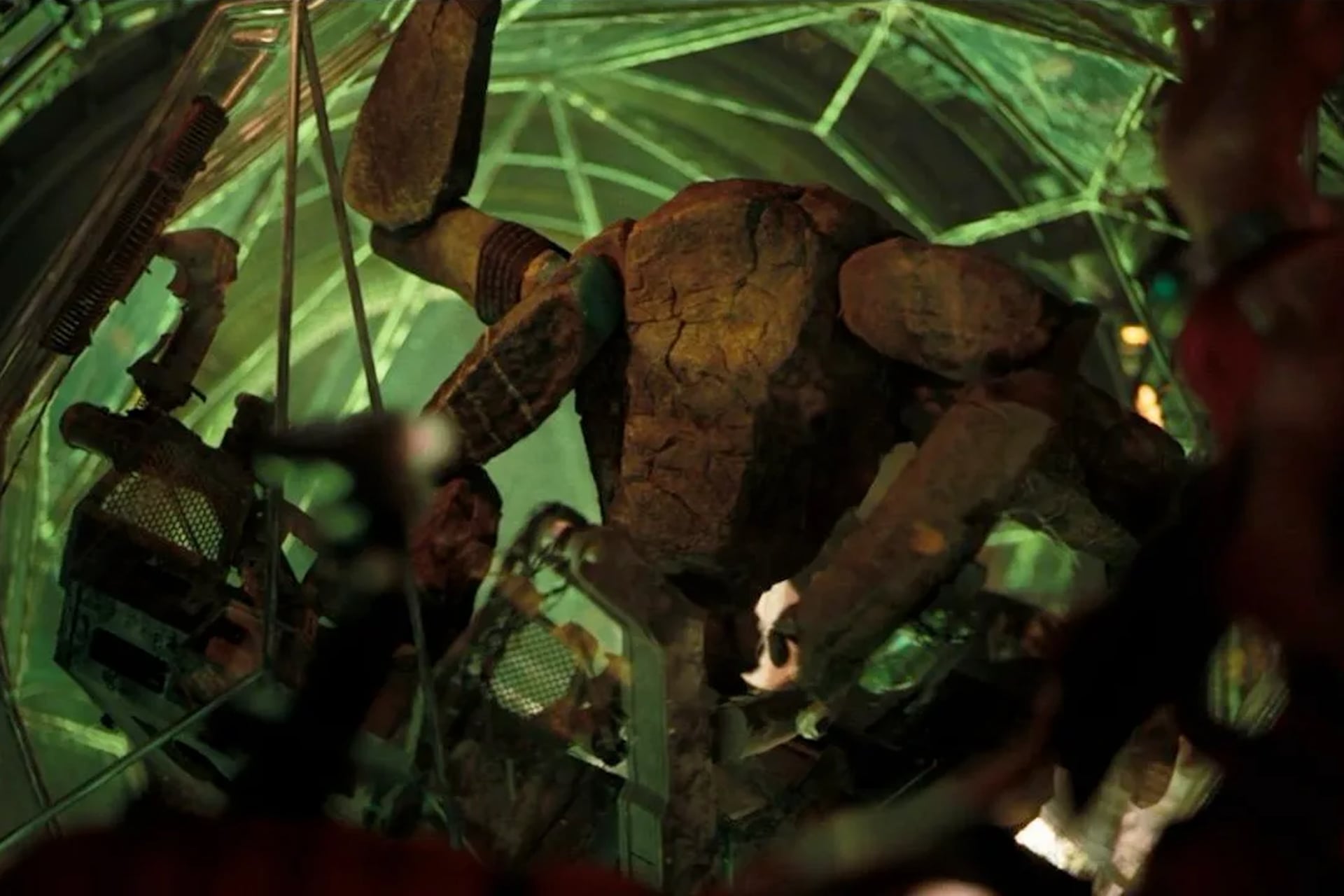
Real-world observation: audiences responded to the film’s central odd couple—human and Eridian—more than to any visual effect.
I’ll be blunt: the relationship between Grace and Rocky is a fragile glass sculpture and Hollywood’s franchise machine is a carnival carousel. That tension is why a sequel feels risky. You can create an adventure for them, but you can’t recreate the astonishment of two species building trust from scratch. A third species or a fresh threat could feel repetitive or contrived unless Andy Weir supplies something unexpected.
Could a sequel capture the original’s stakes?
Only if the new story restores the original’s balance of improbable science, intimacy, and real danger. That’s a high bar. Phil Lord and his collaborators brought a tone that matched Weir’s voice; any follow-up must honor that collaboration or risk becoming an imitation.
I want a sequel to exist on the author’s terms, not as a corporate reflex. If Andy Weir writes the next chapter and the creative team—Ryan Gosling, MGM, the directors and writers—feel it in their bones, I will be the first to change my mind. Until then, let this one stand whole, intact, and rare. Do you agree that some films are better left as single brilliant moments rather than milking them for sequels?