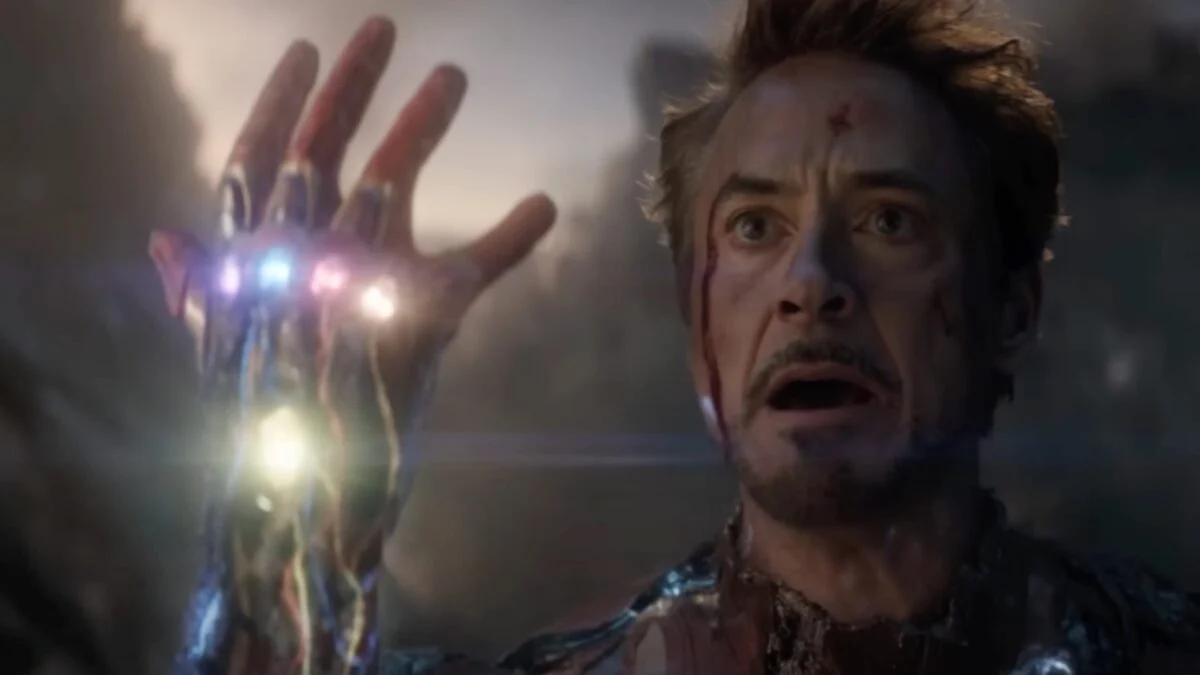
I was in a theater the night Endgame landed, and the air felt like it had been folded in on itself. You remember the gasp—half grief, half admiration—when Tony Stark made the choice that closed one of the MCU’s biggest chapters. Jon Favreau later admitted he tried to keep that chapter open, and his change of heart is worth unpacking.
Movie theaters were packed the night Endgame opened — Favreau’s early push to save Tony Stark
I know Favreau’s position well: he directed the first two Iron Man movies and watched Robert Downey Jr. turn Tony Stark into a cultural anchor. You can hear the protective instinct in his words when he told Joe and Anthony Russo he wasn’t sure audiences would accept killing the character. That protective voice came from more than friendship; it came from years of shaping a figure who guided an entire franchise.
Did Jon Favreau want Tony Stark to survive Avengers: Endgame?
Yes. Favreau told the Russos he worried about the emotional fallout—kids who grew up with Tony, fans who followed every quip and arc. He said he feared the loss would land wrong. But he also watched the finished scene, and the argument shifted.
The lights dimmed and the scene played out — why the movie changed his mind
I watched how Joe and Anthony Russo staged that moment, and Favreau did too, on Jimmy Kimmel Live!. You should hear the small, specific praise he gave: Gwyneth Paltrow and Robert Downey Jr. delivered a performance that turned a headline into a quiet, human beat. He admitted he was wrong after seeing how the scene added mournful weight rather than cheap shock.
Favreau got choked up during the sequence. He said the filmmakers handled the death with a restraint that elevated the sacrifice—less spectacle, more medicine for the wound.
Why did Favreau change his mind about Tony’s death?
Because the execution reframed the choice. Favreau originally worried about collective grief; then he watched the scene and found it added poignancy. The Russos’ direction and the actors’ restraint made the end feel earned rather than manufactured—like watching a lighthouse blown out at sea, where the loss is immediate and you’re left with the memory of the light.
Queues formed outside theaters — the ripple effects on fandom and the MCU
Fans still talk about that night. You feel the aftershocks in forums, at conventions, and in the films that followed. Favreau’s confession matters because he’s both an insider and a guardian of the character’s legacy. His initial resistance and eventual acceptance tell you something about how franchise decisions get argued in the room.
He praised the Russos and flagged Gwyneth Paltrow’s work alongside Downey Jr. as key to the scene’s success. That’s a notable vote from someone who helped forge the MCU’s early identity through Iron Man and Iron Man 2.
Will Robert Downey Jr. return to the MCU after Endgame?
Favreau hinted at excitement for Downey’s next MCU turn, but with a twist: the actor is slated to play a villainous Doctor Doom in the upcoming Avengers: Doomsday. I’m watching how Marvel recontextualizes Downey’s magnetism—shifting him from tragic hero to antagonist is a creative pivot that will test both the actor and the franchise.
Favreau promoted his new work on The Mandalorian and Grogu while reflecting on Tony’s end; he talked to the Hollywood Reporter and appeared on Jimmy Kimmel Live! to explain the arc of his thinking. That mix of platforms—late-night TV, trade press, streaming hits like The Mandalorian—is the modern pulse of Hollywood conversation, and Favreau is fluent in all of it.
I’ve said this about superhero storytelling before: the strongest endings don’t erase what came before; they reframe it. Favreau’s second look at the scene turned a protective instinct into public praise because the filmmakers chose intimacy over spectacle. That choice made the loss feel like a slow burn, as if a family photograph were burned in slow motion.
So whose call deserves more weight when a franchise loses a beloved hero—the director who helped create him, or the storytellers who close the arc—what do you think?