
I watched a man at a demo table win a game in under a minute and grin like he’d found a secret. You could feel the room tilt—people who came for Magic were suddenly curious about something smaller and faster. I stayed, asked questions, and you should pay attention too.
At a crowded Zoom briefing, Mark Rosewater said he’d been carrying this idea since 1998.
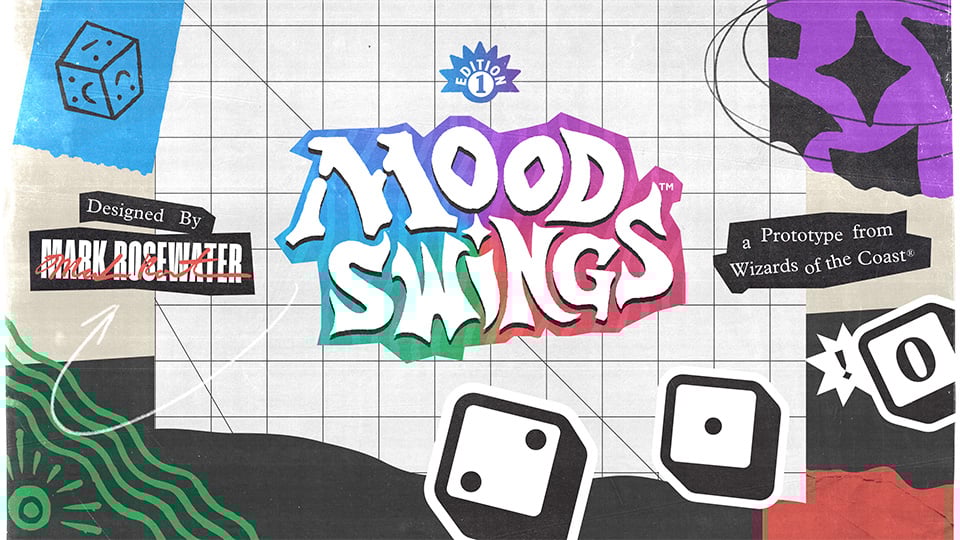
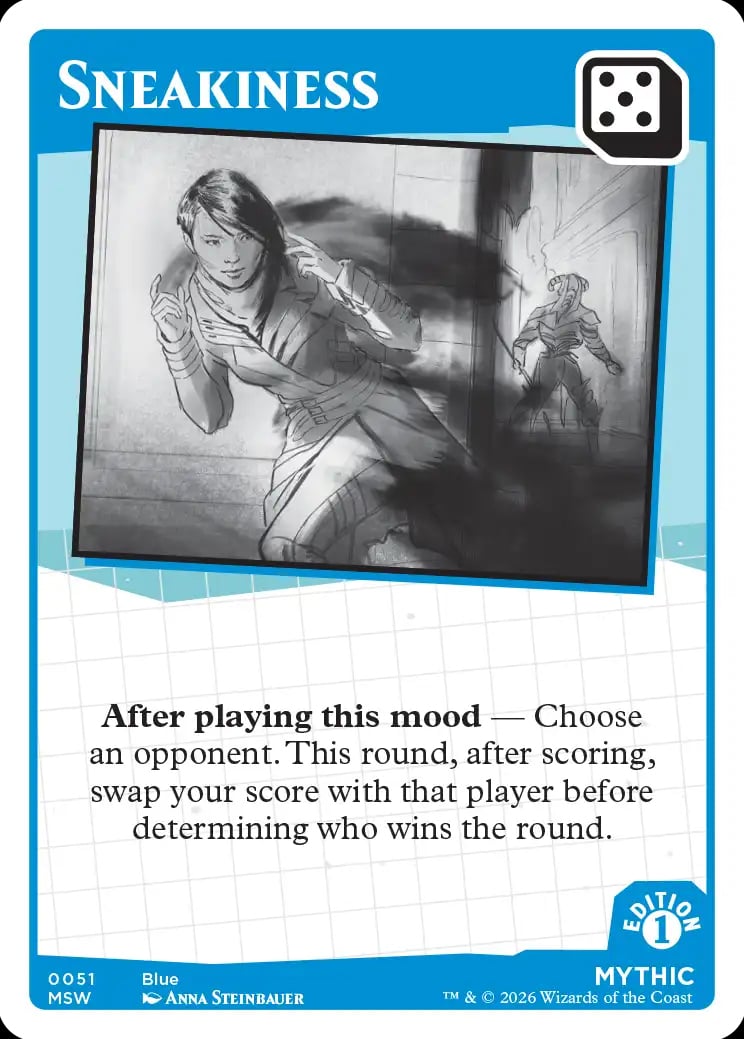
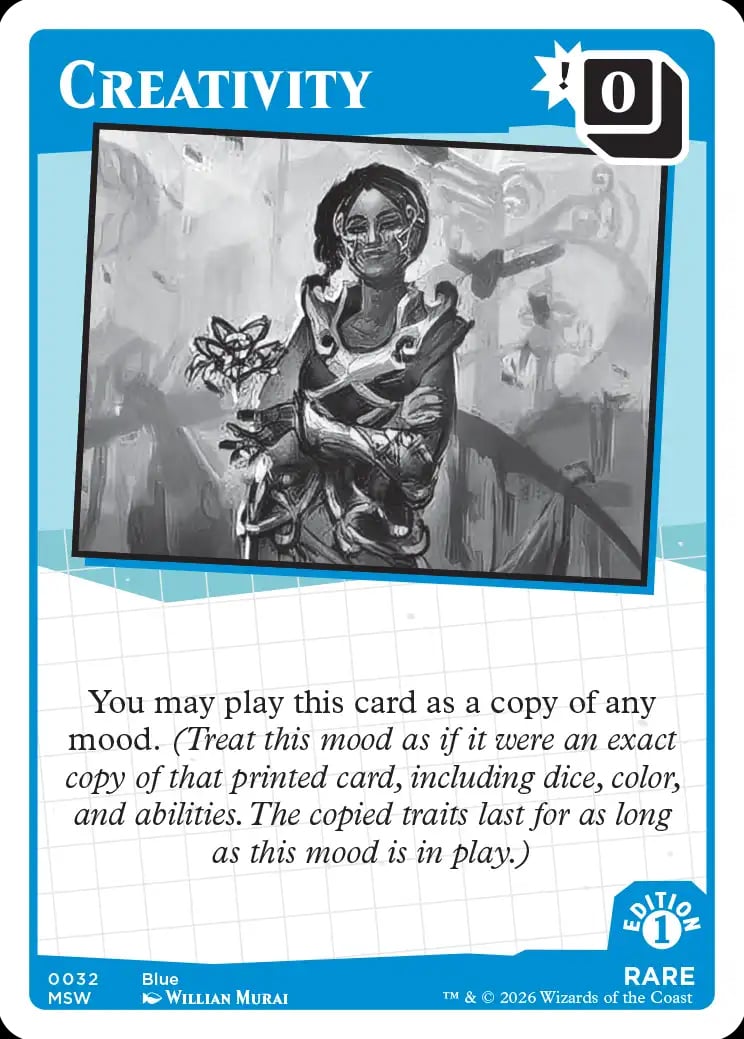
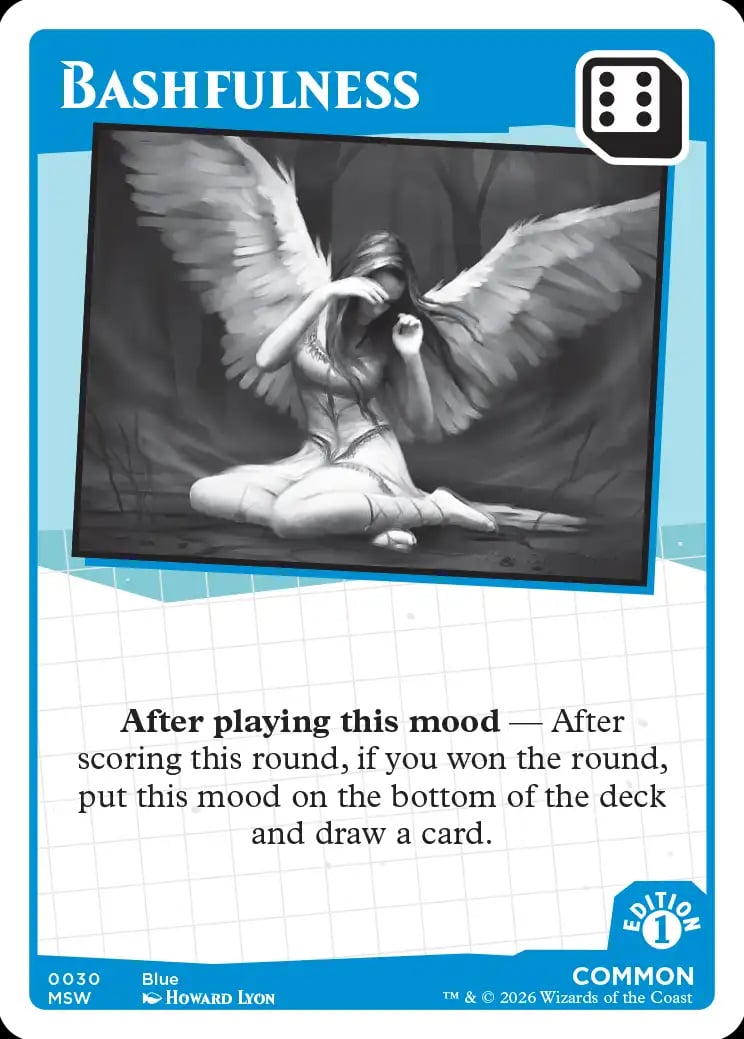
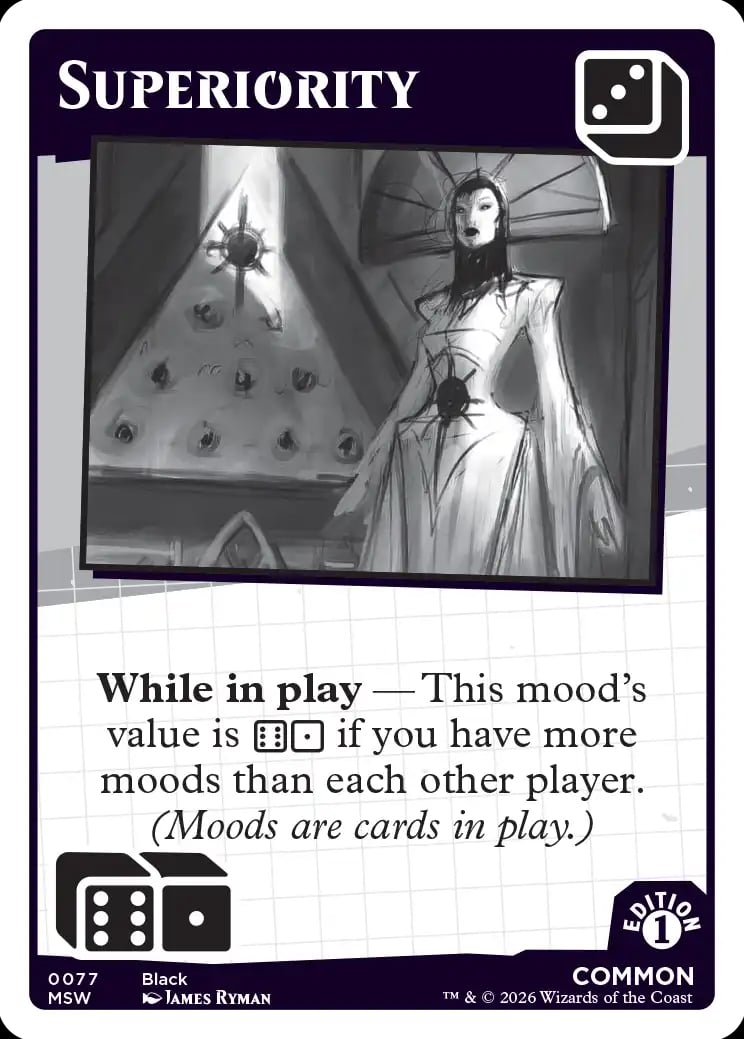
I’ve covered designers who chase a single obsession; Rosewater’s is different because he never stopped refining. He calls the game Mood Swings, and the pitch is surgical: two-to-four players, emotional cards you cast at opponents, and a match that finishes first-to-three in roughly five to ten minutes. The whole package aims to remove friction—the resource-tracking, the multi-stage turns—so someone who’s never played a trading card game can learn in one sitting.
On the team’s whiteboard, someone circled Richard Garfield’s name and called it inspiration.
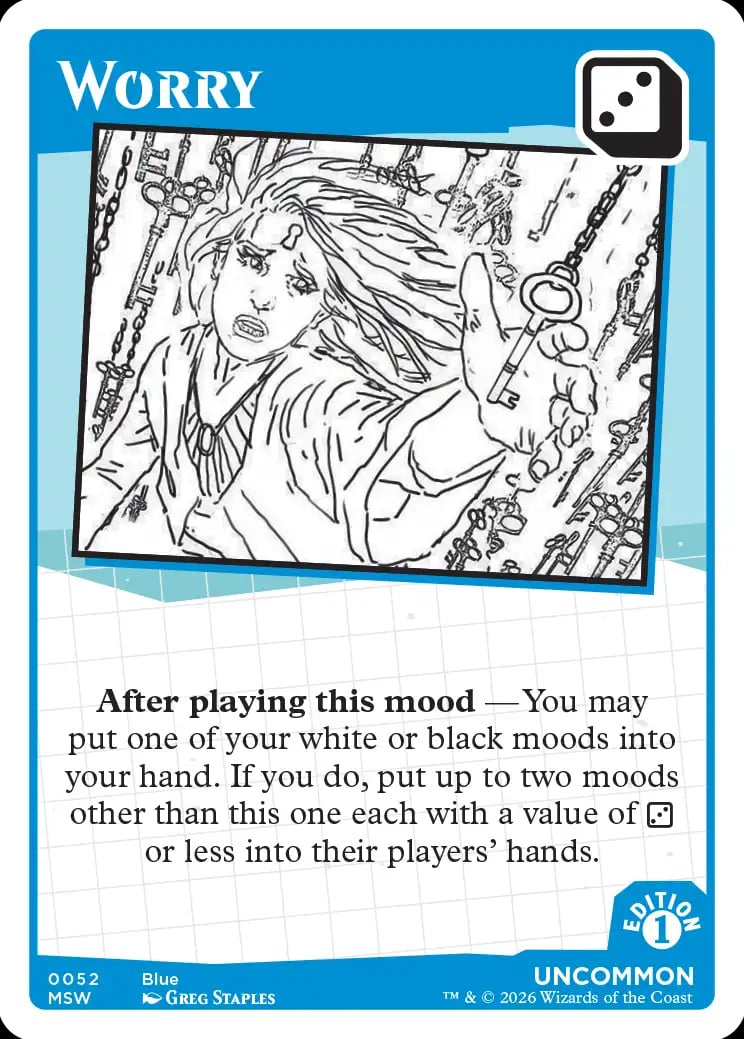
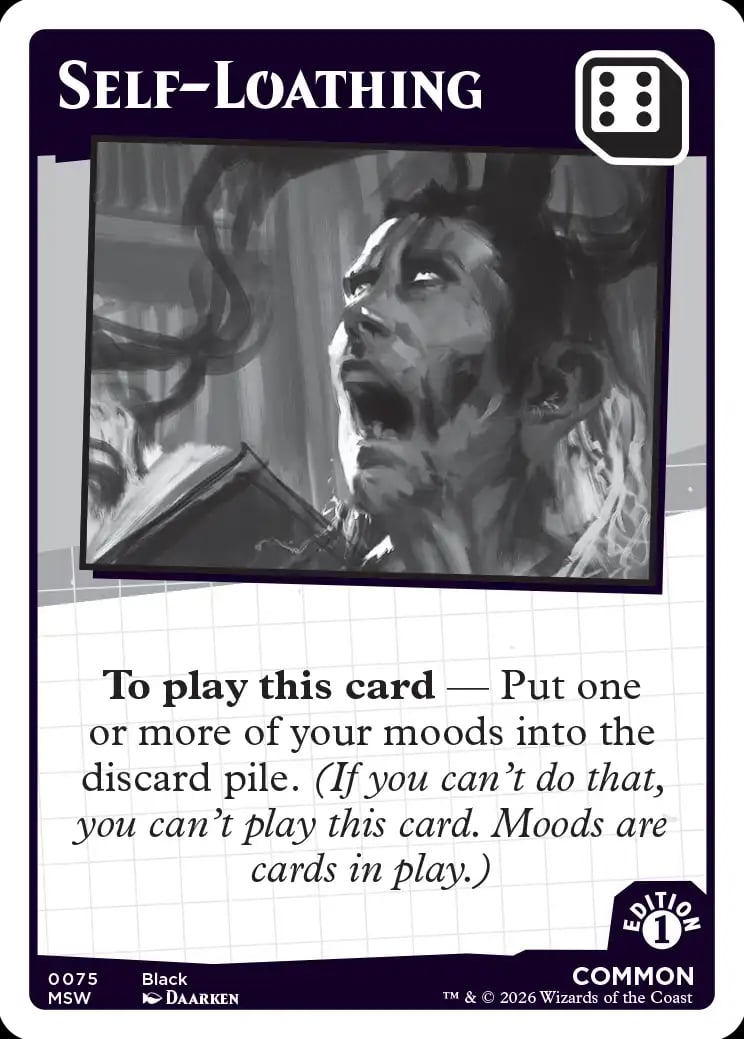
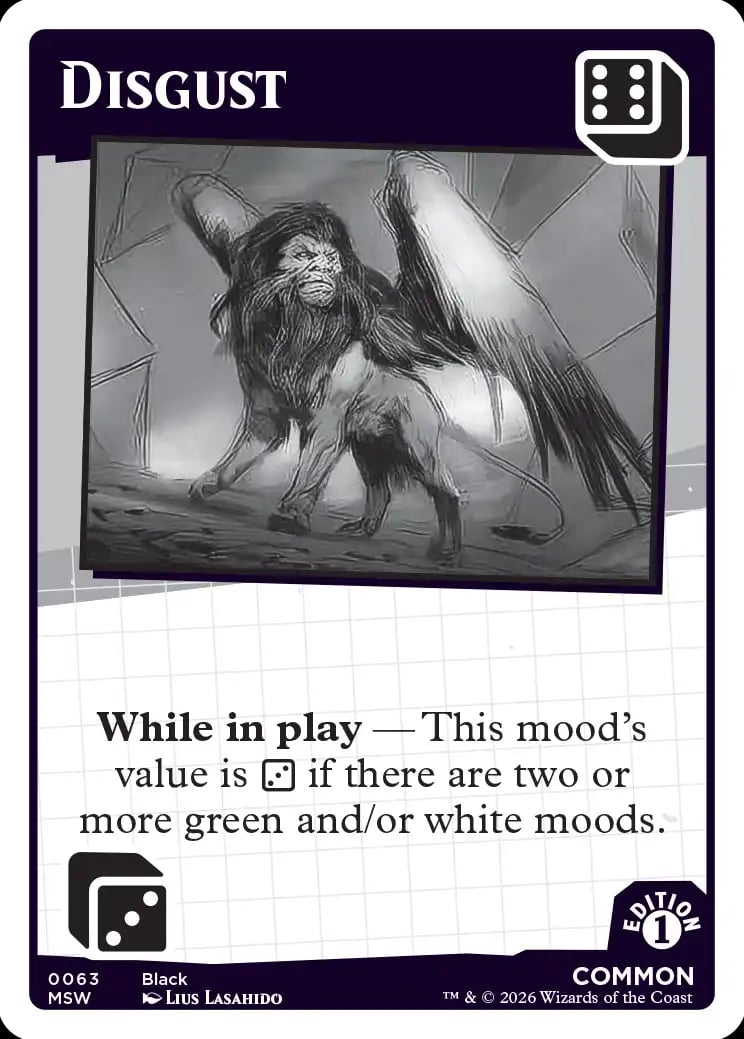
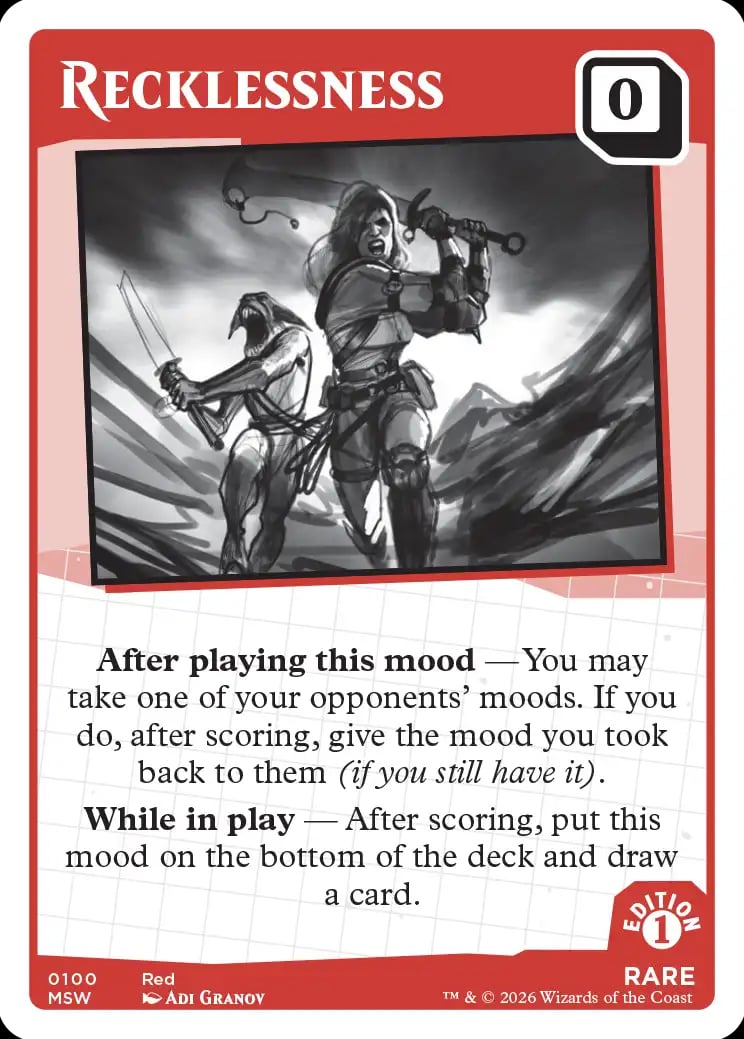
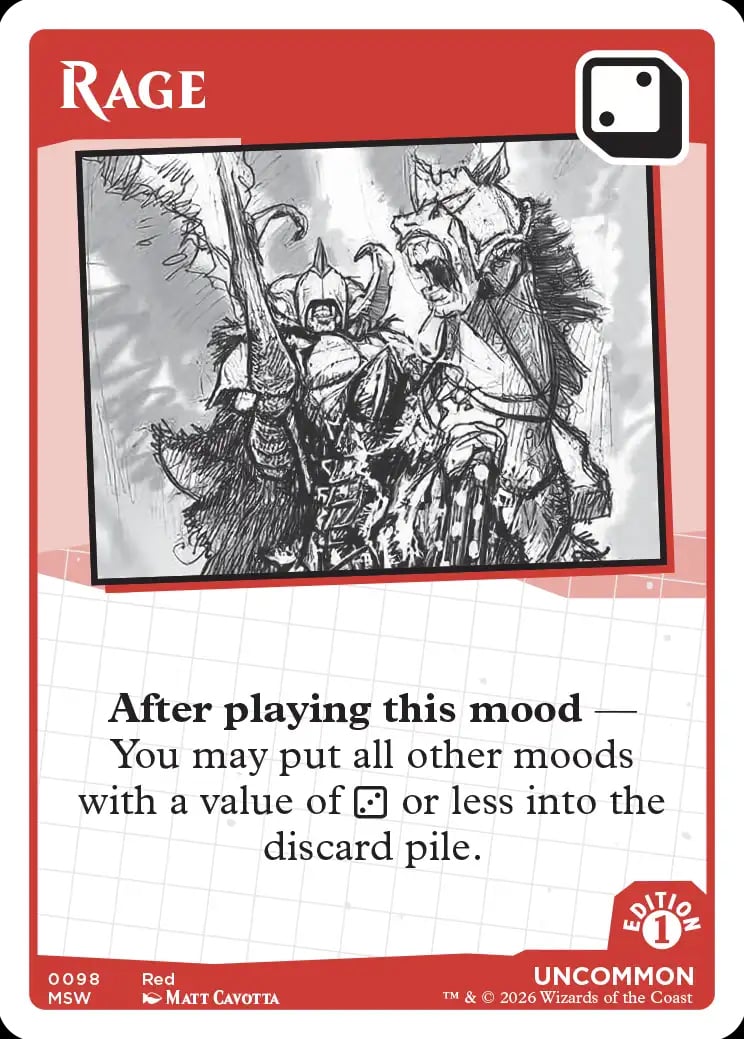
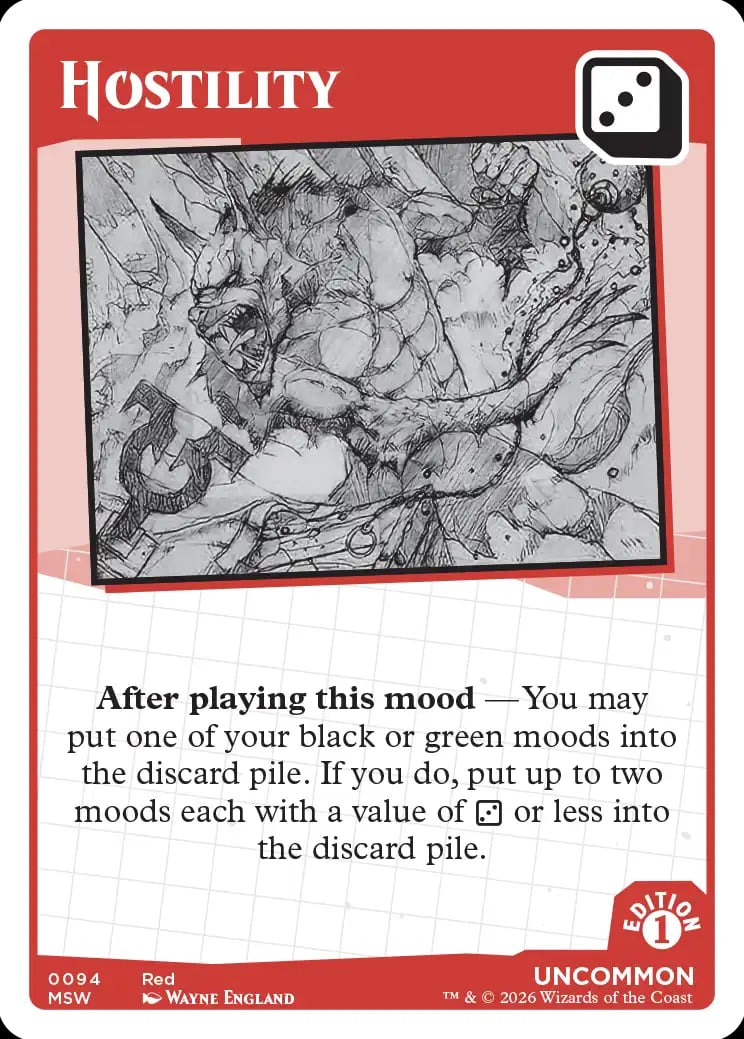
I tell you this because Magic: The Gathering is the measuring stick—Garfield gave the hobby the color pie, mana, and the trading model. Rosewater admits those three ideas shaped his thinking, but he asked a useful question: if Magic sits on the complex end of a spectrum, what sits on the simple end? The answer: emotions. Cards are literal moods—happiness, rage, shame—each with a clear dice-style value and a sentence of rules. The result reads quickly, like a short story that still has teeth.
What is Mood Swings?
It’s a standalone trading card game from Wizards of the Coast designed by Mark Rosewater that treats emotions as playable resources. There’s no mana or resource pool; every value is expressed through dice icons and short text. It ships as a complete 45-card deck, but the decks themselves are randomized from a 133-card pool, so trading and deck construction remain part of the hobby for those who want them.
At a Secret Lair planning meeting, someone pushed to sell it differently.
The sales plan matters almost as much as the rules. Rather than traditional boosters or in-store launches, Wizards will sell Mood Swings through its Secret Lair platform only. That makes it experimental and direct-to-collector, although availability will be broader than Secret Lair’s usual limited runs. Each deck costs $25 (€23) and contains a randomized mix of commons, uncommons, rares, and mythics—so the trading economy is baked into the product without forcing players to buy boxes of boosters.
How is Mood Swings different from Magic: The Gathering?
Short answer: speed and simplicity. Where Magic often rewards repeat plays to understand synergies and timing, Mood Swings wants you to grasp the loop on the first play. There’s no land or mana, no layered stack of continuous effects, and you don’t need a second deck to face off—one deck can run a match. It borrows art scraps from Magic as an aesthetic placeholder, signaling a prototype stage while keeping a connection to the house that built it.
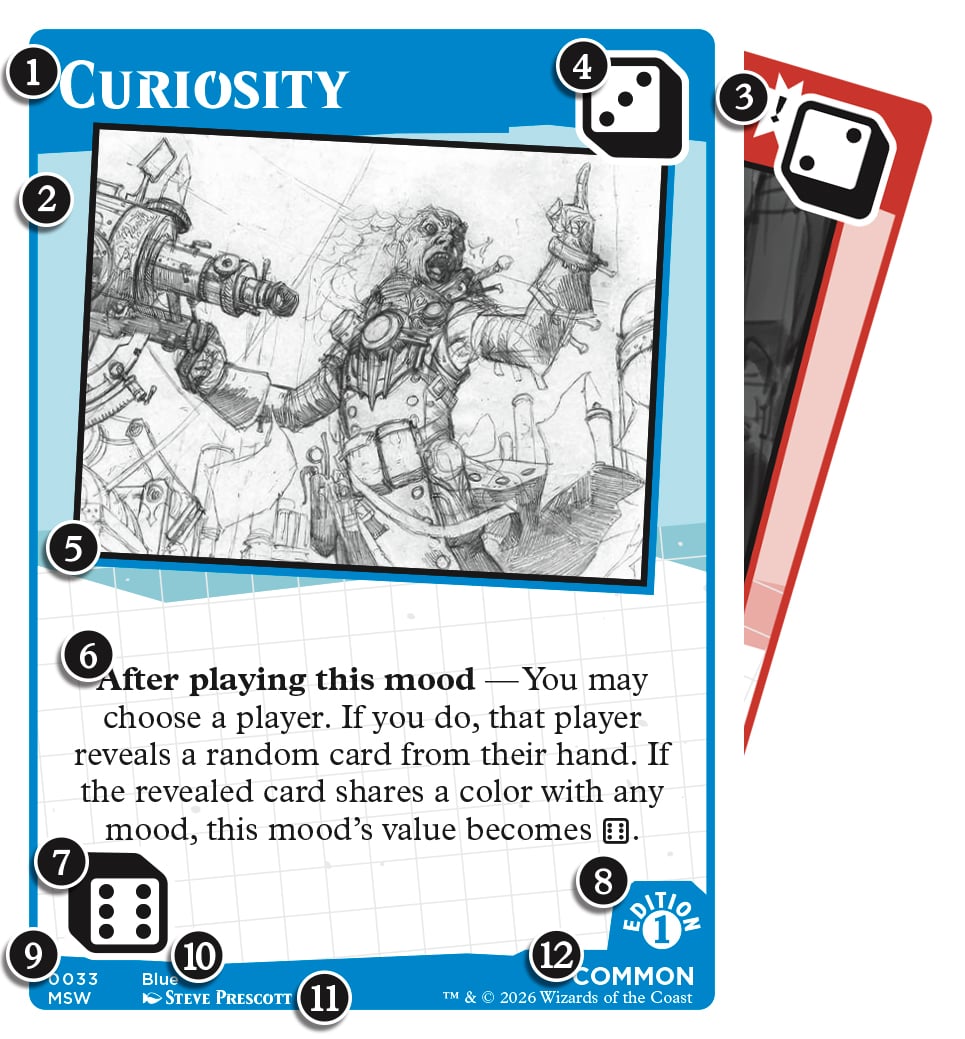
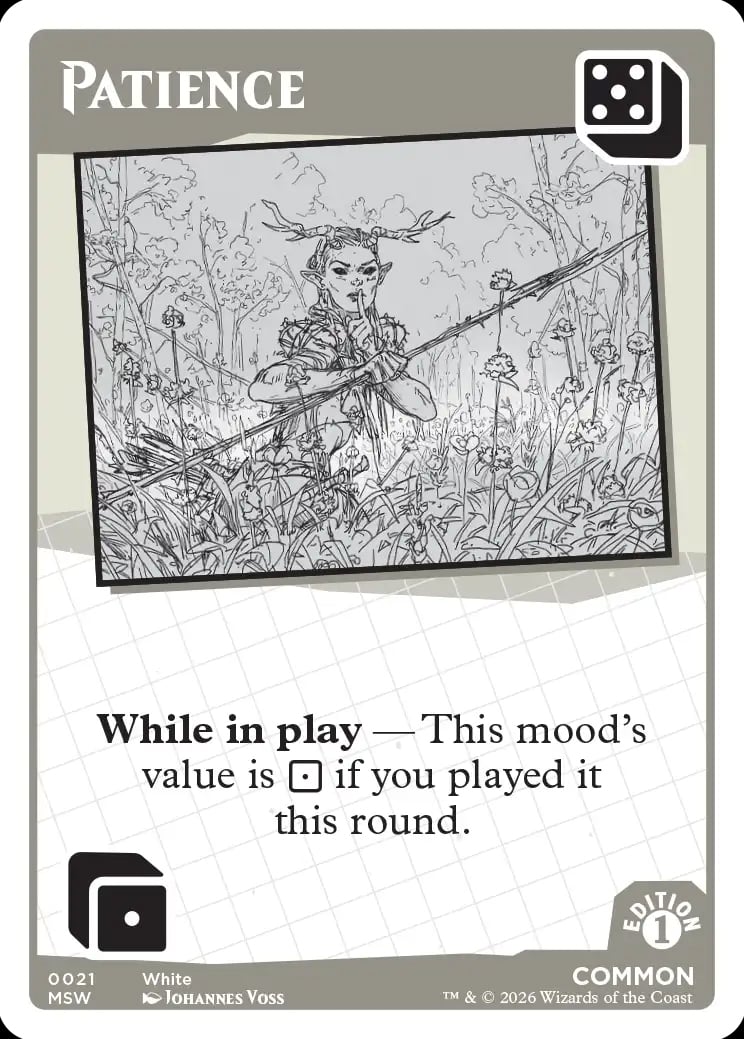
At the demo table, non-players picked it up faster than veterans expected.
That’s an early signal: accessibility can widen the funnel. Rosewater explicitly wanted something “universal”—emotions are human currency. His mother was a psychologist; he wrote a college play with emotions as characters. This design philosophy makes the game warmer and lighter in tone than much of Magic, and it invites players who might otherwise be intimidated by long learning curves.
When and where can I buy Mood Swings?
Wizards will sell decks through Secret Lair starting June 1. Each 45-card deck is randomized from the full 133-card set, and because of that randomness collectors and competitive players will still trade to chase particular cards. If you follow Aaron Forsythe’s or Mark Rosewater’s posts on social platforms, you’ll see early commentary and tournament organizers may test formats after release.
At the heart of this is a designer who refused to let the idea die.
I’ve interviewed Rosewater before; persistence is his signature. Aaron Forsythe jokes that Rosewater’s superpower is stubbornness. After nearly three decades of refining rules, prototype tests, and conversations inside Wizards’ R&D pit, he finally has a launch date. That kind of personal commitment signals the company is willing to experiment beyond its cash cow, and that’s notable for anyone tracking Wizards’ product strategy.
You can read the extended rules on Wizards’ site and watch community reaction as the first decks ship June 1 through Secret Lair. If you follow Rosewater, Garfield, or Forsythe on social channels you’ll see the design conversation unfold in real time. Think of Mood Swings as a pocket watch of game design—small, precise, and ticking with intent.
So here’s my question for you: will a game about emotions change how the hobby grows, or will players keep returning to the complexity of Magic as before?