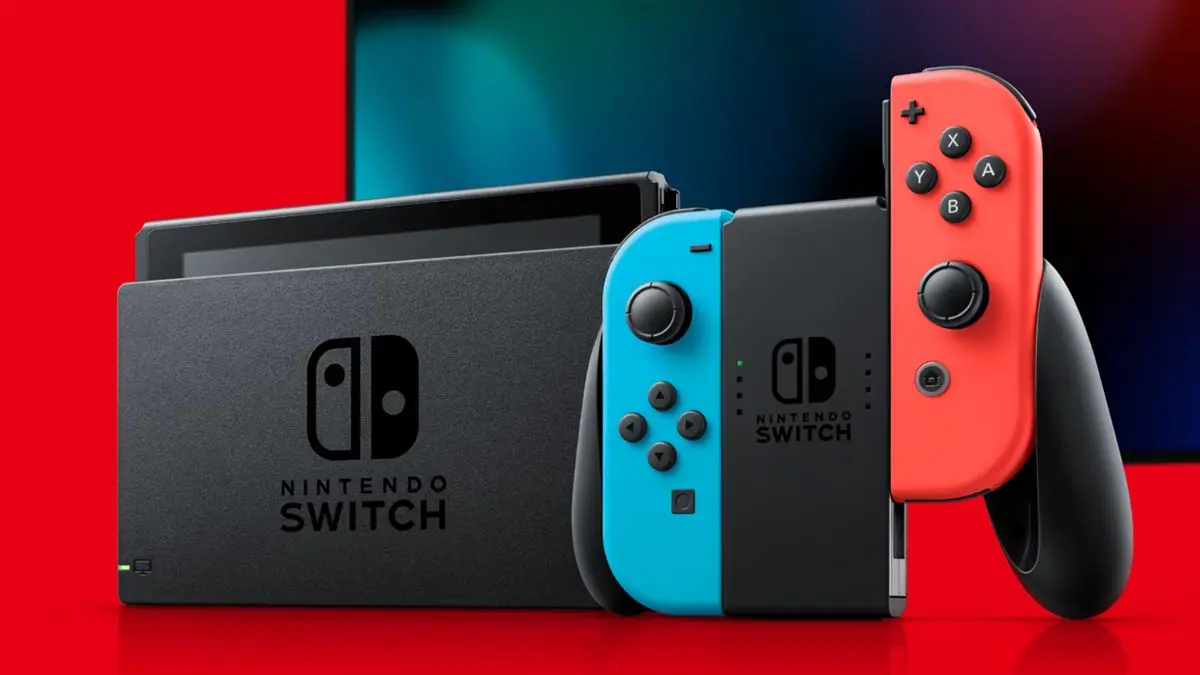
Rain on the window, my couch dimly lit, and two controllers clacking while everyone else scrolls their phones. I picked up a used Nintendo Switch on a whim and stayed up until dawn—no one complained. That night told me everything I needed to know about why this eight-year-old handheld still matters.
I’m going to be blunt: you can buy a Steam Deck, an ROG Ally, or a Lenovo Legion Go and admire their specs. But if you want a portable where the games themselves are the reason to play, you should seriously consider the original Nintendo Switch. I say this as someone who owns a PS5 and an Xbox and watched both gather dust while I chased Nook Miles and broke lap records in Mario Kart.
At my friend’s kitchen table I watched an argument dissolve over a single race. An S-tier library of exclusive games
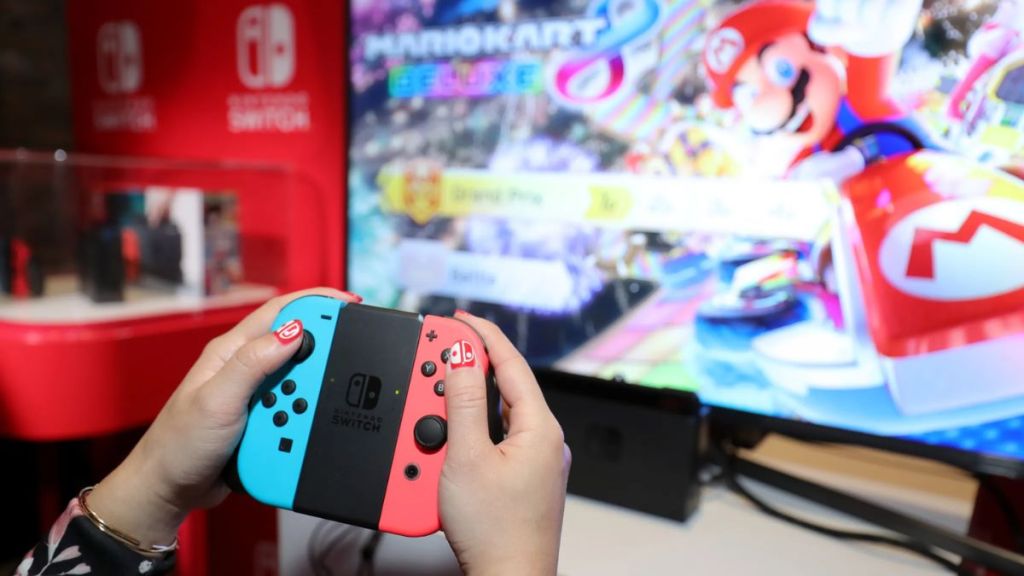
When I bought my pre-owned Switch for $200 (€186) it came with eight physical games and, frankly, a contract I happily signed with my free time. Mario Kart 8 Deluxe, Super Mario Odyssey, Animal Crossing—these aren’t ornaments. They’re designed to be played, replayed, and shared. The controls feel effortless; the design philosophy prizes joy over technical flash. It’s why Super Mario Odyssey teaches you movement through play rather than tutorials.
The Switch’s first-party catalogue reads like a manifesto on fun: The Legend of Zelda, Metroid Prime, Splatoon, Kirby, Bayonetta, Astral Chain. These are games you won’t find on a Steam Deck or an ROG Ally because Nintendo keeps its crown jewels on its own shelf. If you want an on-the-go PlayStation experience, rumor mills whisper about a PlayStation handheld companion, but for now, Nintendo owns portable exclusives.
Party games shine here too. I watched my girlfriend—whose last gaming memory was a casual phone pool game—spend two full hours mesmerized by Mario Kart. Accessible controls and instant charm can turn skeptics into fans, and that’s part of the Switch’s magic. The software is the main case for the console; the hardware follows the games’ lead, not the other way around.
Is the Nintendo Switch still worth buying in 2026?
Yes—if your priority is playing Nintendo exclusives and sharing games in small social settings. For roughly $150 (€140) on the second-hand market you can get into the ecosystem without burning money on a more powerful device that serves a different audience. If you want to emote over polished PC ports and mod-friendly emulation, a Steam Deck or Valve-backed handheld might be your path—Valve and Gabe Newell’s team have been the ones pushing portable PC gaming forward—but that’s a different trade-off.
At an online auction I saw a Switch sell for pocket change. The best value of any handheld console
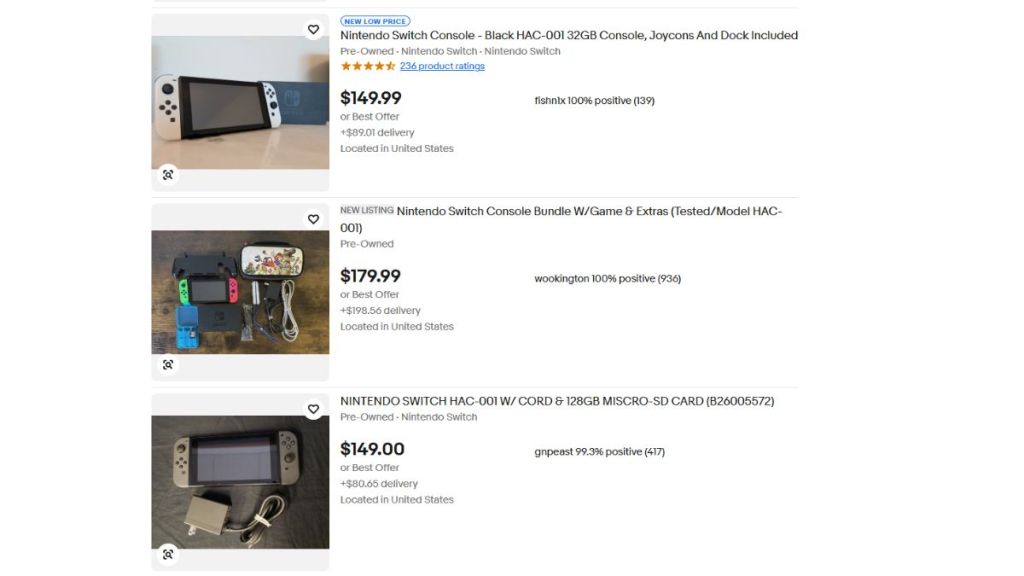
Right now, the math is simple. A pre-owned Switch hovers around $150 (€140). A Switch 2, new or used, rarely drops below $399 (€371). Comparable Windows handhelds from Valve, ASUS, or Lenovo—the Steam Deck, ROG Ally X, Legion Go—typically sit well north of $399. If you want the maximum game-per-dollar ratio, especially for first-party titles, the original Switch wins.
I won’t suggest breaking any laws or warranties—modding carries legal and technical risks—but there’s a thriving homebrew scene for those who like to tinker. If you stay within legal boundaries, the Switch still receives meaningful first- and third-party releases: recent hits and confirmed upcoming titles keep the library fresh. Nintendo’s publishing cadence keeps the device feeling alive even years after launch.
Should I buy a Switch or a Steam Deck for portable gaming?
It depends on what you value. Choose the Switch for exclusive Nintendo titles, simple local multiplayer, and a ridiculously low entry price on the used market. Pick a Steam Deck or a Windows handheld if you want PC-level compatibility, mods, and higher raw performance. Remember: Valve’s SteamOS and Proton work wonders for compatibility, but that strength comes with complexity. The Switch trades complexity for instant, joyous play.
I’ll be honest: recommending an eight-year-old console sounds risky for a journalist who likes hardware trends. But hardware isn’t the whole story. The Switch is like a Swiss Army knife for social gaming—compact, endlessly useful, and often all you need. And its games wrap around you like a warm blanket on a late-night commute.
Will Nintendo keep supporting the original Switch after the Switch 2?
Historically, Nintendo keeps publishing for older hardware long after successors arrive. Look at the Wii and 3DS lifecycles. Expect continued first-party releases and ports for a few years, especially for best-sellers and franchises. Third-party support will vary, but indie developers still treat the Switch as a major platform because its user base remains large and engaged.
If you’ve never played Nintendo’s heavy-hitters and you want a cheap, delightful entry into that catalogue, hunt down a well-priced used unit, grab a few cartridges or eShop purchases, and give it a weekend. Your PS5 or Xbox might start collecting dust—but would you mind if they did?