
I was standing in a GameStop midnight line when my phone buzzed with a Reuters alert: GameStop is quietly building a stake in eBay. For a second the fluorescent light of the store felt less like nostalgia and more like a stage light on a very strange play.
I follow this sort of corporate theater because it tells you where risk and storytelling collide. You should care because this isn’t just investor gossip — it’s a play for survival, incentive pay, and an audience of collectors who already live on eBay and Goldin. I’ll walk you through what’s real, what’s theater, and what might break along the way.
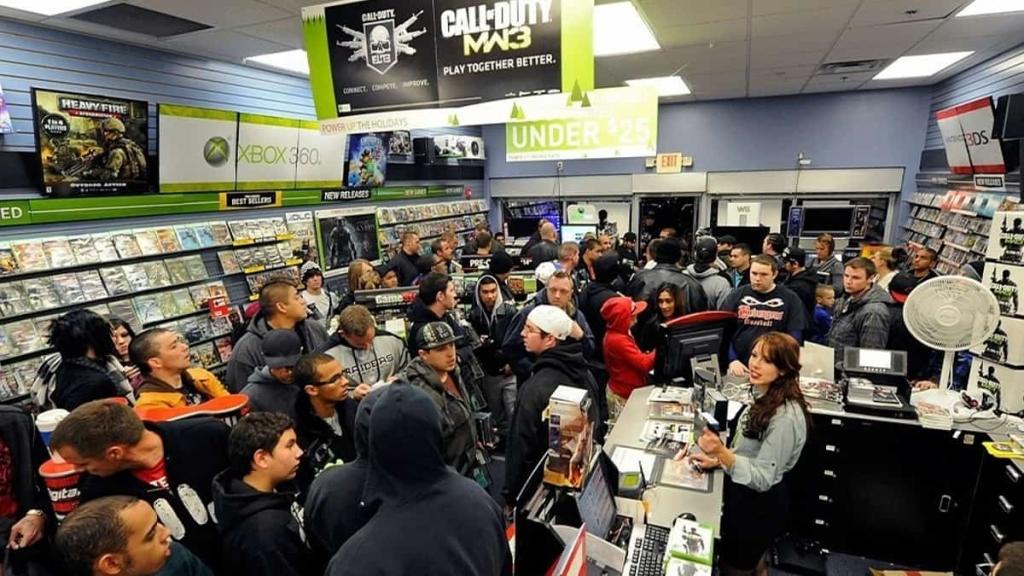
At a midnight release, people still pay for paper and plastic
Shoppers stood in the rain for physical editions and collectable bundles; those crowds are where GameStop’s cash register still rings. From that vantage, eBay looks less like a distant tech giant and more like fertile soil: it owns much of the second‑hand market and the auction economy that makes trading cards and collectibles liquid.
That’s the strategic pitch you can see if you squint. Ryan Cohen has nudged GameStop away from being a plain-box retailer toward a business that benefits from peer-to-peer sales and high-ticket collectibles. Goldin — the auction house that handled Logan Paul’s near‑record sale of a Pokémon card for almost $16.5 million (€15 million) — is the kind of asset that plugs into eBay’s ecosystem.
Why would GameStop try to buy eBay?
Because GameStop’s physical-store model is shrinking and Cohen needs scale in the collectibles market to make the company valuable enough to hit performance goals. Owning eBay would give GameStop immediate reach into millions of active buyers and sellers, a marketplace with entrenched trust and payment rails, and a streaming revenue machine for second‑hand goods.
In investor meetings, compensation slides change incentives
Executives hand out slide decks and the room goes quiet; one slide mattered more this January than the rest. GameStop approved a compensation package worth roughly $35 billion ($35,000,000,000) — about €32 billion — tied to lifting market value to $100 billion (€92 billion) and hitting $10 billion (€9 billion) of cumulative performance EBITDA.
That number explains a lot of the chest‑thumping. If you’re paid on hitting giant market caps, you start to think like an acquirer even when your balance sheet looks better suited to small bets. The package can be a hunger engine: it fuels ambitious, risky moves, and it makes headline-grabbing offers a tool of persuasion rather than a strictly economic decision.
Traders woke to a Reuters headline and markets reacted
Someone on a trading desk hit refresh when the WSJ/Reuters story hit the wire; rumor alone moves prices. On paper the math for a GameStop-led buyout of an eBay-sized company stinks: GameStop is a fraction of eBay’s market cap, so any purchase would require hefty leverage, equity swaps, and deal-making gymnastics.
History also matters. Cohen’s tenure includes flashy failures: a 2022 NFT marketplace that never delivered and an “Amazon for gaming” vision that didn’t stick. GameStop’s flirtation with bitcoin as a treasury asset in March 2025 produced losses and a quiet retreat. Those are warning flags for deal skeptics.
Can a smaller company acquire a much larger one?
Yes, but only with mountains of financing, big equity dilution, activist cooperation, or a willing seller — and it usually looks like financial engineering rather than a classic takeover. Think loans, public‑stock swaps, special committees, and lots of legal scaffolding. That’s how a David can sometimes buy a Goliath, though the long odds are obvious to anyone who reads filings and debt covenants.
At a collectibles table, communities already vote with their wallets
Collectors list, bid, and leave ratings on eBay every day; their behavior is the market’s product-market fit. If GameStop wants to be a player here it’s because those users are the revenue — not the store foot traffic.
Owning eBay would give GameStop direct control over discovery, fees, and buyer protection tools, and it would let the company cross-sell—store inventory, exclusive drops, marketplace fees, payment processing. But control comes at a price: antitrust scrutiny, integration risk, and cultural mismatch between a retail brand and a global auction platform.
I won’t pretend I can predict whether Cohen’s move is bold genius or a theater stunt. You can read the filings, study precedent deals, and watch the incentives and market reactions. The only thing certain is that this story will expose how much of modern corporate strategy is theater wrapped around math, and how much is real—so which side are you betting on?