
I was three episodes into Witch Hat Atelier when a stray search turned into a small, furious obsession. You know that prick of curiosity that makes you pause the stream and start digging? That itch led me to a short manga where Kamome Shirahama lets herself be outrageously silly.
I’m telling you this because if you like Shirahama’s flourish in Witch Hat, you’ll find a different muscle flexing in Eniale & Dewiela. I read it so you don’t have to gamble your next binge, and I promise: this one is pure, unbothered fun.
At the checkout line, two glossy spines can change your evening.
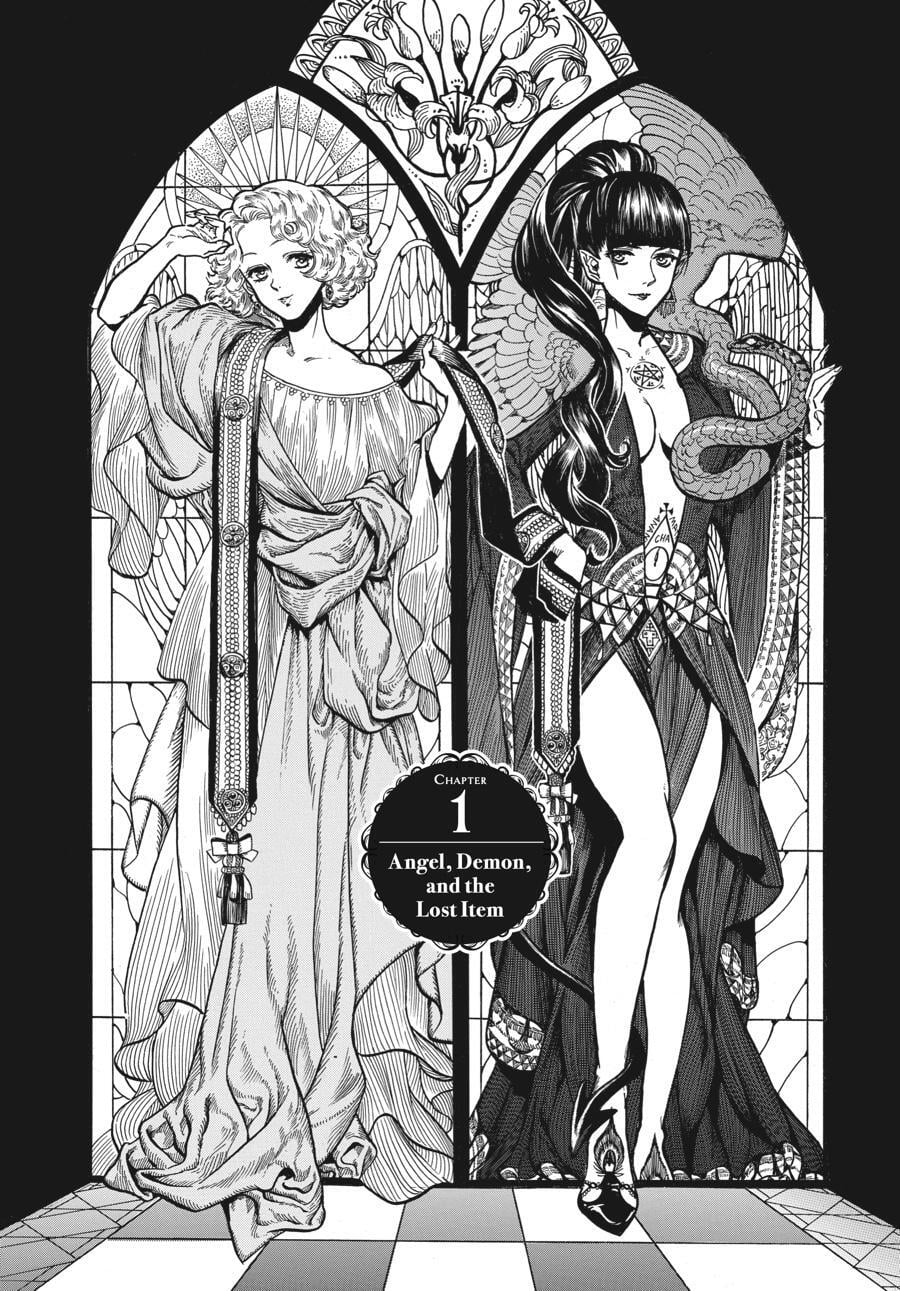
The real-world thing: you’ve stood by a rack and swapped a considered buy for impulse three times this year. Eniale & Dewiela is the kind of impulse that rewards you: Shirahama’s early, short-form work where an angel and a demon are bureaucrats with terrible time management and excellent taste in shoes. The premise is disarmingly simple—Eniale and Dewiela are assigned to collect souls on Earth but spend most of their time scheming, shopping, and one-upping each other—and that banality is the joke’s engine.
What is Eniale & Dewiela about?
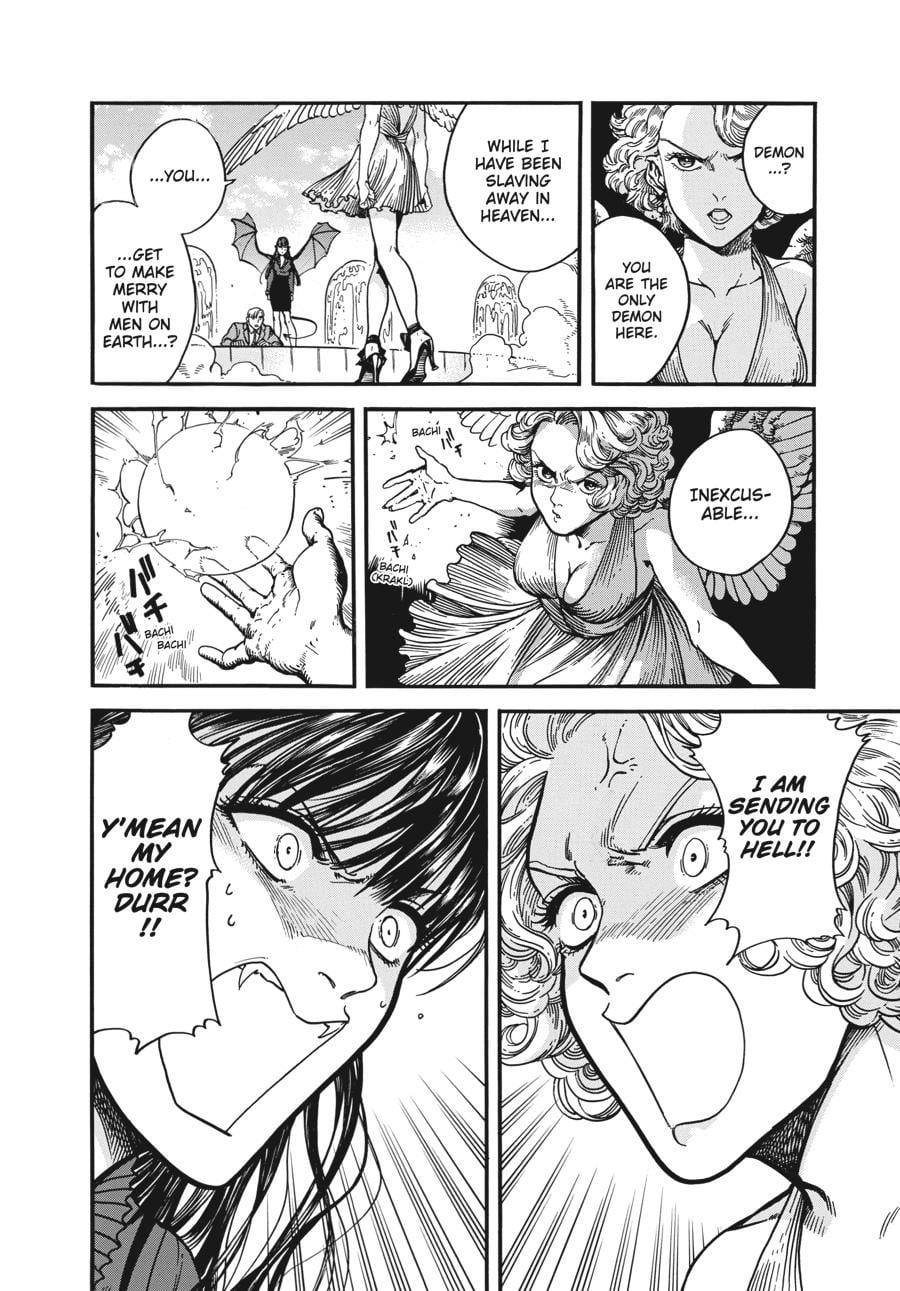
At its core the manga tracks an unruly friendship and a rivalry that reads like a competitive road trip. Eniale is the angel with a soft center and a sharp tongue; Dewiela is the demon who would rather prank an exorcist than file paperwork. The duo’s daily choices escalate from petty sabotage to cosmic mishaps—raising zombies while trying to make a priest both angel and demon, splitting waters to recover jewelry, and blasting errant souls like confetti. It’s slapstick with surprising tenderness.
On message boards, fans compare Shirahama’s tones like genres on a spectrum.
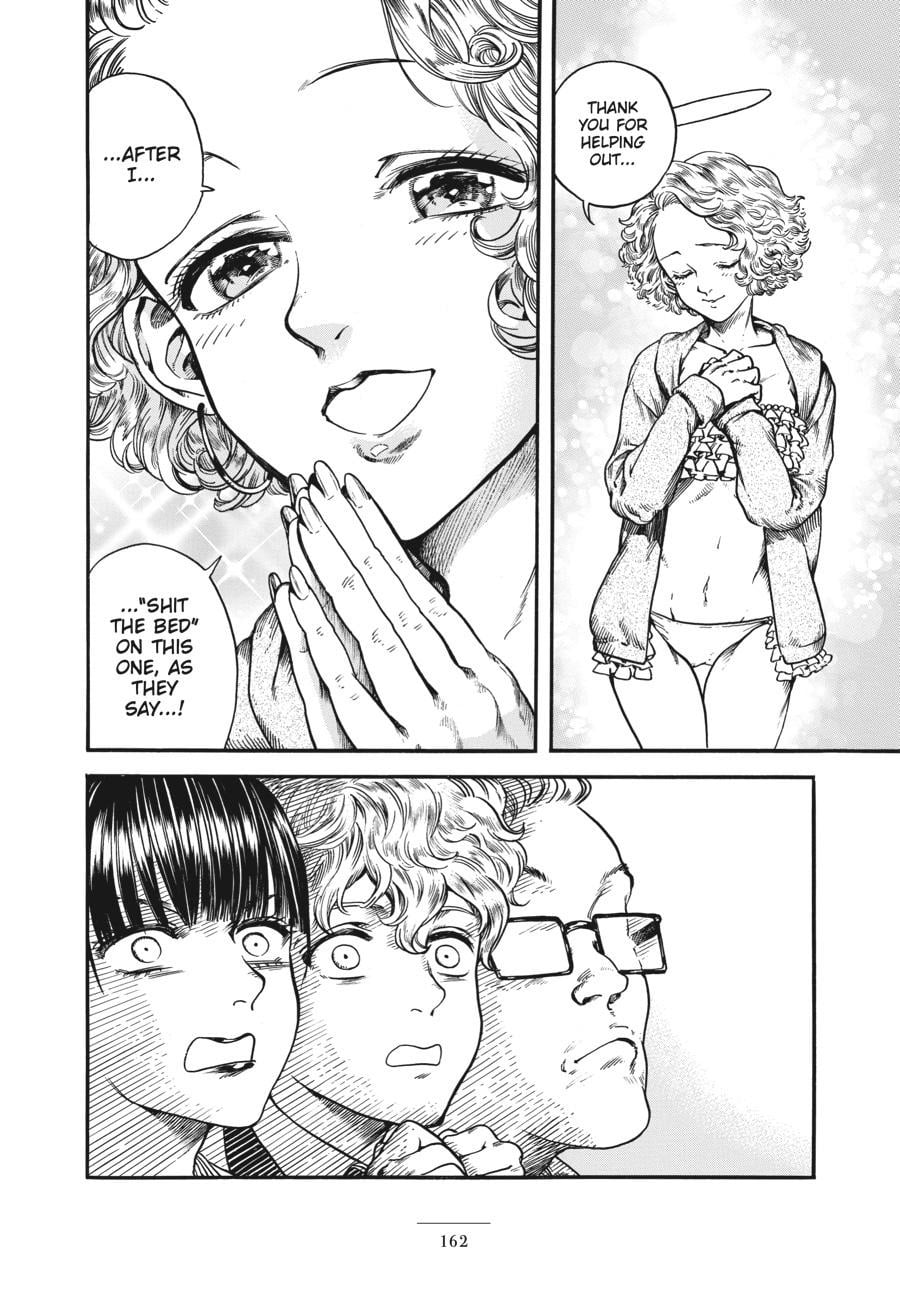
The real-world thing: you’ve scrolled a thread where someone draws a line from A to Z and expects agreement. Fans will tell you Eniale & Dewiela is Shirahama letting go—think of Bayonetta and Jeanne with a dash of Panty & Stocking with Garterbelt energy, but dialed down to playful mischief. The dynamic reads as a prototype for the emotional beats you love in Witch Hat: the tsundere edge, the sheepish soft-laced friend, and a chemistry that slides from rivalry to affection in a panel. If you’re Arkco-curious or chasing sapphic subtext in panels, this short series telegraphs Shirahama’s instincts early.
Should I read Eniale & Dewiela before Witch Hat Atelier?
If you want a different flavor of Shirahama’s voice, yes—read it. Eniale & Dewiela isn’t a prequel or a key to unlock Witch Hat, but it’s an illuminating detour: you’ll see her comic timing and character instincts in a compressed format. It’s fast, it’s cheerful, and it will change how you hear certain emotional notes when they appear in later work.
At a café, people will judge the art before they read a page.
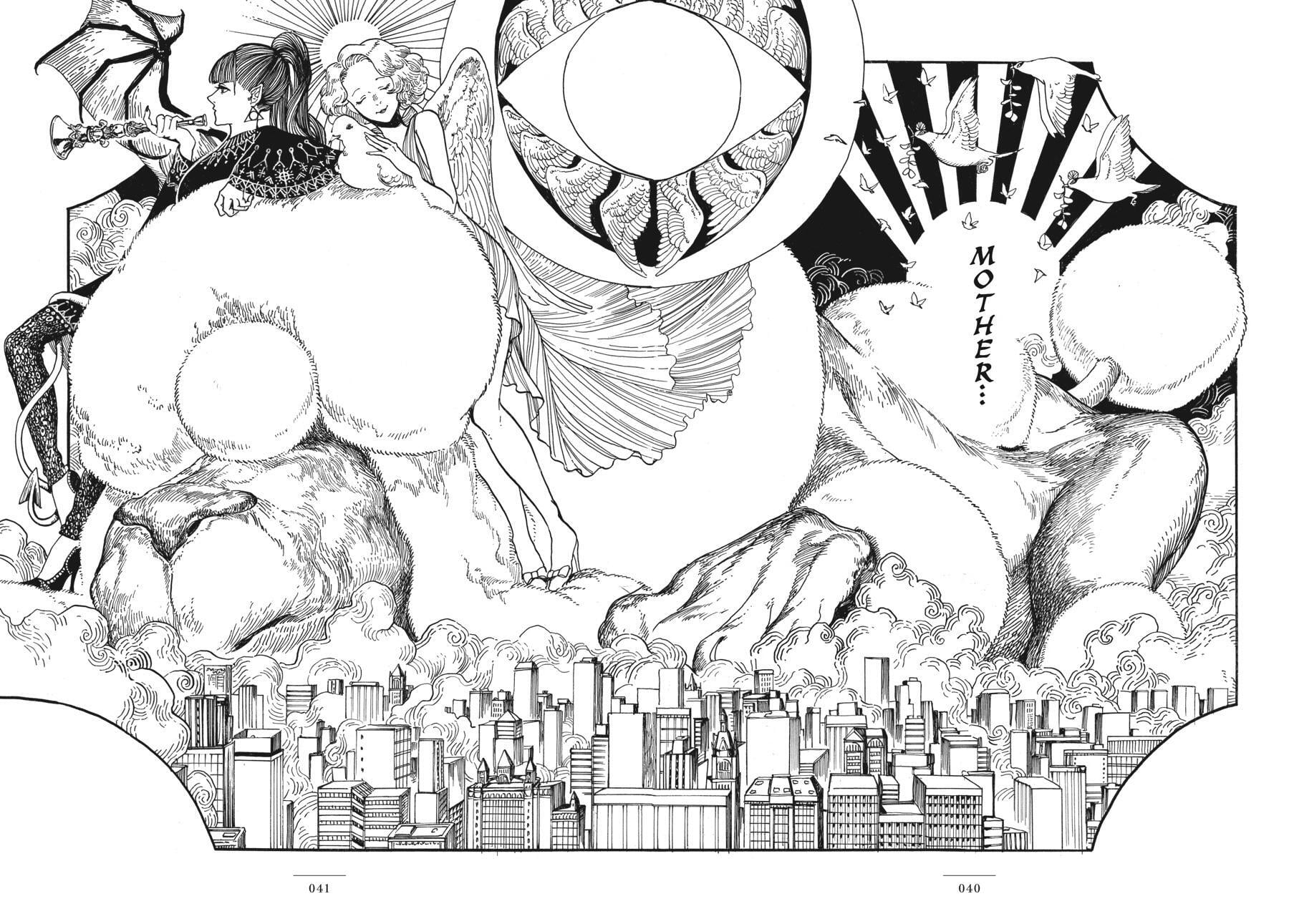
The real-world thing: you’ve opened a book, glanced at an interior, and bought on sight. Shirahama’s linework here is already lavish—ornate borders, intricate costume details, and panel compositions that feel like a tiny illustrated tome. The art serves the jokes as much as it charms: a single splash page can sell a gag almost better than a punchline. The series reads like a feral sketchbook, all elegant chaos and improbable outfits, and every chapter holds a gag that lands because the art backs it with precision.
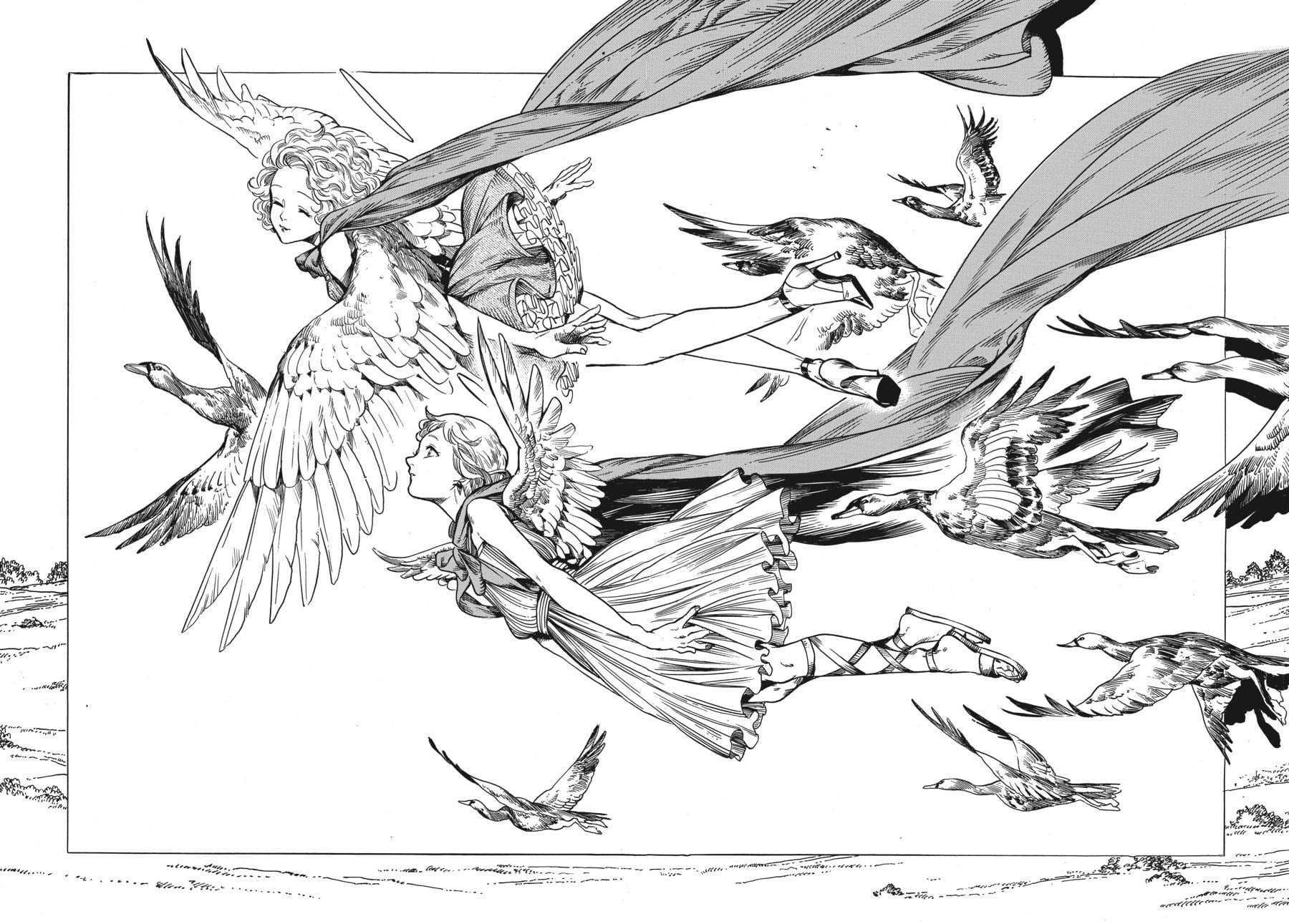
At your shelf, a short series can be the best gap-filler between seasons.
The real-world thing: you’ve needed a quick palate cleanser while waiting for a season to drop. The three-volume run of Eniale & Dewiela is compact: each chapter is a tight joke with an emotional aftertaste. Yen Press publishes the English editions; individual volumes retail for about $14.99 (€14) each, and that price buys you Shirahama’s linework and an appetite for more.
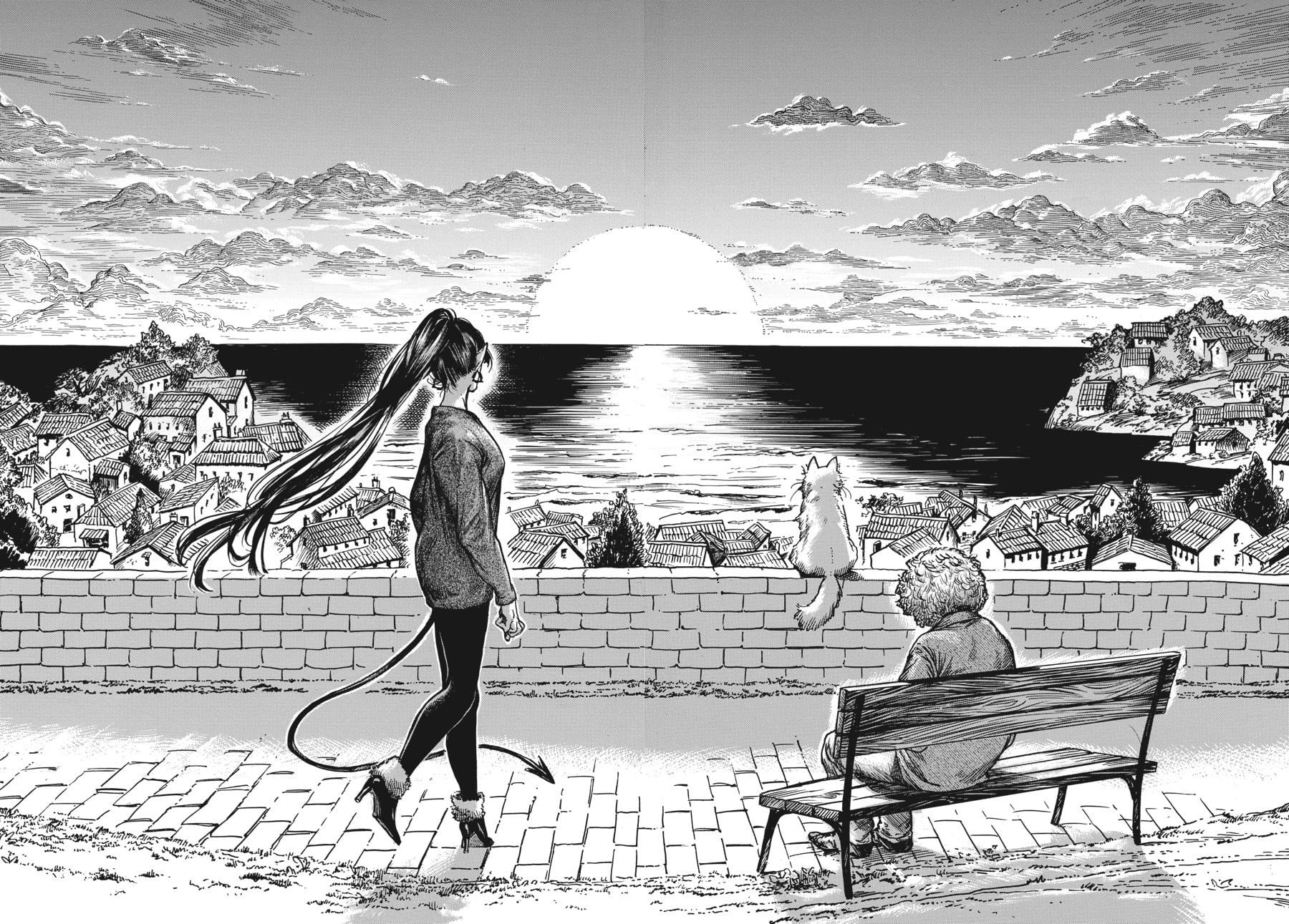
If you’re buying, try official retailers—Yen Press listings, Bookshop.org, Barnes & Noble, or the usual Amazon storefronts—so you support the creator. Review sites like Movies & TV and outlets such as Gizmodo have roundups that link to purchase pages and offer context if you want to read a quick take before you commit.
The series trades apocalyptic mishaps for a sort of gleeful incompetence, and that tonal choice is what makes it memorable: it’s a glittering slapstick grenade, pretty to look at and hilariously messy when it goes off. For a short detour from Witch Hat’s careful worldbuilding, this is Shirahama allowed to be unserious—and that freedom reveals more of her emotional range than you might expect.
So: will you let Shirahama’s misbehaving angels and demons change how you read her quieter moments, or do you prefer the slow, precise charm of Coco’s world?