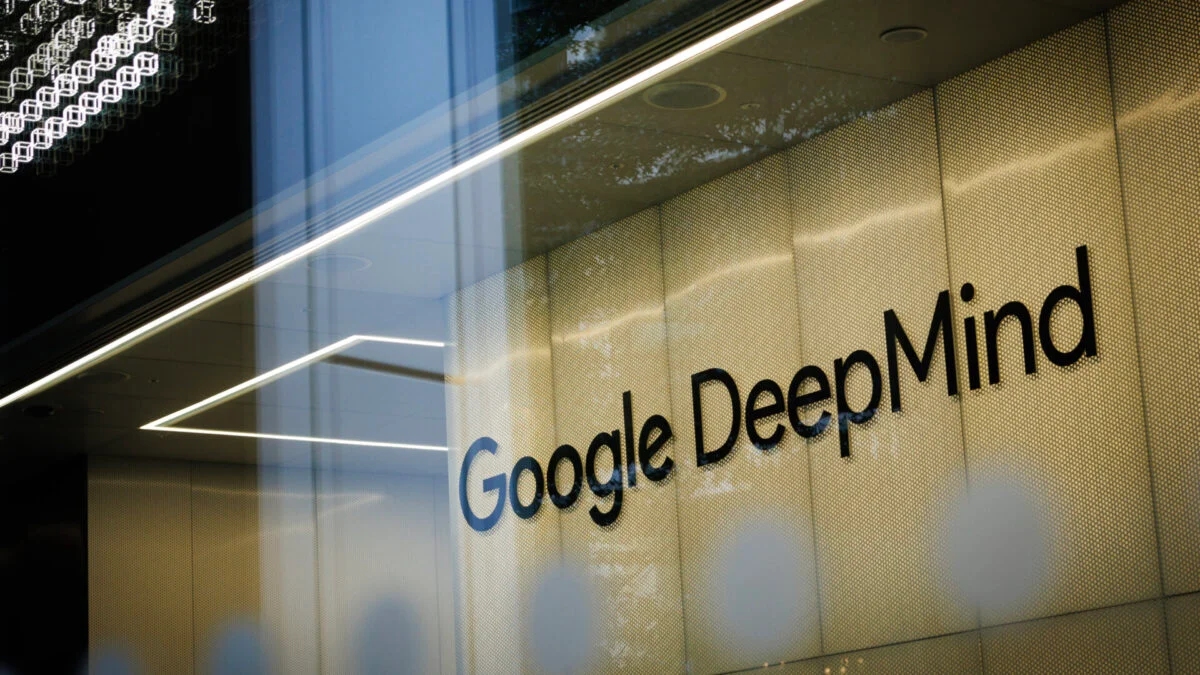
The rain blurred the DeepMind sign outside the London office the day staff handed management a union recognition letter. Inside, conversations stopped when the Google–Pentagon deal leaked: engineers suddenly faced the possibility their models would be used in classified military work. Within a month, staff at DeepMind voted to unionize.
I follow tech labor and AI ethics closely, and you should know what this vote means for engineers and the companies that build their tools. This isn’t a boardroom disagreement; it’s a workplace revolt over where intelligence is put to work.
More than 600 Google employees signed a letter to Sundar Pichai.
That letter landed the week before Google finalized a deal to let the U.S. Department of Defense use its models in classified projects. The signature list included directors and VPs — a signal that concern was bubbling up beyond junior staff.
The union vote at DeepMind, centered in London, followed. Workers asked Google to recognize the Communication Workers Union and Unite the Union as their joint representatives. If Google declines, staff say they’ll ask the U.K.’s Central Arbitration Committee to force recognition and negotiations.
Why did DeepMind workers vote to unionize?
Because many employees felt a line had been crossed: technologies they helped build might be used for surveillance, lethal applications, or classified military missions without transparent controls. A staffer told The Guardian the U.S. war in Iran and disputes between the White House and Anthropic made the Pentagon an unreliable partner in their eyes.
The letter was a flare in the fog. Engineers wanted a formal channel to push for stronger ethical guardrails, explicit bans on weaponization, and the right to refuse tasks that violate conscience.
DeepMind staff delivered a detailed set of demands along with their recognition request.
The tech branch of the Communication Workers Union posted the list publicly: an explicit promise from Google not to develop weapons or systems intended to harm people, a ban on AI-powered mass surveillance that could violate human rights, stronger whistleblower protections, and conscience clauses letting employees opt out of projects they find unethical.
Workers also want commitments written into policy rather than left to ad-hoc managerial promises. That’s where bargaining power matters — a negotiated contract can create enforceable protections.
Can unions stop AI from being used in weapons?
Not singlehandedly. A union can’t veto government procurement. But a recognized union gives employees a legal seat at the table — bargaining rights, formal grievance processes, and the political leverage to make certain projects harder to staff or launch. It’s a predictable method for workplace influence, not a magic switch that halts procurement.
Other major AI and cloud providers are signing classified agreements with the military.
Last week Microsoft, Nvidia, Amazon Web Services, and Reflection AI joined Google, OpenAI, and SpaceX in deals tied to classified AI work. That group now covers most of the companies with the compute and models the Pentagon needs.
Google has defended its participation, saying it supports national security projects — logistics, cybersecurity, translation, fleet maintenance, and protection of critical infrastructure — while claiming it opposes mass domestic surveillance and autonomous weapons without human oversight. Still, months of internal letters and resignations at other firms show these assurances don’t settle staff anxieties.
How will the Google–Pentagon AI deal affect employees?
If you work at an AI team, expect more pressure to take on classified contracts, tighter data handling, and restricted transparency — which conflicts with the open, collaborative culture many researchers expect. For managers, the public relations hit and internal dissent complicate hiring and retention.
The vote became a firewall: it’s an attempt to erect a formal barrier between engineers’ intent and how their work is repurposed, using collective labor tools rather than private protest alone.
Union recognition is a tactical move, not an end state.
Recognition opens negotiation but doesn’t automatically rewrite corporate strategy. The next stage is bargaining: staff will press for written policies, stronger whistleblower protections, and the right to refuse work on ethical grounds. Those demands will test how much Google is willing to bind future product decisions to employee ethics.
I’ve watched these fights produce policy changes before — sometimes slow, sometimes fast — and you should watch who shows up: Sundar Pichai, the board, legal teams, and the U.K.’s arbitration bodies. The outcome will matter beyond DeepMind: it will shape whether engineers can influence how AI is deployed at scale.
The big question now is simple and sharp: will companies answer staff with legally enforceable limits, or will they keep relying on vague assurances that won’t survive a crisis?