
I watched the auction clock tick down and felt the floor tilt under a $16.5 million card. The room went quiet, then feral—phones up, bids flying. You could sense the moment when a piece of paper stops being nostalgia and becomes pure capital.
I’ve tracked auctions and graded slabs for years, and I’ll tell you what the headlines don’t: rarity is a mix of accident, story, and scarcity—and you can learn to read those signs. Below I’ll walk you through the 25 rarest Pokémon cards in play right now (May 2026), explain how collectors and investors are thinking, and show the exact numbers the market is using.
You can see it on every auction feed: a tiny handful of promos own the headlines. These cards were printed in tiny runs, slipped out to contest winners or employees, and then became the stuff of legend—so their market value grew as demand outpaced supply.
Grading houses (PSA, CGC, BGS) and auction platforms (Goldin, Heritage Auctions, Fanatics Collect, eBay) set the script. Celebrities and investors—Logan Paul, Kevin O’Leary, AJ Scaramucci—turn big sales into splashy headlines. If you want to read the market, learn the players, learn the grades, and watch how provenance changes prices overnight.
| Card | Grade | Card Value |
|---|---|---|
| Pikachu Illustrator (1998 CoroCoro Promo) | PSA 10 | $16,492,000; €15,172,640 |
| Trophy Pikachu No. 1 Trainer Gold (Lizardon Mega Battle) | PSA 9 | $3,000,000; €2,760,000 |
| 1st Edition Shadowless Charizard Holo | PSA 10 | $550,000; €506,000 |
| 1999 Prerelease Raichu | PSA 6 | $550,000; €506,000 |
| Topsun Blue Back Charizard (Japanese) | PSA 10 | $493,230; €453,772 |
| Trophy Pikachu Silver No. 2 (Lizardon Mega Battle) | PSA 10 | $444,000; €408,480 |
| Presentation Galaxy Star Blastoise | CGC 8.5 | $360,000; €331,200 |
| Trophy Pikachu Bronze No. 3 (1st Tournament) | PSA 8 | $324,000; €298,080 |
| Signed Japanese Base Set Charizard (Arita auto) | PSA 10 | $324,000; €298,080 |
| Pokemon Snap Contest Pikachu | Authenticated | $270,000; €248,400 |
| Tsunekazu Ishihara GX Promo (signed) | PSA 7 | $247,230; €227,452 |
| Test Print Gold Border Blastoise | CGC 6.5 | $216,000; €198,720 |
| 2005 Play Promo Holo Umbreon (Gold Star) | BGS 9.5 | $180,000; €165,600 |
| Kangaskhan Family Event Trophy | PSA 10 | $175,000; €161,000 |
| Secret Super Battle No. 1 Trainer (Japanese Promo) | PSA 10 | $156,000; €143,520 |
| Lugia Neo Genesis 1st Edition Holo | BGS Pristine 10 | $144,300; €132,756 |
| Super Secret Battle No. 2 Trainer (Yamaguchi) | CGC 8 | $137,500; €126,500 |
| Pokemon Snap Contest Magikarp | Authenticated | $136,000; €125,120 |
| Neo Summer Battle Road No. 2 Trainer | CGC 10 | $132,000; €121,440 |
| Disco Holofoil Charizard | CGC 8 | $113,880; €104,790 |
| 2006 World Championships No. 2 Trainer | PSA 9 | $110,100; €101,292 |
| Extra Battle Day Full Art Lillie (Japanese) | PSA 10 | $108,000; €99,360 |
| Japanese Beta Presentation Charizard | CGC 8 | $99,000; €91,080 |
| 1999 Tropical Battle No. 2 Trainer | PSA 10 | $81,250; €74,750 |
| CoroCoro Snap Bulbasaur (Japanese Promo) | PSA 9 | $80,520; €74,078 |
How much is the rarest Pokémon card worth?
If you want a headline answer: the Pikachu Illustrator (PSA 10) sold for $16,492,000 (€15,172,640). That sale, tied to provenance from Logan Paul and later AJ Scaramucci, rewrote what collectors expected a single card could fetch. I watched that auction move markets for a week.
How can I tell if a Pokémon card is rare?
You begin with three things: edition (1st Edition, promo, test print), provenance (tournament winners, employee gifts, signed copies), and grade (PSA, BGS, CGC). You also watch the platforms—Goldin, Heritage, Fanatics—and the people who drive bids; their names matter. A signature from Mitsuhiro Arita or Tsunekazu Ishihara can flip a card from valuable to headline-making.
Pikachu Illustrator 1998 CoroCoro Promo ($16,492,000; €15,172,640)
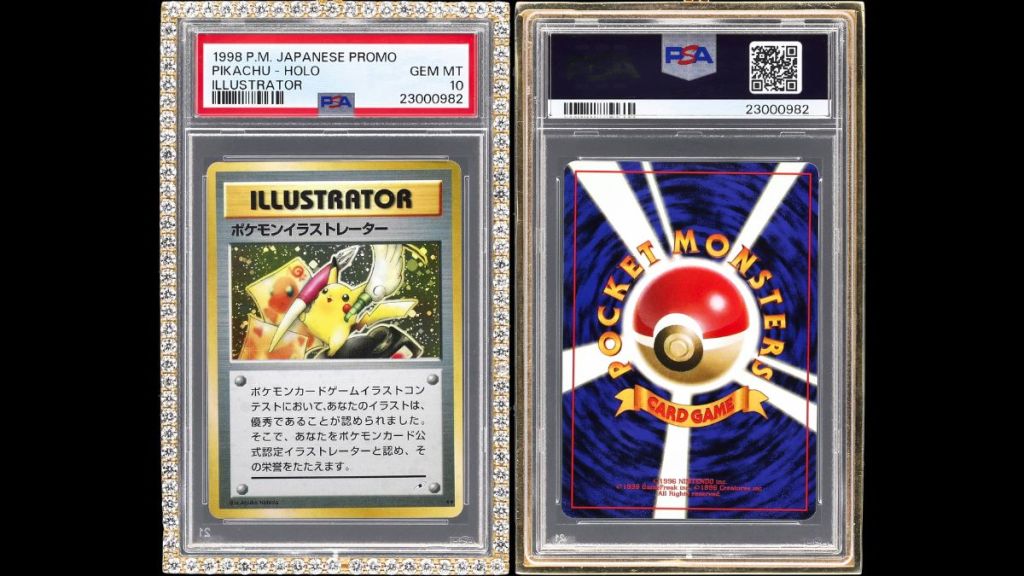
Card Value: $16,492,000; €15,172,640
Grade: PSA 10
The Pikachu Illustrator was awarded to winners of a 1998 CoroCoro illustration contest—only 69 were given. Its sale broke records and put promotable provenance on every collector’s checklist. The card is like holding a small time capsule: it contains a story that buyers want to own as much as the card itself.
Trophy Pikachu No. 1 Trainer Gold (Lizardon Mega Battle) ($3,000,000; €2,760,000)
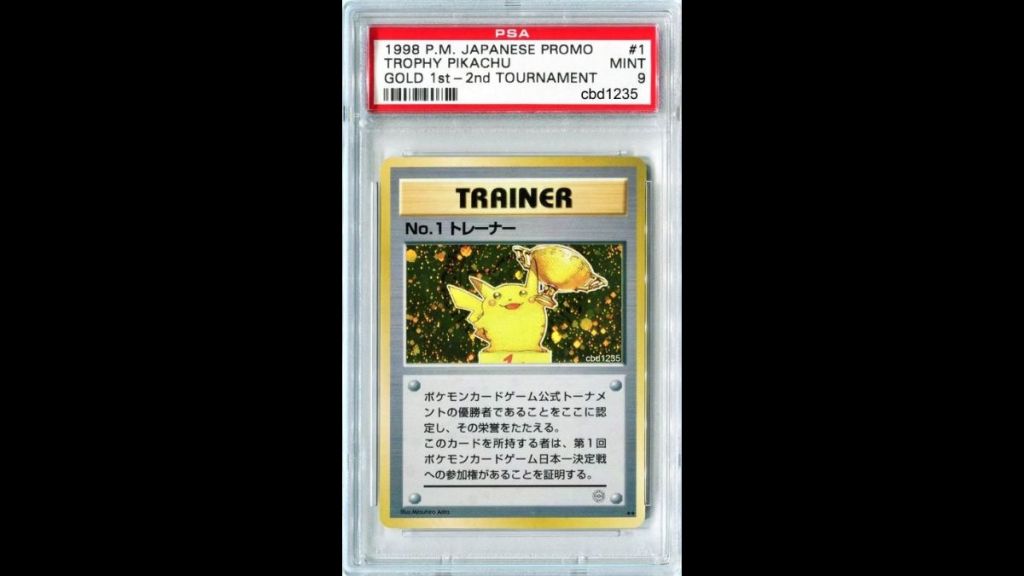
Card Value: $3,000,000; €2,760,000
Grade: PSA 9
Only 14 copies exist from the Lizardon Mega Battle tournaments. Tournament trophies reward performance, and performance creates provenance—collectors pay a premium for that proven story.
1st Edition Shadowless Charizard Holo ($550,000; €506,000)
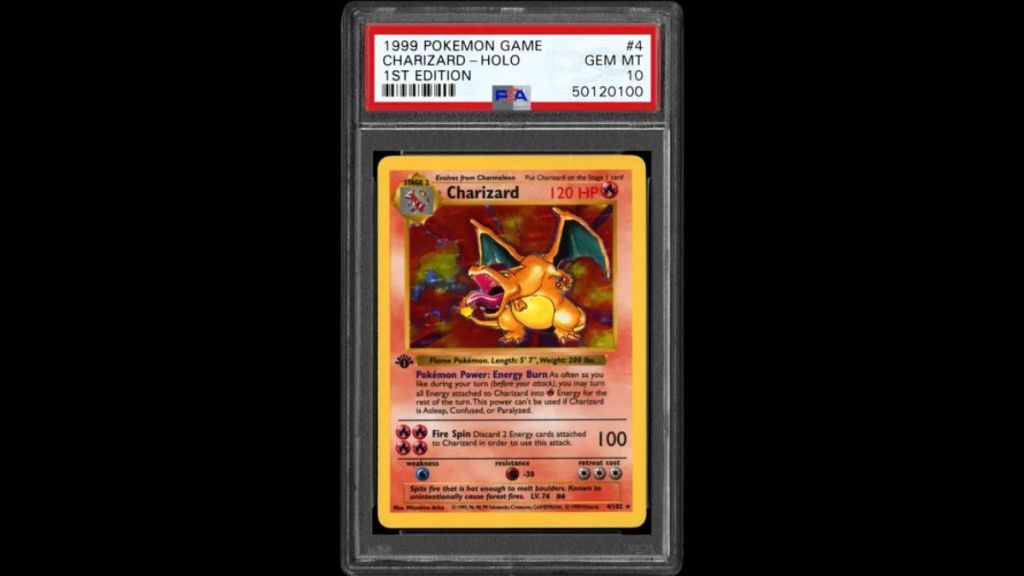
Card Value: $550,000; €506,000
Grade: PSA 10
Nostalgia fuels Charizard’s price; first-edition, shadowless copies are the rarest flavors. Collectors prize the card’s connection to the original games and artwork.
1999 Prerelease Raichu ($550,000; €506,000)
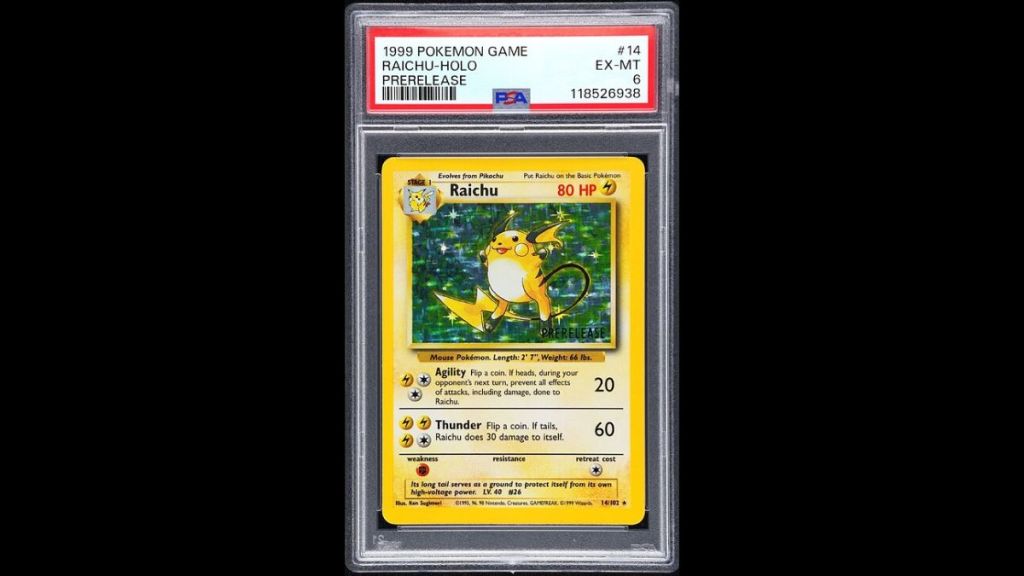
Card Value: $550,000; €506,000
Grade: PSA 6
An accidental prerelease stamp created extreme scarcity—only seven or eight copies were produced. Error cards can be volatile, but when collectors confirm authenticity and grade, prices spike.
Topsun Blue Back Charizard (Japanese) ($493,230; €453,772)
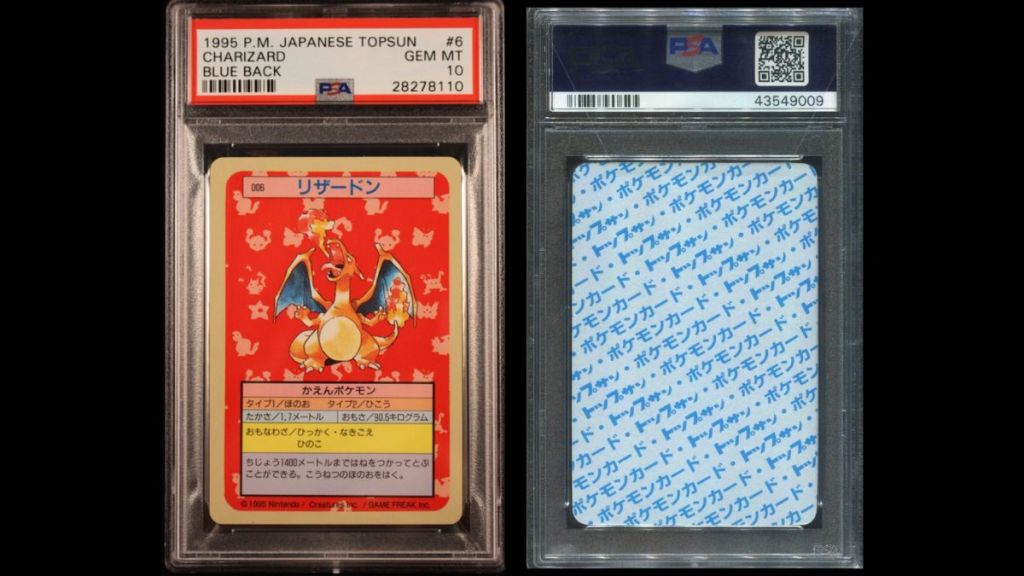
Card Value: $493,230; €453,772
Grade: PSA 10
This prototype from Topsun predates official prints; only about 31 copies are known. Unofficial items can be controversial, but scarcity drives interest.
Trophy Pikachu Silver No. 2 (Lizardon Mega Battle) ($444,000; €408,480)
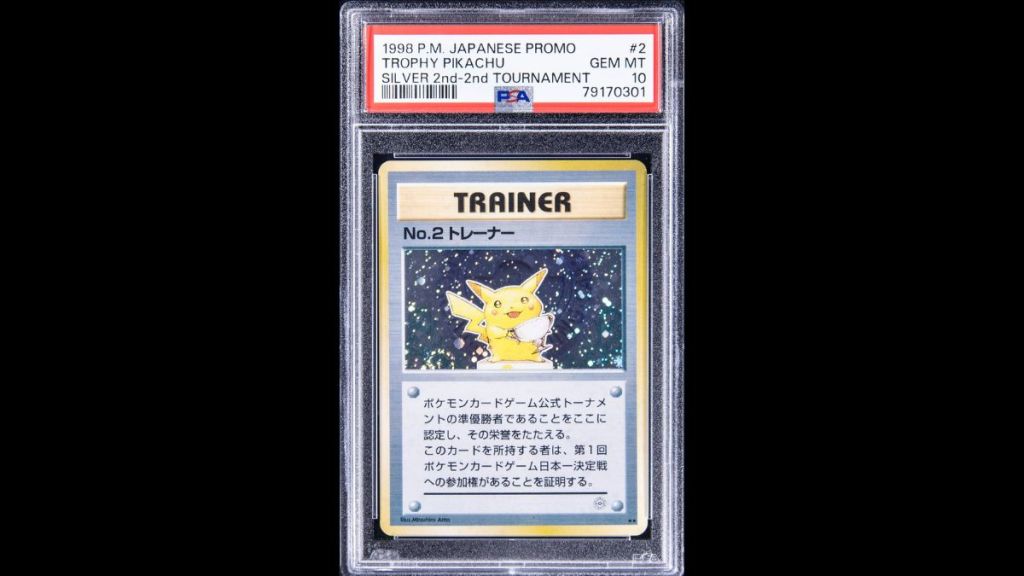
Card Value: $444,000; €408,480
Grade: PSA 10
Second-place trophies are rarer than you’d think—only 15 copies exist and just a few have been graded. Tournament trophies are a predictable rarity play.
Presentation Galaxy Star Blastoise ($360,000; €331,200)
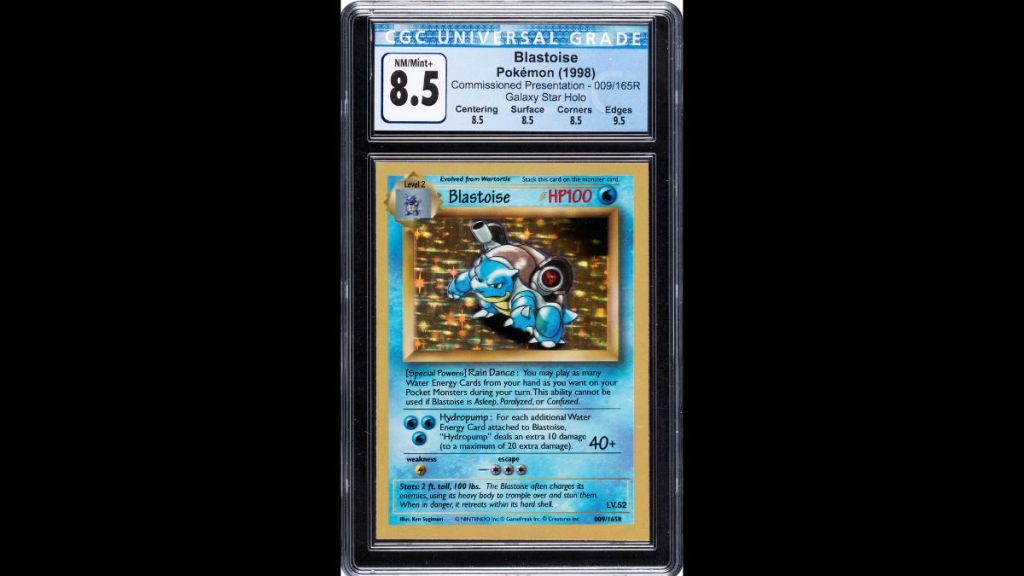
Card Value: $360,000; €331,200
Grade: CGC 8.5
One of only two known presentation prototypes created to pitch Pokémon to Nintendo. Typos, missing symbols, and odd fonts make this a collector’s curiosity with genuine historic value.
Trophy Pikachu Bronze No. 3 (1st Tournament) ($324,000; €298,080)
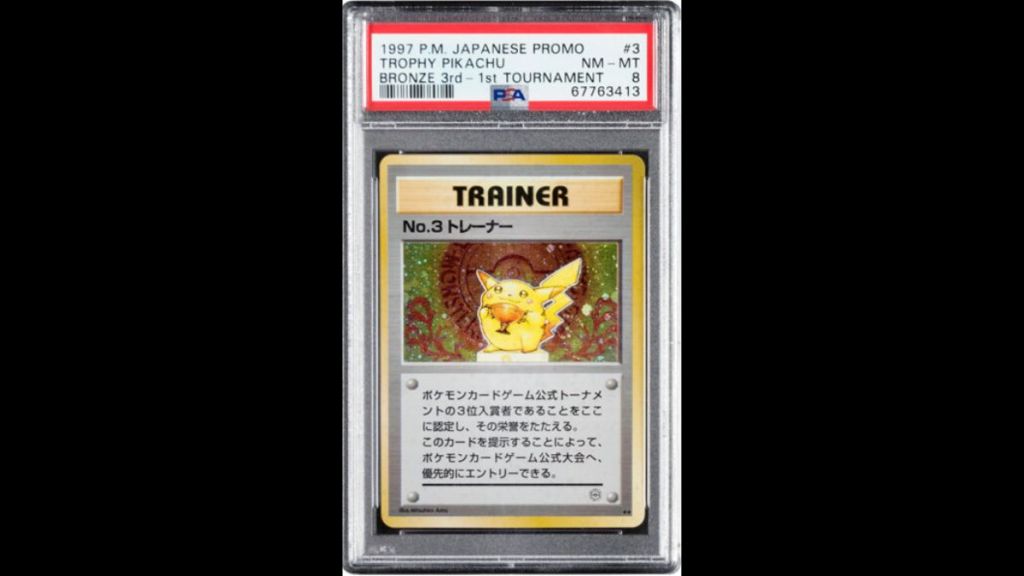
Card Value: $324,000; €298,080
Grade: PSA 8
Third-place trophies are scarce and sentimental; they sell to collectors who prize the story of early competitive play.
Signed Japanese Base Set Charizard (Arita auto) ($324,000; €298,080)
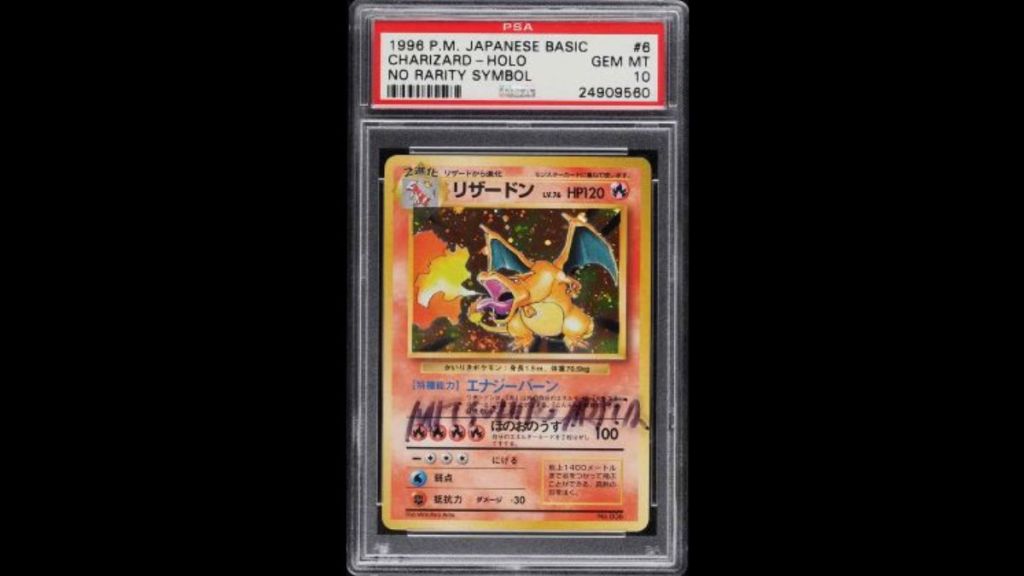
Card Value: $324,000; €298,080
Grade: PSA 10
Mitsuhiro Arita’s signature—he illustrated many early cards—adds a layer of authenticity collectors pay for. Signed GEM MT copies are rare and move quickly on the market.
Pokemon Snap Contest Pikachu ($270,000; €248,400)
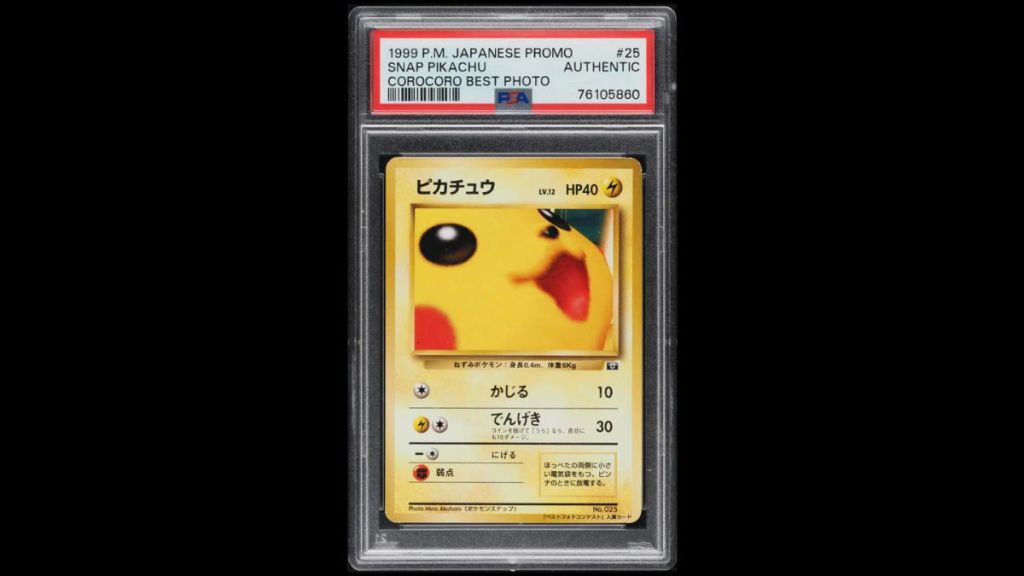
Card Value: $270,000; €248,400
Grade: Authenticated
Promo ties to the Pokemon Snap game: winners reportedly got 20 copies. When one surfaced in 2023, collectors recognized its rarity immediately.
Tsunekazu Ishihara GX Promo (signed) ($247,230; €227,452)
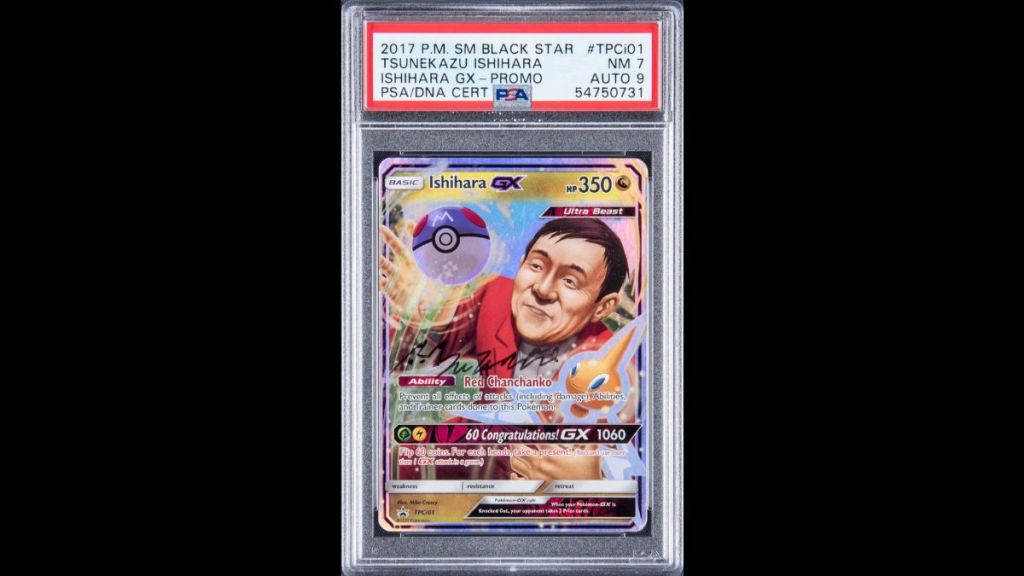
Card Value: $247,230; €227,452
Grade: PSA 7
A corporate giveaway for Ishihara’s 60th birthday—given to employees—this one’s scarcity comes from insider distribution and a signed pedigree.
Test Print Gold Border Blastoise ($216,000; €198,720)
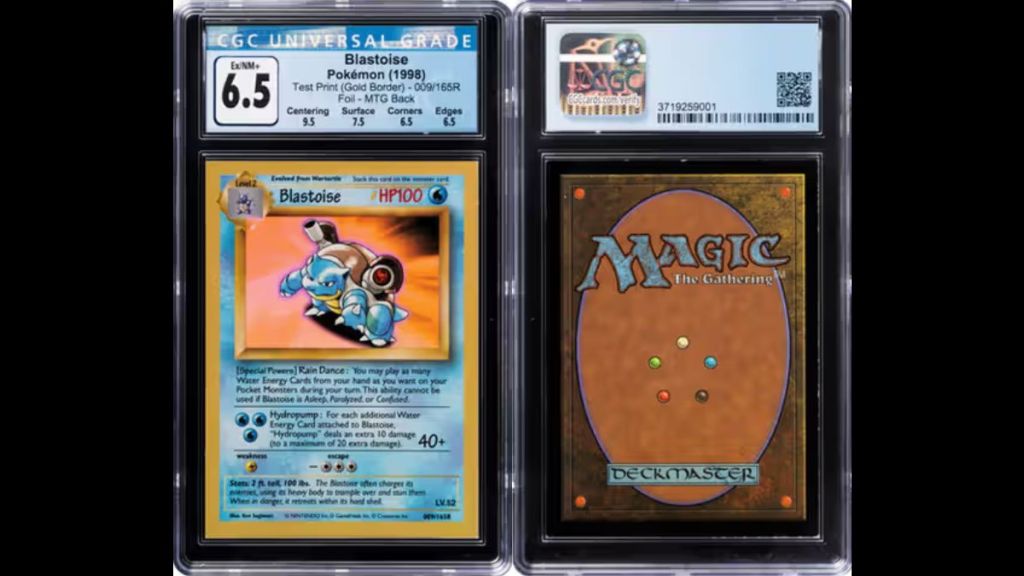
Card Value: $216,000; €198,720
Grade: CGC 6.5
Experimental design from Wizards of the Coast—magic card backs, a gold border, and foiling experiments. Test prints can be messy, but collectors prize the rarity and the story.
2005 Play Promo Holo Umbreon (Gold Star) ($180,000; €165,600)
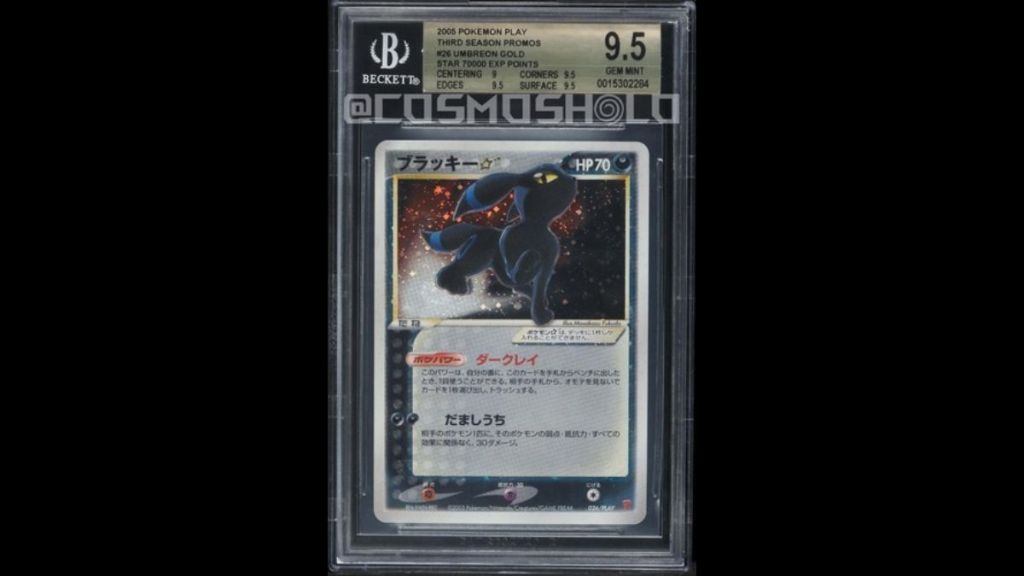
Card Value: $180,000; €165,600
Grade: BGS 9.5, PSA 10
Given to high-experience Pokemon Player’s Club members, the holo Umbreon was never released in English and is strictly limited—classic conditions for a modern grail.
Kangaskhan Family Event Trophy ($175,000; €161,000)
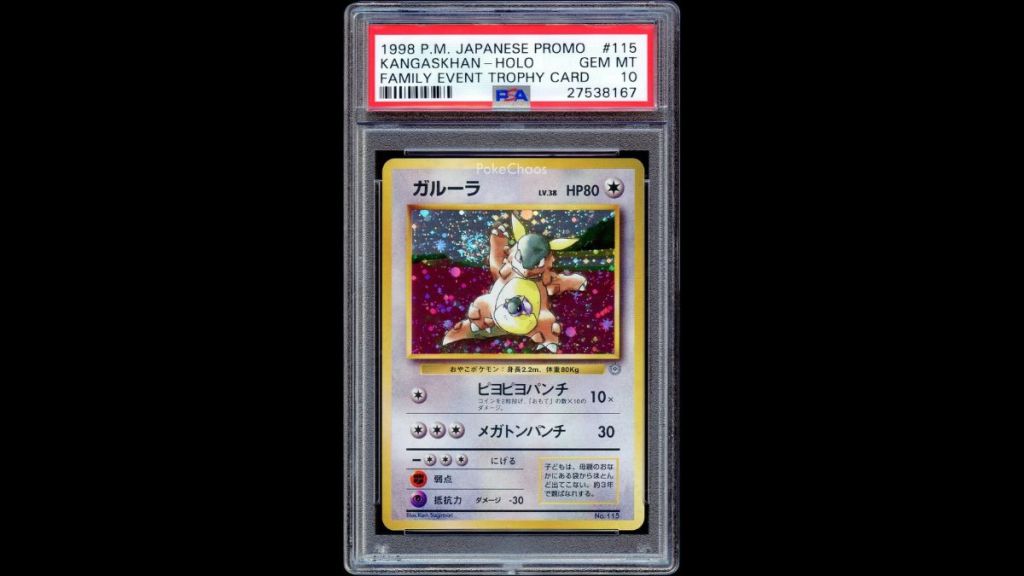
Card Value: $175,000; €161,000
Grade: PSA 10
Given at a family-centric 1998 tournament, this card sells to collectors who prize both rarity and sentimentality.
Secret Super Battle No. 1 Trainer (Japanese Promo) ($156,000; €143,520)
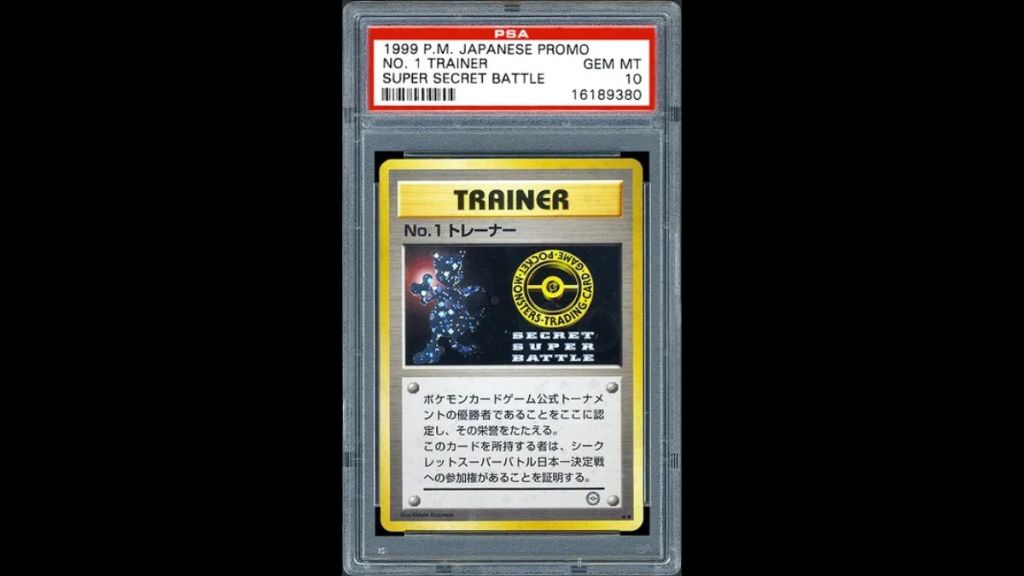
Card Value: $156,000; €143,520
Grade: PSA 10
Issued to finalists at the 1999 Secret Super Battle tournament; only seven copies exist, and the PSA 10 examples drive the market.
Lugia Neo Genesis 1st Edition Holo ($144,300; €132,756)
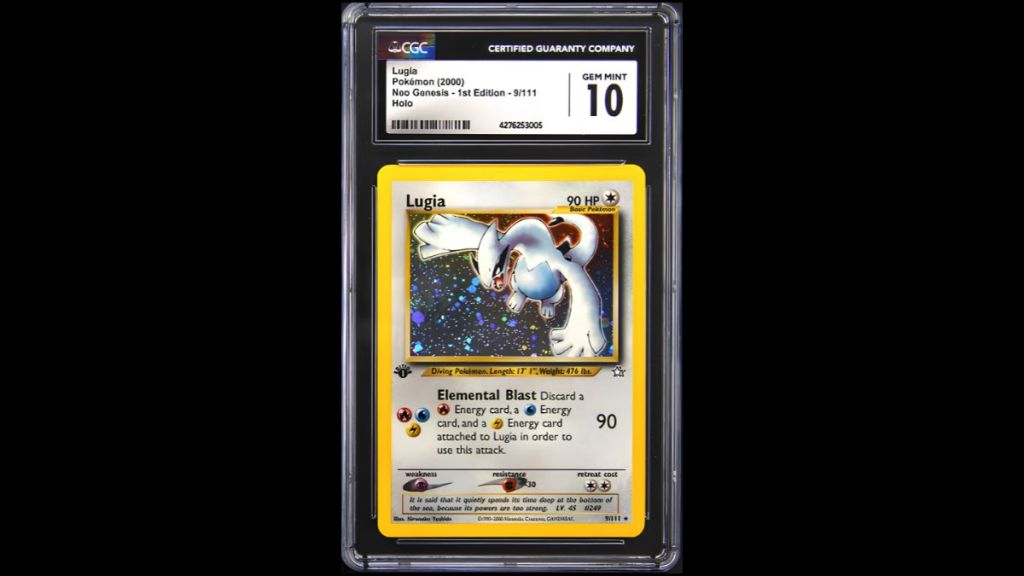
Card Value: $144,300; €132,756
Grade: BGS Pristine 10
Lugia’s 1st Edition holographic copies are plentiful at PSA 10, but BGS Pristine 10 examples are extremely rare—only three exist—so grade matters here more than sheer counts.
Super Secret Battle No. 2 Trainer (Yamaguchi) ($137,500; €126,500)
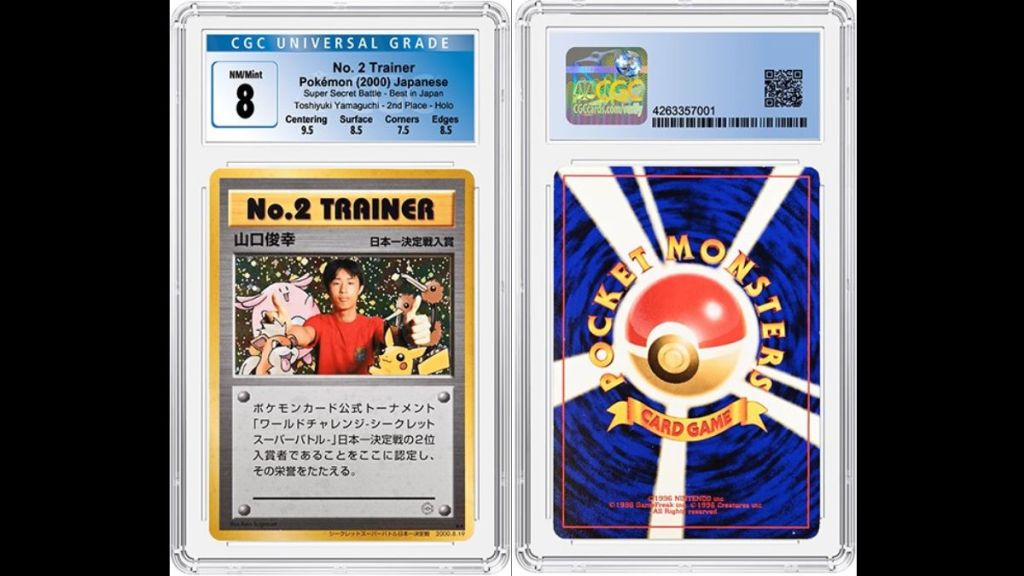
Card Value: $137,500; €126,500
Grade: CGC 8
Made for Toshiyuki Yamaguchi after a top finish in Japan; personalised trainer cards with player portraits tell a better story at auction.
Pokemon Snap Contest Magikarp ($136,000; €125,120)
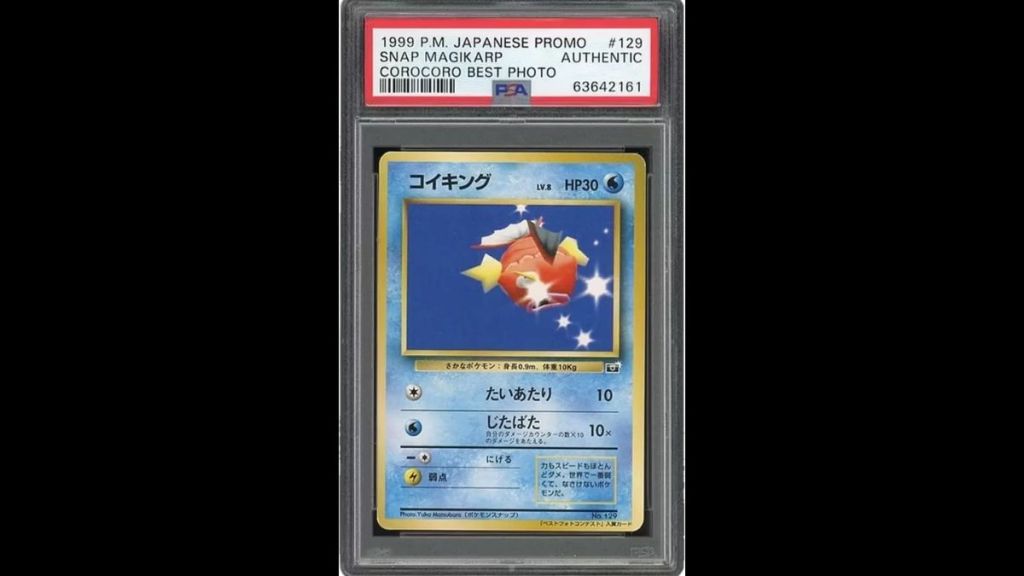
Card Value: $136,000; €125,120
Grade: Authenticated
One of the rarest contest promos—only a single copy surfaced publicly and sold for a large sum.
Neo Summer Battle Road No. 2 Trainer ($132,000; €121,440)
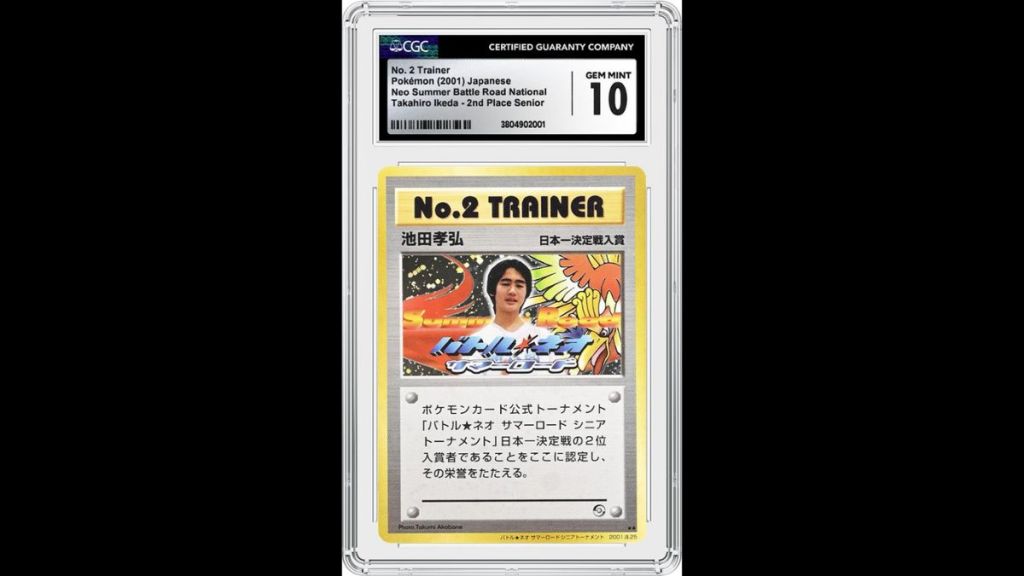
Card Value: $132,000; €121,440
Grade: CGC 10
Japanese National Championship awards carry cachet; add a perfect grade and you have one of the rarest modern tournament cards.
Disco Holofoil Charizard ($113,880; €104,790)
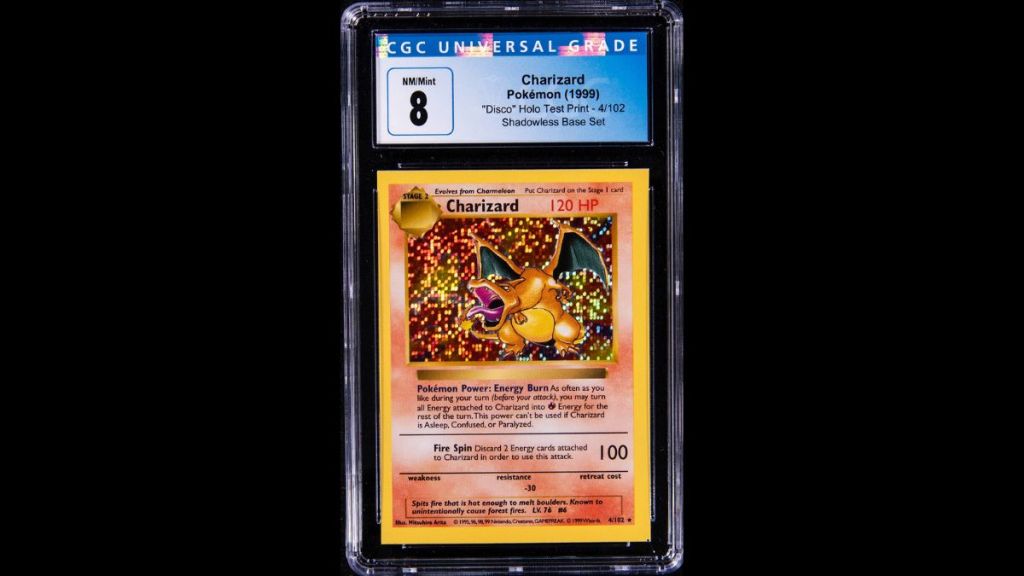
Card Value: $113,880; €104,790
Grade: CGC 8
Foiling experiments from early production runs: low high-grade population makes even CGC 8 copies valuable.
2006 World Championships No. 2 Trainer ($110,100; €101,292)
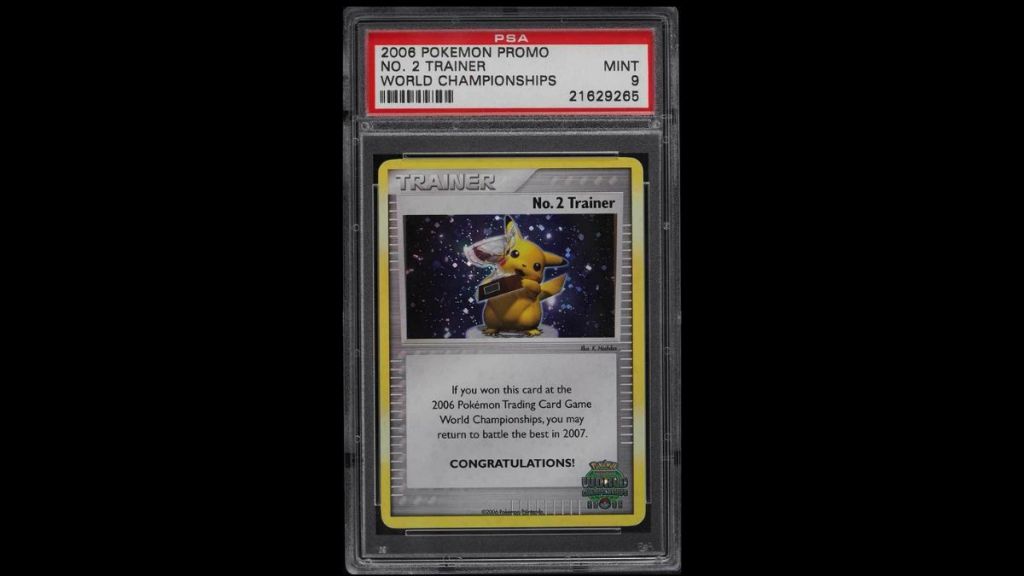
Card Value: $110,100; €101,292
Grade: PSA 9
World Championship promos are limited by design—reach the finals and you earn a card; very few make it to market.
Extra Battle Day Full Art Lillie (Japanese) ($108,000; €99,360)
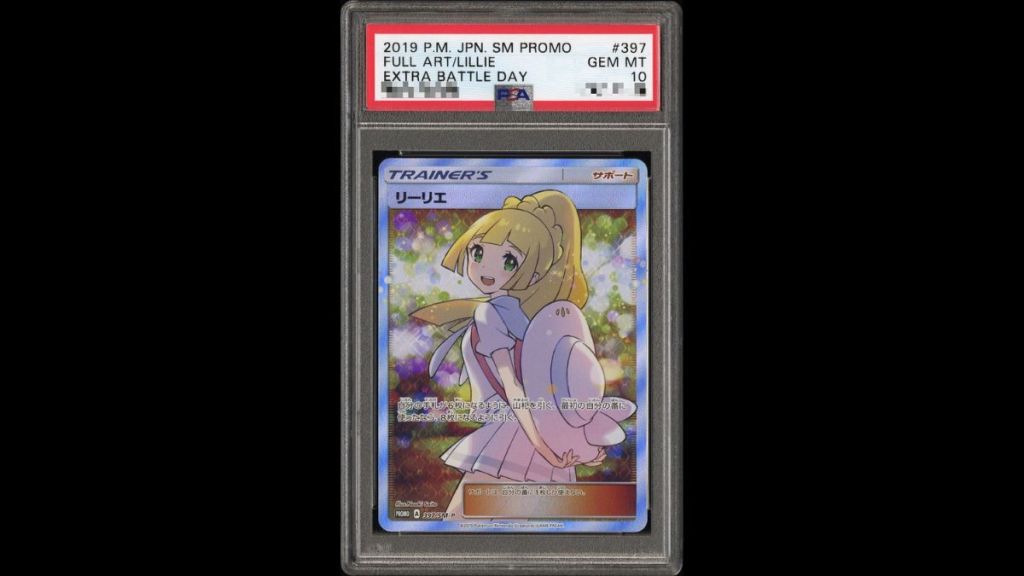
Card Value: $108,000; €99,360
Grade: PSA 10
A lottery-based event awarded full-art pulls, and Lillie emerged as the rarest. Modern event promos can climb fast when demand meets scarcity.
Japanese Beta Presentation Charizard ($99,000; €91,080)
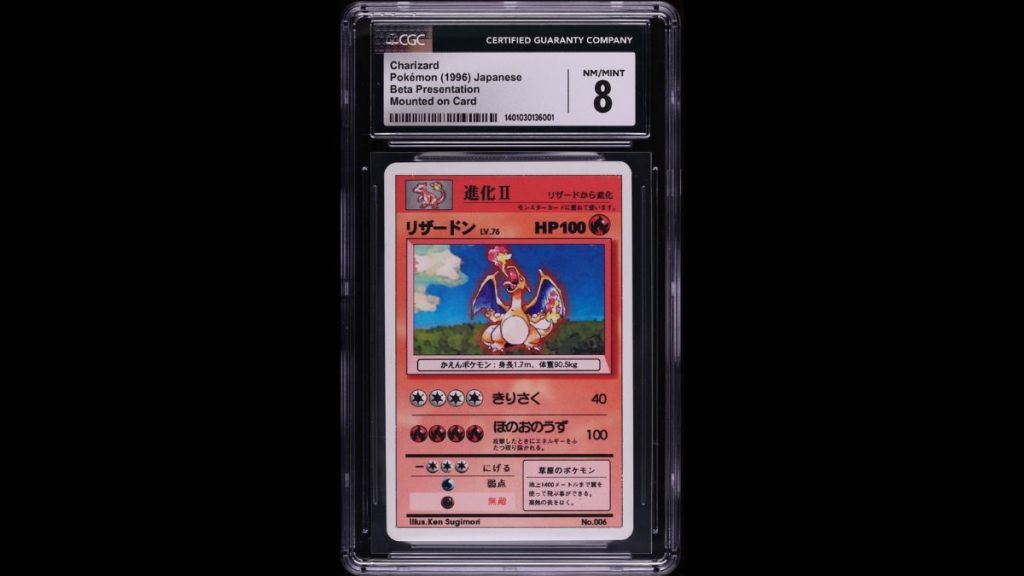
Card Value: $99,000; €91,080
Grade: CGC 8
Prototype presentation cards with early Ken Sugimori artwork carry collector interest beyond their print run.
1999 Tropical Battle No. 2 Trainer ($81,250; €74,750)
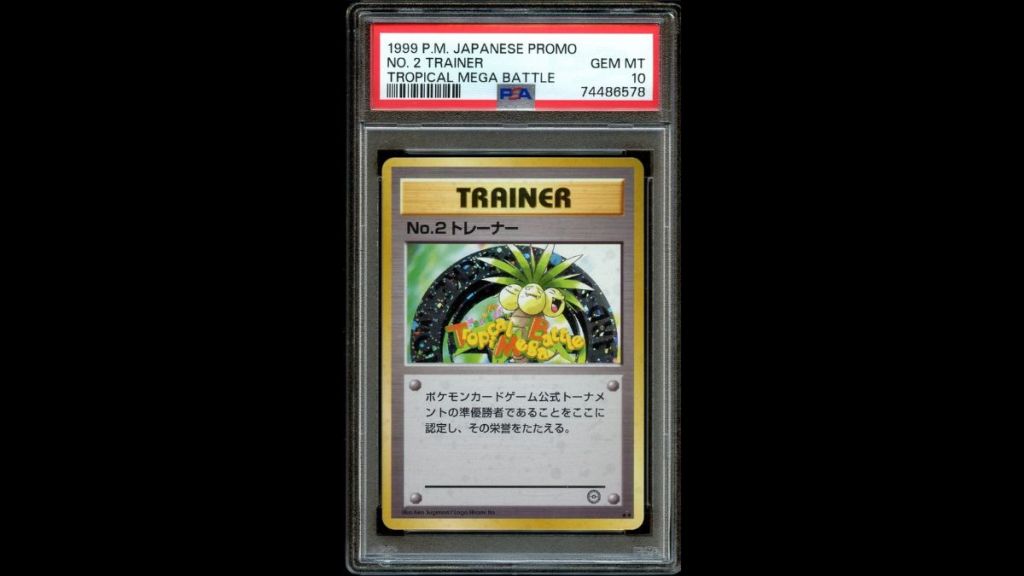
Card Value: $81,250; €74,750
Grade: PSA 10
Tropical Mega Battle promos were school-age tournaments; their niche audience today drives rarity and value.
CoroCoro Snap Bulbasaur Japanese Promo ($80,520; €74,078)
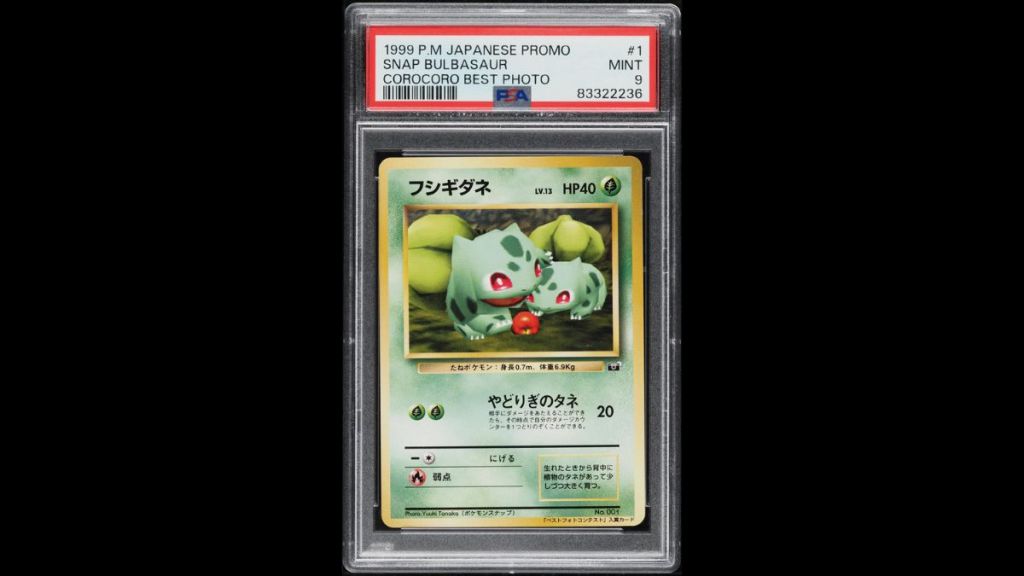
Card Value: $80,520; €74,078
Grade: PSA 9
Only 20 copies of this CoroCoro contest promo were printed; scarcity and provenance push prices into five figures and beyond.
If you’re getting into collecting without spending thousands, try Pokemon TCG Pocket to experience pack-opening, deck-building, and the chase in virtual form. Watch platforms like eBay, Goldin, Heritage, and Fanatics for market signals; follow graders PSA, CGC, and BGS for population reports; and track industry figures—Mitsuhiro Arita, Ken Sugimori, Tsunekazu Ishihara—because provenance often moves value faster than scarcity.
Cards are moving through the market fast, and some pieces are now treated like alternative assets. For collectors, the thrill is the hunt; for investors, it’s the pedigree and the grade. If you owned one of these, what would you do—protect it forever or sell it to chase the next story?