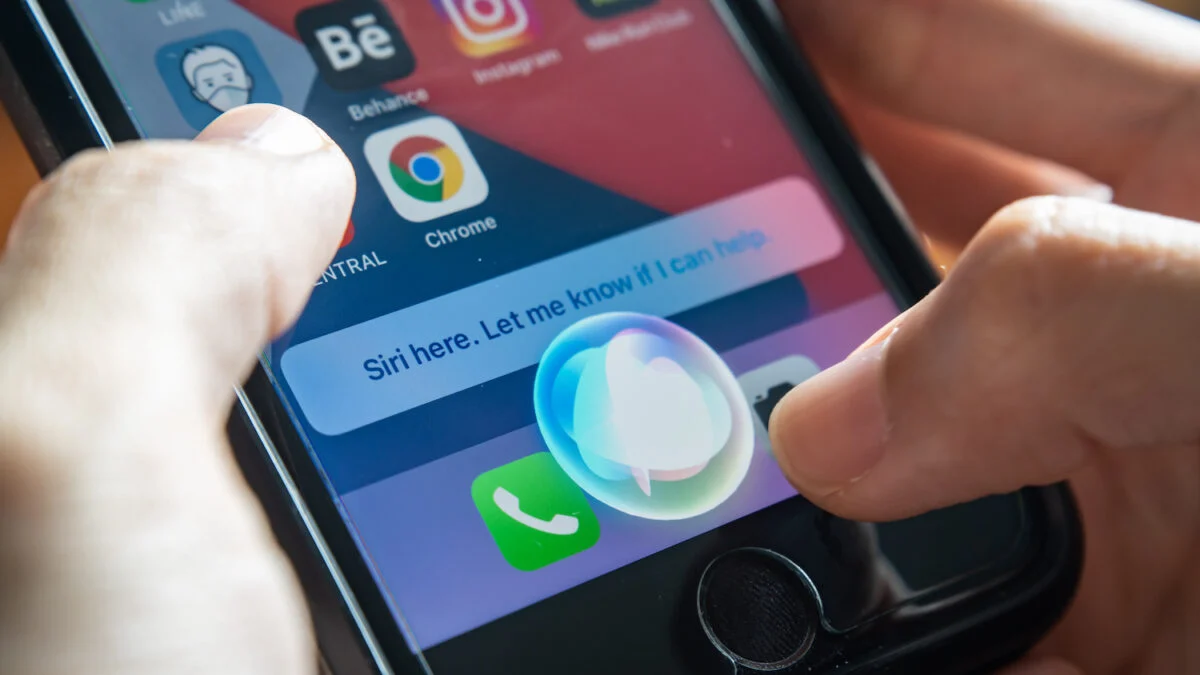
I was on a call when Siri froze on a simple question; the silence felt like a small betrayal. You’ve leaned on your phone and watched it fumble—and felt that sharp, private annoyance. This fall, Apple plans to let you swap Siri’s brain, and that freedom could make ChatGPT feel like yesterday’s news.
I follow Apple closely, and I’m telling you: what Bloomberg reports about iOS 27 matters. Apple Intelligence will default to Google’s Gemini for features like Writing Tools, Image Playground and Siri, but Extensions will let you plug other models into the system. That means Anthropic’s Claude, OpenAI’s ChatGPT, and other rivals can run inside Apple’s assistant if you choose them.
At a developer preview, engineers were clicking through model choices before lunch.
The headline move is simple: choice. Apple will ship Gemini as the built-in engine, but it will open the floor to third-party models. Last year’s deal that reportedly cost Apple $1 billion (€930 million) to tie Gemini to iOS made headlines, and now Apple is adding a marketplace on top of that relationship.
You should read that two ways. First, Apple isn’t betting everything on one partner: it’s buying performance and building a menu. Second, Apple keeps control of distribution—and revenue—by routing subscriptions through the App Store, where it takes a fee that acts like a toll booth on every sign-up.
I watched a friend install a new keyboard extension and wonder why the system felt different.
Extensions change the mental model. Today Siri is Apple’s assistant with limited external plumbing; tomorrow Siri can call out to whatever model you pick. That means your assistant’s tone, safety guardrails, and factual habits could shift depending on which company’s model you plug in. The same handset could sound like three different assistants by midday.
Can I change Siri’s AI model on iPhone?
Yes. According to the Bloomberg report, iOS 27 will let you swap the default AI that powers Apple Intelligence features. You’ll have Gemini preselected, but you’ll be able to add other models as Extensions and set them as defaults for tasks like writing, image generation, or Siri queries.
A colleague joked that OpenAI might wake up to find its table reservation gone.
OpenAI loses status. It had been an early friend of Apple’s AI plans, and for a time it looked like ChatGPT might be the exclusive external model that played nicely with iOS. That era is ending. OpenAI will still be installable, but it’s no longer the preferred gateway; it’s one option among many.
That matters for user lock-in and branding. If you buy an iPhone this fall, the assistant you meet may not be ChatGPT by default—and that changes how companies compete for user attention.
Will ChatGPT still work with iPhone?
Short answer: yes, but not necessarily as the default. Apple plans to allow third-party models via Extensions, so ChatGPT will be available if developers and OpenAI choose to participate. The difference is that Apple won’t be funneling traffic to one external partner anymore.
I sat through a briefing where Apple’s executives described cautious, incremental steps.
Apple’s approach has been deliberate and, at times, messy—missed deadlines, leadership reshuffles, and a late sprint to ship AI features. The company appears to have landed on a compromise: provide a solid default (Gemini), but let users pick alternatives. That’s a defensive play against competitors trying to lock users into single-provider ecosystems.
For you, the practical upside is choice and competition. For companies like OpenAI, it means you’re in a larger market and must fight for attention rather than rely on a privileged position inside iOS.
I tested simple prompts across a half-dozen models and the personality shifts were obvious.
Expect inconsistency. Models vary in tone, hallucination rates, safety filters, and pricing. If you assign a model to handle your email drafts and another for quick answers, your device will feel less unified. That can be liberating or irritating, depending on how much friction you tolerate.
What should you do if you’re buying an iPhone this fall? Try the defaults, test third-party Extensions, and keep an eye on subscription flows—Apple’s App Store cut will still shape how vendors price access to their models. Companies are racing to integrate, which means rapid improvements and new monetization strategies you’ll see in your settings and bills.
I’m not telling you to swear off ChatGPT. I’m saying: don’t assume it will be the assistant you find when you unbox an iPhone in September. Will you let Apple’s default steer your choices, or will you curate your own digital brain?