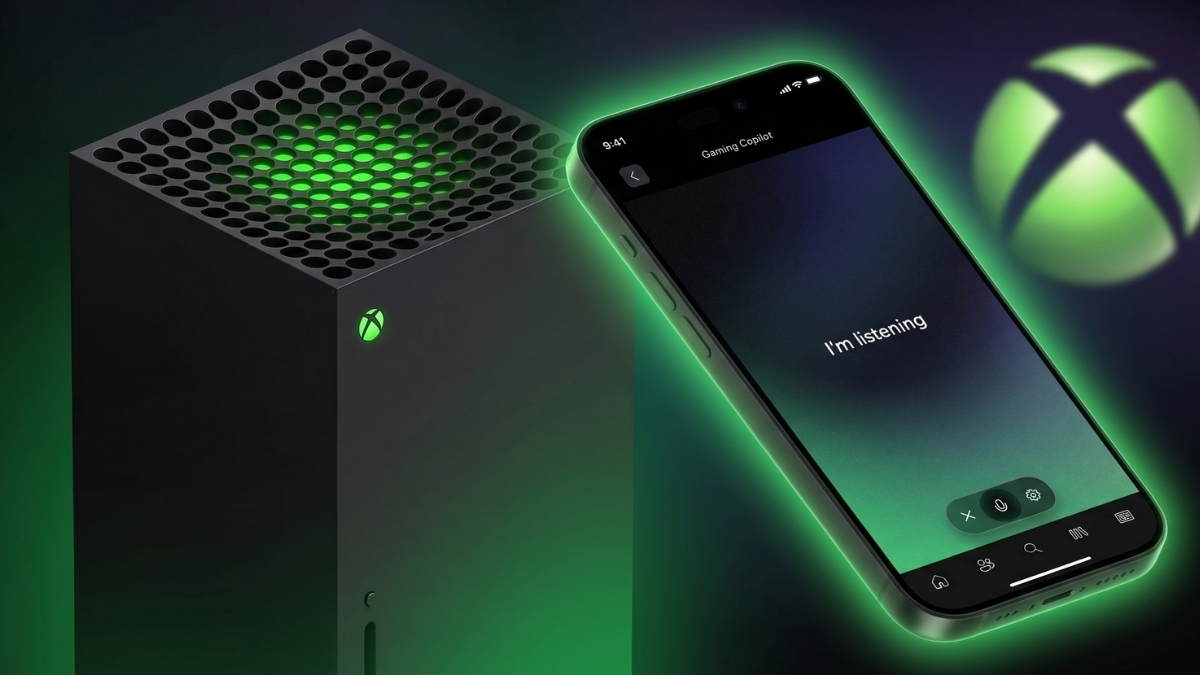
I was scrolling through my feed when Asha Sharma’s post landed like an edit mark. You could feel a small collective exhale across threads and Discord channels. Within hours, Copilot for console and mobile was officially being wound down.
I’ve covered console pivots and leadership shake-ups long enough to know when a company is trying to steer back toward its audience. You and I both know gamers hate forced features—especially ones that feel tacked on. So when the former head of Microsoft’s Core AI product, Asha Sharma, said on X, “We will begin winding down Copilot on mobile and will stop development of Copilot on console,” I heard relief, not outrage.
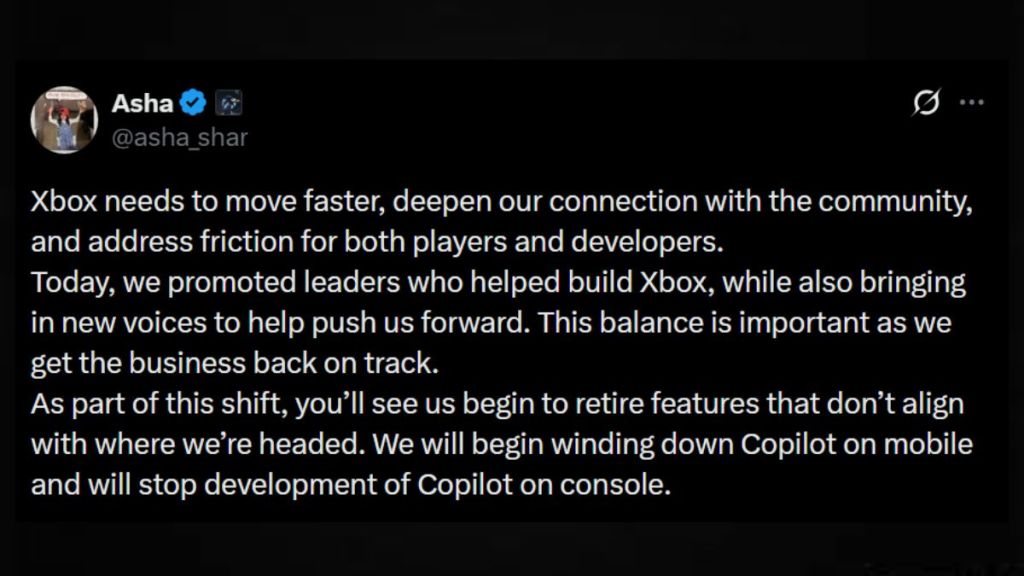
I saw threads celebrating the news — now here’s what’s actually changing
Public reaction was immediate: cheers, memes, and a handful of relief-filled posts. You should know what this means in practice: the Copilot assistant that had been rolling into console and mobile UX will be shut down, and further console development is halted.
Sharma’s move reads like surgical pruning—like pruning a sick branch—removing a feature that had become more noise than help. She’s been promoting Xbox veterans and pulling talent from Core AI into studio leadership, signaling a shift in priorities from AI experiments back to games, services like Game Pass, and developer relations.
Why did Xbox cancel Copilot?
Short answer: it didn’t land. Copilot promised context-aware help across menus and gameplay, but players and studios flagged it as intrusive and shallow. I’ve spoken with devs at multiple studios who felt the system pushed a Microsoft-first design instead of respecting a game’s tone. When your audience reacts with annoyance, you can’t paper over that with PR—especially in gaming, where trust matters more than novelty.
Asha Sharma’s background and the leadership cue I noticed at Microsoft
In meetings and product notes, people referenced Sharma’s Core AI resume within Microsoft before she took over Xbox. That history mattered to me because it explains the approach: she’s pragmatic about AI’s place in products. You can see that in her decision to stop the Copilot rollout rather than double down and force it into every surface.
The choice also rewrites a narrative: instead of marching forward with an AI-first story, Xbox is pausing to listen. That’s a rare reversal at this scale, and it changes how studios will plan features for upcoming titles and updates.
Will Copilot come back to Xbox?
Maybe — but not as it was. You and I both know feature resurrection happens when there’s a clearer value prop and better integration with developers. Expect any return to be slower, more modular, and developed in collaboration with third-party studios and internal teams rather than rolled out by decree.
I polled dev contacts and here’s what they told me
Short conversations in DMs painted a consistent picture: devs wanted control. They didn’t want an assistant deciding pacing, hint thresholds, or UI placement. That feedback pushed Xbox to reverse course quickly.
This move may also shift partnerships. Game Pass, cloud streaming, and developer tools from Unity or Epic have to align with a clearer product roadmap. The PR spin will call this user-first; I call it a reset—like a compass recalibrating—to find a direction that resonates with players again.
What does this mean for Xbox gamers?
For you, it should mean fewer intrusive prompts and a stronger focus on gameplay quality. If Xbox follows through with studio promotions and tighter dev relations, the next year might deliver cleaner UX and games built with player sensibilities in mind. And yes: social feeds are already filled with gratitude, not grief.
I’m watching how Phil Spencer’s legacy plays into this pivot and what Microsoft’s broader AI teams will do next. Nvidia, Unity, Epic, and other partners will be paying attention—so will fans. You and I will both be waiting to see whether this is a temporary retreat or the start of Xbox returning to the audience-first playbook.
So tell me: does removing Copilot feel like a necessary correction, or just a PR-friendly reset—what side are you on?