
I could feel the match slipping at minute six: our Haze walked into a trap, gave up 8k souls, and the chat went quiet. I paused the lobby and told myself the next game would not be another spiral. After climbing from Seeker to Ascendant, I boiled down what stops losses into five repeatable moves.
I write this as someone who has lived the comeback and the tilt—you will get blunt, practical advice, not platitudes. You play; I’ll point where to push.
I once watched a Seeker walk into a 3-man for no reason.
You lose games by fighting when the math is against you. The rule I use is simple: only fight when the risk gives you reward or when the reward shifts the game state in your favor.
Ask yourself two quick questions before engaging: Can I win this now? and If I lose, what do I gain? If the answer to both is no, fold and farm. If the answer has a “maybe,” force the variables—use an ally stun, buy a bridging item, or bait the enemy into poor positioning. Create the advantages that make a bad matchup winnable.
Execute coordinated plays. Rotate into ganks with one clear goal: force a death or steal a Guardian. Don’t trickle into a losing teamfight; be surgical. Treat fights like planned operations, not hero moments.
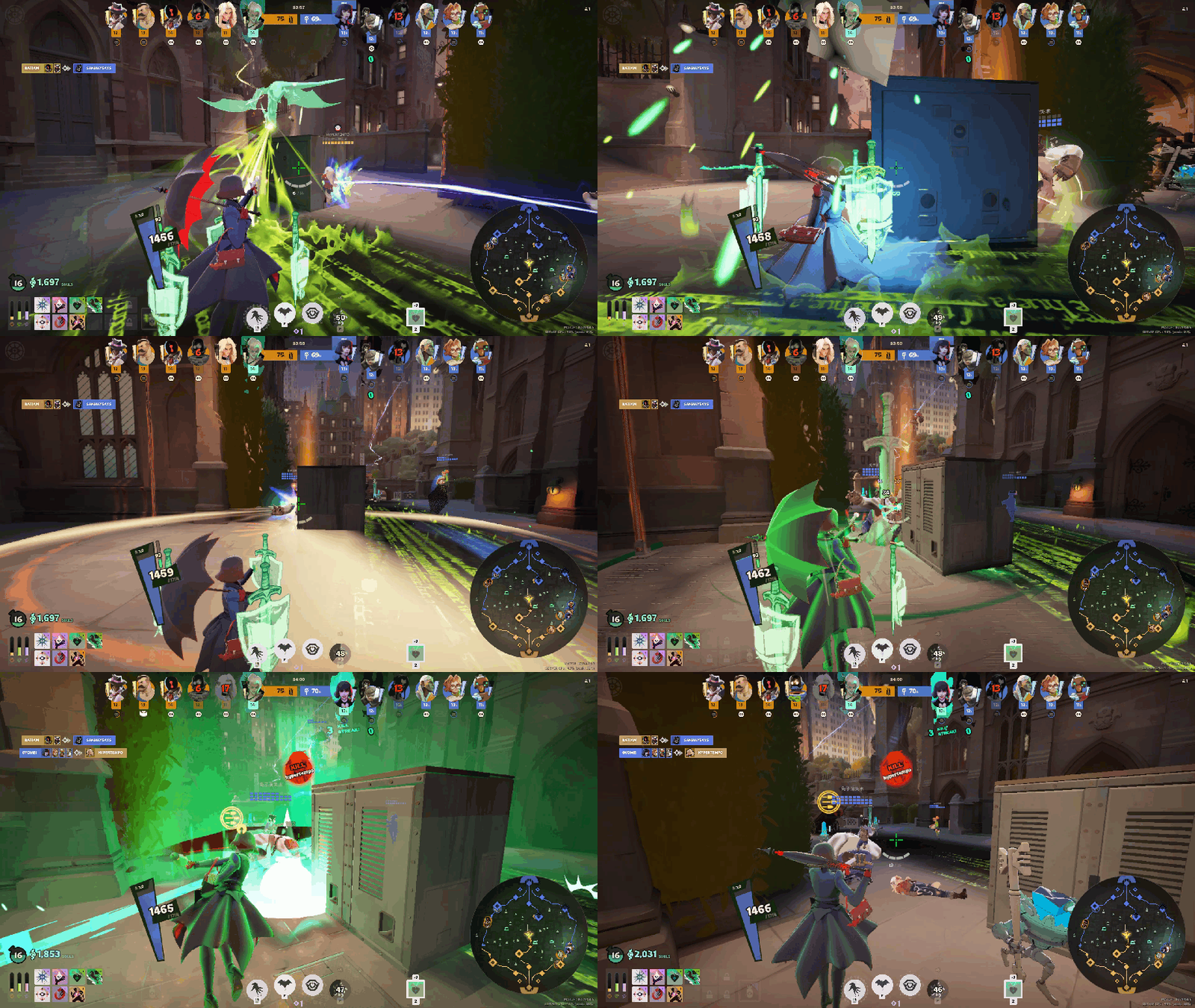
How do I stop losing in Deadlock?
Stop guessing. Track soul counts, item spikes, and enemy ult timers. Use your team chat or Discord to call windows—when you have a stun, when anti-heal drops, when the enemy carry is respawning. Games tilt on information and timing more than mechanical plays.
I watched a player abandon a lane the moment their Guardian fell.
Losing a lane Guardian at 4 minutes is emotional, not terminal. Deadlock’s comeback mechanics are real—but only if you keep pressure and lane control.
If your Guardian dies, don’t immediately leave the lane for a roam. Push the lane to deny the enemy free rotations. That forces the opponent to choose: remain and miss opportunities elsewhere, or leave and concede map control. Either way, you create punishable moments.
If you do go to help another lane, go only if the other lane is already pushed and the play can finish fast. Slow, indecisive roams cost souls and momentum. Remember: a stalled mission gives the enemy time to farm; swift actions steal that time back.
In a replay I saw one player with 20k more souls and every fight felt futile.
Souls are the currency of power in Deadlock. If your carry falls behind in souls, their impact evaporates. You don’t need to farm every second, but you must avoid catastrophic soul deficits.
Avoid feeding—premature fights and bad positioning hand out souls like candy. When teammates bunch up in one lane for no reason, they trigger soulsplitting, which diminishes every player’s income. Spread to lanes after a quick fight to reclaim soul throughput.
Think of soul economy like a leaky bucket: patch the holes (fewer unnecessary deaths) and you keep more water (power) for the late game.


A friend told me they skipped Vitality every game because “it felt slow.”
That habit will cost you matches. Green items—especially Vitality—are the single most reliable spike to survive team fights. A 4.8k soul investment into Vitality changes how your champion trades and whether you get blown up by burst characters.
I recommend everyone buys towards the 4.8k Vitality threshold each game. Items like Battle Vest, Bullet Lifesteal, Fury Trance, Warp Stone, Enduring Speed, and Healbane cover different builds and counters. If you’re facing heavy Spirit burst, choose Spirit Resilience or Spell Breaker; against gun-heavy lineups, pick Metal Skin or Bullet Resistance.
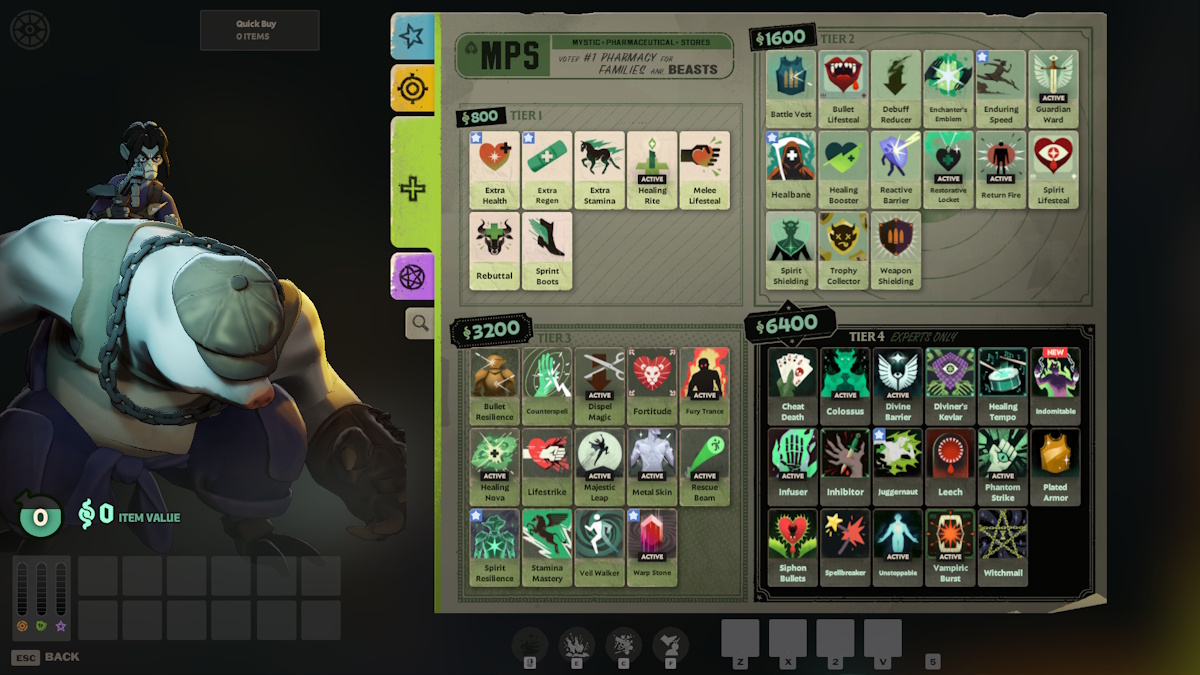
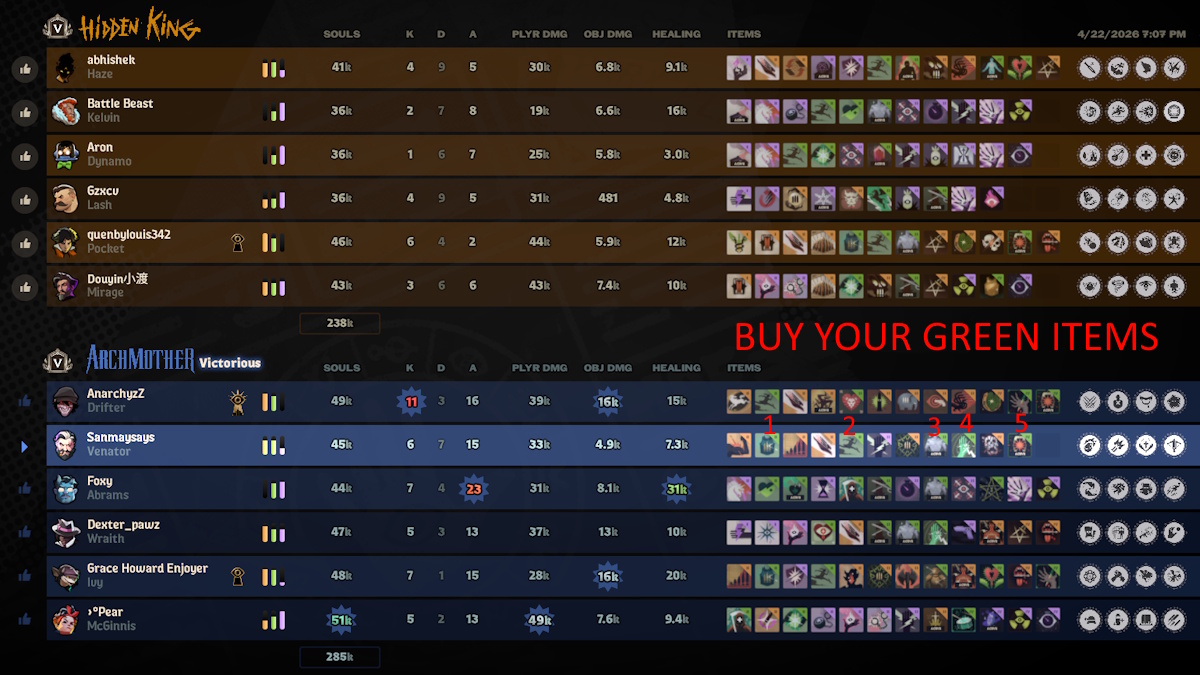
What items should I buy in Deadlock?
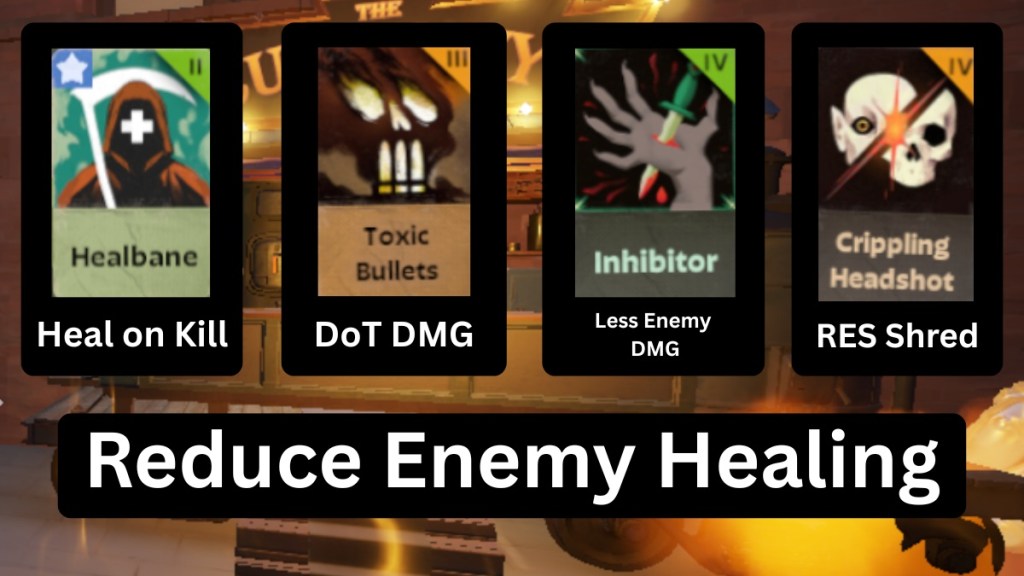
Start with Vitality, then build situational defenses. If the enemy team stacks life-steal, plan Healbane + toxic bullets or Inhibitor. Use community resources—Valve patch notes, Steam guides, and Discord build channels—to keep your item choices aligned with the current meta.
Our last three losses had one common thread: no anti-heal early.
Life-steal wins fights when it’s allowed to snowball. If your opponent can heal through your damage, every engagement becomes a stalemate. Buying anti-heal early strips their sustain and makes deaths meaningful.
Anti-Heal should be an early priority for at least two players on your team. Items stack from different sources, so coordinate—Healbane plus toxic bullets or Inhibitor are powerful combinations. If you wait until the enemy is fully fed, anti-heal is far less effective. Make it a tempo buy and you punish overextensions.
Winning at Deadlock is a sequence of small, deliberate choices: which fights you take, how you protect lane economy, which items you prioritize, and whether you buy anti-heal before the enemy steamrolls. Use Steam guides, follow Valve patch notes, and watch high-rank streams on Twitch to see how pros tempo their item buys and rotations.
If you could adopt one habit from this list this week, which would you test first—and why are you avoiding it now?