A leaked email lands in my inbox and the room goes quiet: the note names a not-yet-released AI, a model with hacking muscle. You read that and the point hits — what was meant for vulnerability hunting could be repurposed for striking. I want to walk you through what is known, what is likely, and what you should be watching next.
I’ve covered government tech moves for years. You’ll want to keep a mental tab on the players: Anthropic, Claude Mythos Preview, Cyber Command, the NSA, Joshua Rudd, Charles Moore, Project Glasswing — and the White House, which has already weighed in publicly.
A leaked email appeared in reporters’ inboxes this month. What did it say and who’s involved?
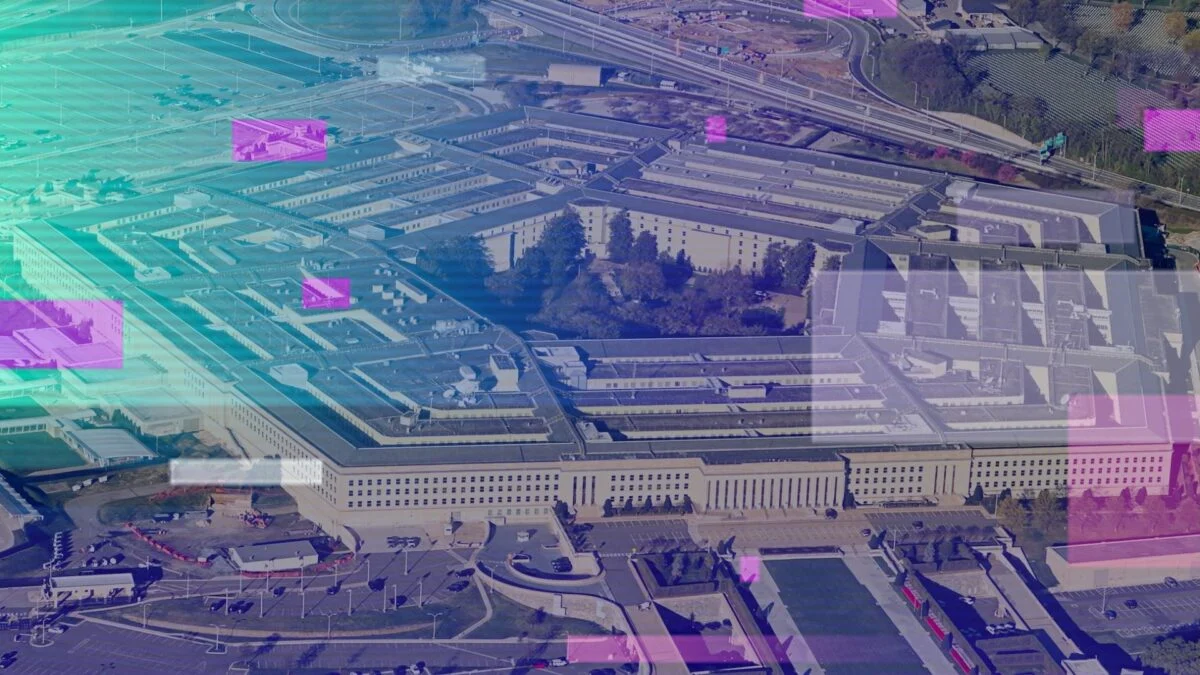
The Politico report, based on a leaked message and two anonymous sources, says the Pentagon is exploring how to adopt and weaponize frontier AI models with cyber-offensive capabilities — specifically models similar to Anthropic’s Claude Mythos Preview. Anthropic’s Mythos remains unreleased to the public because the company and regulators have flagged it as unusually powerful; that very potency seems to make it attractive to military planners.
Joshua Rudd, who leads Cyber Command and also serves as NSA director, announced an internal task force that will study how to run leading large models on “high-side” systems holding intelligence community secrets. The work is being framed as both defensive and offensive: patching vulnerabilities and, reportedly, applying the models’ hacking capabilities in operations.
This is a knife-edge decision for the Pentagon: Anthropic has been officially designated a supply chain risk, a label that — on paper — bars not only direct government use but use by government contractors as well. Still, Politico reports the new initiative is likely to explore Mythos-style models despite that designation.
A former deputy commander spoke bluntly at a hearing last month. What does that tell us about intent?
Charles Moore, once Cyber Command’s deputy commander, argued publicly that AI tools are already essential for spotting threats, prioritizing vulnerabilities and speeding offensive and defensive operations. That statement is a blunt signal: the military sees these models as operational accelerants, not just analytic aids.
Can the Pentagon legally use Anthropic’s Claude Mythos Preview?
Official policy says no — the supply chain-risk label should block Anthropic access and contractor use. In practice, national-security work often finds legal and operational workarounds. The White House has intervened before: the Wall Street Journal reported it vetoed Anthropic’s attempt to add 70 organizations to Project Glasswing because of national-security concerns, which shows political actors are trying to limit exposure even while the technology intrigues them.
What is Claude Mythos Preview and Project Glasswing?
Claude Mythos Preview is Anthropic’s advanced model that the company has kept tightly controlled; Project Glasswing is Anthropic’s program to let vetted organizations use Mythos to hunt and fix vulnerabilities. Politico’s scoop suggests the Pentagon’s task force would borrow the Glasswing idea — controlled access to a powerful model — but push it toward offensive cyber missions as well.
On the ground, contractors and intelligence analysts are already adjusting their playbooks. How does this change risk and accountability?
Contracting officers received clear cues months ago: if a vendor is tied to Anthropic, their access to classified networks could be curtailed. That real-world friction will ripple through procurement and operations, and it will hand legal teams a heavy workload.
This move smells like handing a set of skeleton keys to a locksmith — useful, but terrifying if the wrong lock is opened. The ethical and legal layers here are thick: rules of engagement, attribution of cyberattacks, and international law are all going to be tested when AI-augmented tools speed up operations.
Anthropic has reportedly been open to Mythos being used in offensive operations, which further complicates the supply-chain label. The memo Politico saw suggests the task force will evaluate how to run models built by Silicon Valley giants on classified systems. That implies not just Anthropic but architectures from large cloud and AI providers are on the table, and that the government is weighing tradeoffs between capability and risk.
What happens next in public and at the classified level?
Leaks like this rarely tell the whole story. You should expect a few parallel tracks: private discussions with cloud and AI vendors, classified experiments inside Cyber Command and the NSA, and political jockeying in the White House and Congress. The Wall Street Journal and Politico coverage show those channels are already active.
The Pentagon’s choice will ripple outward: contractors will recalibrate compliance, adversaries will study the move and civil liberties groups will press for clarity. The model being “too powerful” for public release makes it a tempting tool for covert use — and a target for debate about control and oversight.
I’ve followed technology jumps that changed battlefield practice before. This one feels like a high-stakes poker game with chips that can rewrite code — and the table has more observers than players.
So what should you watch right now? Track official memos from Cyber Command and the NSA, any changes to contractor guidance on supply-chain risk, and follow seats at Project Glasswing and vendor briefings that the White House might block; those signals will tell you whether policy catches up with appetite faster than the tech spreads — or the other way around?