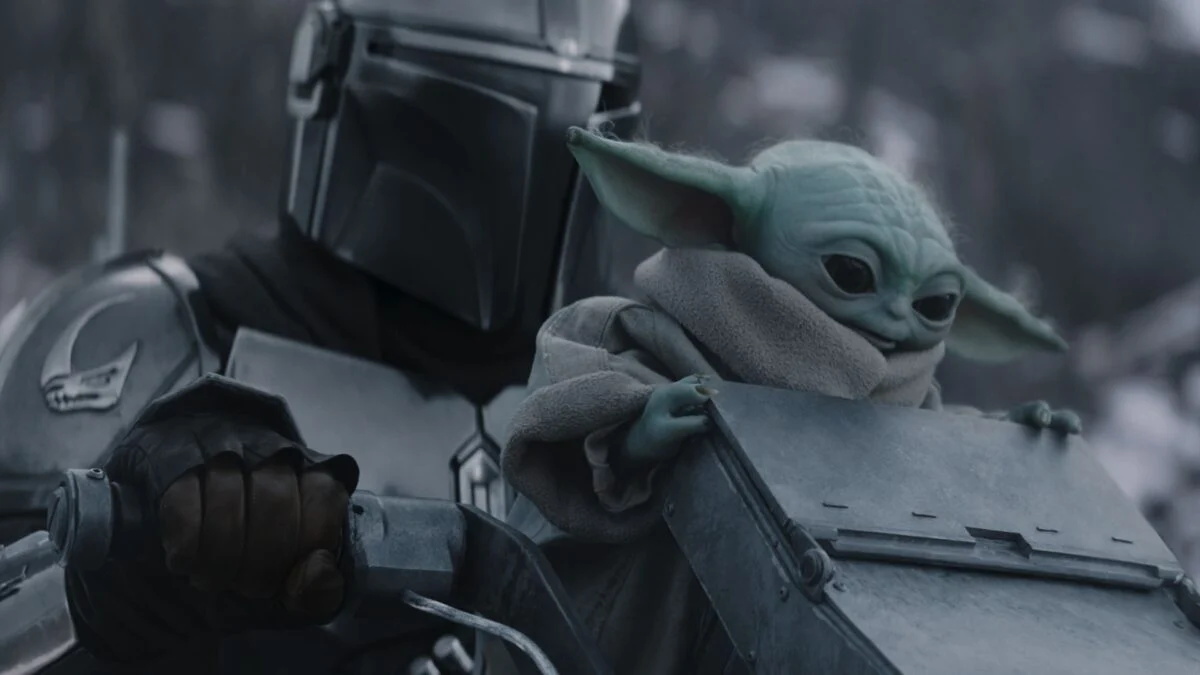
I sat through a Memorial Day screening and watched a crowd cheer at scenes I’d seen online mocked a dozen times. The applause landed with a stubborn warmth that didn’t match the hot takes. That moment is the shorthand for why the numbers matter more than the noise.
I’ll walk you through what happened, what I think it means for Disney, and where you should keep your eye. You don’t need to be a box-office nerd to care — you just need to notice when a film earns attention in the right places.
In a ticket line that smelled like popcorn and sunscreen: A quick snapshot of the opening
The Mandalorian and Grogu opened to an estimated worldwide box office of $163 million (€150 million), per Variety. Most of that haul came from domestic markets, which helped the film overcome an opening that felt smaller compared with 2018’s Solo.
The movie cost roughly $165 million (€152 million) to make, so the start is respectable if not spectacular. I’d call it a profitable curiosity: it isn’t resetting franchise records, but it’s not a liability either.
How much did The Mandalorian and Grogu make worldwide?
Short answer: about $163 million (€150 million) on opening weekend. That figure is an industry estimate and will adjust as final tallies arrive on Box Office Mojo and other trackers.
At concession stands where parents negotiate candy bribes: Why word of mouth mattered
Viewers left talking affectionately about Pedro Pascal and his frog baby — a rare case where general audiences outpaced critics in enthusiasm. That social buoyancy translated to sustained ticket buys over the extended weekend.
The film’s momentum behaved less like a wildfire and more like a lukewarm campfire — comforting, steady, easy to gather around. Disney will hope that steady heat keeps it profitable across the summer as titles rotate in and out.
Is The Mandalorian and Grogu a box office success?
It’s a qualified yes. The movie should clear its production budget if international legs and ancillary revenue hold, but it won’t be counted among the franchise’s stratospheric hits. Think sustainable rather than spectacular.
On posters outside other theaters: What competition will do next
Big genre films arrive fast: Backrooms (May 29) and Masters of the Universe (June 5) will slice audience attention. Those openings will matter more to day-to-day holds than early reviews.
If you’re tracking theatrical share, the trick is watching week-to-week decay. A film that holds better against new releases is telling you it has more than headline curiosity — it has repeatability.
In online threads where opinions fight for oxygen: Franchise stakes and what’s really at risk
The Mandalorian and Grogu matters to Disney’s short-term summer ledger, but it’s not the decisive chapter for Star Wars’ theatrical fate. If you want a truer signal, watch Star Wars: Starfighter (May 28, 2027), directed by Shawn Levy and starring Ryan Gosling.
Starfighter lacks the nostalgic safety net this Mando film enjoyed, so its box office will reveal if audiences are coming for brand alone or for new ideas. That film could tug the franchise’s orbit like a small moon tugging at the tides of tentpole cinema.
Will The Mandalorian and Grogu determine Star Wars’ theatrical future?
No single release will make or break the franchise. You should treat this movie as one data point among many — alongside Starfighter, streaming viewership on Disney, merchandising, and international holdouts.
Also worth watching: Curry Barker’s Obsession posted a 39% domestic boost over a typical three-day weekend and is approaching $80 million worldwide (€74 million), per Box Office Mojo — a reminder that surprise hits still surface from unexpected corners.
I’ve named the trackers you should follow — Variety, Box Office Mojo, and Disney’s own reporting — and I’ve pointed to the films that will shift the conversation. So tell me: are you betting on nostalgia or new talent to steer Star Wars’ next chapter?