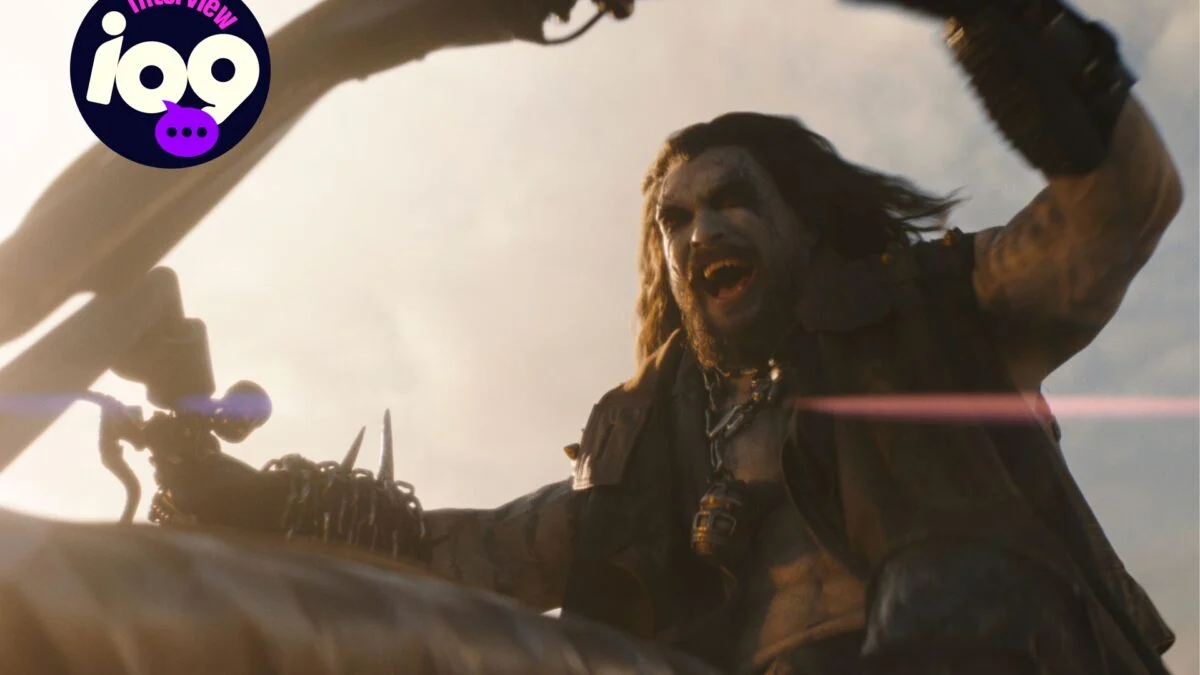
He walks onto a set and the room shifts—cameras tilt, extras mutter, someone says his name like it’s a dare. You feel the oddness of it: one of DC’s loudest antiheroes debuting not with a solo roar but as a guest in Supergirl. That small, strange choice is exactly the kind of industry chess move that tells you more than a press release ever could.
I’ve followed these moves long enough to read the rhythm. You watch how studios seed characters, test audience reactions, and then either spend or cut millions. Jason Momoa says it himself: he wants Lobo, and if fans push, studios will pay.
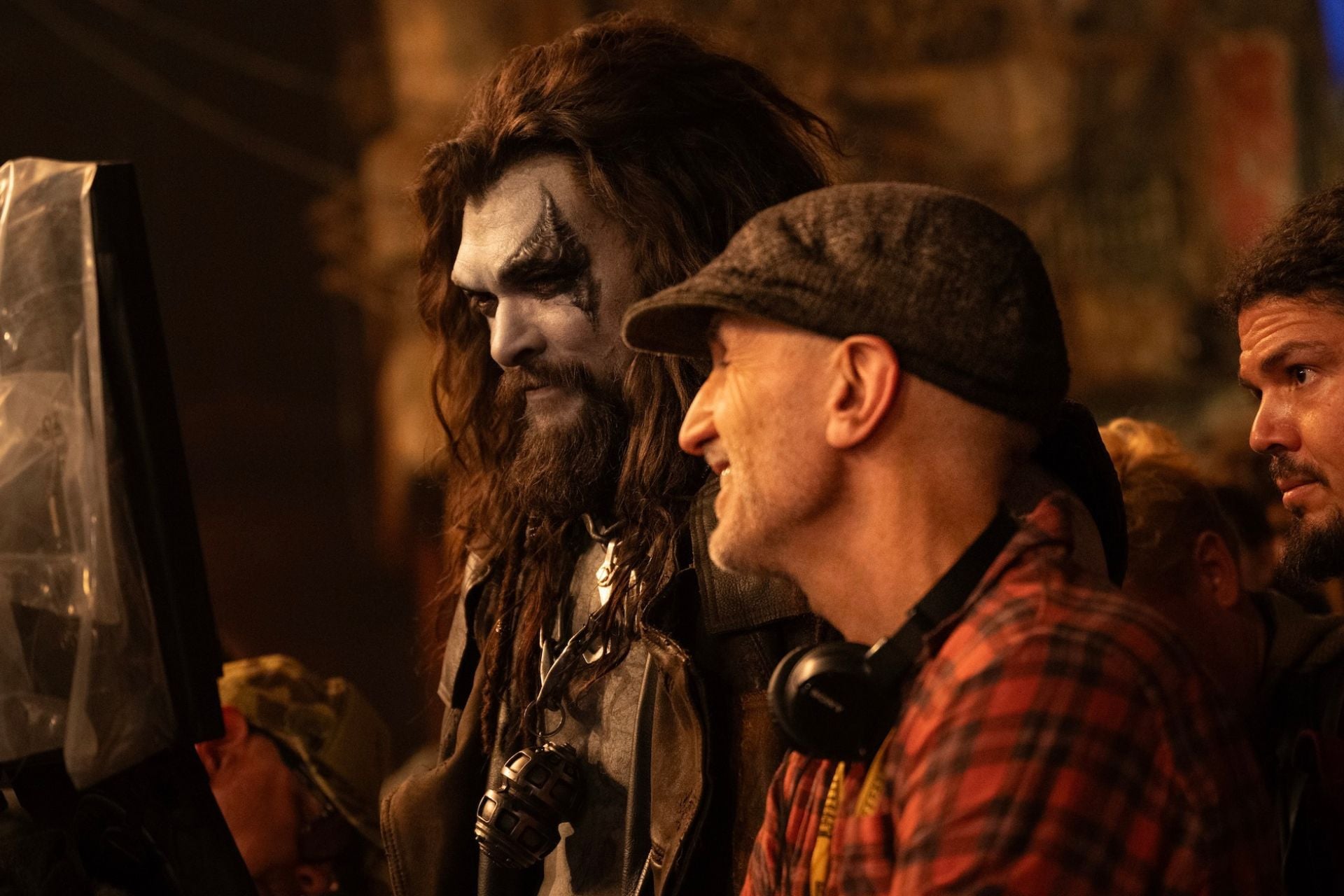
At crowded multiplexes, a single cameo can shift momentum — why Lobo arrived in Supergirl instead of his own tentpole
You know how studios roll: test an idea with less risk before asking for the full budget. Momoa’s Lobo shows up as a supporting threat, and that tells you this is a staged audition for audience appetite. James Gunn and Peter Safran have been reshaping DC Films; they’ve already used cameos to build interest before. Aquaman’s path is instructive — he surfaced in shared films and then grew into a $1 billion (≈€920 million) solo payday.
This is not random. It’s strategy, and strategy speaks to return on investment. If audiences cheer, the calculus flips from experimental cameo to full financing, marketing, and a dedicated release window.
Will Lobo get his own movie?
From my vantage, the answer is: possibly. Momoa told io9 that if fans rally, he’s ready to take a solo picture. That’s an invitation to you. Fans pull levers—streaming numbers on HBO Max, search spikes on Google, trending clips on X and TikTok—all of which become metrics that studios and distributors like Warner Bros. and Universal pay attention to.
Lobo is a wrecking ball in a velvet coat. That’s the kind of brand image studios measure with social listening tools, box office forecasts, and platform analytics before greenlighting eight-figure budgets.
On the publicity trail, you can see how fandom becomes bargaining power — what Momoa said about Aquaman maps onto Lobo
At conventions and in interviews, a single enthusiastic reaction can go viral. Momoa reminded io9 that Aquaman followed a similar arc: introduced in ensemble movies, then given a solo film once demand proved strong. You can trace the signals — fan hashtags, engagement on Reddit threads, and search volume spikes — and they turn into leverage inside executive meetings.
Momoa’s tone was equal parts confidence and patience. He’s made clear he’s offered ideas to James Gunn and Peter Safran, and that professional network matters: Gunn’s tenure at DC, Safran’s oversight, and the studio’s appetite for franchise building all shape whether Lobo becomes a marquee name or a recurring side character.
How was Lobo introduced in Supergirl?
Briefly: he arrives with reputation and menace already in place. Momoa leaned into that pre-existing infamy, which lets filmmakers shortcut exposition and jump straight into spectacle. It’s smart storytelling economics—build on what audiences already know and keep the plot moving.

On set and off, deadlines and delays shape fan frustration — why Momoa is blunt about Fast delays
You’ve felt the drag: announcements that stretch into silence, release dates that move. Momoa told io9 it “sucks” to wait for Fast 11, and he’s vocal about wanting to get back to the character of Dante Reyes. That impatience feeds online conversation and keeps a property visible.
When will Fast 11 be released?
He wouldn’t give dates, but his comments signal movement behind the scenes. For you, that means watching trade outlets, studio updates from Universal, and release calendar shifts on Box Office Mojo or The Numbers. Those are the places where rumor hardens into a confirmed window.
Momoa’s patient posture is also a bargaining chip: he’s attached to multiple franchises, so his alignment with producers, directors, and platforms matters. Peter Safran and James Gunn are names that carry weight; when they nod, distributors and marketing teams take action.
Momoa is a coiled spring, and the industry knows how to time the release to get the most pop. If the fans push the needle—streaming views, ticket sales, and hashtag volume—then studios will consider moving him up the slate.
I’m watching the same signals you are: social trends, io9 and Gizmodo coverage, and how Warner Bros. stages character reveals. You can influence the outcome simply by showing up, amplifying, and arguing for what you want to see on screen. So which move will spark the next wave — a cameo, a bigger role in a crossover, or a full solo film — and who gets to decide when the fans have spoken?