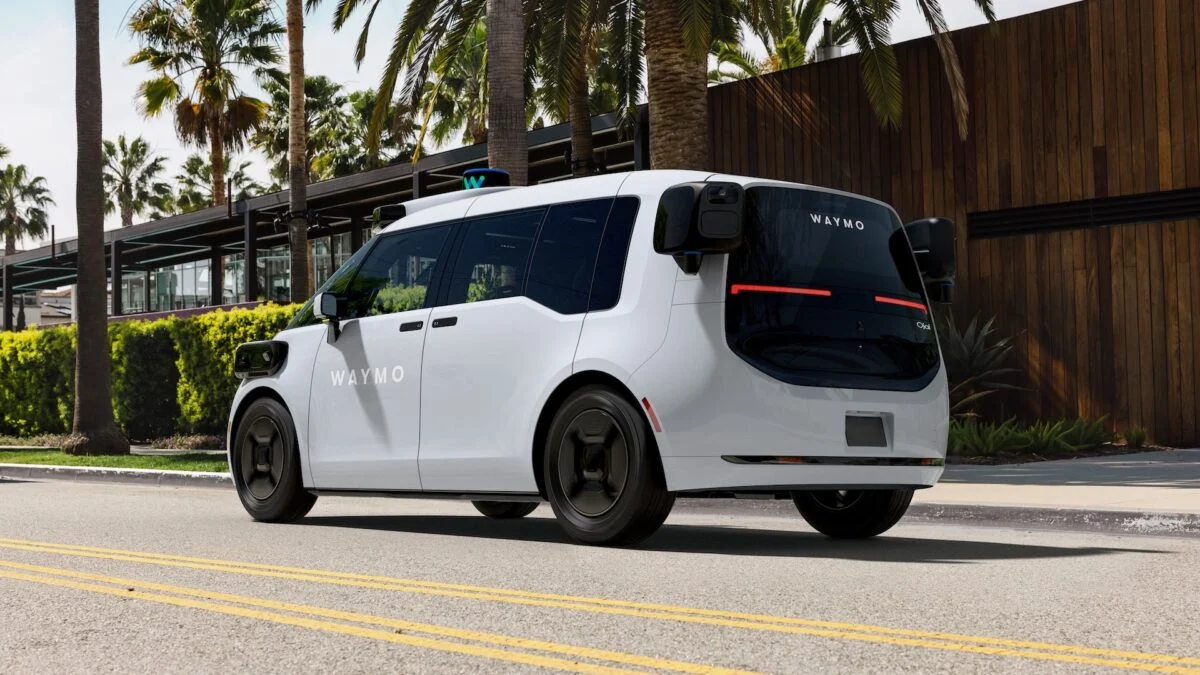
I watched a Waymo glide past a crowded curb and stop while a human driver honked behind it. You felt the small jolt—technology arriving without asking permission. I told myself then that this rollout would be a test of patience as much as of software.
I’ll speak plainly: you and I are watching a company try to turn curiosity into habit. Waymo, the autonomous arm of Alphabet, just started inviting frequent riders in San Francisco, Los Angeles, and Phoenix into a new membership called Waymo Premier. It costs $29.99 (€27.59) a month and promises priority pickups, 10% Waymo Cash back on every ride, early access in new cities, and up to five free cancellations per month.
I saw the invite appear in a rider’s app—an exclusive badge on a familiar profile. Here’s why that matters.
Memberships are one of the clearest ways companies convert irregular users into predictable revenue. You know Uber’s play: Uber One, $9.99 (€9.19) a month, reached 50 million members and accounted for half of the company’s gross bookings in Q1. Dara Khosrowshahi has shown how a cheap subscription can become the spine of a mass-market service.
Waymo is planting a flag in that fight. The Premier plan reads like a gentle nudge: spend a little now for fewer frictions later. That creates a fear-of-loss tug—if you travel enough, missing the perks will start to feel like leaving money on the table.
How much does Waymo Premier cost?
It’s $29.99 (€27.59) per month right now, invite-only in select cities. For heavy riders, the math could make sense: priority pickups save time, 10% cash back returns value per trip, and five free cancellations guard against change-of-plan fees.
I rode in Phoenix last month and watched a fleet spread across neighborhoods like a new transit map filling in. Here’s what the expansion tells you.
Waymo’s footprint is growing fast. The company says its service area will soon top 1,400 square miles—bigger than Rhode Island’s roughly 1,200 square miles—and it plans international launches in London and Tokyo. Fleet scale matters because autonomous systems improve with miles and data.
Production is ramping at a Phoenix-area plant with plans for tens of thousands of vehicles per year, and Waymo just acquired a 5,500-acre Arizona proving ground that Apple used during its Project Titan tests. Those moves are about both hardware and confidence: more cars and more testing territory give the company options that a small pilot never can provide.
Will Waymo Premier be available nationwide?
Not yet. It’s invite-only in San Francisco, Los Angeles, and Phoenix, with plans to expand. The company has said Premier will roll out to more riders and cities over time, but regulatory and operational hurdles will make that a gradual process.
I noticed a new billboard and a national ad slot during the World Cup—Waymo wants you to feel safe. Here’s what that campaign does.
Waymo is buying attention: its first national ad ran during a U.S. World Cup match, focused on safety. The commercial claims the Waymo Driver is 10 times safer than a human driver in its operating cities and leans on a simple message—no human frailty behind the wheel.
Advertising like this does two things. It reassures skeptical riders and primes cities and regulators with a narrative about safety. But public persuasion only works if experiences match the claim; the company is effectively promising that its product will live up to its marketing.
I sat through numbers from Alphabet’s Other Bets and felt the tension between promise and profit. Here’s the financial reality.
Waymo is still expensive to run. Alphabet’s Other Bets reported $411 million (€378 million) in revenue in the first quarter but logged a $2.1 billion (€1.93 billion) operating loss. Membership revenue won’t erase those deficits overnight, but recurring fees can smooth cash flow and justify continued investment.
The Premier fee is a small faucet of recurring cash—one that can be turned up if retention looks healthy and perks scale without breaking the unit economics. If the membership becomes the bridge between curiosity riders and habitual users, it will be more than a product; it will be a business model test.
I watched people slow down at an intersection when a Waymo hesitated; some sighed, others cheered. Here are the human frictions Waymo must solve.
Perks like priority pickups and early city access sound attractive, but you and I both know the real battle is trust. Riders must accept robot drivers in dense, messy cities—especially places like New York City, where permission to operate still feels uncertain. The membership can coax adoption, but it also creates expectations that Waymo will need to meet consistently.
There’s also competition. Uber and Lyft control user habits in many markets; Amazon and Apple have the engineering and capital to make noise. Waymo’s advantage is massive driving data and Alphabet’s infrastructure, but converting tech credibility into lasting consumer preference is a different skill.
How does Waymo Premier compare to Uber One?
Uber One costs $9.99 (€9.19) monthly and already reached tens of millions of members by emphasizing discounts and free delivery. Waymo’s $29.99 (€27.59) price is higher but pitched at frequent riders who value time and certainty over small discounts. The question is whether enough riders move from occasional users to committed subscribers.
I won’t pretend this is a slam dunk. The membership is a strategic lever that requires fine-tuning: pricing, perks, coverage, and the experience itself must align. But watch the mechanics: an invite-only launch creates urgency; safety messaging builds authority; a national ad campaign scales awareness. Those are deliberate moves from a company that wants to turn a novel service into a day-to-day habit.
So here’s the real test I’d watch next: will Premier hold customers when the novelty fades and parallel options—Uber, Lyft, public transit—are cheaper or more convenient? If Waymo can keep rides reliable and the membership valuable, the company moves from experiment to platform. If it can’t, Premier will be another expensive lesson in scaling driverless services.
Are you ready to pay for a humanless commute, or does the idea of a robot driver saving you time and worry still feel like a bet you’re not ready to place?