
I sat through the Summer Games Fest with a grin, headphones on, watching trailer after trailer. Eight days later the grin curdled into a knot when word broke that studios like Ninja Theory and Double Fine might be closed. You felt it too — that sharp, private sense that everything just shifted.
Why did Xbox wine and dine us like that, if they knew? https://t.co/laogo9IIjT pic.twitter.com/Z1q9DSr4t0
— Del (@TheCartelDel) June 16, 2026
The stage had an illuminated XBOX logo center stage.
I remember the lights — the logo floating like a promise. You watched trailers for Senua chapter three and the camera lingered on new teams and ideas. Then came spreadsheets and legal memos and the announcement that studios including Compulsion Games, Ninja Theory and Double Fine faced closure. That pivot felt personal because the showcase sold a future you were invited to believe in.
Why is Microsoft shutting down studios?
People are asking that question on X, Kotaku, and every Discord channel that suddenly smells faintly of panic. The short answer: corporate cost-cutting, portfolio reshuffles, and a focus on projects that fit specific financial targets. But the longer answer involves internal strategy, Phil Spencer’s leadership priorities, and how Xbox’s platform bets are being bet against competing investments.
The reveal reels were full of playable promises and new IP teasers.
I saw Senua’s new trailer and felt the same rush you did — a promise of something brave and new. The trailer sits in the YouTube embed below like a beacon, and now its path forward hangs in doubt.
What studios did Microsoft close?
Ninja Theory, Compulsion Games, Double Fine — names that mean distinct creative voices inside Xbox Game Studios. These are teams with histories and projects in motion; when a studio shutters, dozens or hundreds of careers and months or years of work evaporate from public view overnight.
The social reaction was immediate and sharp on X and Reddit.
I scrolled through replies that mixed anger, sarcasm, and genuine grief. You saw the memes — the “Red Wedding” comparisons from Game of Thrones spread fast — because people wanted a frame for betrayal.
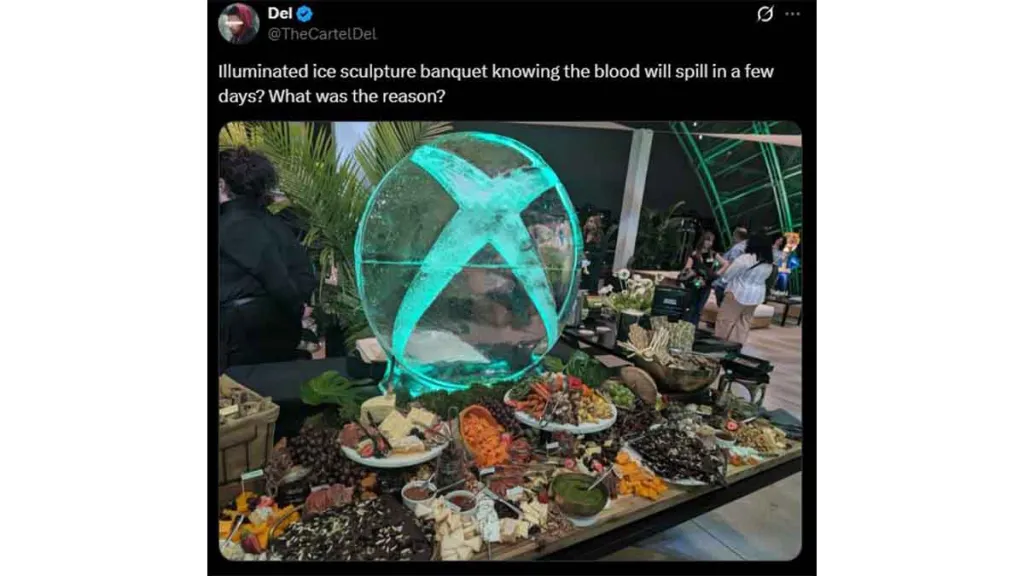
The metaphor people reached for was clear: this wasn’t a routine studio closure, it felt like a feast where the doors closed and the chairs were pulled away. The showcase became a velvet invitation, and the layoffs were a closing of a library of unfinished stories.
A historical pattern emerged when users traced past Xbox moves.
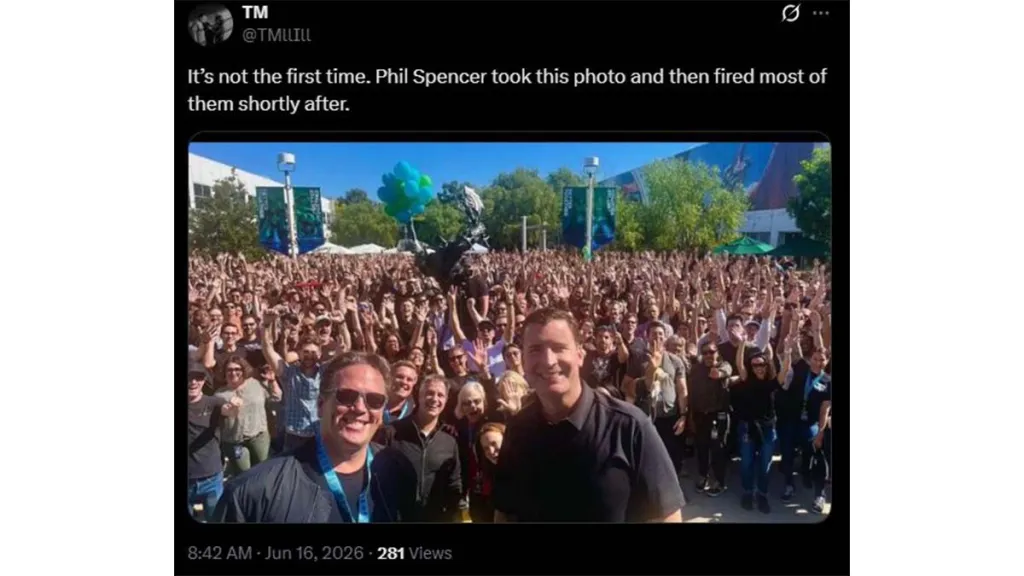
I dug through archives and threads and found echoes — Phil Spencer photographed smiling at launch events, AMD engineers stood in the wings of a console reveal, and later reporting noted last-minute chip decisions involving Bill Gates and Intel. That history gives the present moment context: this isn’t an isolated incident.
How will this affect Xbox games?
Existing projects may be paused, reworked, or cancelled outright. For players, that means unreleased titles and delayed content; for creative teams, it means the loss of institutional knowledge. For the platform, it risks eroding goodwill among the very developers Xbox needs to keep attracting.
The industry narrative now splits into two tracks: corporate defense and creative fallout.
I’ve spoken with devs and read statements from Microsoft; official lines emphasize restructuring and efficiency. You hear the corporate language on press releases and Phil Spencer’s posts, but you also hear the human language in the replies — leaked screenshots, former employees’ threads, and tweets that call out what they see as a betrayal.
Platforms and publications from YouTube videos to Kotaku and Moyens I/O are running the news cycle, while X threads amplify outrage and Discord servers gather affected colleagues. AMD’s old anecdote about being swapped for Intel at a console launch is back in circulation as a reminder: business decisions at scale often cut against personal loyalty.
I won’t pretend there’s a simple fix. What I will say as someone who follows games and industry strategy closely is this: you can feel cheated and still ask what concrete steps could prevent the next wave of closures. Will Xbox change how it presents promises to players and how it protects studio lifelines — or will the next showcase be another glossy invitation that closes behind us?