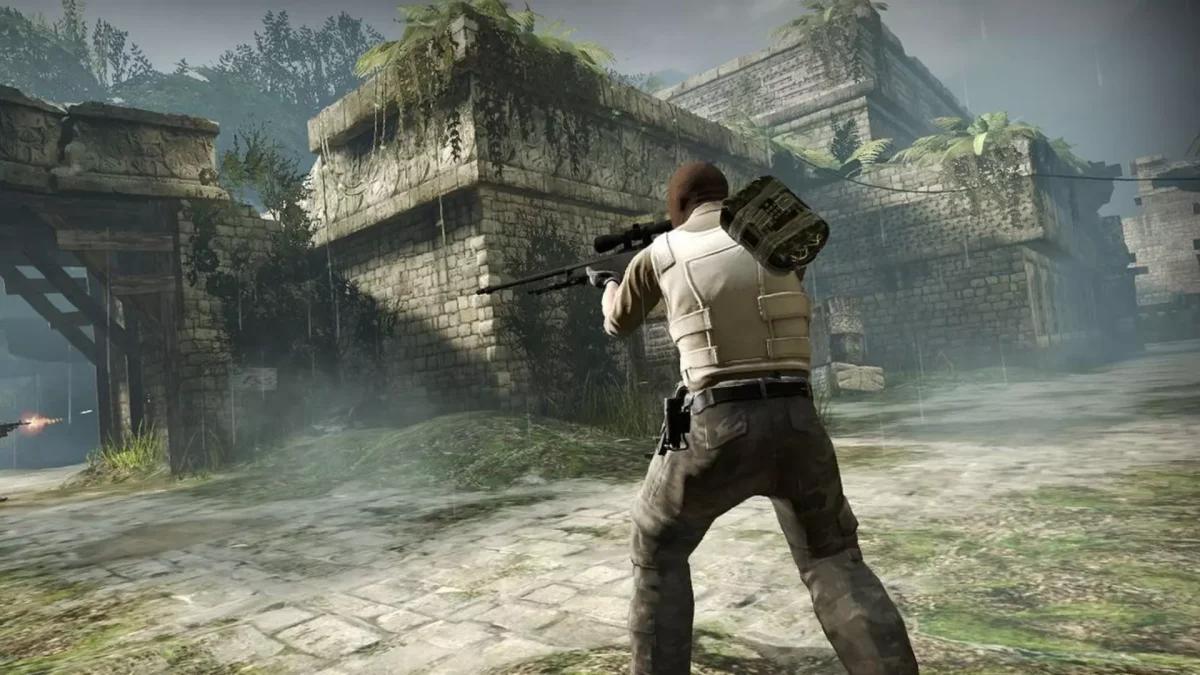
I fired up Steam and watched a server list swell like an old photograph coming back to life. You remember when Valve closed Counter-Strike: Global Offensive to force players into CS2; I felt the company’s certainty in that move. Then tens of thousands slid back into the classic game and I realized something had been left behind by progress.
Servers filled overnight: Why CSGO reappeared on Steam’s charts
I tracked the numbers and saw a clear bump. Counter-Strike: Global Offensive—the 2013 shooter Valve once archived—has re-emerged among Steam’s busiest games, sitting in the top 30 with roughly 57,000 concurrent players as of this article. That places it ahead of heavy hitters like Baldur’s Gate 3, Rainbow Six Siege, and Valve’s own Deadlock, which tells you people aren’t done with what felt familiar.
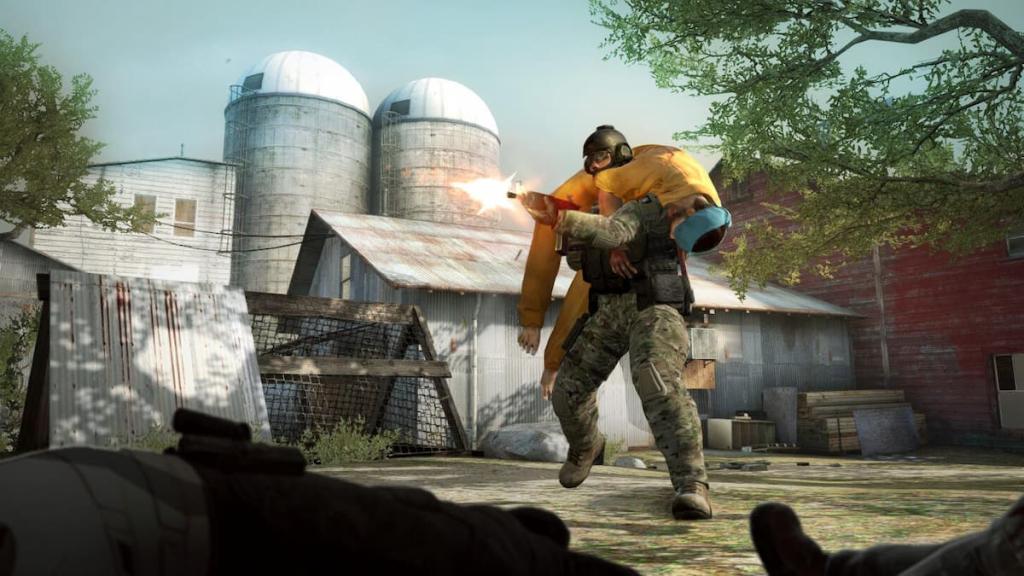
Servers still ticking: How Valve’s merge and split shaped visibility
I watched reporting tools like SteamDB and community trackers flatten raw numbers while the apps were combined. For months you couldn’t easily separate CS2 play from the old client because Valve pushed users into a single app and a beta system that masked who was on which codebase. When the apps were split again a few months back, the true demand for classic Source-era gameplay became visible.
Can you still play CSGO on Steam?
Yes—you can. Valve’s app split means the classic client is available to players who prefer it, and certain community servers and mods still rely on the old Source engine. If you follow HLTV, SteamDB, or Twitch streams focused on legacy servers, you’ll see the same community motifs: pick/ban rituals, economy resets, and the same maps that taught a generation how to aim.
Players returned in droves: What the surge says about nostalgia and choice
I asked players why they came back and heard two answers over and over: familiarity and control. You get stable tick rates, older weapon feel, and a map pool that has been tuned by years of play. That matters in competitive ecosystems—ESL and community tournaments still reference the old meta—and it’s why tens of thousands didn’t simply accept Valve’s timetable.
Why did Valve replace CSGO with CS2?
Because Valve wanted modern tech: Source 2, updated rendering, and integration for future features. From a studio perspective this reads as a necessary update. From the player perspective it felt abrupt; some mechanics and subtle timing cues shifted, and that unsettled communities built on muscle memory.
Matchmaking and memory: What developers and publishers can learn
I’ve seen this pattern before across titles and platforms: remove an option and a vocal minority will lobby to bring it back. Steam’s metrics are blunt instruments, but community sentiment moves tournaments, content creators, and long-term retention more than a single release announcement. The result was a crack in Valve’s plan—a vinyl record scratch that reminded people the old groove still plays.
Why are players returning to the classic CSGO?
Some want the original handling, others want the maps they grew up on, and a group prefers the competitive clarity of older tick rates and weapon behavior. Streamers and esport orgs also drive returns—when LANs or tournaments reference legacy rulesets, viewers and competitors follow.
I’m not defending every choice Valve made, but as someone who covers these swings I can say this: progress without choice creates a gap that communities will fill. So tell me—when a company trades the map you love for a newer version, should the community have the final say?