The TV ad hits at 7:15 a.m., and a campaign aide leans over a laptop with a hand on their forehead. I watched the clip—three spare lines, millions of impressions, and a Republican race suddenly on the defensive. You can feel a strategy shifting in real time.
I’m going to walk you through what that shift really means, why the NRSC memo reads like a plea, and what the money trails tell you about who’s buying influence before the midterms.
Neighbors are calling the county line to complain. The NRSC memo is a private map of political pain.
The National Republican Senatorial Committee warned members about the vulnerability of candidates who support AI data centers after Democratic incumbent Sen. Sherrod Brown ran three distinct TV ads against Republican Jon Husted in Ohio. The memo notes Brown has run more than 6,000 television points—compressed, concentrated messaging that the NRSC’s polling says introduces new information and moves voters.
You don’t have to guess why the memo leaked: it’s a signal. Katie Harbath, who once worked with the NRSC, wrote that the memo functions as an open call to outside groups and tech donors to step up spending. I’ve seen dozens of donor asks in campaigns; this one reads less like fundraising and more like an emergency page.
Small towns vote on projects that hum at night. Public scorn for data centers is surprisingly broad.
Recent Gallup polling shows only 27% of Americans support putting AI data centers near their communities. More respondents said they’d take a nuclear plant nearby than a data center. That’s a raw, emotional opposition you can’t erase with jargon—especially when ads tie data centers to tax breaks, environmental concerns, and outside influence.
Why are Republicans courting Elon Musk and AI PACs?
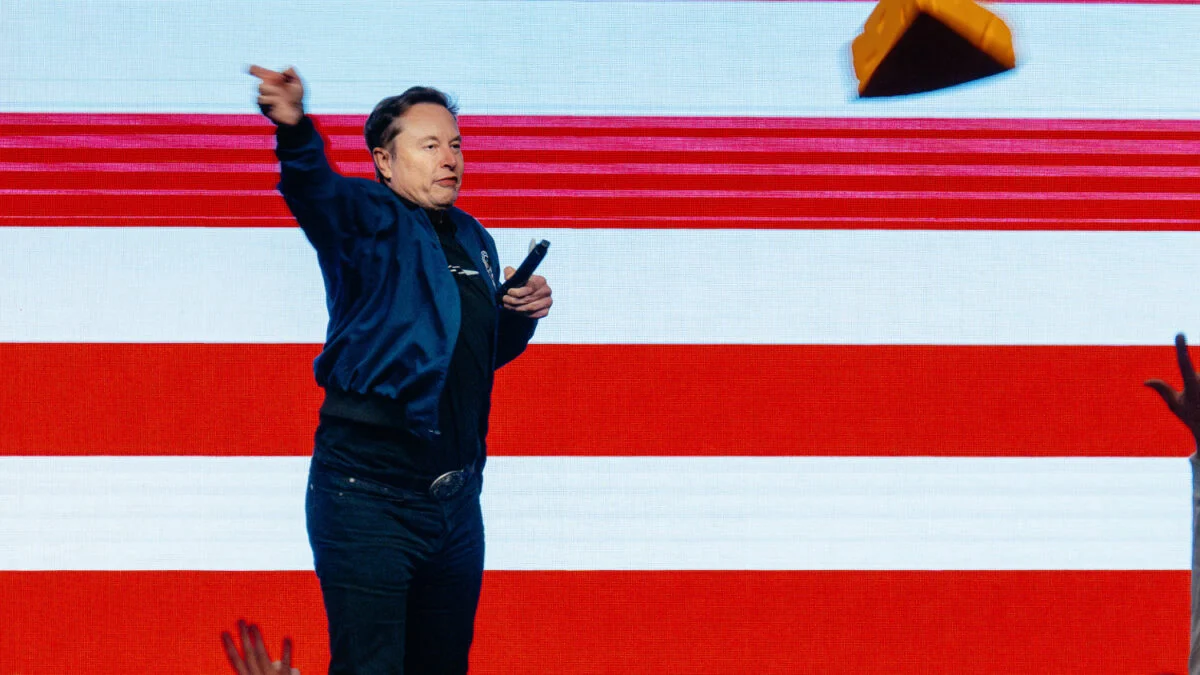
Because the conventional playbook—local op-eds and candidate appearances—hasn’t blunted ads that pose new facts to voters. Party operatives are asking AI-aligned donors for cash to finance rapid-response advertising and reputation campaigns. Elon Musk is reportedly preparing a much bigger political outlay than earlier expected: about $200 million (€184 million) for the midterms, up from an initial $100 million (€92 million) figure reported in July, according to Wired.
Campaigns have stacks of ad buys and small teams watching metrics. Money is shaping the story more aggressively this cycle.
Companies and PACs tied to AI and crypto are already spending at levels we’ve not seen before. Reuters reports American corporate spending on the midterms hit a record $517 million (€475 million), with AI-related PACs among the largest contributors. Leading the Future has raised at least $140 million (€129 million). Anthropic’s $40 million (€37 million) donation to Public First Action and that nonprofit’s reported $100 million (€92 million) in reserves show institutional financing aimed at changing public opinion on data centers.
Down-ballot races are where targeted ads move voters, and the NRSC is effectively asking those funders to act fast. Donors can spray money into a campaign like a PR lifeboat when candidates look like they’re sinking.
Can money change public opinion about data centers?
Short answer: sometimes. Ads that reframe local benefits—jobs, infrastructure, tax revenue—can shift opinions in a narrow window. But there are two important constraints. First, the messengers matter: President Trump’s endorsement of data centers is politically useful on the right, but he carries low approval numbers (33% in a Reuters/Ipsos poll) and limited cross-demographic influence. Second, messengers with toxic reputations can blunt the message; Musk’s public controversies make him a powerful donor, but not always a persuasive pitchman.
A Wisconsin loss shows money doesn’t always buy victory. The judge-backed effort there fell short despite heavy spending.
In 2025 Musk’s affiliated efforts in Wisconsin reportedly spent about $20 million (€18 million) and even tried offering $1 million (€920,000) checks to voters—moves that raised legal alarms and still failed to flip the result. That’s a reminder: high-dollar interventions can change the noise level without always changing outcomes.
There’s a broader pattern. The NRSC memo reads like a request for defensive infrastructure: more ad buys, faster rapid response, and better local messaging from industry. Axios broke the memo; Harbath framed it as a “bat signal” to outside donors. If those donors answer, expect a blitz—a concentrated campaign of TV, digital, and local outreach aiming to neutralize the data-center narrative.
President Trump has chimed in publicly: “I would say that maybe it can use a little public relations help,” he said about data centers on Wednesday. His comment is a political nudge to governors and mayors—an attempt to normalize data centers at the local level. But how much that helps depends on whether voters read the ads as persuasion or spin.
Will spending reverse the election trends in Ohio?
Sherrod Brown currently leads Jon Husted by about 10 points among voters who say they’ll definitely vote, according to a Fox News poll. That gap is sizable but not insurmountable if ad strategies and donor money are coordinated and sustained. I watch ad cadences and message frequency; advertising can compress persuasion into short windows, as if someone had turned a firehose on public opinion. But if the messenger is unpopular or the local questions stay concrete—traffic, noise, taxes—cash alone may not be enough.
You can see why parties are frantic: AI companies want to protect their projects, big donors want influence, and politicians want local victories. The only question left is whether that cash will change minds or only drown out the signal—who wins the narrative when money floods the airwaves?