Heard the applause at the studio premiere and watched a room full of suits cheer a line on a spreadsheet. Ten minutes later, the same studio told long-serving animators their roles were expendable. I stood there thinking: money and respect were not traveling the same road.
I write about this because you care about where stories live and who gets to make them. You probably noticed how often animation is treated like a side aisle at the box office—profitable, visible, but not invited to the main table. I want to give you a clear read on what veterans inside the business are saying, and what could actually move the needle.
A studio celebrates a $1 billion weekend—then quietly lays off animators
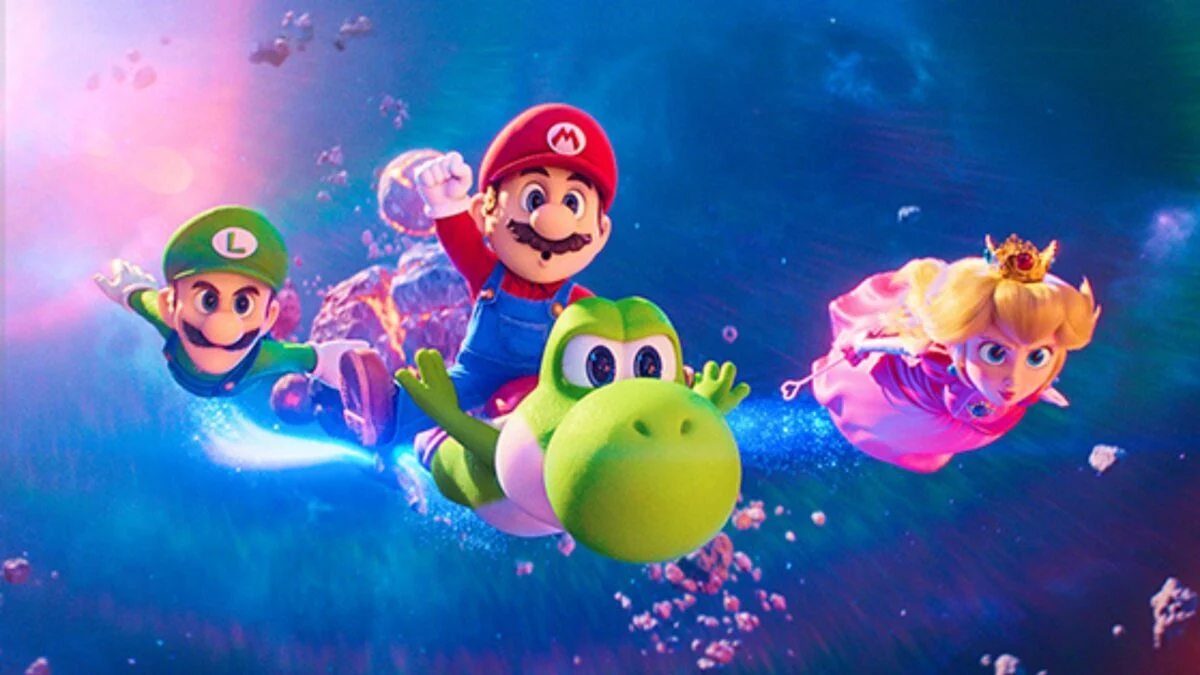
That contrast is everywhere. The Super Mario Galaxy Movie is currently 2026’s only film to clear $1 billion (€940 million) at global box office, while Inside Out 2 and Zootopia 2 helped Disney post massive wins. Yet animators report a recurring scene: executives tout the financials and awards, then tell staff “we don’t need you anymore.”
I’ve interviewed people who say that success feels like a tease. Jim Morris, Pixar’s president, admits animation is “propping up a lot of studios right now.” Pete Docter, Pixar’s chief creative officer, pushes back differently: he sees many animated hits as “funny, goofy, a little bit like babysitter material,” and says the industry could improve its ambitions. That split—between CFOs counting dollars and creatives asking for room to grow—explains why animation can be rich without being respected.
Can an animated film win Best Picture at the Oscars?
Short answer: it can, but the Academy’s culture is a hurdle. Industry figures are divided. Jorge Gutiérrez points out that live-action films still get a default advantage; many Academy members treat animation as something to endure rather than celebrate. Some studio heads argue the solution is procedural: make animation voters more visible and make animation staff eligible for broader voting categories. Others say perception must shift first—voters need to stop seeing animated work through a kids-only lens.
A poster on the subway still reads “for kids”—and audiences walk past
Marketing habits shape assumptions. Laika’s CMO David Burke described their tactic bluntly: they don’t sell films as “animated”; they sell them as films. That’s a small phrasing change with big consequences.
If you’ve worked on campaigns, you know festivals, critics’ circles, and adult-focused outlets like The New Yorker or Variety move perception. Laika trusts an audience to find their movies “irrespective of the medium.” You can push the same idea in trailers, press kits, and platform playbooks: treat an animated title like an A24 or Searchlight release when the story targets adults. Use social platforms—X, Instagram, TikTok—for behind-the-scenes that emphasize craft, and pair with Comscore and Box Office Mojo data to argue for awards placement and targeted ad buys on Netflix, Apple TV+, Amazon, and Disney+.
How can animated films be marketed like live-action?
Start by stripping the “kids first” framing from your creative brief. Anchor trailers to emotional stakes rather than gags. Pitch to adult critics and program animation-heavy festivals. Run industry screenings for Academy branches beyond animation. And yes: spend as if you expect mature audiences to show up—the math changes how buyers and press treat a film.
At an awards party a veteran nods politely while their film isn’t taken seriously
That polite nod is a symptom. The Academy’s voting habits, guild boundaries, and studio incentives create a loop where animation funds the system but rarely breaks its glass ceilings.
I’ve seen three practical moves suggested by insiders. First: broaden voting and committee rules so animation creators are visible in Best Picture ballots and technical branches. Second: encourage studios to fund adult-aimed animated projects and push them to festivals like Cannes, Venice, and Sundance. Third: change internal culture—stop describing animated films as a “babysitter” product in press rooms. These aren’t cures overnight, but they create momentum.
It’s worth saying one uncomfortable truth plainly: Hollywood treats animation like a redheaded stepchild while it cashes the checks. If you want institutions to act differently, you have to change incentives—where the ad dollars go, where the festival invites land, who is seated at voting tables.
Respect isn’t given because something earns a billion dollars (€940 million); respect requires sustained investment in reputation and representation. Laika’s counterexample is instructive: market the movie as a movie, program it where adults talk about film craft, and give creatives recognition inside awards processes.
I’ve been in rooms where executives argued that animated films are “fun” and therefore not serious art. I pushed back; you should too. If animation keeps getting the same treatment, the industry will remain profitable but peripheral—money arrives, respect does not. The real test will be whether major studios let animated filmmakers lead PR, awards strategy, and decision-making, or whether they keep them behind the velvet rope.
So where do we go from here: do we applaud the box office and accept the second-class seat, or will we demand that animation be judged as cinema in every room that matters?