
I watched a man fall through air in my dimly lit apartment while rain tapped the window. The screen held that slow-motion snap — a single decision suspended between pulse and boom. You felt it too: a new kind of silence that smelled like gun oil and grief.
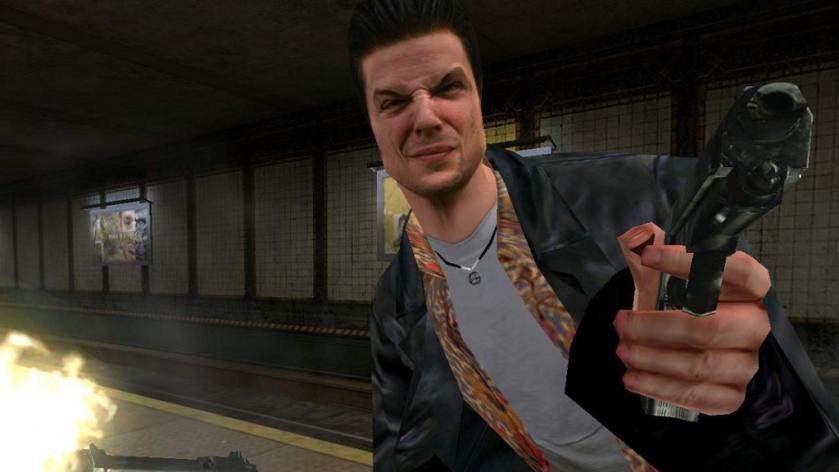
I was born a month before Max Payne hit PC on July 25, 2001. I still tell people that date like it’s a small, necessary fact — because Sam Lake and Remedy didn’t just ship a shooter; they handed players a bruised, relentless narrative that kept them awake. You know the tone: cold city streets, a detective with everything taken, and writing that didn’t flinch at the worst parts of the story.
On a July night in 2001: Why the game still reads like a scar in the action genre
I played it and said nothing out loud — you didn’t have to. Remedy’s writing, led by Sam Lake, put noir voice at the center of a third-person shooter. The script read like a bruised diary. It made the violence feel consequential instead of ornamental.
James McCaffrey’s performance gave Max a brittle humanity. Lake lent his face to the character, McCaffrey lent the voice, and that combination anchored a protagonist who wasn’t just a conduit for bullets: he was a collapsing person. You hear echoes of that approach in modern narrative tools — from cinematic campaigns on Steam to story-led modes on consoles like Xbox and PS2 ports — whenever a studio wants players to care before they aim.
In living rooms across the world: How bullet time rewrote shootouts
I remember pausing mid-fight and watching brass hang in the air. Max Payne popularized bullet time in a way that changed how designers thought about pacing and spectacle. Bullet time was a scalpel: it carved out small, tense chambers inside chaotic firefights and taught players to feel the moment.
When was Max Payne released?
The original PC release arrived on July 25, 2001. Consoles followed later that year and into 2002, with porting to the PlayStation 2 and the original Xbox expanding its audience beyond the PC crowd.
That slow-motion aesthetic eventually filtered into big franchises. You can trace a line from Remedy’s invention to breach sequences in Call of Duty: Modern Warfare and to cinematic slowdowns in later action shooters. Designers learned that slowing time lets players savor control and consequence — it’s a design lesson studios like Rockstar and developers everywhere absorbed over the next decade.
On development floors and writer’s desks: Who made Max Payne and why it mattered
I’ve spoken to people who worked those nights; you sense the intensity in every anecdote. Sam Lake and Remedy conceived the tone and the world, and James McCaffrey’s delivery sealed the deal. This was a small studio doing big, uncompromising work on a modest budget.
Who created Max Payne?
Remedy Entertainment led by Sam Lake created and wrote the original two games; James McCaffrey provided Max’s voice. The third installment, released in 2012, was handled by Rockstar Games and Dan Houser, which shifted the series’ voice in ways that divided fans.
The franchise’s arc is telling: Remedy’s two entries kept that raw noir DNA intact, while Rockstar’s take pushed the character into a different blockbuster register — think Michael Bay-style spectacle more than the previous introspective tone. You can still play the first two on modern storefronts like Steam and see how much of today’s narrative shooters owe to that early choice.
On the calendar and in the market: What’s next for Max Payne fans
I checked Remedy’s roadmap and the community chatter; silence from the studio on the 25th felt odd. Remedy is working on remakes of the first two games, but the company didn’t post a public celebration for this anniversary, which felt like a missed beat to anyone who remembers the nights they spent in Max’s shoes.
Is Max Payne getting remade?
Yes. Remedy announced remakes of the first two titles; they’re intended to restore and modernize the originals’ tone and mechanics. Whether they recapture the exact blend of writing and atmosphere is the open question that keeps forums active.
I’ll say this as someone who has followed the series for years: the first Max Payne changed how we tell grim, urban stories in games, and its influence still appears in design choices across the industry — from Remedy’s narrative focus to the action beats adopted by bigger publishers like Rockstar and Activision. But which release or remake will preserve the soul of Max Payne — and will you defend that choice in public?