
The fluorescent lights flicker over aisle seven and a shadow pads past the deli. You fumble with the till while the night presses like a fist. I tell you this because winning Shift at Midnight is as much about math as it is about not losing your nerve.
The fluorescent hum in every late-night supermarket feels like a metronome for small tragedies — All Shift at Midnight endings and how to get them
I’ve spent nights behind a counter and nights behind a controller; both teach the same lesson: money keeps doors open and mistakes close them. In Story Mode you work 13 shifts to save your pet by paying $250 (€232) for surgery on night 13. How you manage tips, store revenue, and a single endgame choice determines which ending you walk away with.
How many endings does Shift at Midnight have?
There are three primary endings tied to two variables: the choice you make in the final hours and whether you’ve scraped together $250 ($250 ≈ €232) in personal funds. The game separates store revenue (used for upgrades and gear) from your personal bank; guarding that personal stash is the whole point.
Night wages and the invisible price of mercy — how the money actually works
After each shift you get a $10 (€9) base wage plus 10 percent of the store’s revenue if you beat the day’s quota. That payout is what pays for medicine and eventually the surgery. You can feed medicine to your pet so it will join future shifts, but treating it like a permanent sidekick will bankrupt your personal funds before night 13.
Think of your wallet like a paper bookmark: it rips if you tug too hard. Spend with discipline.
The Grave Decision: a real-world observation about favors and their costs
People will come to your door when you’ve built a reputation for answering calls; sometimes those favors cost lives. On night 12 you’re offered a choice: call Sheriff Clyde to save the day at the expense of his safety. If you call him because you can’t pay for the surgery, Clyde shows up and dies, but the vet bills are covered and your pet survives.
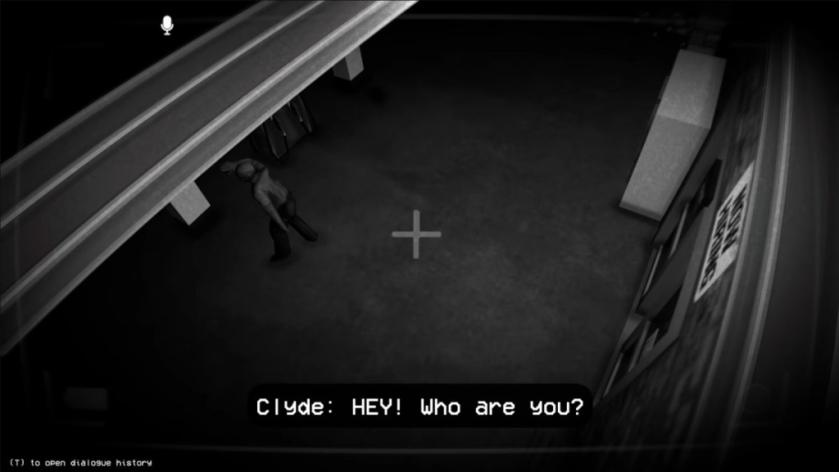
What happens if you call the sheriff?
Call Clyde and you trade your pet’s debt for his life. He dies on night 13, the surgery is paid, and your conscience is heavier. Don’t call him if you have the funds to pay the vet yourself and want both to survive.
Empty Home: an observation about absence and what it costs you
Sometimes not showing up is its own decision. If you don’t call Clyde and you fail to reach $250 in personal cash by night 13, Clyde lives because he never comes, but your pet dies when the surgery can’t be paid for.
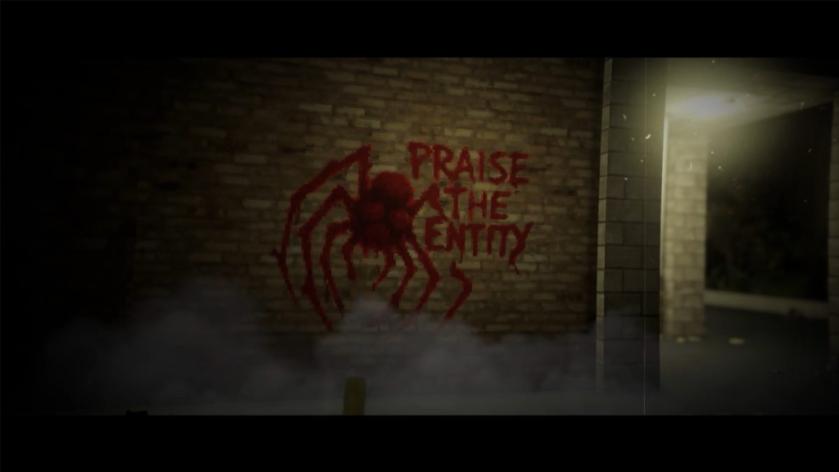
True Ending: a street-level observation about small, repeated tasks adding up
Good nights are mostly built from good habits. If you refrain from calling the Sheriff and have $250 (€232) saved in personal funds by night 13, both Clyde and your pet survive. This is the “true” ending, and it reads like a thrift-store victory: tedious, steady, and worth it.
How do I get the true ending?
You get there by treating each shift like a tiny ledger. Spend upgrades from the store revenue, but protect your personal wage. Follow these habits to stack toward $250:
- At shift start, search for Tokens. Don’t read the notice board until you’ve taken your tokens — reading it starts the clock.
- Keep some Tokens for the wheel, then spin to land on the $10 payout to grab as much of the night’s revenue as possible.
- Avoid shooting human customers. Any shot human deducts from your wage at shift end.
- When you must clean, use the sledgehammer for flesh and the hose for blood stains — both are purchasable via the store computer and work faster than the mop.
- Keep shelves stocked, don’t let queues pile up, and upgrade the shopfloor to raise customer satisfaction and revenue.
- If a doppelganger is a customer, complete the sale, then kill them to collect cash and stop a hunt — unless a Blood Moon changes the rules.
Play like you’re balancing a tip jar and a life support machine; discipline wins more often than dramatic heroics.
A quick word about gear and sources — real tools you’ll use
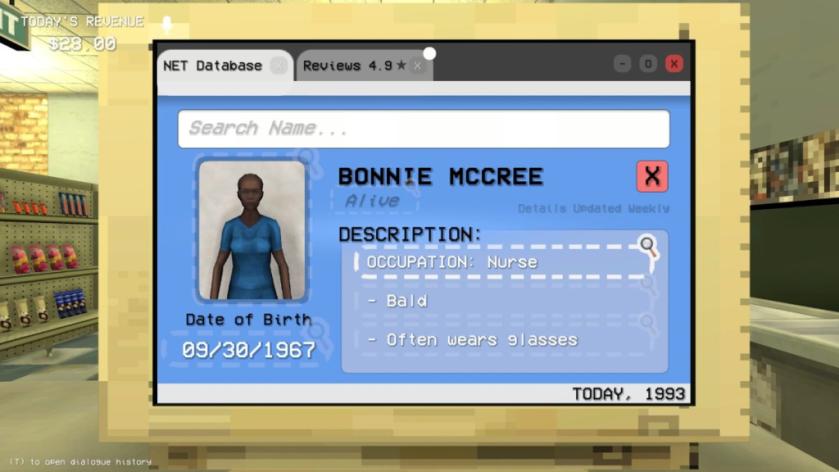
Weapons and items range from bear traps to grenades, and the computer shop sells cleaning gear and upgrades. The NET Database is how you verify IDs; Steam is the primary storefront for the game; and Bun Muen’s screenshots are useful reference points when you study layouts. HELLMART gets the comparison right: retail horror has its own rhythm and rules.
Shooting customers docks pay, medicine lets your pet join shifts, and shop manager requests give bonus cash for catching shoplifters or clearing the forest out back. Aim for consistent daily paychecks, not risky windfalls.
Which ending do you think exposes the game’s real moral choice — money or mercy?