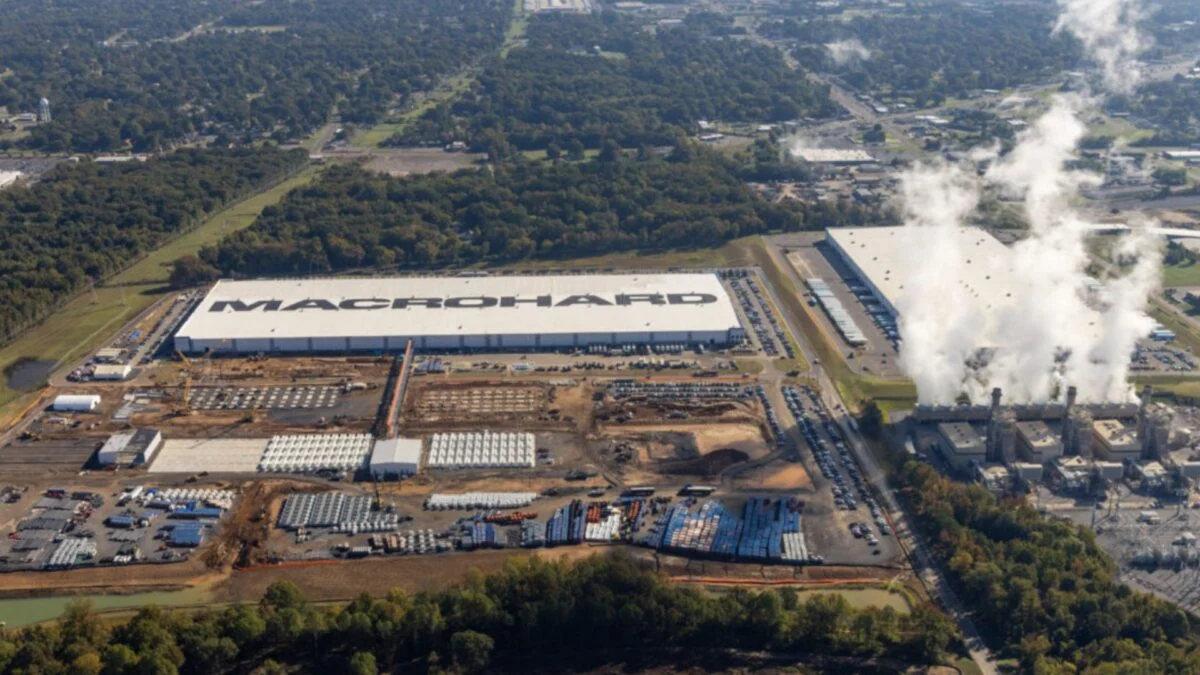
I stood at the chain-link fence between Southaven and Memphis as the mobile turbines growled under a heavy July sky. The machines sounded too permanent for something the company called temporary. You could feel a policy fight on the other side of the road.
I’ll walk you through what’s changing, why it matters, and what the clock on this site really means for AI, local neighborhoods, and investors—you should be able to judge the trade-offs for yourself.
A neighbor reported a constant diesel odor outside their window before regulators stepped in
SpaceXAI has agreed with the Mississippi Department of Environmental Quality to remove all 69 mobile gas turbines from its Southaven power facility, the company said. The site sits just across the state line from Colossus 2, one of the massive data centers powering xAI’s Grok models and leased compute to other AI firms like Anthropic.
Removal can begin as early as August, but the timeline stretches: the agreement allows turbines to stay on site through July 2027. Meanwhile, a permanent 1.2 GW natural-gas plant is under construction and will contain 41 permanent turbines authorized by a Clean Air Act permit granted in March 2026.
A lawyer in a courthouse hallway remarked on how quickly filings can change a project’s fate
Litigation forced the timetable into the open. In April the NAACP and the Southern Environmental Law Center sued xAI, alleging the company was operating dozens of turbines without the required permits and harming surrounding communities. xAI countered that the units sit on flatbed trailers and therefore qualify for a temporary-mobile exemption that allows up to a year of operation without an air permit.
The Justice Department surprisingly sided with xAI in the case, arguing the lawsuit threatened national and economic interests by risking power for AI work with military value. That line from the DOJ escalated the fight from a local pollution dispute to a national-security argument overnight.
Why is SpaceX removing the turbines?
Because the temporary patch can’t be a long-term fix: SpaceXAI is bringing a permanent plant online and has to reconcile community pressure, legal challenges, and permitting. The company bought time with mobile units while it built a 1.2 GW facility; now it’s promising to take the trailers away—and replace many of them with 41 permanent turbines authorized by regulators.
Those mobile turbines functioned like a bandage on a wound: necessary in the moment, irritating if left in place.
A data-center ops manager noted how power needs can surge without warning during large model training
AI workloads are ravenous. Companies like SpaceXAI acquired xAI to marry satellite, launch, and model training ambitions, and the firm explicitly plans to sell compute to other players. The IPO filing that accompanied SpaceX’s public offering made the financial case: a total addressable market claim of $28.5 trillion (€26.2 trillion), of which about $26.5 trillion (€24.4 trillion) was attributed to AI alone. The filing also disclosed planned turbine purchases totaling nearly $3 billion (€2.8 billion).
Investors heard a promise of massive future revenue; communities heard exhaust and paperwork stalling. I’ll let you decide which carries more immediate weight.
When will the turbines be removed?
Start: as early as August. End: the agreement gives SpaceXAI until July 2027 to clear the site. The company intends to phase the mobile units out as the 1.2 GW permanent plant comes online. How fast that happens will depend on construction progress and whether regulators or courts accelerate any steps.
A parent counted coughing episodes after a windy night and wondered who to call
Local impact matters. Plaintiffs argued pollution from the turbines harmed air quality; SpaceXAI and the DOJ framed continuity of power for high-stakes computing as essential. The dispute folded community health, corporate strategy, and national security into the same argument—each side casting the other as the risk.
SpaceX did not immediately respond to requests for comment about neighbors’ complaints. You should expect more hearings, statements, and technical filings before this settles.
Were the turbines operating without permits?
The plaintiffs claimed 27 turbines were running without permits when the suit began. xAI says the temporary-mobile exemption applies because the units are trailer-mounted. The DOJ’s intervention sided with xAI, calling the NAACP’s move a threat to national and economic security. That extraordinary framing makes this more than a local permit dispute; it raises the stakes for regulators and advocates alike.
An investor at a roadshow asked whether regulation will swallow aggressive growth projections
SpaceX’s acquisition of xAI in February fed its IPO story this summer: combine rockets, satellites, and AI compute to chase an unprecedented market. The numbers in the SEC filing are eye-popping—but they rely on building and powering data centers at scale. That requires fuel, permits, and, increasingly, a public tolerance that’s not guaranteed.
Pressure from community groups, potential litigation, and a federal government willing to intervene creates a slow-moving tide that will shape how quickly those bold financial forecasts can be realized.
I’ve followed these disputes long enough to know they rarely end with a single statement. Watch the construction milestones, the permit paperwork, and the court dockets. Who pays for the cleanup—corporate balance sheets, taxpayers, or nearby residents—will tell you more than any press release.
Which side will hold the narrative as Colossus powers up: the tech industry selling a future measured in trillions, or the communities counting the nights they couldn’t breathe easily?