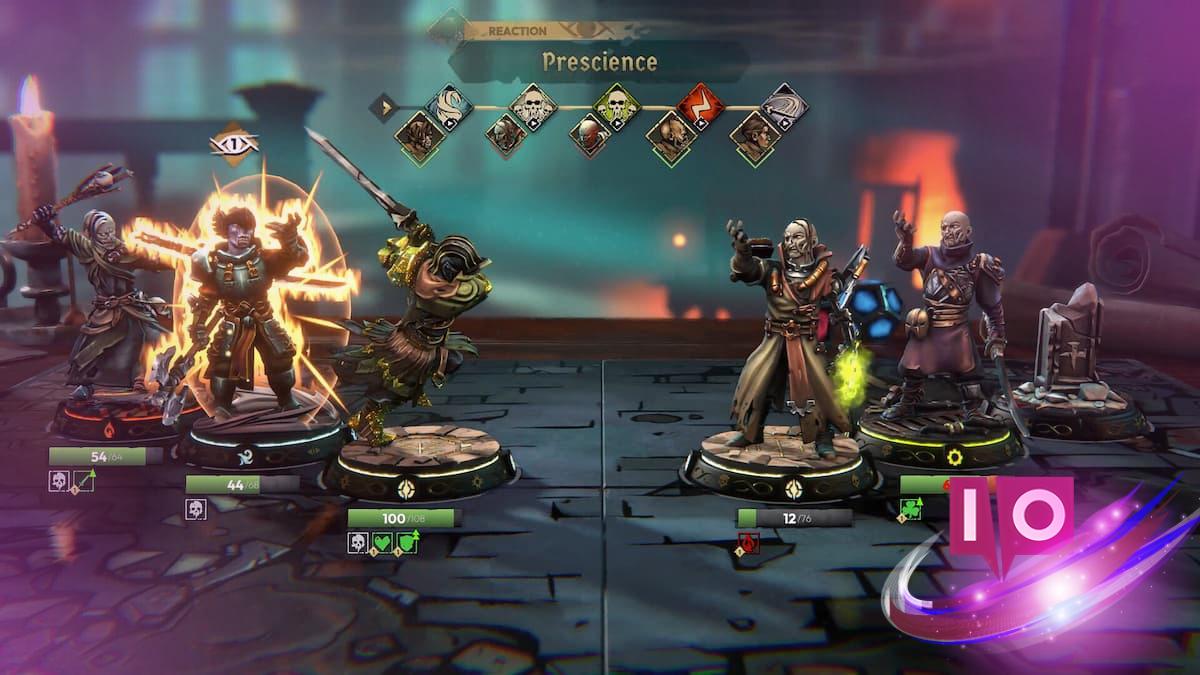
I opened a Discord channel and watched the argument unfold in real time. You could feel the room tilt as the studio announced a shutdown date and killed the marketplace months earlier. By Oct. 30, Ubisoft’s small, stubborn Web3 experiment will be a closed shop.
I’ve followed games and money for years; you’ve probably spent a minute too long staring at an NFT feed. Let me be blunt: this is a lesson in how digital promises collapse when the company flips the off switch.

In a Discord thread, players traded receipts — what happened
Ubisoft posted on Discord that Champions Tactics: Grimoria Chronicles will go offline on Oct. 30. The studio also shut off the NFT functionality in May, meaning the blockchain hooks that let players mint and trade characters were removed months ago.
That left a fractured community: some still played a playable game with in-game features disabled; others were left staring at wallets showing big numbers. The dev message was formal, short, and final — the kind of corporate note that ends debates and starts lawsuits.
What happens to NFTs when a game shuts down?
NFTs minted on a public chain like Ethereum remain tokens on the ledger, but their utility is gone if the game and its marketplace stop supporting them. That means visible ownership might persist on OpenSea or your wallet, but gameplay value evaporates unless an external platform picks up support.
On the marketplace, dollars turned into question marks — the financial fallout
People posted wallet histories showing purchases between $1,000 (€920) and $100,000 (€92,000) for in-game Warlords. Others argued mints were free and that actual losses were minimal.
Both can be true: some users paid for premium NFTs or bought them on secondary markets like OpenSea, while others only ever claimed free mints. The key is this — when developers control the servers and storefronts, the cash flow moves through centralized rails even if the token lives on a blockchain.
Can you get your money back from Ubisoft for NFT purchases?
There’s no simple path. Refunds depend on Ubisoft’s policies, proof of purchase, and whether transactions passed through Ubisoft-controlled channels. On-chain purchases that hit third-party marketplaces complicate any refund claim because the developer may not control that ledger activity.
In player threads, accusations piled up — the scam argument
Some users called it a scam; others called the outrage premature. You’d be forgiven for feeling both.
Here’s what I’d tell you if you were asking me as a reporter: loss is emotional and legal. If buyers spent $50,000 (€46,000) on characters expecting sustained gameplay or resale value, the shutdown feels like being sold a ticket to a show that never plays. If mints were free, the moral weight shifts, but reputational damage to Ubisoft and to Web3 game developers remains.
On public record, the move is another stain on Web3 gaming — what it signals
Big publishers like Ubisoft tried to graft NFTs and blockchain linkages onto their IPs and experiments. That gamble is shrinking into a cautionary tale investors and creators will point to when weighing future projects.
The marketplace is now a ghost town, and studios are learning that community trust can evaporate faster than on-chain tokens appreciate. The whole episode reads like a public relations inhalation followed by an abrupt exhale.
Why did Ubisoft kill the NFT component of the game?
They cited a strategic decision to sunset the service. The deeper drivers are a mix of low engagement, regulatory pressure, user backlash on platforms like X (formerly Twitter), and the practical headache of supporting an economy that depends on both centralized servers and decentralized ledgers.
At the intersection of code and contracts, lessons are visible — what to watch next
You should watch how publishers handle secondary marketplaces, custodial wallet promises, and terms of service that govern refunds. Tools like Etherscan or OpenSea will show token history, but they won’t restore playability or a lost economy.
Ubisoft’s decision will push other publishers to audit their Web3 bets. If anything, this is a reminder that trust is the real currency, and once spent, it’s hard to buy back with press releases.
I’m not here to moralize; I follow the patterns. You should be skeptical of systems that marry speculative finance to ephemeral server access. Will any developer step up to offer true interoperability or guarantees that stand when the servers go dark?