
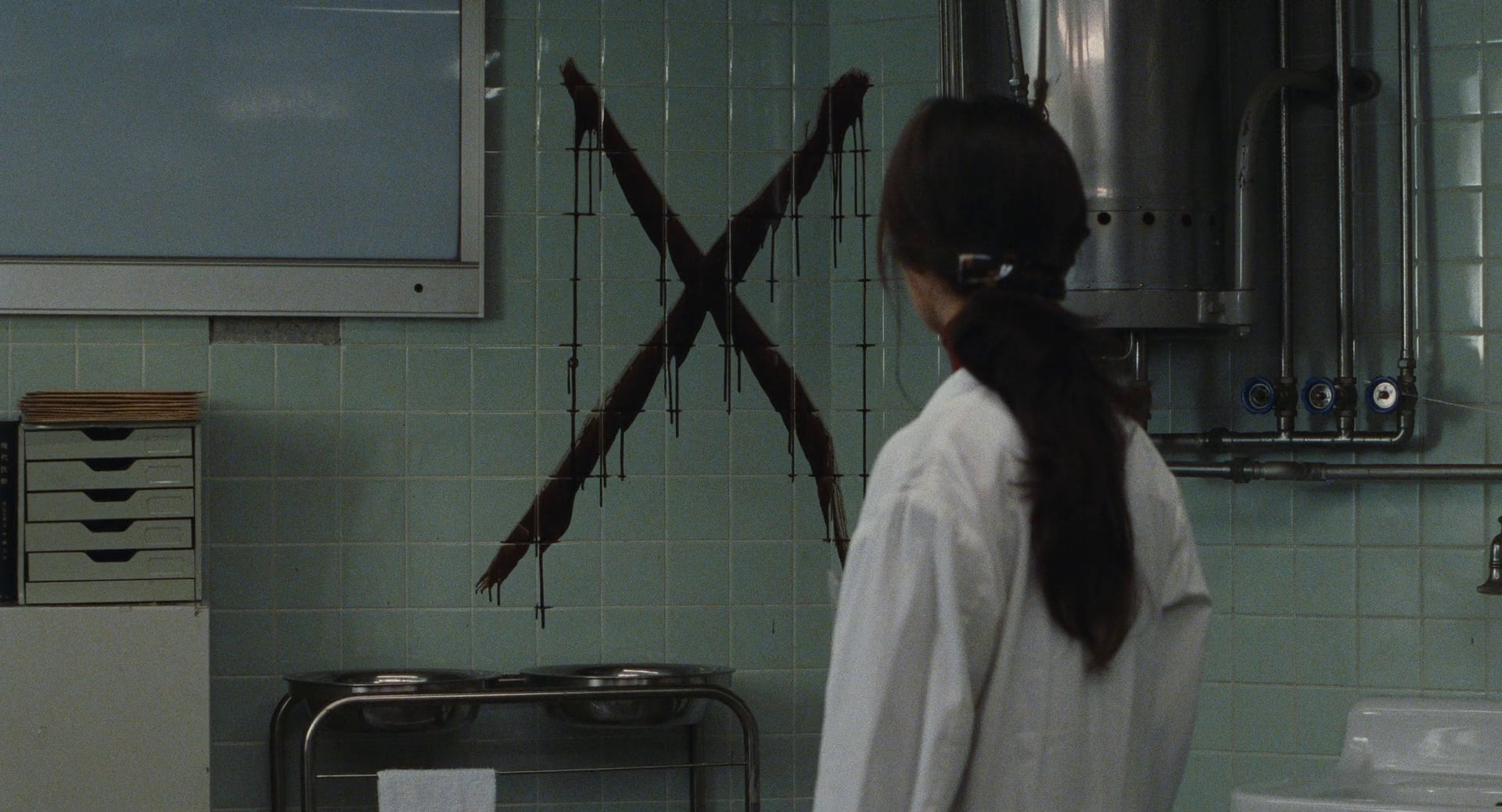
The call came at 2 a.m.: a man had carved an X into a throat and could not remember doing it. I remember the hush that followed, the way the room felt smaller, as if the film had reached through the speaker. Kiyoshi Kurosawa’s Cure trains that hush on you until it clicks.
I’ve watched this film in festivals, on grainy DVDs, and again on a bright streaming app, and each time it rearranges the rules of what horror can quietly insist upon. You don’t get cheap shocks; you get erosion — a methodical unmooring of certainty. Thirty years on, Cure still reads like a manual for how to make doubt feel physical.
On a rainy Tokyo street I watched an audience go still — What silence does in Cure
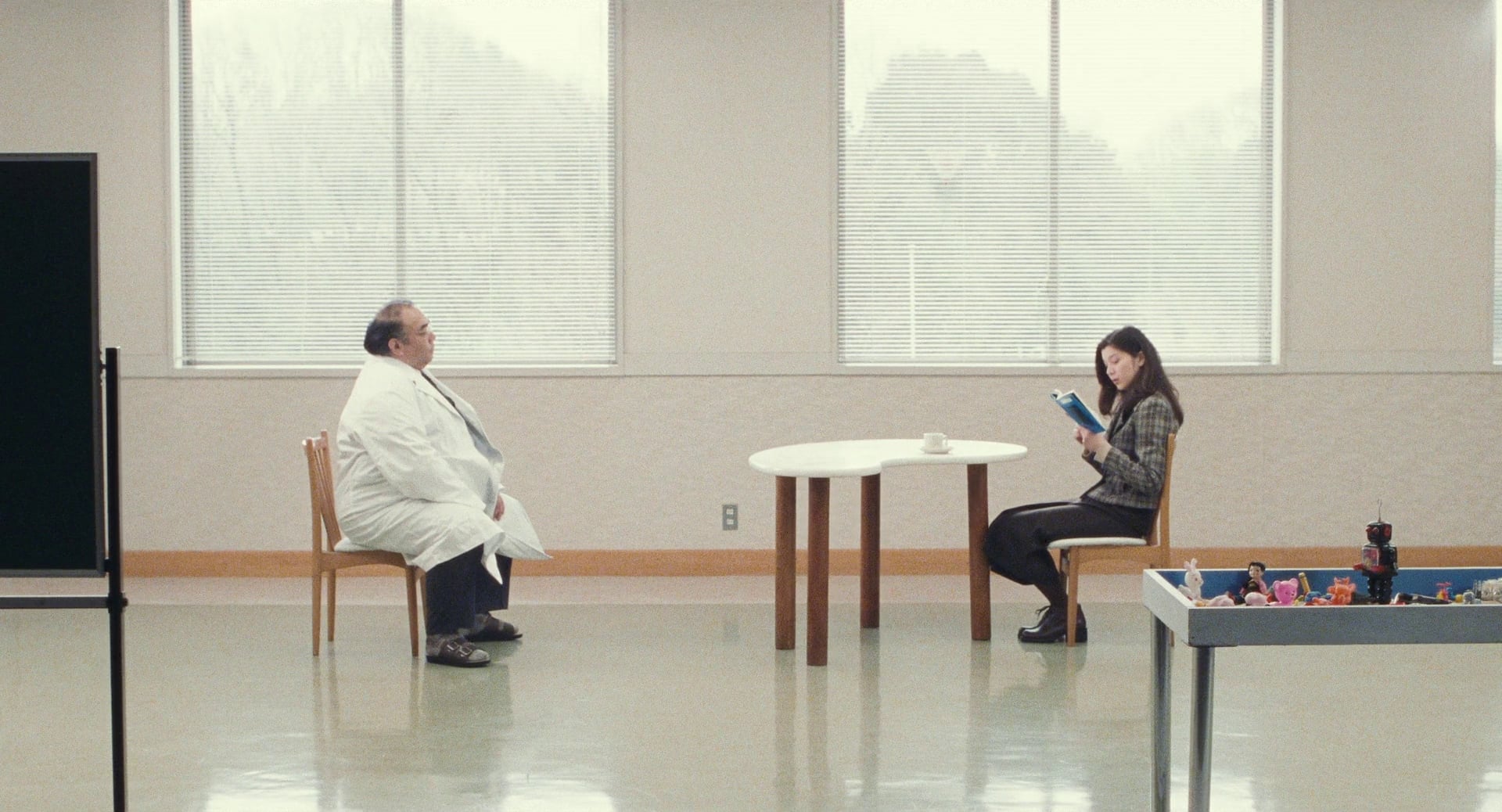
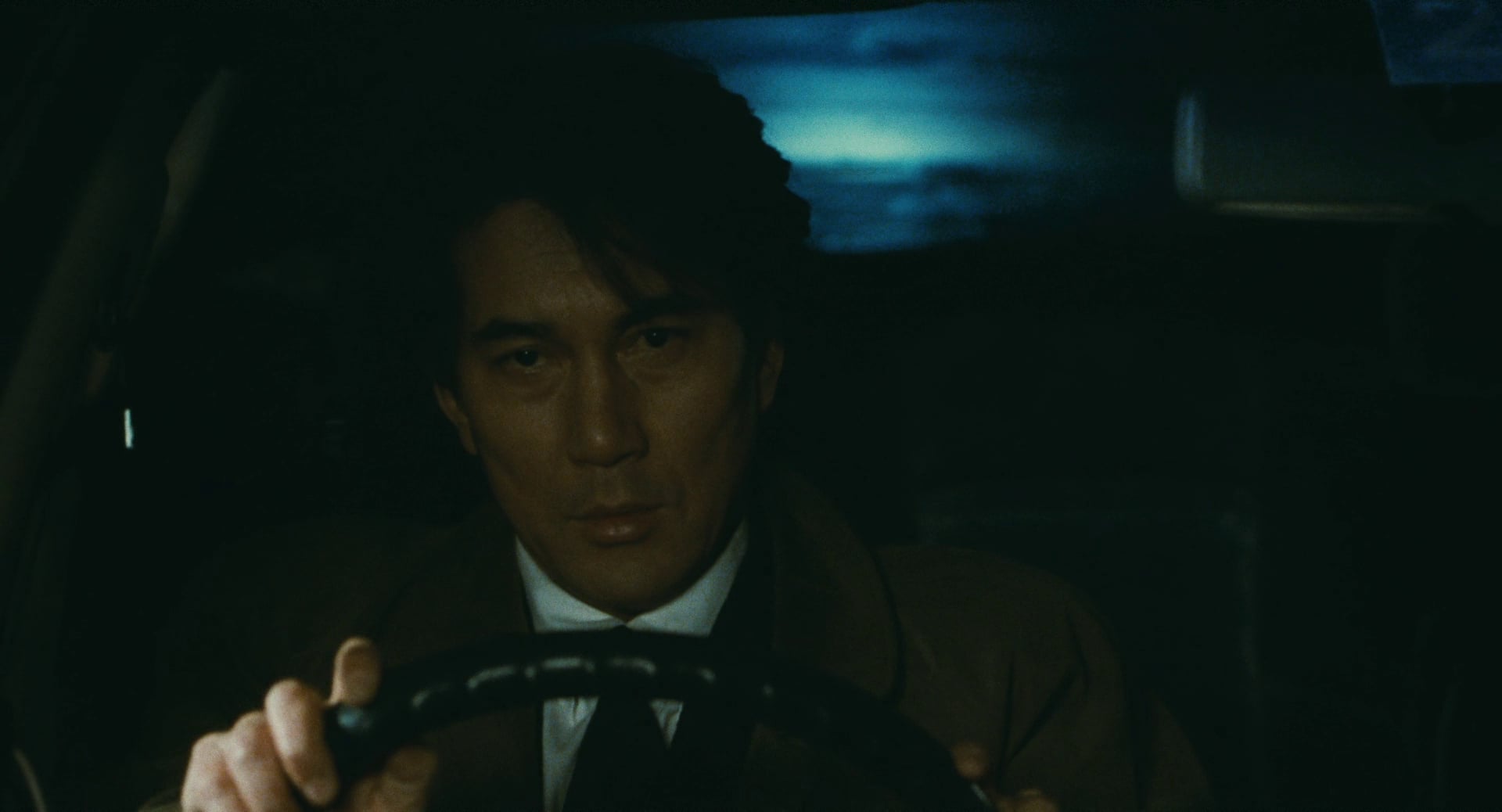
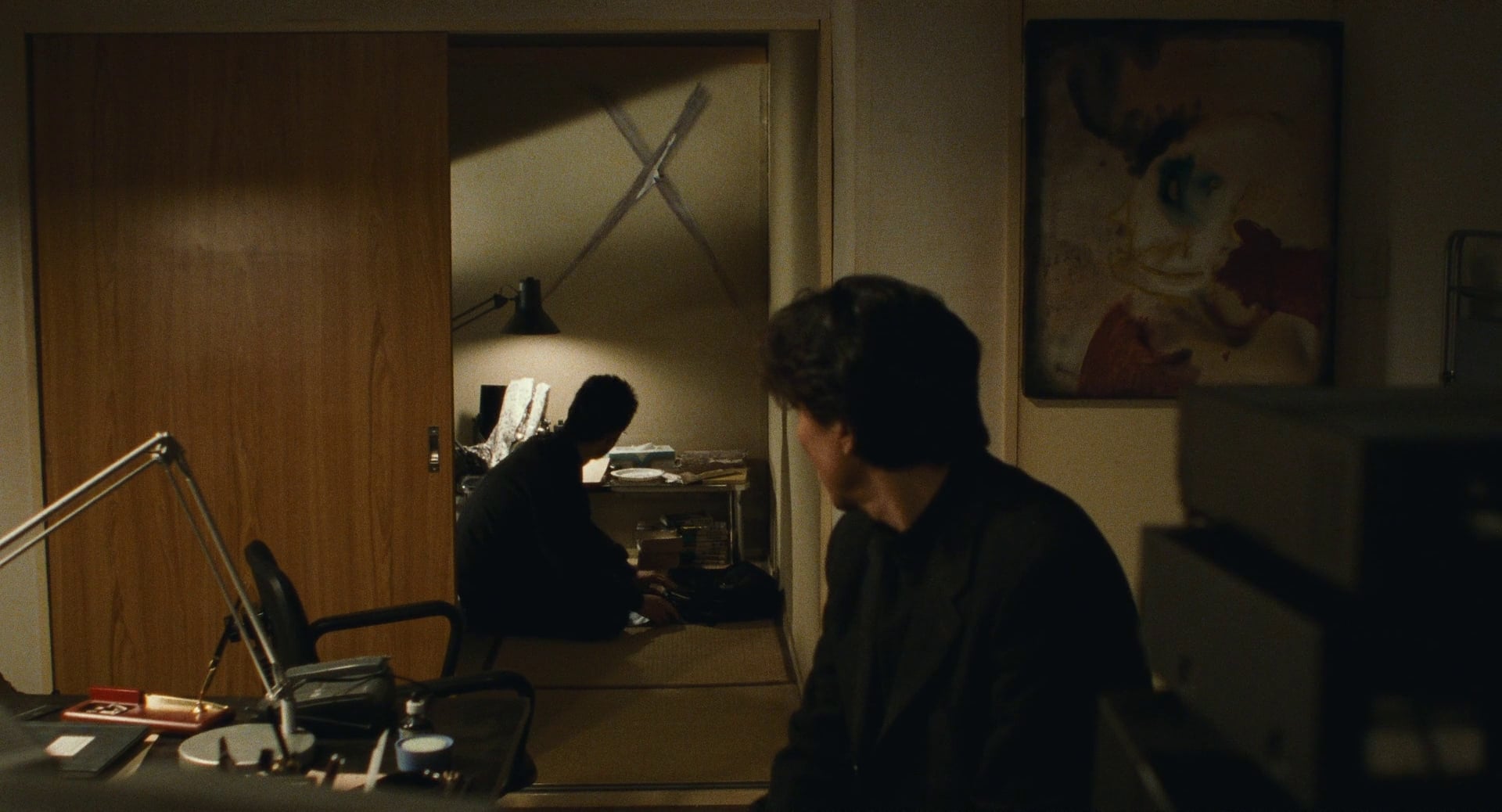
The rain muffled everything; you could hear breathing. Kurosawa uses emptiness as a weapon. Long takes let tension slow-cook until the smallest gesture feels like evidence. Koji Yakusho’s detective, Takabe, carries private strain—Fumie’s schizophrenia, a fraying home life—and that domestic unease gets folded into the case until you can’t tell which is worse. Masato Hagiwara’s Mamiya whispers not answers but invitations, and the film makes you notice how words can function as suggestion rather than explanation.
What is Cure about?
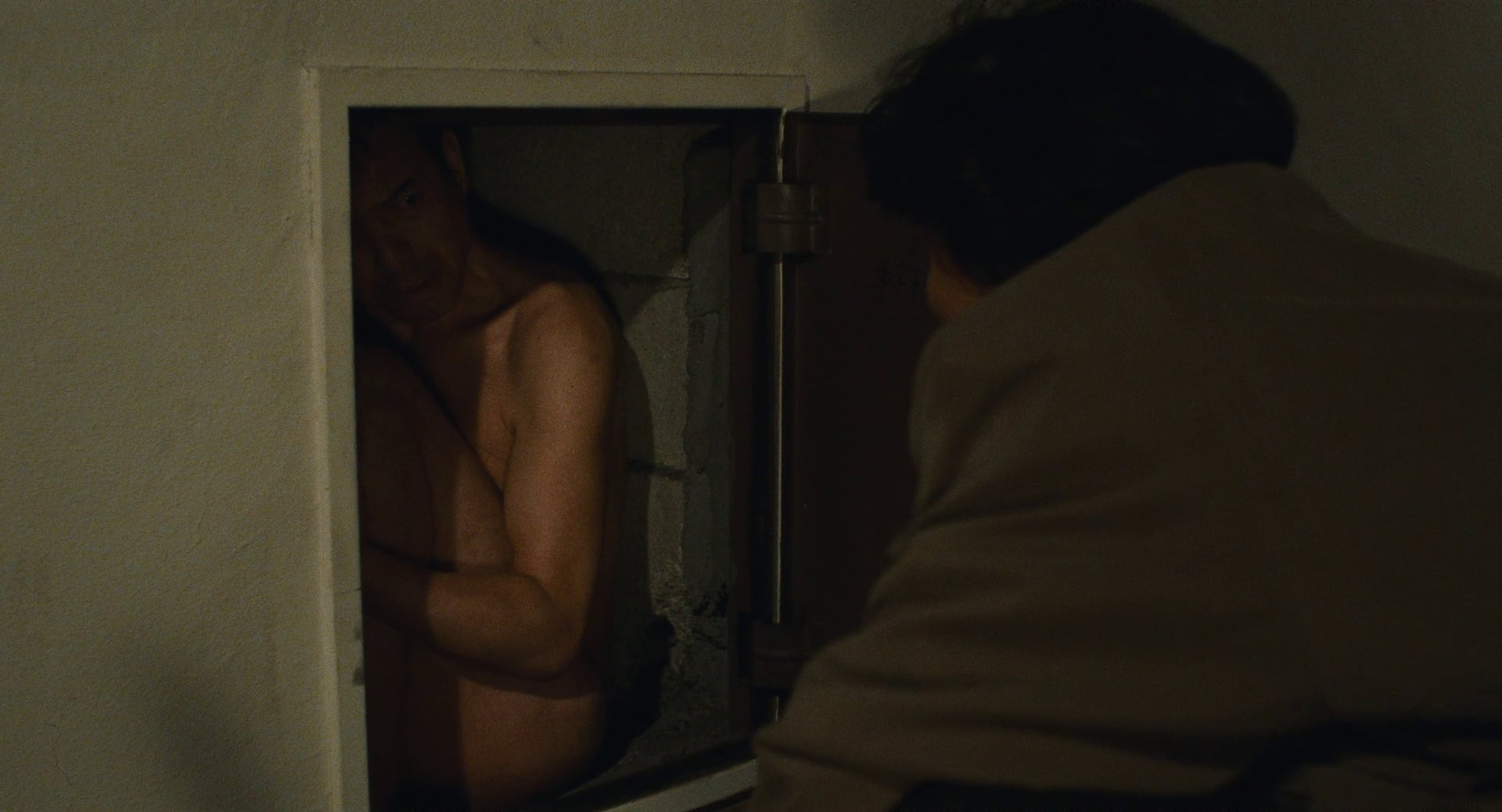
At the surface: a detective hunting a string of gruesome murders where perpetrators have no memory of their crimes. Beneath that: an exploration of contagion, authority, and the brittle places inside ordinary people that suggestion can split open. The movie doesn’t hand you a cause; it hands you a mood and lets you work for the meaning.
At my kitchen table I rewound the interrogation scene — How Kurosawa designs questions, not answers
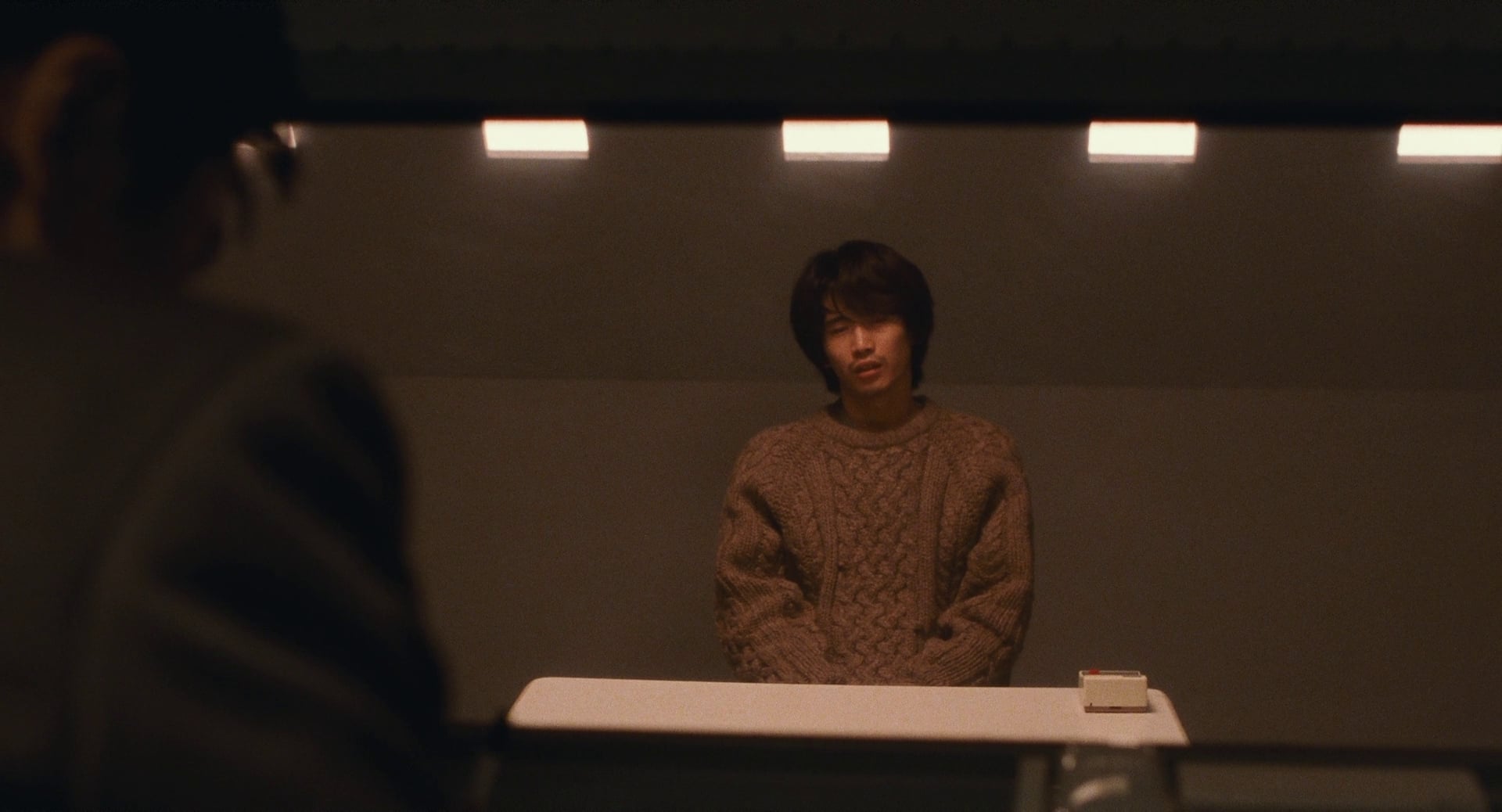
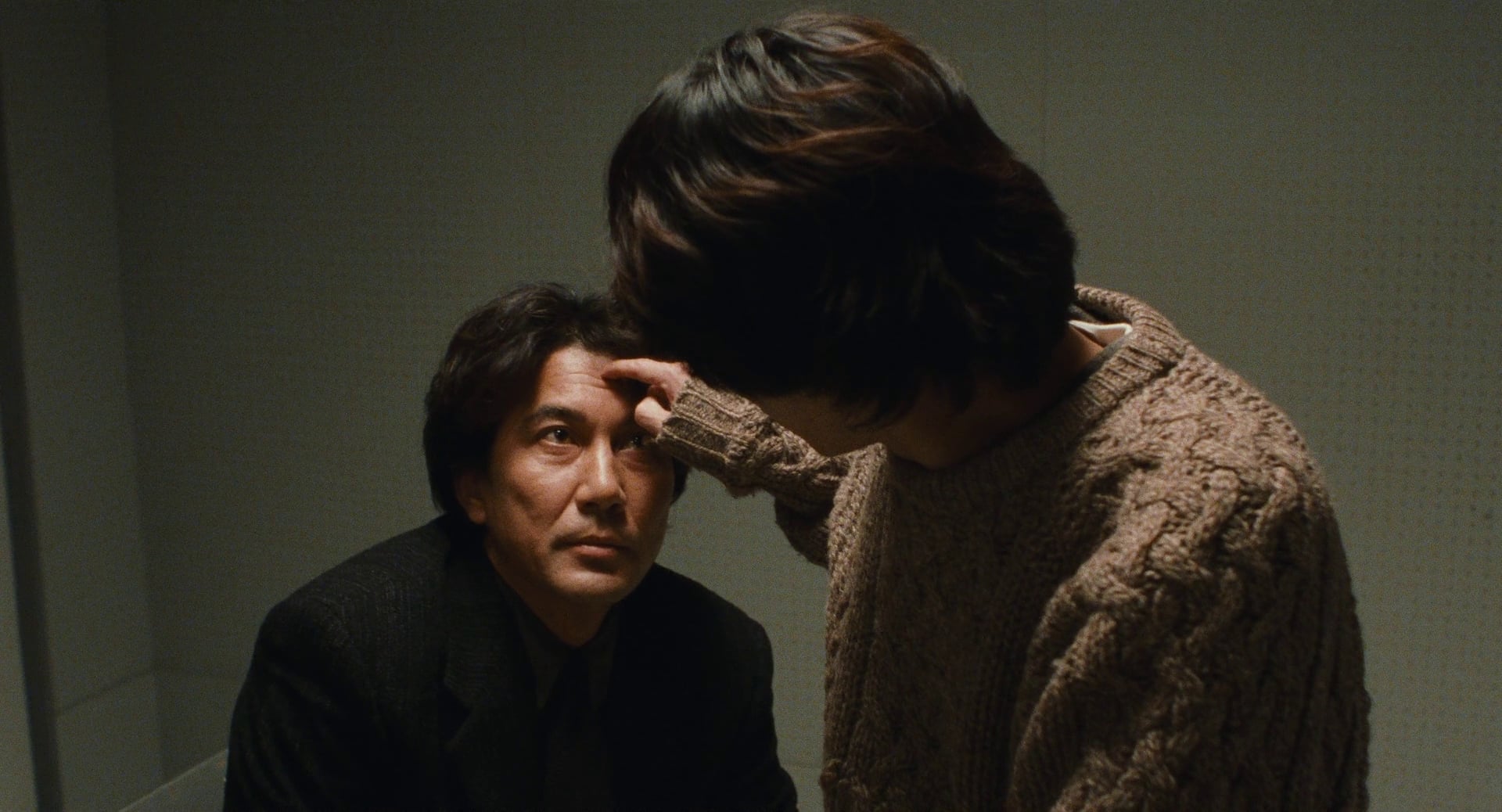
I paused the scene where Takabe and Mamiya confront each other and felt my pulse sharpen. Kurosawa refuses to pat you on the head with explanation. He offers scenes that nag at the part of you that wants closure, and then he withholds. The film’s ending is not a payoff so much as a provocation: you go back through it hunting footprints. That persistence is the film’s sly cruelty; it embeds unease like a splinter under the skin.
Why is Cure considered a horror classic?
Because it rewrote the rules for psychological menace. It pairs austere cinematography with practical effects that shock by being tactile, not flashy. Yakusho and Hagiwara lock into a slow, corrosive chemistry: one man policing the edges of his own sanity, the other testing how far a person will bend. For filmmakers and critics, Cure is a proof point that suggestion can be more violent than spectacle.
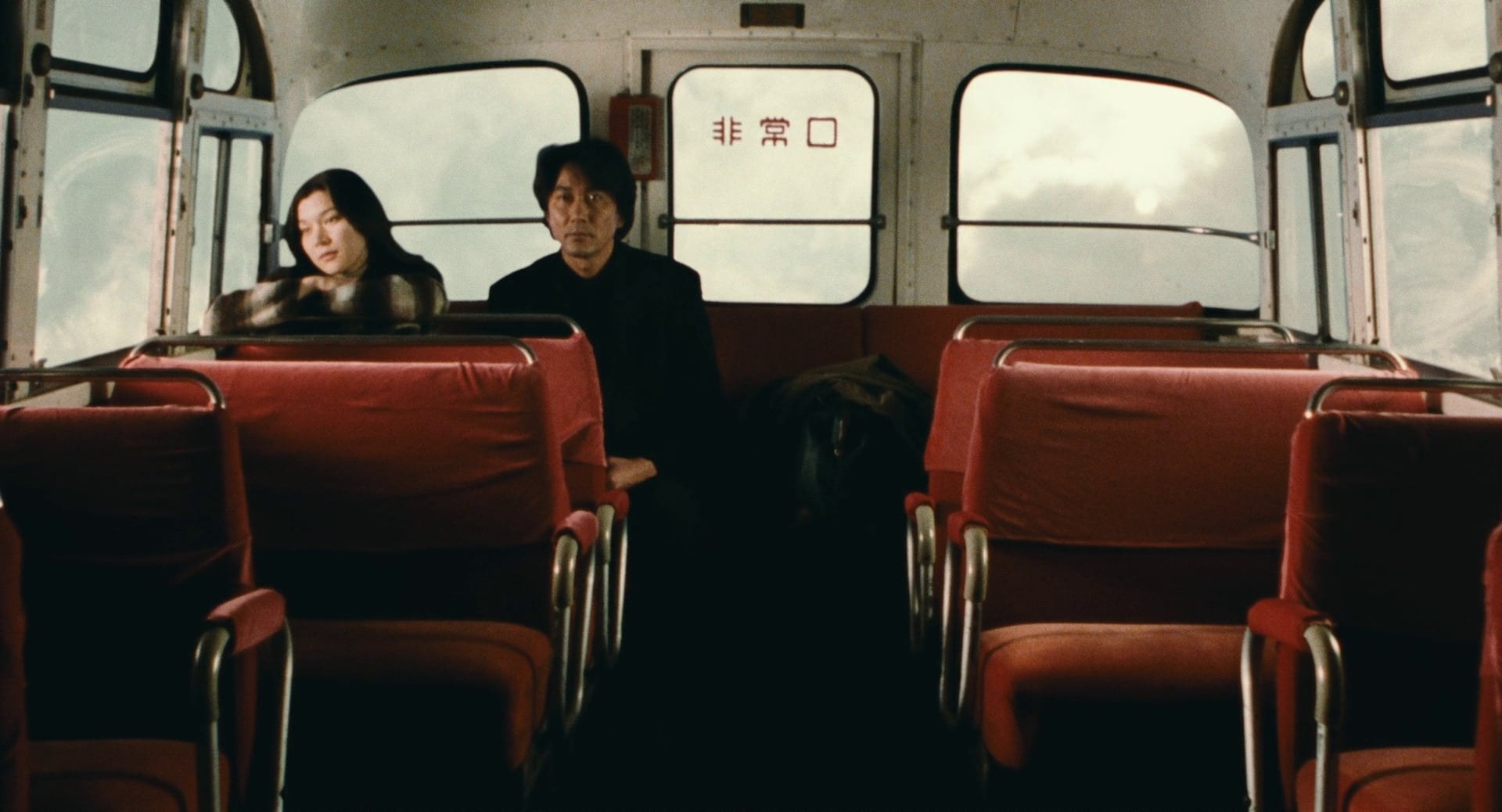
On a midnight screening couch I spotted the sweater — Why charisma matters in Mamiya
The sweater was ordinary in a way that made it unsettling. Hagiwara’s Mamiya trades overt menace for a conversational, almost domestic mischief; that mismatch is the engine of his threat. He taps into a perverse charm that makes suggestion feel intimate rather than foreign. Critics, websites, and genre fans have since nicknamed that aesthetic—think of the comfortable villain—and it has quietly influenced how we read charisma in horror.
Where can I watch Cure?
Cure is currently available on Prime Video and the Criterion Channel, and prints have circulated through festivals and collectors via Shochiku releases. If you’re tracking the film’s provenance or restoration history, Criterion’s transfer and notes are a solid reference point.
At a critics’ roundtable I overheard a simple question — What Cure asks of you
A colleague asked, “Would you do it if someone told you to?” That question is the movie’s actual weapon. Kurosawa stages authority as something that can be mimicked and transferred, and then he watches people comply or resist. The film doesn’t moralize; it observes, and that observational cruelty lingers. Atmosphere compounds into implication, working on you like a slow-acting toxin.
I’ll say this plainly: Cure is a film you’ll think about long after you stop watching it. You’ll revisit scenes, argue with friends, and notice tiny details you missed the first time. Koji Yakusho, Masato Hagiwara, Shochiku, Criterion, and the film’s practical effects all conspire to make an experience that remains a standard for psychological horror. If Cure can make you question your own hands, what else might it make you do?