
You wake in the dark to the sound of someone whistling a tune from a movie you’ve already paused twice. I’ve watched that beat make crowds sit up, laugh, and then hold their breath—this genre has a peculiar way of teaching its audience the rules. The slasher mirror sometimes shows us our own instincts back at us, warped and instructive.
Call me a guide who loves pointing out the seams. You and I both know the thrill here is not just the knife but the wink—movies that refuse to be taken at face value, and instead turn their genre’s habits into the joke, the lesson, or the trap. Below are ten films to queue after Teenage Sex and Death at Camp Miasma, each one teaching you how to read a scream.
What is a meta slasher film?
A meta slasher is any title that speaks to its own fiction: characters know film tropes and the movie comments on them. Think Wes Craven’s Scream—a film that treats genre literacy like a plot device and, famously, hands viewers a rules list via a teenage film-geek named Randy.
Which slasher films are good starting points for someone who loves subversion?
If you want films that poke the beast and then study it, begin with Scream, Cabin in the Woods, and Behind the Mask: The Rise of Leslie Vernon. They’re riff-heavy and smart, and several are available on platforms like Shudder or streaming bundles via IFC Films and Screen Media Ventures.
Scream
At a friend’s house party the film snags the room: everyone can recite the rules. Wes Craven’s 1996 classic didn’t just revive the slasher market; it trained a generation to watch for the phone ring, the isolation, the pop-culture-literate killer. Randy’s classroom monologue is both a wink and a map—watch it and you’ll stop being surprised; you’ll start being complicit.
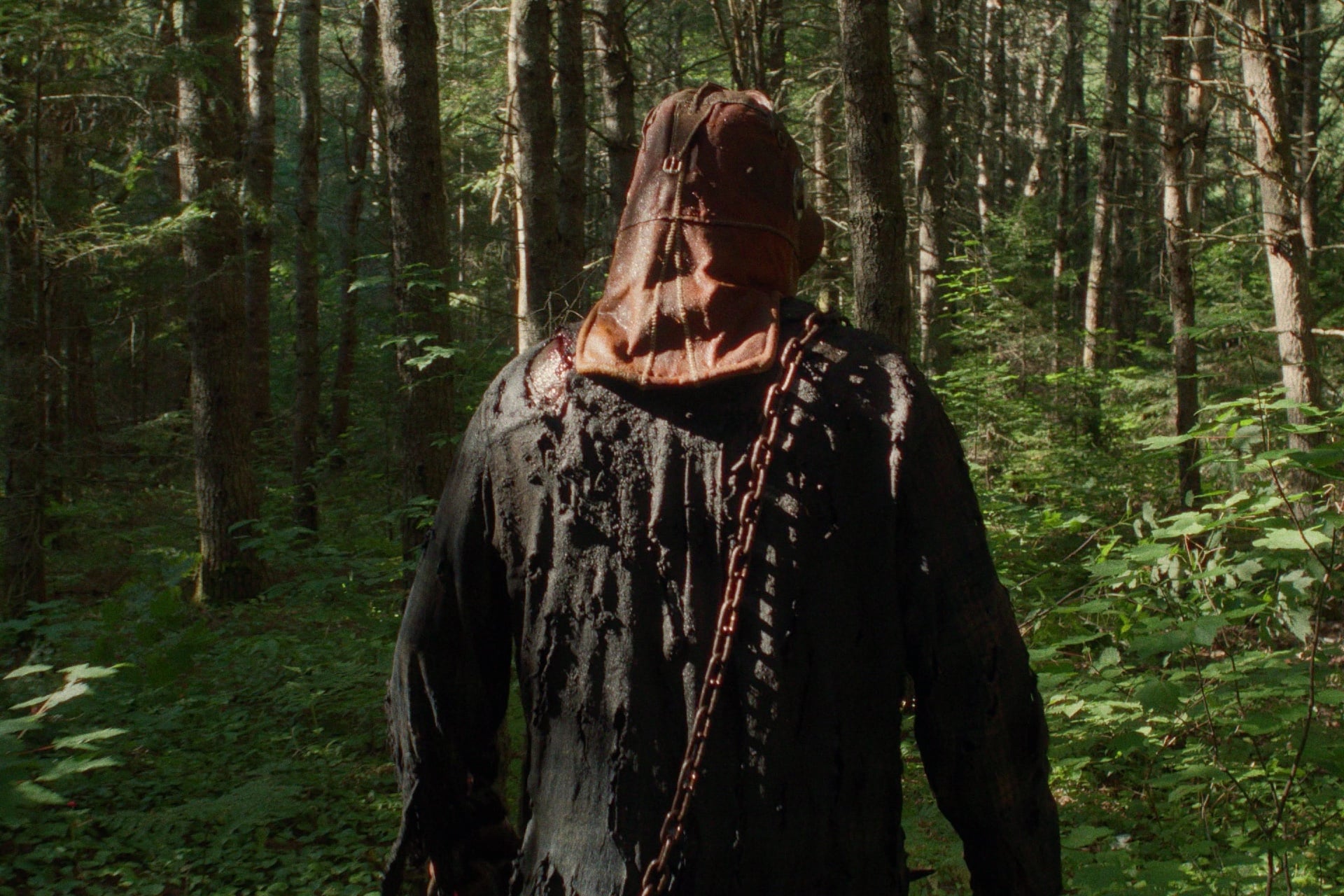
In a Violent Nature
On a late-night horror forum someone argues whether a killer can have subjectivity. This festival darling flips perspective: the killer is a silent protagonist whose awakening the film records with grotesque fascination. It’s a rare POV experiment—imagine a classic slash-and-stalk retold from the predator’s interior—and it rewards anyone paying attention to technical daring and practical effects.
Tucker and Dale vs. Evil
At a campground meet-cute you might guess the strangers are dangerous; you’d be wrong. This comedy mines the misread of rural strangers for constant, escalating misunderstandings that parody horror assumptions. It’s empathetic, funny, and an exercise in how much of fear is inferential—fear of strangers, fear of the woods, fear of the mask.
Cabin in the Woods
On a studio lot, producers debate which monsters to unleash—literally. Joss Whedon and Drew Goddard’s film starts as a familiar teen-horror setup and then yanks the carpet out, revealing an industry-run sacrifice machine and a bureaucratic mythology that satirizes Hollywood itself. It treats slasher logic like a product line, and that corporate reading is deliciously cruel.
Student Bodies
At a high-school reunion someone brings up an older parody they loved. Released in 1981, Student Bodies predates many gags later recycled in other spoofs. It lampoons high-school horror behavior with the sort of timing that makes the genre’s clichés feel ancient and silly—and therefore ripe for mockery.
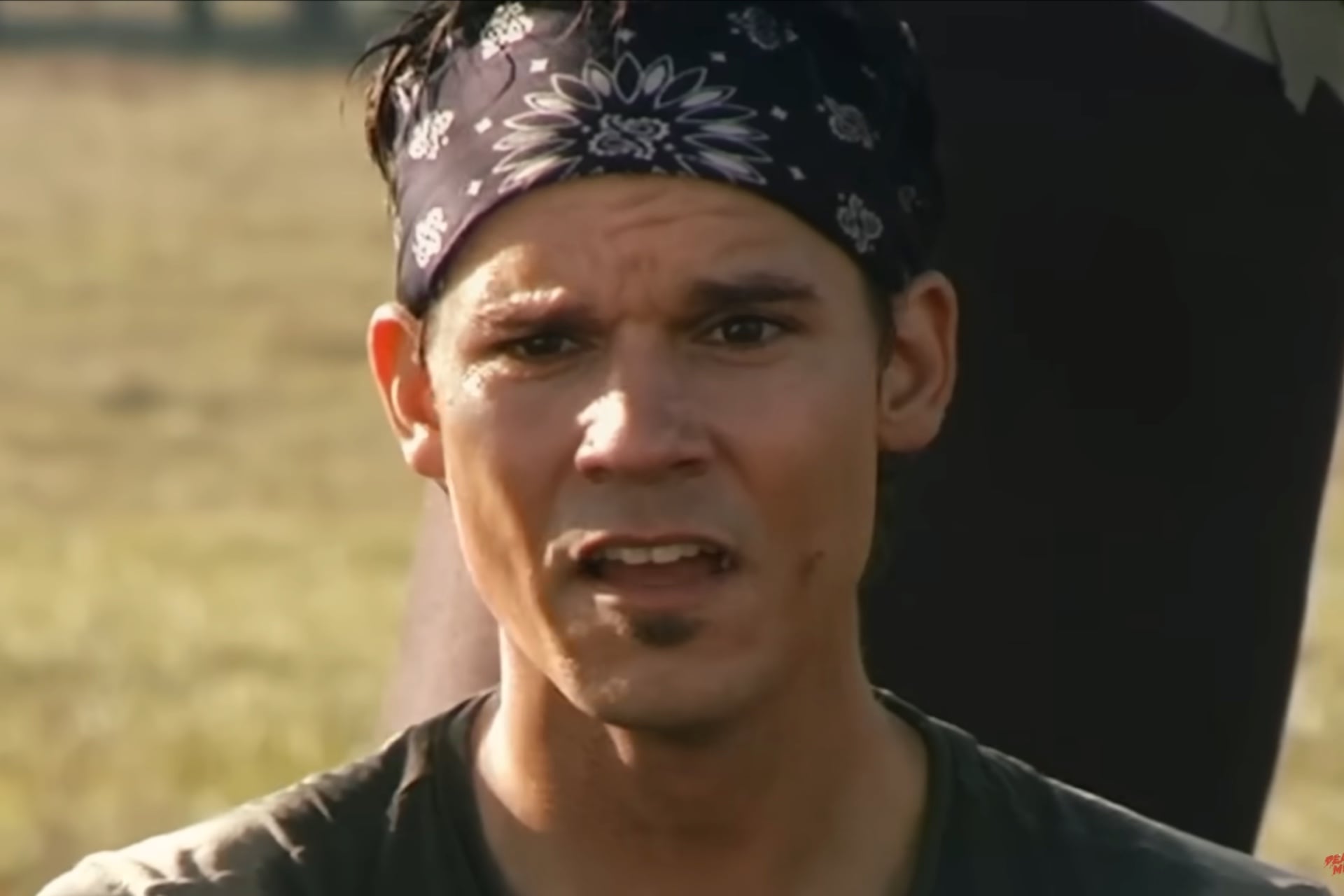
Behind the Mask: The Rise of Leslie Vernon
At a horror convention an audience watches a killer lecture on technique. This mockumentary treats the slasher as craft, letting a wannabe icon talk through choices: masks, staging, the final-girl calculus. It’s meta in the smartest way—part making-of, part satire—and horror vets like Robert Englund and Kane Hodder cameo to cement the film’s insider credibility.
Happy Death Day
On a college campus a murder becomes a repeating lesson. Christopher Landon blends the slasher with a time-loop mechanic, which forces a heroine to learn slasher logic the hard way. It’s part teen comedy, part thriller, and it proves rewinding the clock can sharpen both character and genre awareness.
Freaky
In a suburban high school a body swap complicates the chase. Also from Christopher Landon, this mash-up swaps the teen protagonist with a middle-aged killer and turns the cat-and-mouse into a frantic identity game. It’s genre playfulness that doubles as a character study—what happens when the hunter inherits the hunted’s debts?
The Final Girls
At a midnight screening a daughter recognizes her mother on the screen. This film literally thrusts modern teenagers into an ’80s slasher movie, forcing them to follow genre rules to survive. It leans on nostalgia and tears at the seams between fiction and family, all while cleverly riffing on what a “final girl” means when she’s also your mom.
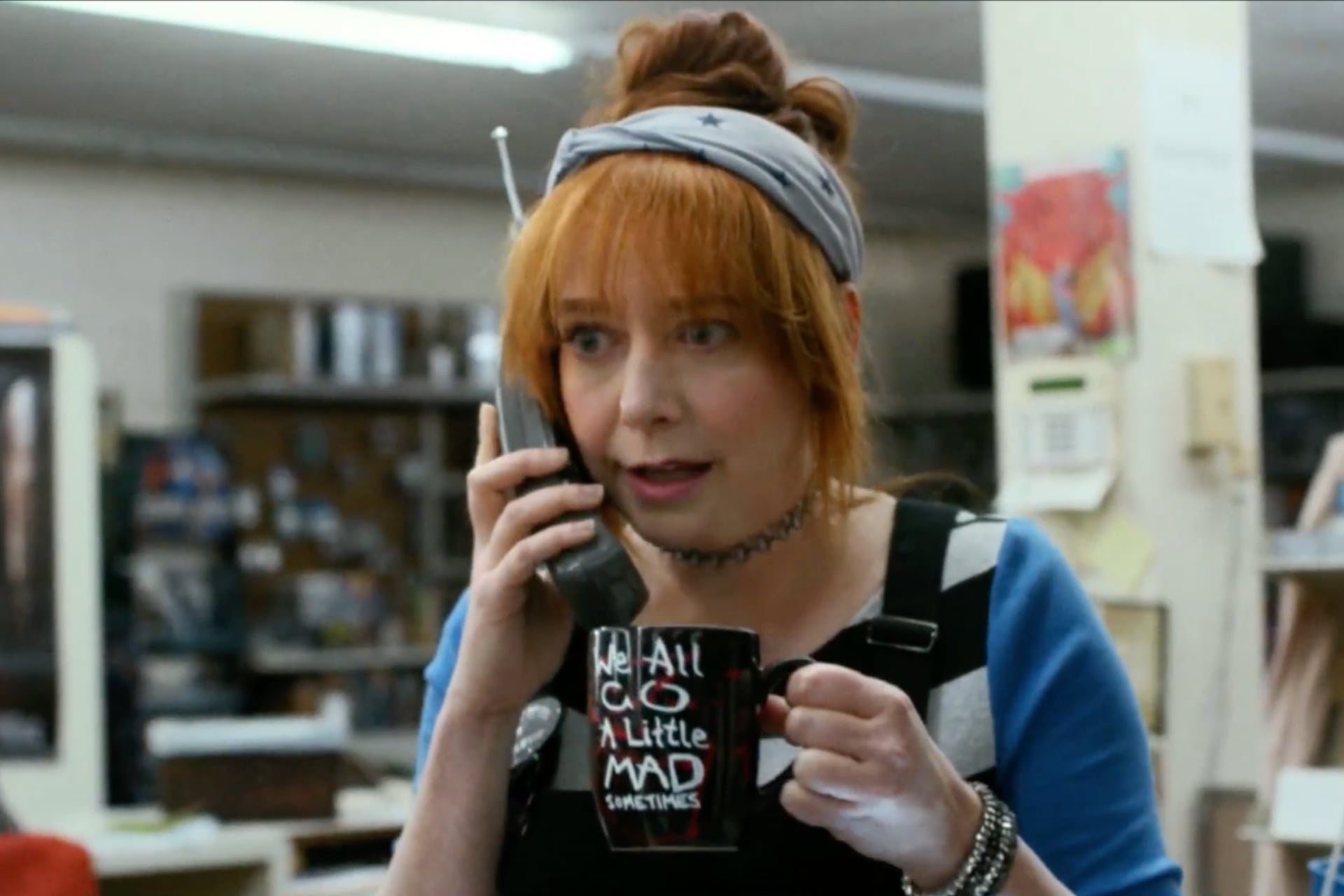
You Might Be the Killer
On a late-night group call a counselor confesses to a friend he’s being stalked. This script grew from a viral Twitter exchange and it wears that pedigree proudly—dialogue-heavy, self-aware, and slyly recursive. The film becomes a puzzle, coaxing viewers to question identities and assumptions until the mask itself is suspect.
Honorable Mention: Widow’s Bay
On a streaming binge someone rediscovers a TV series that reads like a slasher played long-form. The show’s Boogeyman revisits trauma across decades, and Patricia’s shotgun diplomacy is a textbook answer to recurring evil. It’s television proving the slasher can sustain serialized mythmaking as well as a feature can.
I prefer pointing you to films that make you think while you gasp; the list above is a small map of how the subversive slasher evolved from prank to philosophy. If you’re curating a marathon on Shudder or building a playlist across Netflix, IFC, and Screen Media libraries, which title will you use to teach someone the rules—and then break them?